Artwork
Altarpiece of Saint Barbara
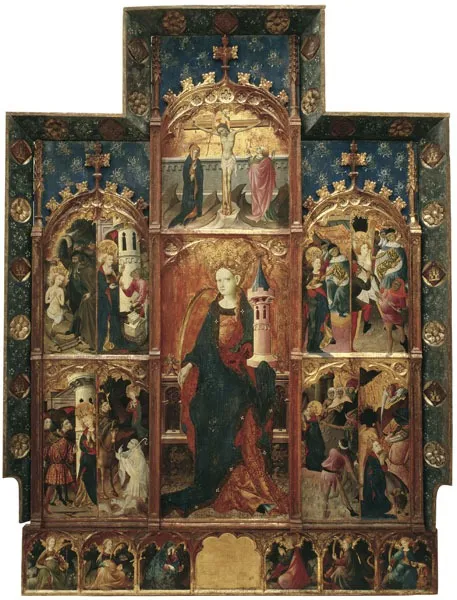
Altarpiece of Saint Barbara is a tempera painting by the Early Renaissance artist Gonzalo Pérez. It dates from 1410 and is held in the collection of the Museu Nacional d'Art de Catalunya.
About this work
The Altarpiece of Saint Barbara is a painting. It was created by Gonzalo Pérez in 1410.
This painting is held at the Museu Nacional d'Art de Catalunya in Barcelona. The fact that it is part of this museum's collection suggests it is a significant work.
You can learn more about the technique used to create this painting by looking up tempera.
Overview
Created in 1410 by the Valencian painter Gonzalo Pérez, also known as Gonçal Peris Sarrià, this tempera-on-panel altarpiece depicts Saint Barbara.
Created in 1410 by the Valencian painter Gonzalo Pérez, also known as Gonçal Peris Sarrià, this tempera-on-panel altarpiece depicts Saint Barbara. It is one of the earliest surviving devotional works from the Crown of Aragon and remains part of the permanent collection at the Museu Nacional d'Art de Catalunya in Barcelona, where it is recognized for its historical and artistic significance within early 15th-century Iberian painting.
Subject & Meaning
The painting portrays Saint Barbara, a Christian martyr traditionally associated with protection against sudden death and lightning. She is shown holding a tower, referencing the legend of her imprisonment by her father, and a chalice, symbolizing the Eucharist. The imagery served a devotional purpose, offering viewers a focal point for prayer and invoking her intercession, particularly among those working with explosives or in hazardous trades.
Technique & Style
Executed in tempera on wood panel, the work reflects the meticulous detail and linear clarity typical of late Gothic panel painting in the Mediterranean region. Soft modeling of forms, rich but restrained coloration, and delicate gold leaf accents in the halo and background highlight the artist’s adherence to international Gothic conventions while retaining regional stylistic traits from Valencia and Catalonia.
History & Provenance
The altarpiece was likely commissioned for a private chapel or religious institution in Valencia, where Pérez was active. It entered the Museu Nacional d'Art de Catalunya’s collection in the early 20th century following the consolidation of ecclesiastical artworks from across Catalonia. Its survival through centuries of religious upheaval and institutional reorganization underscores its enduring cultural value.
Context
Produced during a period of flourishing artistic exchange between Valencia, Catalonia, and the Italian peninsula, the altarpiece reflects the influence of both Gothic traditions and emerging naturalistic tendencies. It aligns with other devotional panels of the era, serving as both spiritual aid and status symbol for patrons who sought to demonstrate piety through commissioned religious art.
Legacy
As one of the few signed and dated works by Gonzalo Pérez, the altarpiece provides critical insight into the development of Valencian painting before the rise of the Renaissance. Its preservation and display in a major national museum have ensured its role as a reference point for scholars studying the transition from medieval to early modern religious art in the Iberian Peninsula.
Artist & collection
Artist
Gonzalo Pérez, or Gonçal Peris Sarrià, was a Valencian painter of the first half of the 15th century.

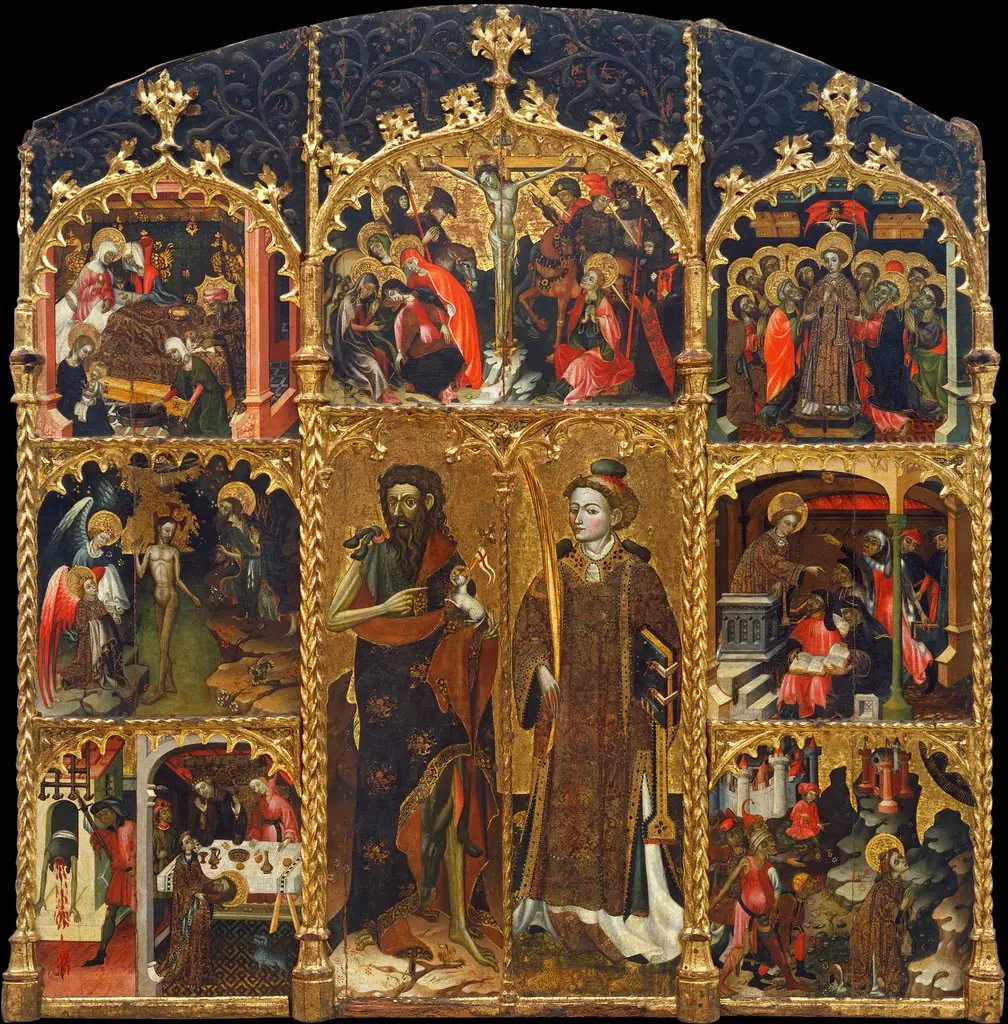 Altarpiece of Saint John the Baptist and Saint Stephen
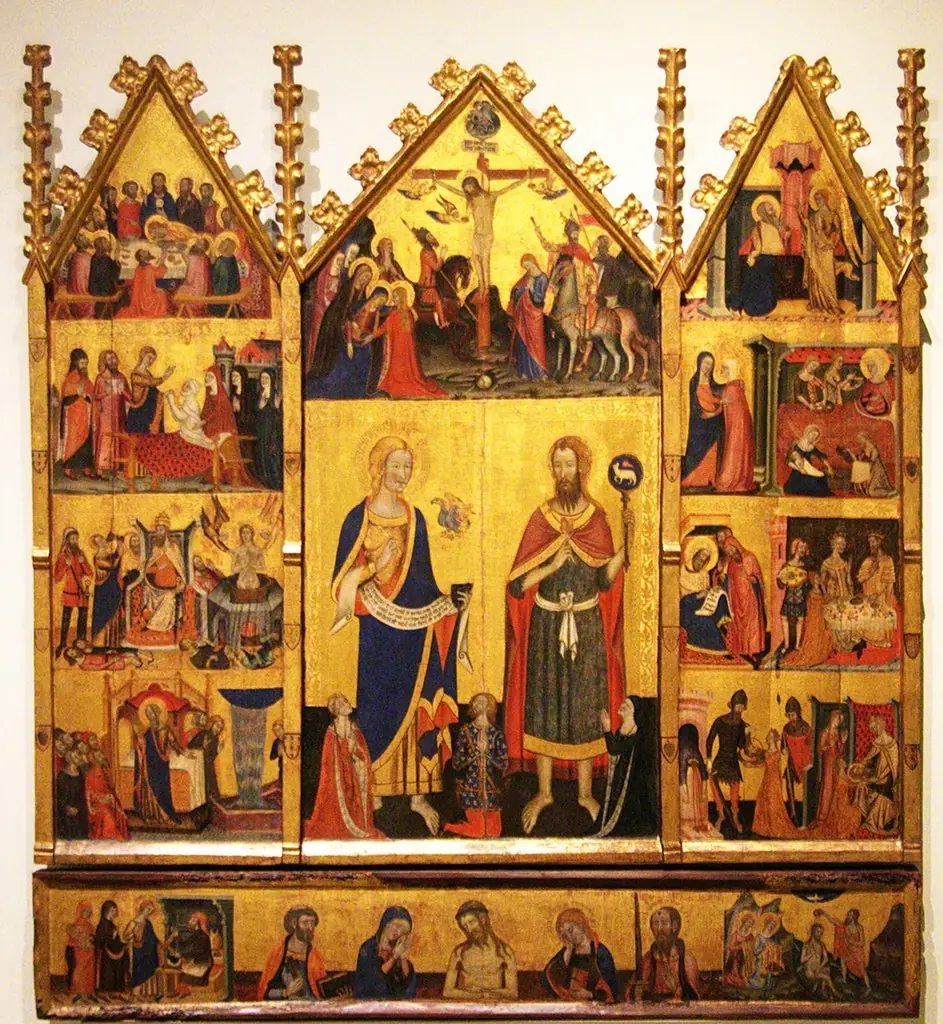 Altarpiece of the Saints John
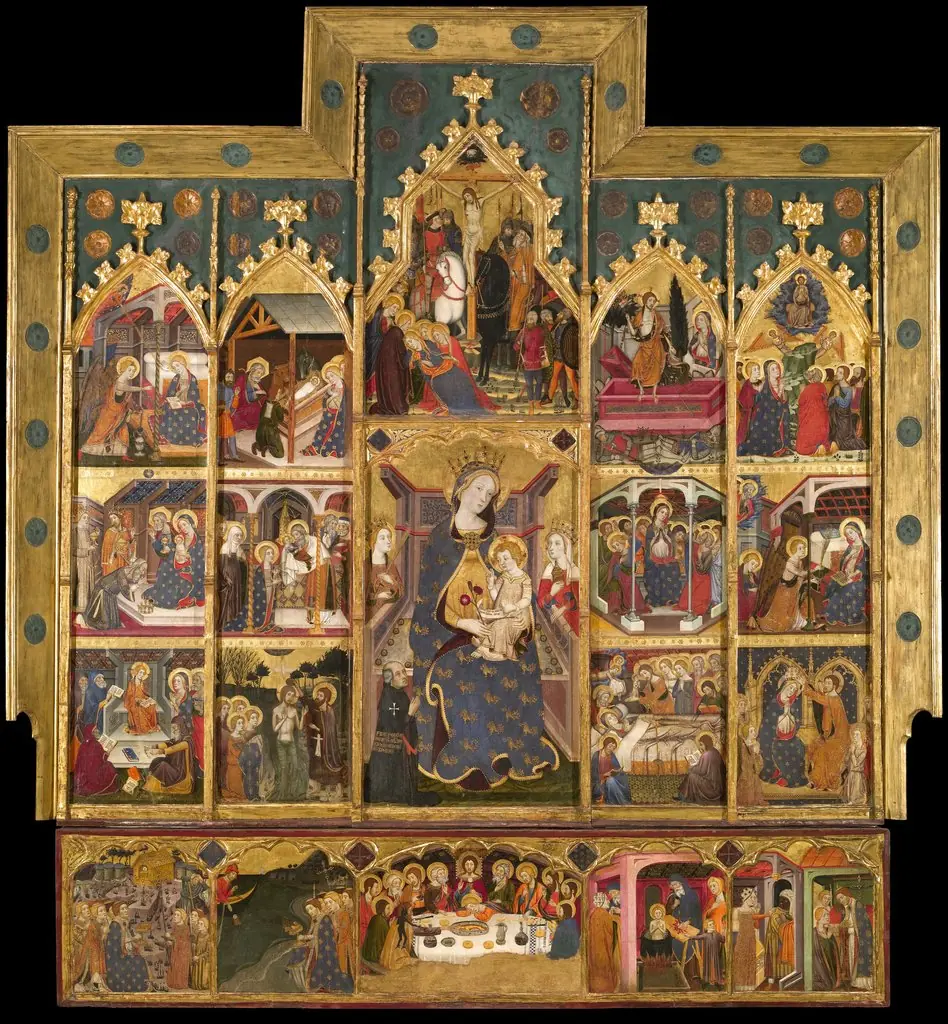 Altarpiece of the Virgin
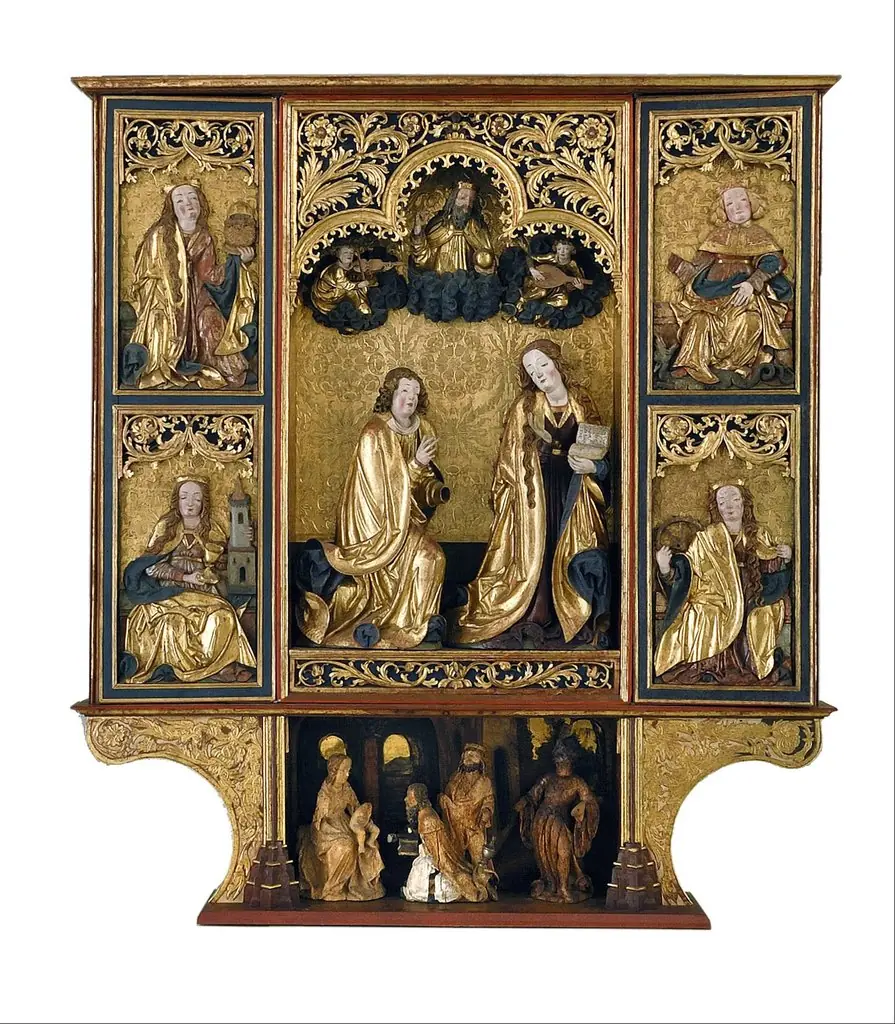 Altarpiece of the Annunciation from Kisszeben
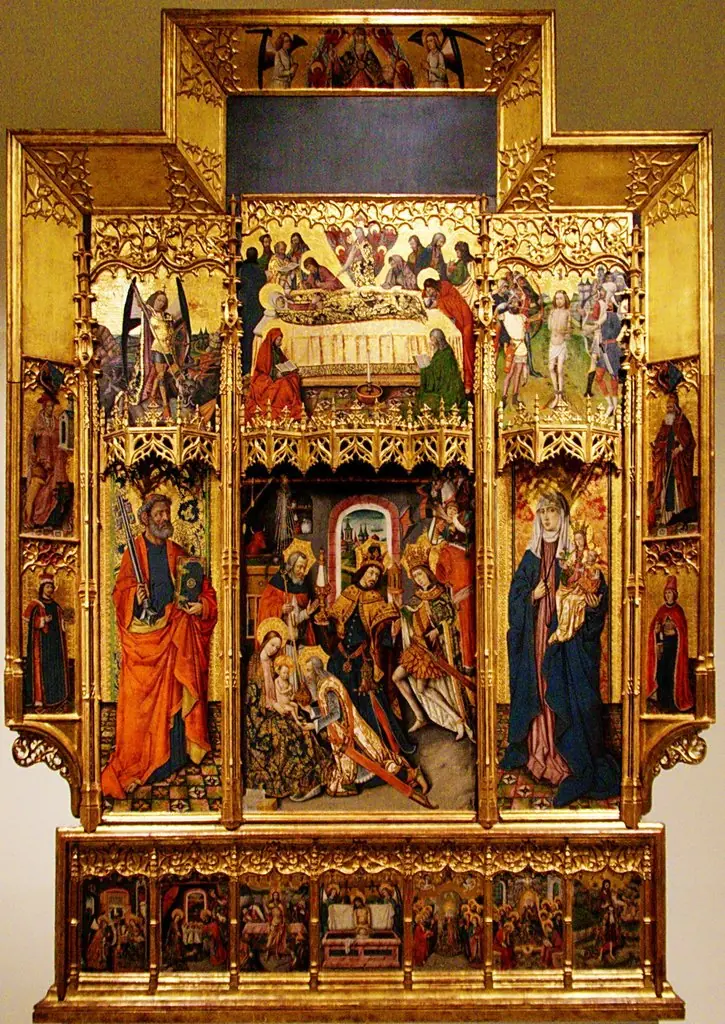 Retablo de la Epifanía
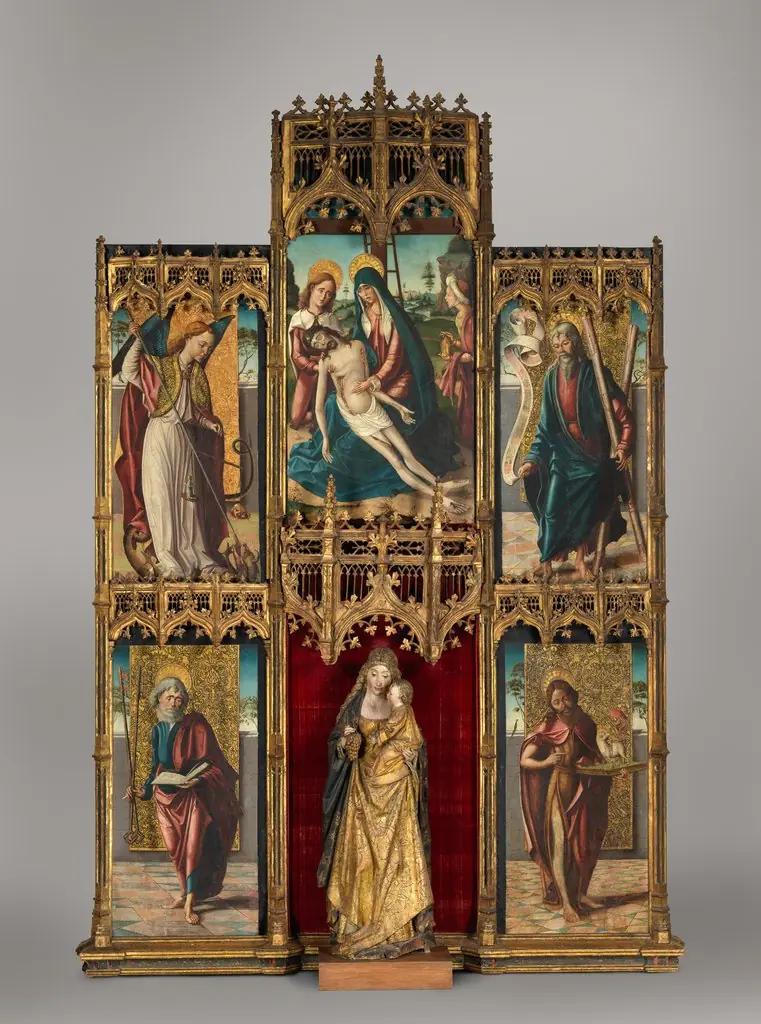 Virgin and Child with the Pietà and Saints
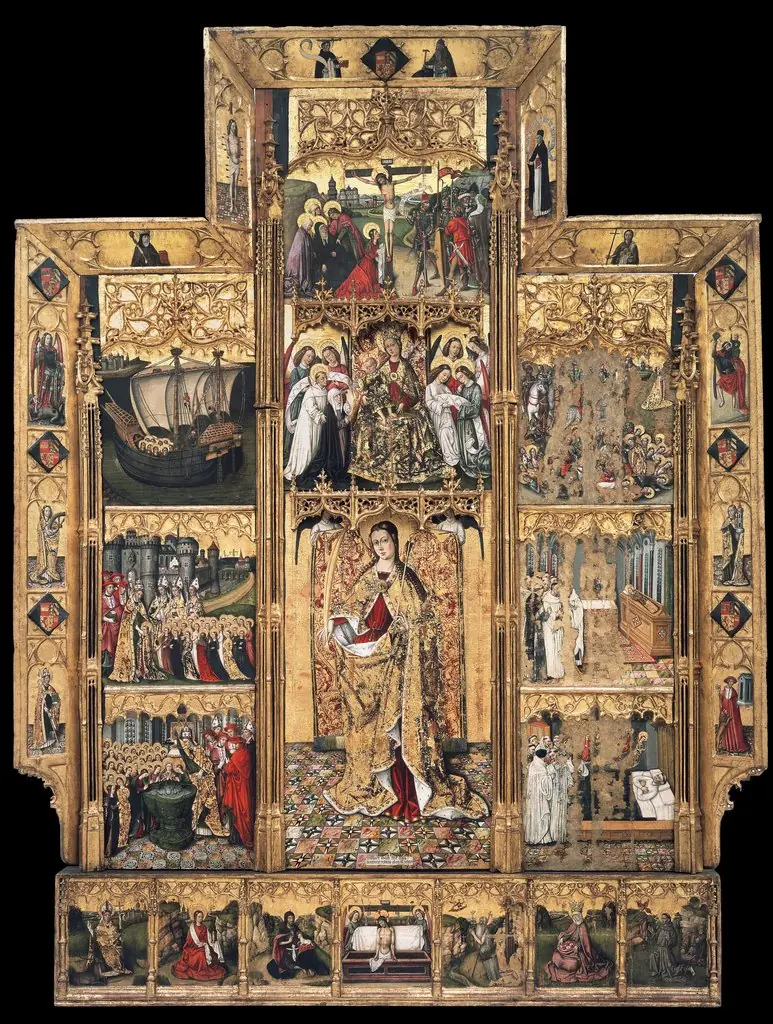 Altarpiece of Saint Ursula and the Eleven Thousand Virgins
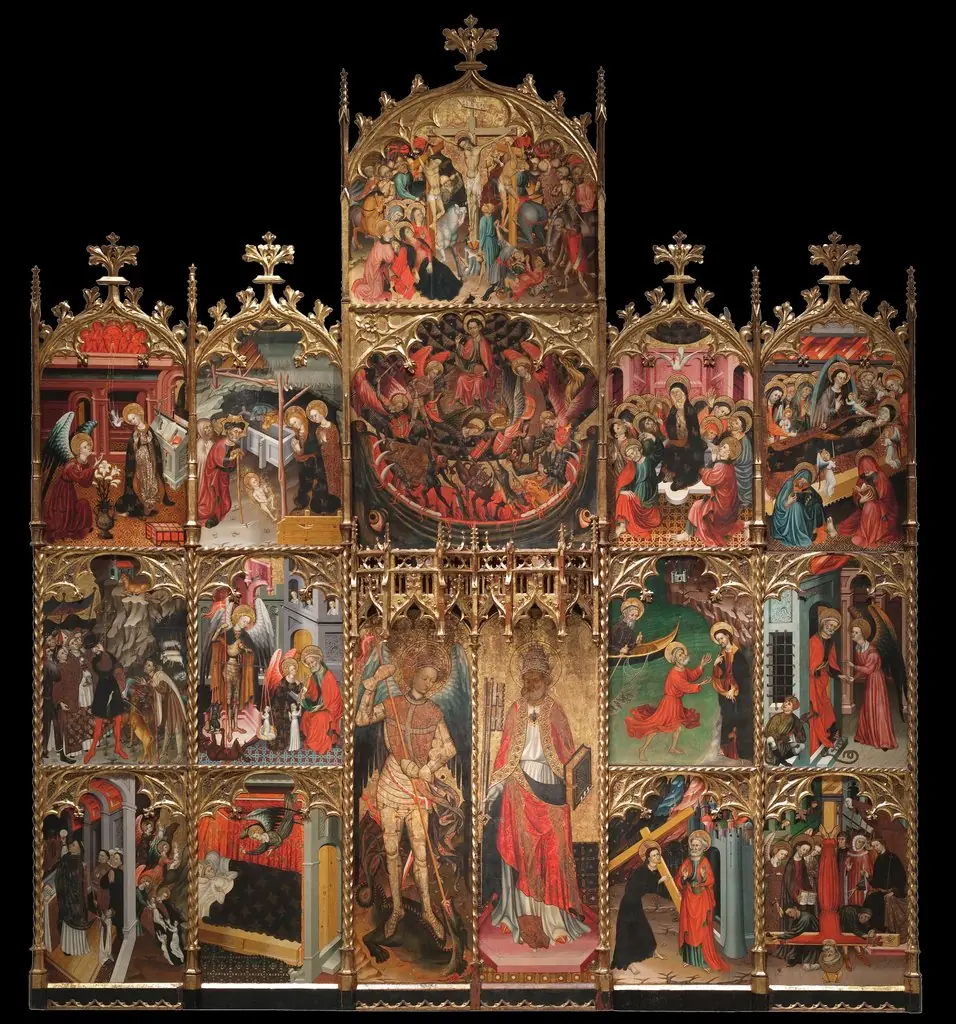 Altarpiece of Saint Michael and Saint Peter
 Winged Altarpiece
 Virgin and the Dead Christ with the Ascension and Saints