Artwork
Guy Little Theatrical Photograph
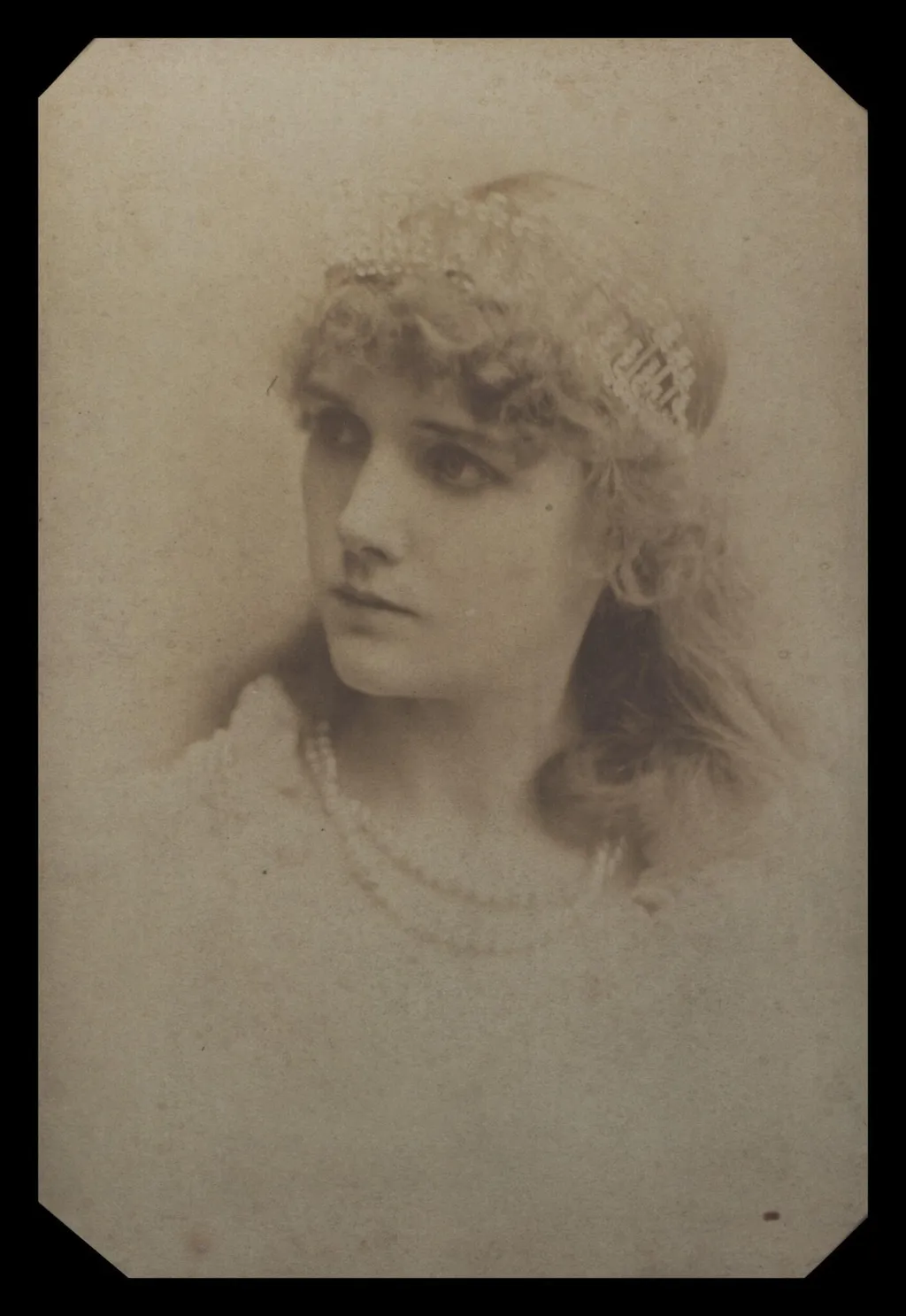
Guy Little Theatrical Photograph is a photographic photography by the Impressionist artist Alexander Bassano. It dates from 1883 and is held in the collection of the Victoria and Albert Museum.
About this work
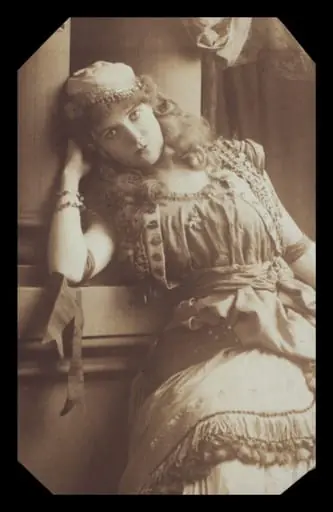
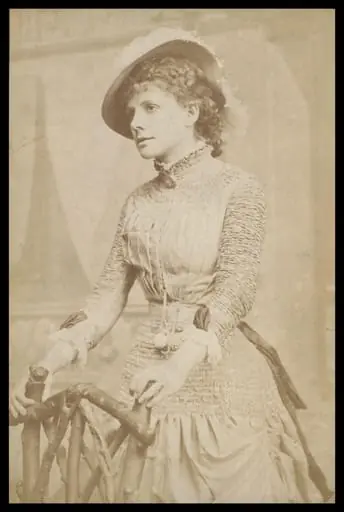
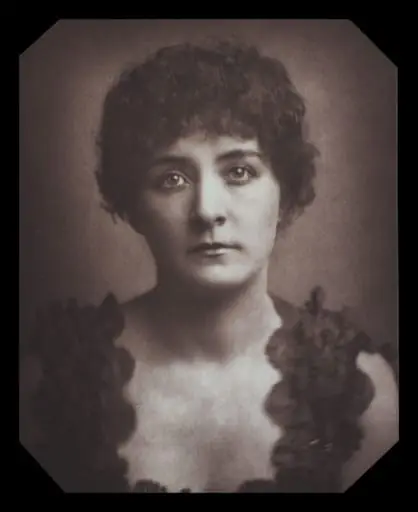
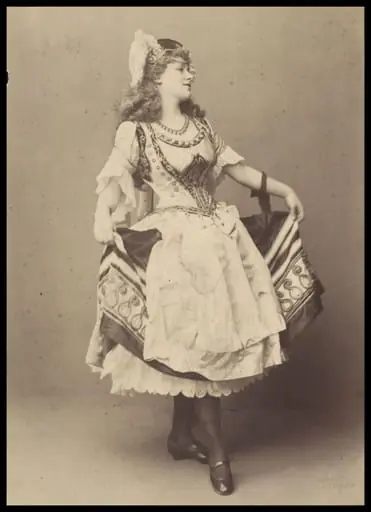
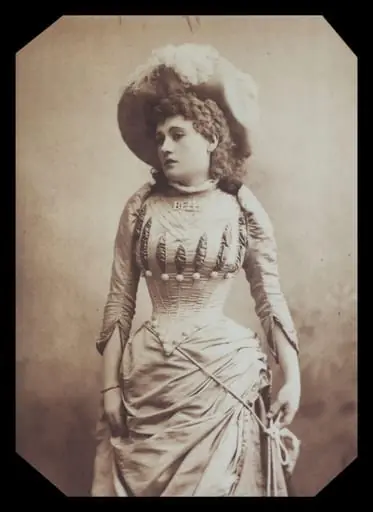
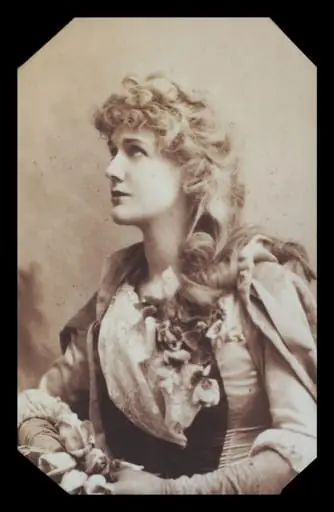
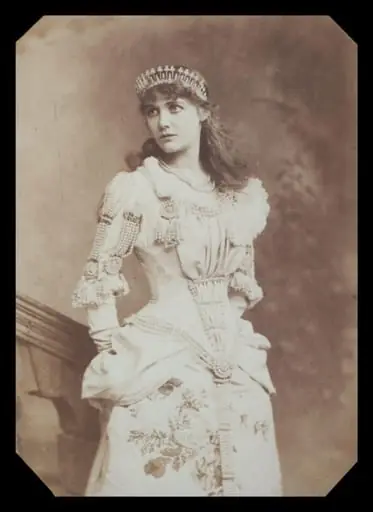
This is a black-and-white photo from 1883. It shows an actress, Marion Hood, playing Princess Blanche in a theater show. The photographer used a new glass-plate method to make this print.
Theaters in the 1800s loved these small photos as souvenirs. Collectors bought piles of them. This one was made for fans to keep in their albums.
Look up the Victoria and Albert Museum next.
Overview
Made using glass-plate negative technology, it was produced as a cabinet card—a larger, more durable format that succeeded the earlier carte de visite.
This black-and-white photograph, taken in 1883, captures Marion Hood in costume as Princess Blanche from the theatrical production The Golden Ring at London’s Alhambra Theatre. Made using glass-plate negative technology, it was produced as a cabinet card—a larger, more durable format that succeeded the earlier carte de visite. The image was later removed from its original mount and incorporated into a personal album compiled by Guy Tristram Little, a collector whose bequest significantly enriched the V&A’s theatrical holdings.
Subject & Meaning
Marion Hood portrayed Princess Blanche, a character in a popular Victorian musical drama, embodying the era’s fascination with romanticized stage heroines. The photograph served not as fine art but as a tangible memento for audiences, allowing fans to possess a visual connection to the performance. Its composition emphasizes costume and pose, reinforcing the character’s theatrical identity rather than offering psychological depth, reflecting the period’s emphasis on spectacle over realism.
Technique & Style
The image was produced using the albumen printing process on paper, derived from a glass-plate negative, a standard method in late 19th-century photography. The lighting is even and controlled, typical of studio settings, with no background detail to distract from the figure. The print’s sharpness and tonal range reflect advances in photographic chemistry and the growing professionalism of theatrical portraiture, designed for mass reproduction and personal collection.
History & Provenance
The photograph was once part of a vast personal archive assembled by Guy Tristram Little, a solicitor and avid collector of ephemera. After his death in 1953, his collection—including thousands of theatrical cartes de visite and cabinet cards—was donated to the V&A. Little had been the executor of Gabrielle Enthoven’s estate, whose own theatrical memorabilia formed the core of the museum’s theatre collection, ensuring this image’s preservation within a major institutional archive.
Context
During the 1880s, cabinet cards replaced cartes de visite as the preferred format for theatrical portraits, offering greater detail and a more substantial presence in albums. These images were widely circulated among middle-class households, functioning as both souvenirs and status objects. Theatrical photography thrived alongside rising literacy and consumer culture, turning stage performances into accessible, repeatable experiences beyond the live event.
Legacy
This photograph survives as part of one of the largest private collections of theatrical ephemera ever donated to a public institution. Its inclusion in the V&A’s holdings underscores the cultural value once placed on everyday photographic artifacts. Though once disposable, such images now provide critical insight into Victorian performance practices, audience engagement, and the material culture of theatre in the age of mechanical reproduction.
Artist & collection
Artist
Alexander Bassano took photographs of actors on stage and in costume during the late 1800s.