Artwork
Guy Little Theatrical Photograph
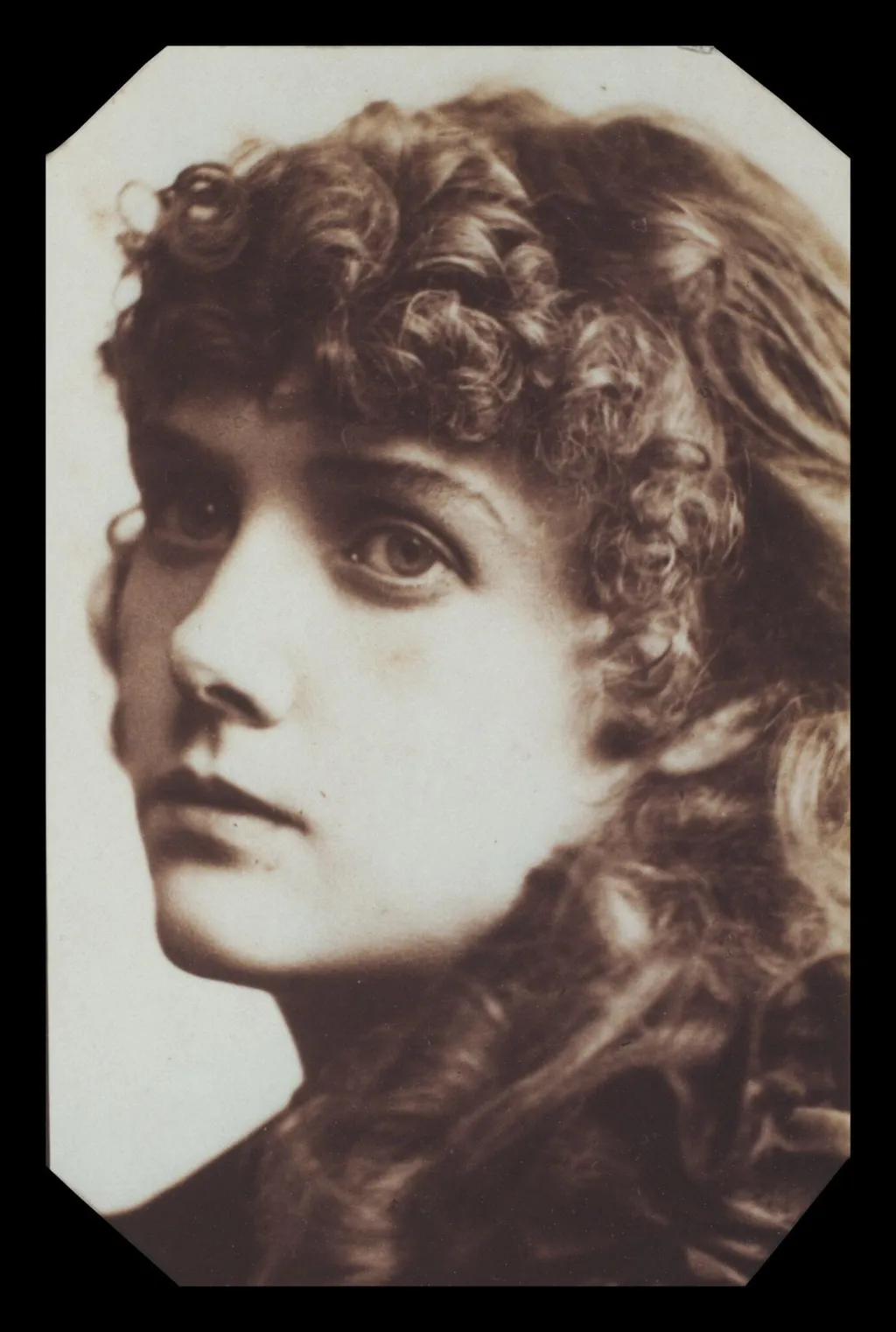
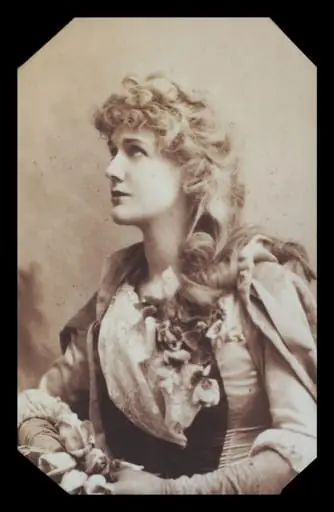
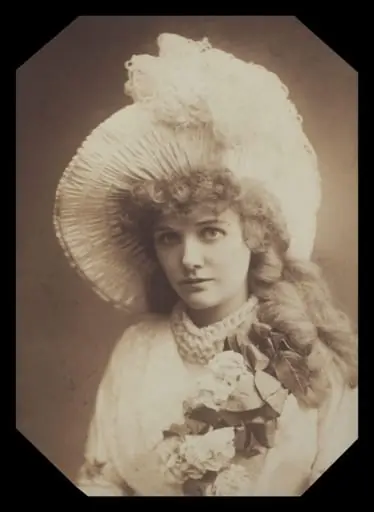
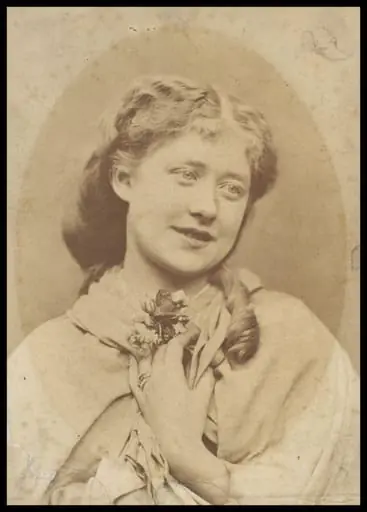
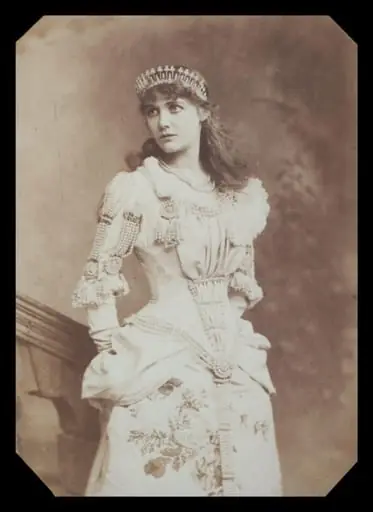
Guy Little Theatrical Photograph is a photographic photography by the Impressionist artist Alexander Bassano. It dates from 1881 and is held in the collection of the Victoria and Albert Museum.
About this work
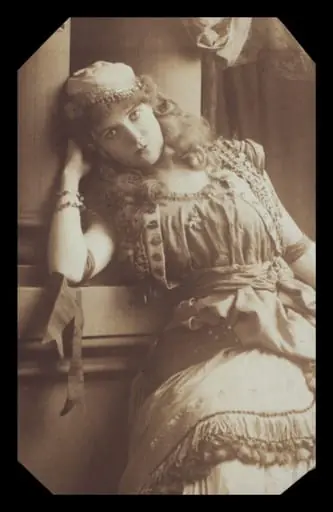
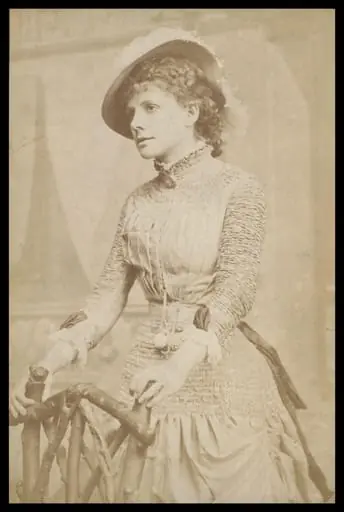
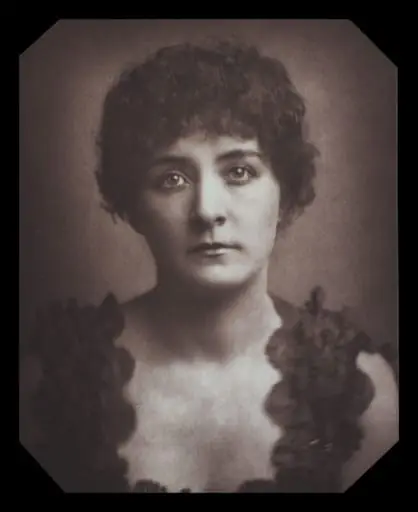
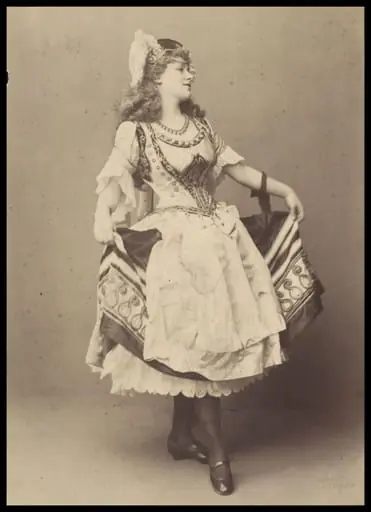
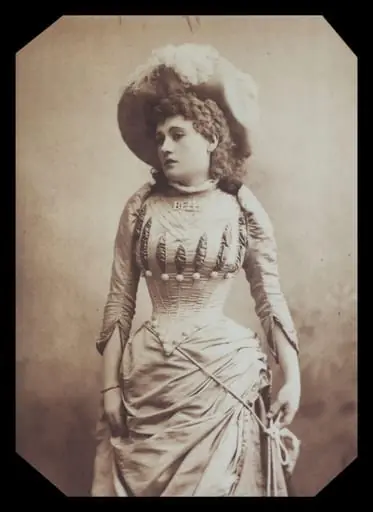
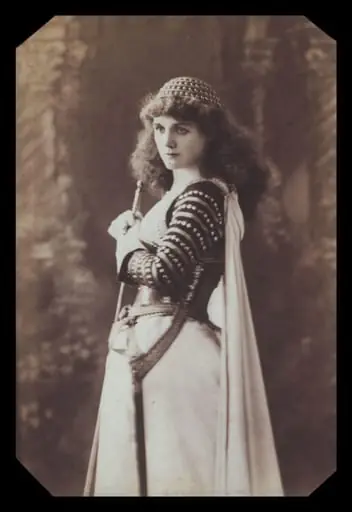
It shows Marion Hood dressed as Constance in a play called *Claude Duval* at the Olympic Theatre.
This is a black-and-white photograph from 1881. It shows Marion Hood dressed as Constance in a play called *Claude Duval* at the Olympic Theatre. The photo was taken by Alexander Bassano, who specialized in portraits of actors.
Victorian actors often posed for these images to sell as collectible cards. This one was printed on stiff card meant to be tucked into albums.
Look up the Victoria and Albert Museum to see more theatrical photos.
Overview
This black-and-white photograph, dated 1881, captures actress Marion Hood in costume as Constance from the play Claude Duval, performed at London’s Olympic Theatre. Taken by Alexander Bassano, a noted portraitist of theatrical figures, the image was produced as a cabinet card—a larger, more durable format than the earlier carte de visite. It was once part of a personal album compiled by Guy Tristram Little, a legal professional and avid collector of theatrical memorabilia, later donated to the Victoria and Albert Museum.
Subject & Meaning
Marion Hood portrayed Constance, a character in the popular Victorian melodrama Claude Duval, which dramatized the romanticized exploits of a French highwayman. The photograph preserves her stage persona, emphasizing costume and gesture over narrative context. Such images served as tangible connections between audiences and performers, allowing fans to own a fragment of theatrical experience. They reinforced the celebrity culture emerging around actors during the late 19th century.
Technique & Style
The image is an albumen print on stiff card, a standard method for cabinet cards in the 1880s. Made from glass negatives, the process yielded fine detail and tonal range suitable for portraiture. Bassano’s composition is formal, with Hood posed against a neutral backdrop, highlighting her elaborate costume and theatrical expression. The print’s clarity and controlled lighting reflect professional studio practices of the time, designed for mass reproduction and personal collection.
History & Provenance
The photograph belonged to Guy Tristram Little, a solicitor and collector who assembled a substantial archive of theatrical photographs, removing them from their original mounts and reorganizing them into curated albums. After his death in 1953, the collection was bequeathed to the V&A. Little was also the executor of Gabrielle Enthoven’s estate, whose own theatrical holdings became foundational to the museum’s Theatre Collections, linking this image to broader efforts to preserve performance history.
Context
During the late 19th century, cabinet cards replaced cartes de visite as the preferred format for theatrical portraits, reflecting growing demand for higher-quality, more durable collectibles. Photographs like this one circulated widely, serving both as souvenirs and as promotional tools for actors and theatres. The Olympic Theatre, where Claude Duval was staged, was known for its light comedies and melodramas, catering to middle-class audiences eager for accessible, emotionally engaging entertainment.
Legacy
This photograph survives as part of a significant archival collection that documents the visual culture of Victorian theatre. Its preservation within the V&A’s Theatre Collections ensures continued access for researchers studying performance, costume, and celebrity in 19th-century Britain. As a material artifact of a transient art form, it offers insight into how theatre was consumed, remembered, and archived by contemporaries.
Artist & collection
Artist
Alexander Bassano took photographs of actors on stage and in costume during the late 1800s.