Artwork
Bury St Edmunds
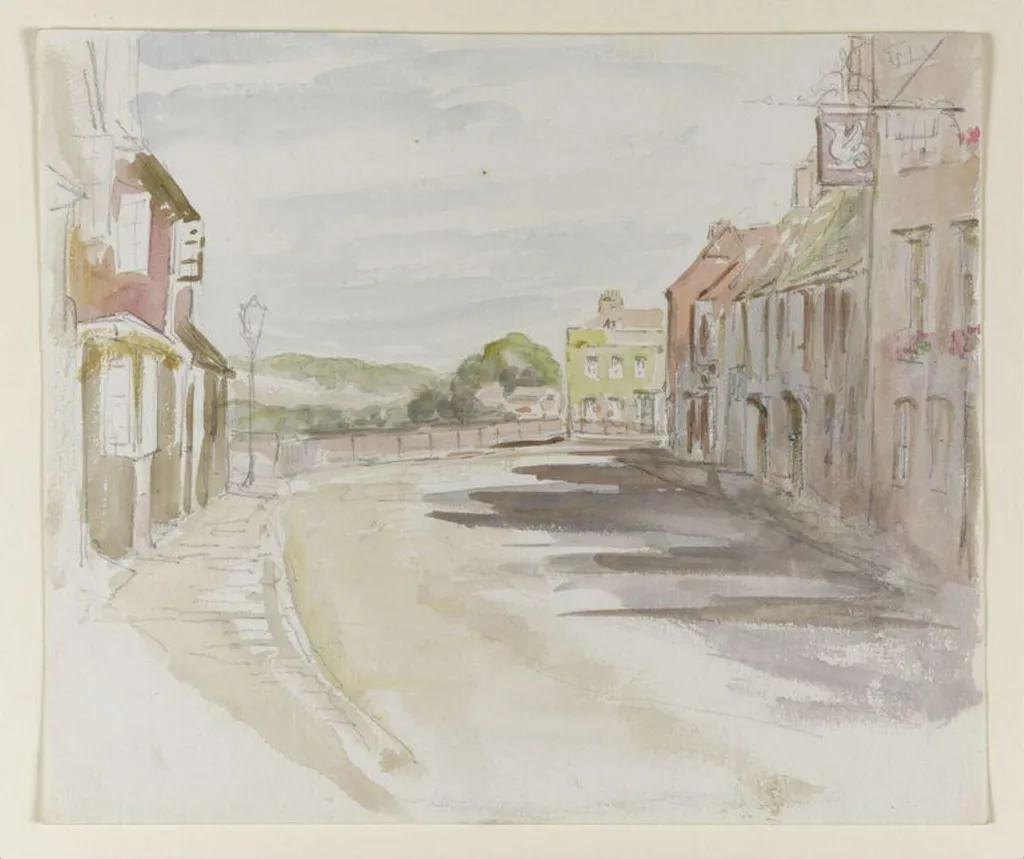
Bury St Edmunds is a watercolor work on paper by the Impressionist artist Beatrix Potter. It dates from 1906 and is held in the collection of the Victoria and Albert Museum.
About this work
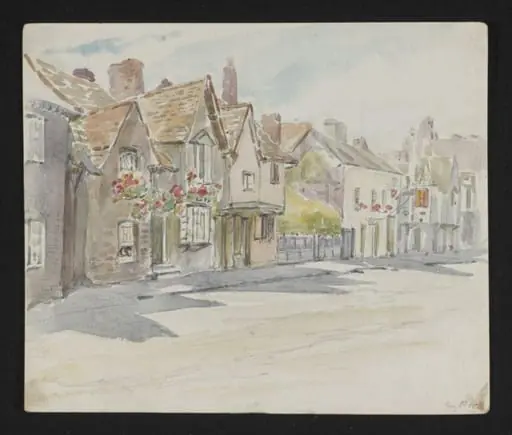
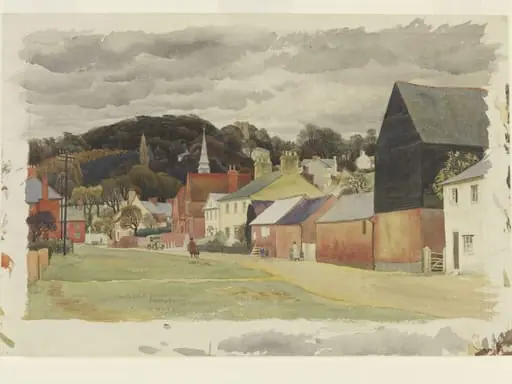
Beatrix Potter’s *Bury St Edmunds* shows a busy street scene painted in watercolour.
Beatrix Potter’s *Bury St Edmunds* shows a busy street scene painted in watercolour. It started as a pencil sketch before she added colour. The work captures a moment in Suffolk, likely drawn during her visits to relatives.
Potter made five recorded trips to Melford Hall between 1901 and 1911. This piece fits right into that timeframe.
If you like this scene, check out more watercolours by the same artist.
Overview
Bury St Edmunds is a watercolour painting by Beatrix Potter, depicting a lively street scene in Suffolk, England.
Subject & Meaning
The artwork captures a moment in time in Bury St Edmunds, likely inspired by one of Potter's visits to her relatives at Melford Hall between 1901 and 1911.
Technique & Style
Initially sketched in pencil, the piece was later enhanced with watercolour, characteristic of Potter's illustrative approach.
History & Provenance
Previously owned by Potter scholar Leslie Linder, who identified the location, the work's creation is tied to Potter's documented visits to Melford Hall.
Artist & collection
Artist
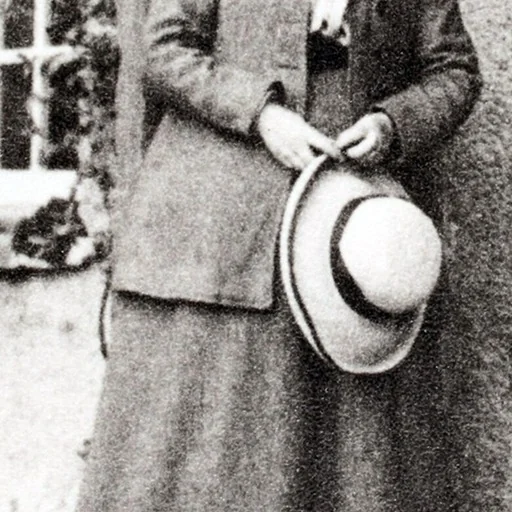
Helen Beatrix Heelis (née Potter; 28 July 1866 – 22 December 1943), usually known as Beatrix Potter ( BEE-ə-triks), was an English writer, illustrator, natural scientist, and conservationist.

 Untitled
 Beaconsfield
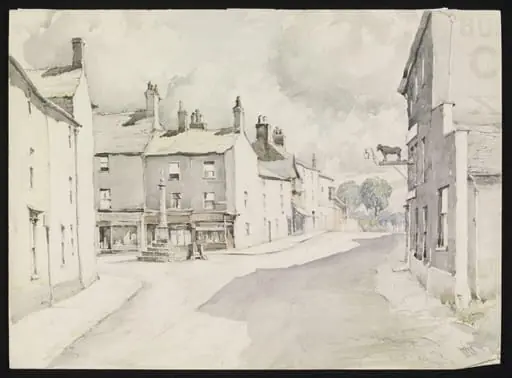 Market Place, Poulton-le-fylde, near Blackpool
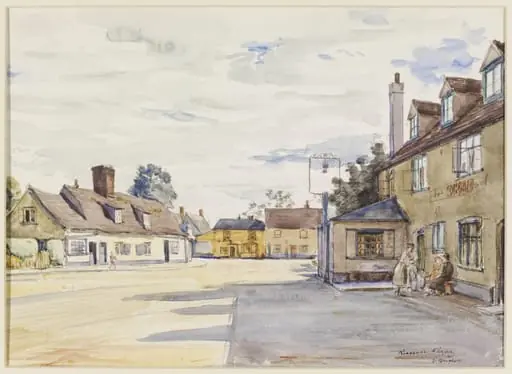 East Bergholt
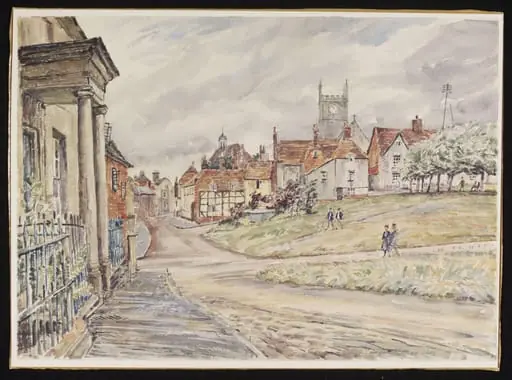 The Green and St.Mary's Church, Marlborough
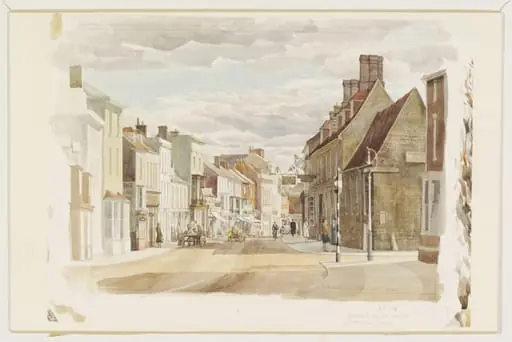 Towcester High Street from the Pomfret Arms Corner, Northamptonshire
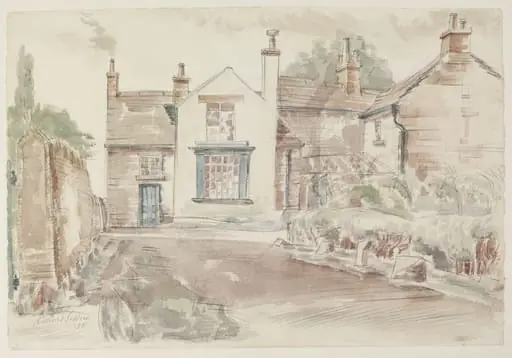 Cottages at Norton, No.1
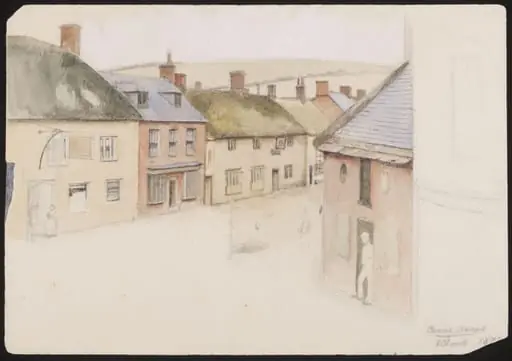 Cerne Abbas
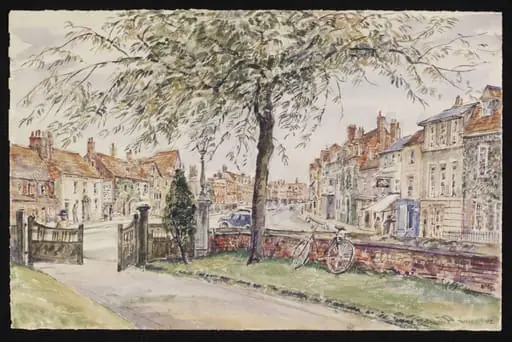 The High Street, Marlborough, from St.Peter's Churchyard
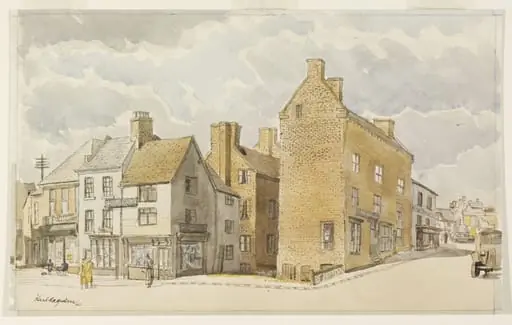 Ashbourne
 Bow Brickhill, Bletchley, Buckinghamshire
 Untitled