Artwork
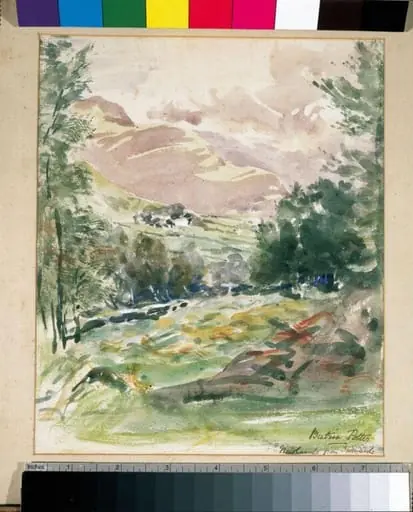
Harvest scene, Esthwaite Water
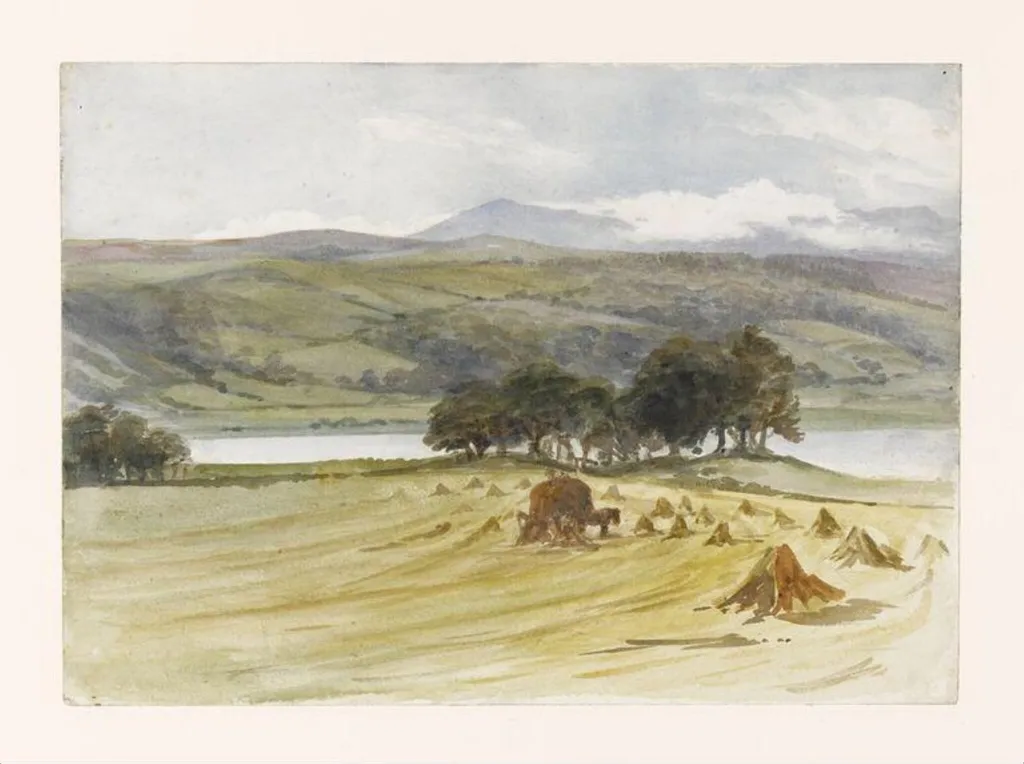
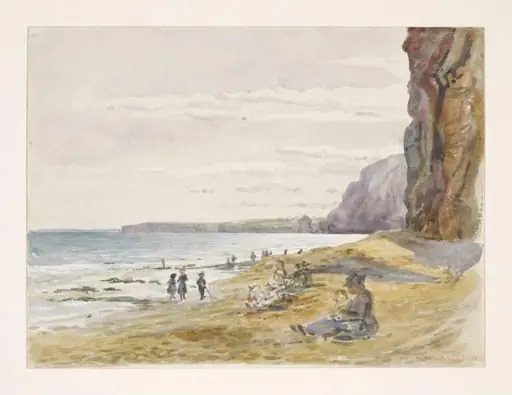
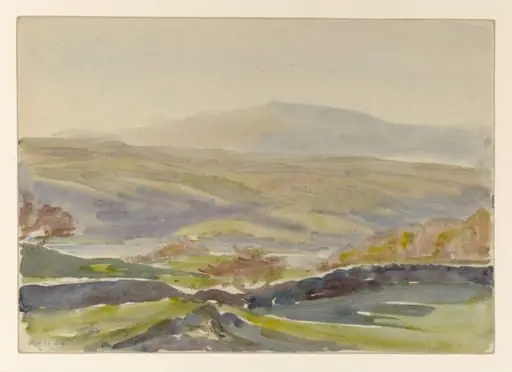
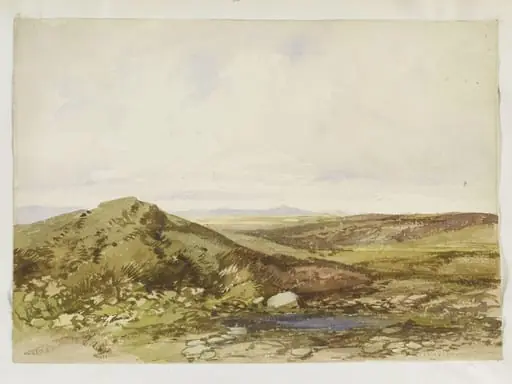
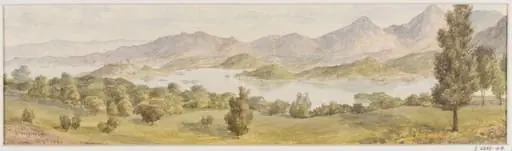
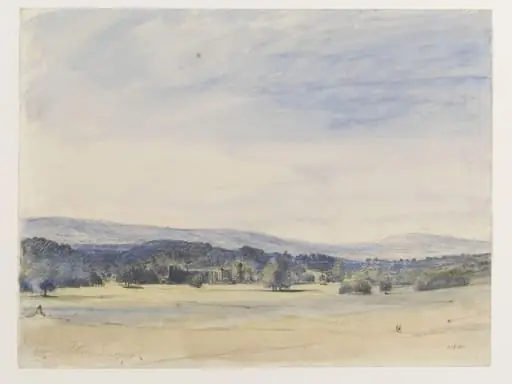
Harvest scene, Esthwaite Water is a watercolor work on paper by the Impressionist artist Beatrix Potter. It dates from 1899 and is held in the collection of the Victoria and Albert Museum. This watercolour, created between 1896 and 1902, depicts a quiet harvest scene near Esthwaite Water in the Lake District.
About this work
Beatrix Potter painted it between 1896 and 1902, using fine brushwork and soft colours typical of the Impressionist and Realist styles.
This watercolour shows a quiet lakeside harvest scene near Esthwaite Water. Beatrix Potter painted it between 1896 and 1902, using fine brushwork and soft colours typical of the Impressionist and Realist styles.
Potter knew the spot well—she first visited in 1896 and later bought Hill Top nearby. You can almost feel the quiet of an afternoon on Oatmeal Crag by the water.
For another view of her work, look up the artist Beatrix Potter.
Overview
This watercolour, created between 1896 and 1902, depicts a quiet harvest scene near Esthwaite Water in the Lake District. Executed in delicate brushwork and muted tones, it reflects Beatrix Potter’s deep engagement with the rural landscape she came to know intimately. Though best known for her children’s books, Potter was also a committed observer of nature, recording seasonal changes and agricultural life with quiet precision.
Subject & Meaning
The painting captures a field of ripened grain during harvest, framed by the still waters of Esthwaite and distant hills. It conveys no narrative, only the stillness of labor and the rhythm of the land. Potter’s focus on the working countryside—rather than pastoral idyll—reveals her respect for rural life, a theme that would later inform her conservation efforts and writings about the Lake District’s farming communities.
Technique & Style
Potter employed fine, controlled brushstrokes and translucent layers of watercolour to suggest light and atmosphere. The composition emphasizes depth, with soft gradients in the sky and water, while the foreground remains deliberately understated. Her approach aligns with late 19th-century British watercolour traditions, blending observational realism with a restrained, almost scientific attention to natural detail.
History & Provenance
The work was shared among members of a London-based drawing society, where Potter submitted it under the pseudonym 'Bunny.' The reverse bears handwritten critiques from fellow artists, many praising the atmospheric distance but questioning the foreground’s impact. These annotations offer rare insight into Potter’s engagement with the art world beyond her literary fame, revealing her willingness to seek peer feedback.
Context
Potter first visited Esthwaite Water in 1896, returning frequently until purchasing Hill Top Farm in 1905. The lake and its surroundings became central to her personal and creative life. This watercolour was made during a period when she was developing her artistic voice, balancing her scientific interests in mycology with her growing passion for landscape observation, both of which informed her later illustrations.
Legacy
Though overshadowed by her literary legacy, Potter’s landscape watercolours remain significant as records of a changing rural England. This piece exemplifies her quiet, persistent documentation of the Lake District’s working landscapes—efforts that later supported her conservation campaigns. The work stands as a testament to her dual identity as artist and steward of the land she loved.
Own this work as a print
Artist & collection
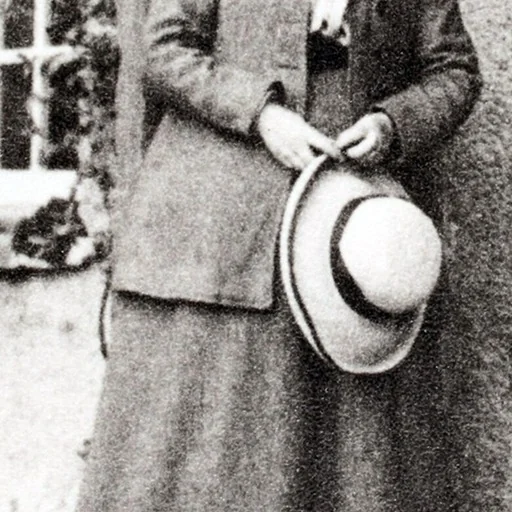
Artist
Helen Beatrix Heelis (née Potter; 28 July 1866 – 22 December 1943), usually known as Beatrix Potter ( BEE-ə-triks), was an English writer, illustrator, natural scientist, and conservationist.