Artwork
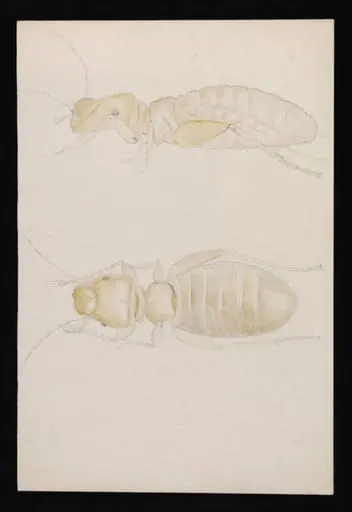
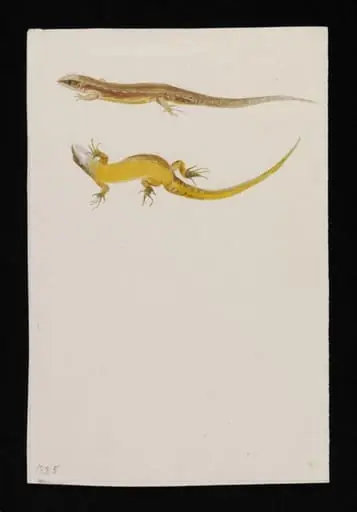
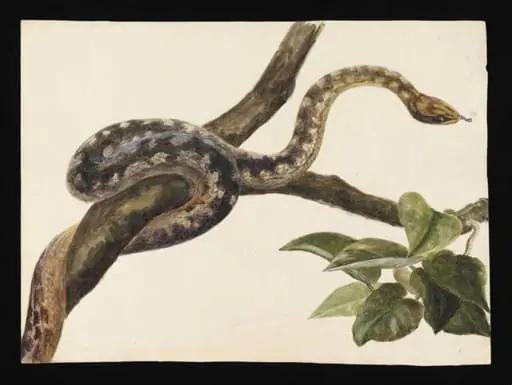
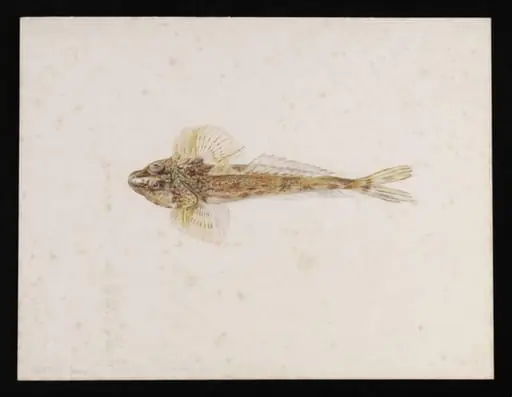
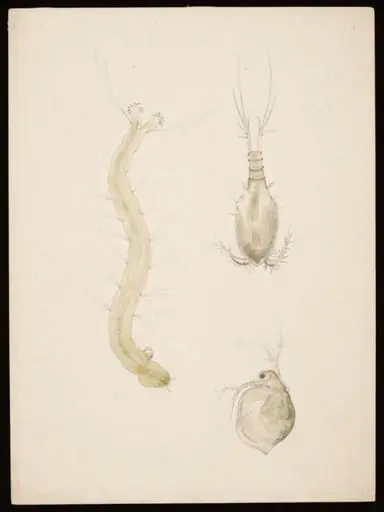
Two views of a lamprey
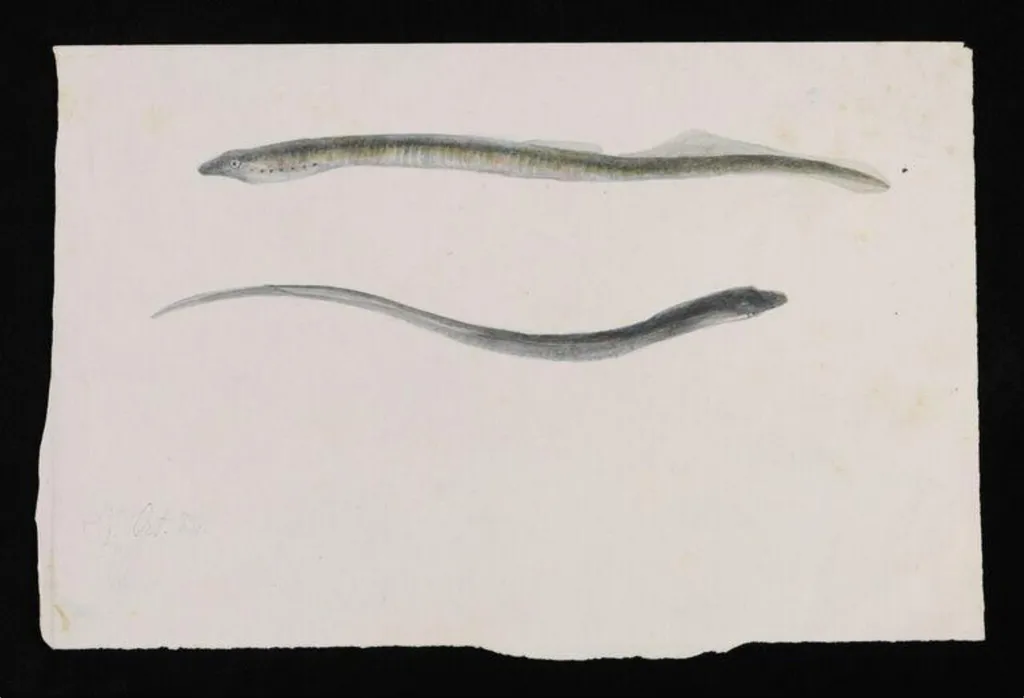
Two views of a lamprey is a watercolor work on paper by the Impressionist artist Beatrix Potter. It dates from 1884 and is held in the collection of the Victoria and Albert Museum.
About this work
Overview
Two views of a lamprey is a watercolour study created by Beatrix Potter in October 1884, when she was 18 years old. The work showcases her early interest in natural history through detailed observations of a lamprey, depicted from two distinct angles.
Subject & Meaning
The subject, a lamprey (a jawless fish), reflects Potter's focus on meticulous natural history studies. This work demonstrates her commitment to accurately capturing the physical characteristics of specimens, a trait evident in her early annotations and sketches of various animals.
Technique & Style
Executed in watercolour, the piece exhibits Potter's observational skills and ability to render anatomical details. The choice of depicting the subject from two views underscores her scientific approach, prioritizing thoroughness over aesthetic composition.
History & Provenance
Created in 1884, this watercolour is part of Potter's early body of work, preceding her famous children's books by nearly two decades. It was produced during a period of intense natural history study, influenced by her access to the Natural History Museum and personal specimen collection.
Context
This work is contextualized within Potter's broader practice of natural history illustration, informed by her microscope and magnifying glass observations. It aligns with her summer and schoolroom sketching activities, where she drew various pets and countryside fauna.
Artist & collection
Artist
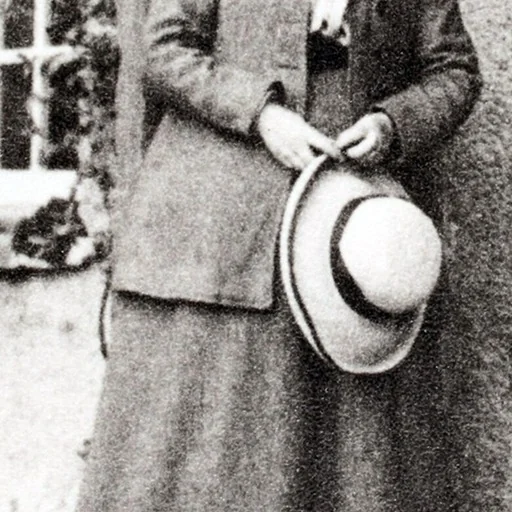
Helen Beatrix Heelis (née Potter; 28 July 1866 – 22 December 1943), usually known as Beatrix Potter ( BEE-ə-triks), was an English writer, illustrator, natural scientist, and conservationist.