Artwork
L'amour frivole
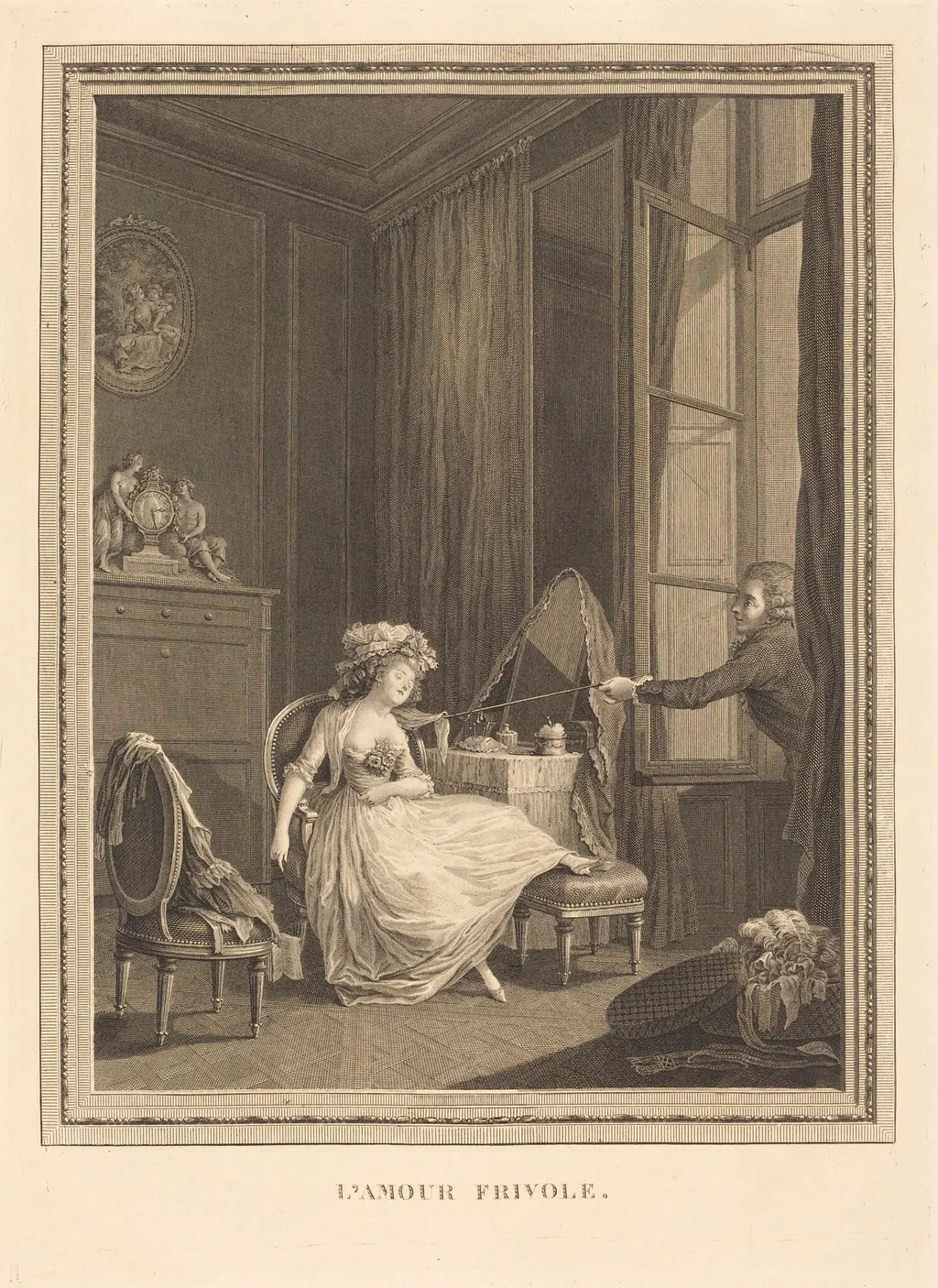
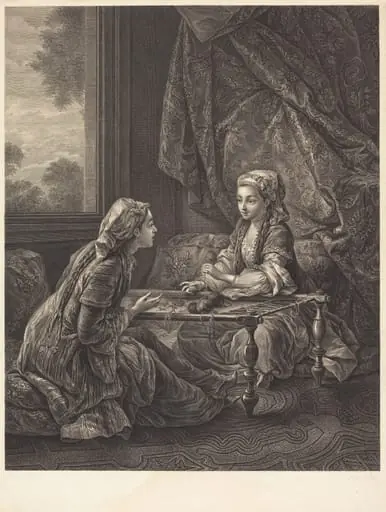
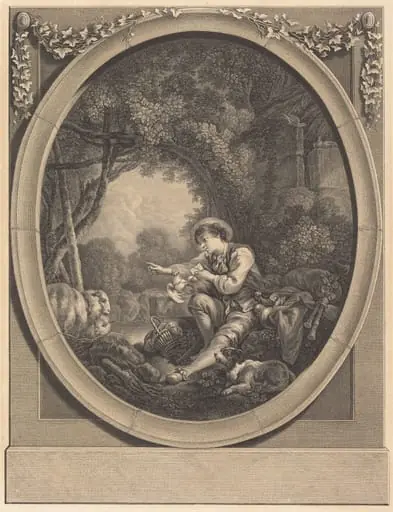
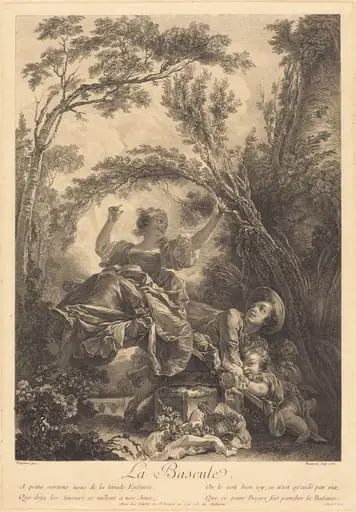
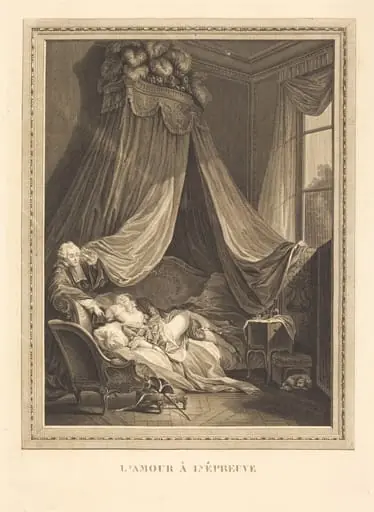
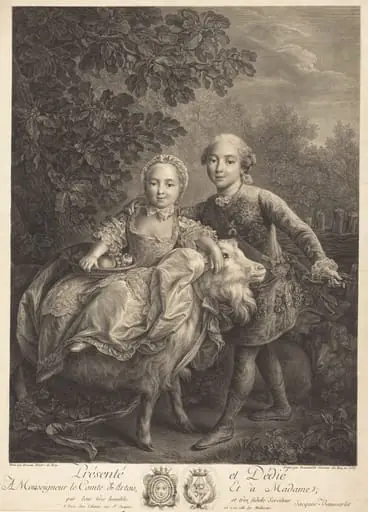
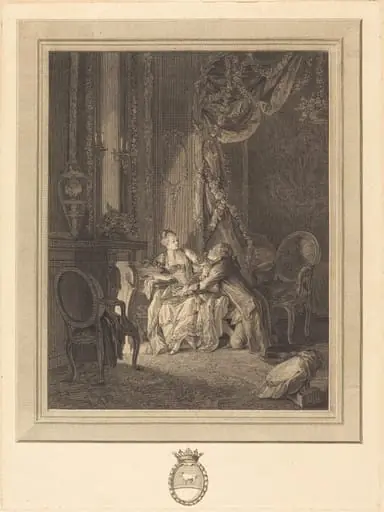
L'amour frivole is an ink print by the Baroque artist Jacques-Firmin Beauvarlet. It dates from 1764 and is held in the collection of the National Gallery of Art. Jacques‑Firmin Beauvarlet’s 1764 engraving *L’amour frivole* depicts an interior scene of genteel leisure.
About this work
Overview
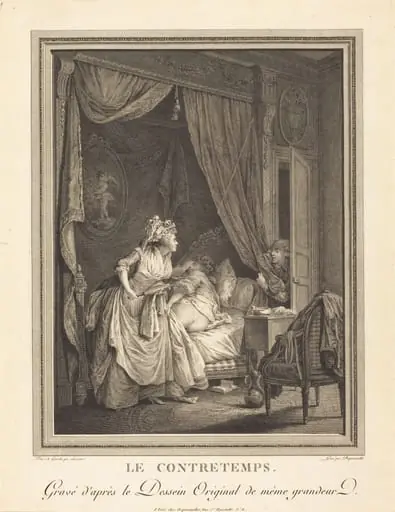
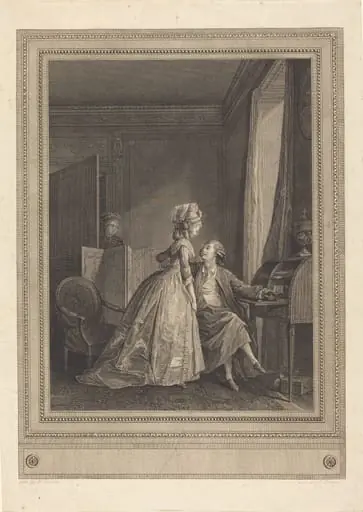
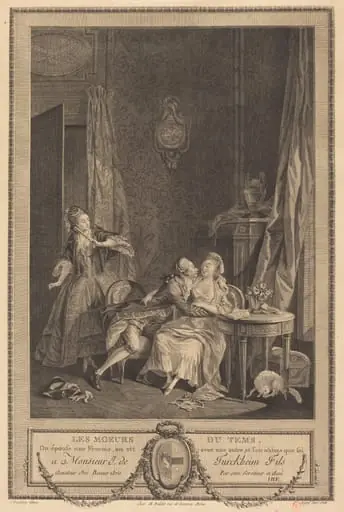
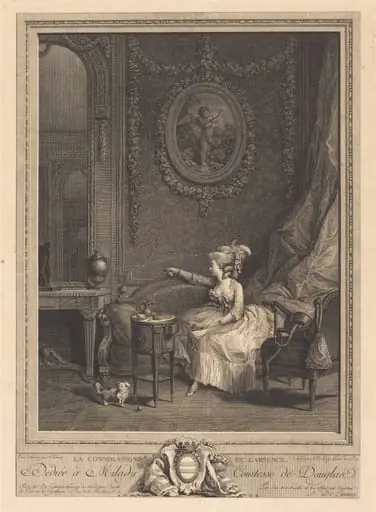
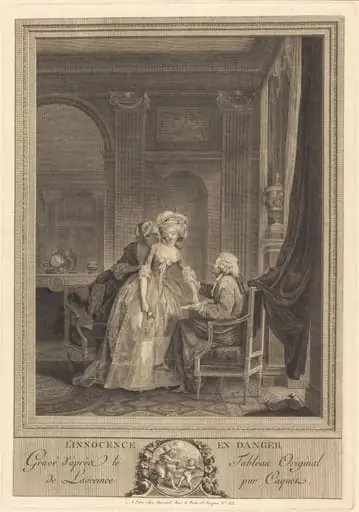
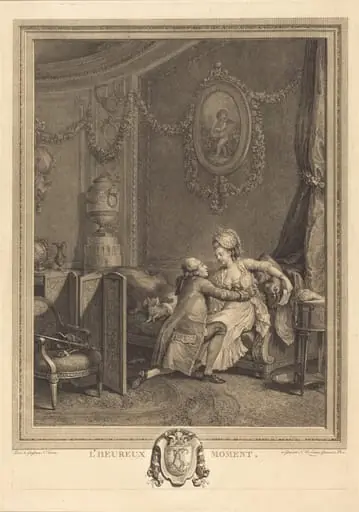
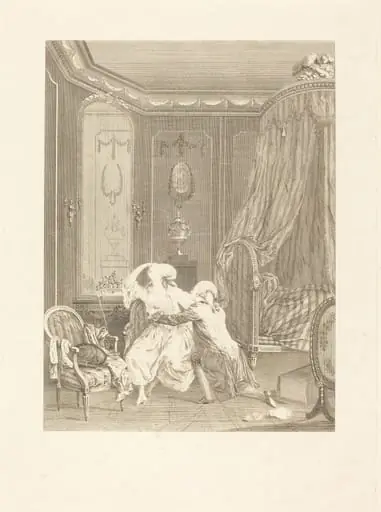
Jacques‑Firmin Beauvarlet’s 1764 engraving *L’amour frivole* depicts an interior scene of genteel leisure. The composition is framed by heavy drapery and carved wooden furnishings, with a mirror reflecting part of the space. A woman in an elaborate gown and floral hat sits at a small table, fan in hand, while a man in a long coat stands near an open window, holding a paper.
Subject & Meaning
The title, translating to “frivolous love,” suggests a light‑hearted romantic encounter. The woman’s poised posture and the man’s casual stance, combined with the intimate setting, convey a moment of flirtation rather than solemn affection, reflecting eighteenth‑century notions of courtly playfulness.
Technique & Style
Beauvarlet employs fine, cross‑hatched lines to render texture and shadow, giving depth to the velvet dress, the sheen of the mirror, and the floral arrangements. The precision of the engraving highlights intricate details such as the carved wood and the delicate folds of fabric, characteristic of mid‑century French printmaking.
History & Provenance
Created in 1764, the print belongs to Beauvarlet’s mature period, when he was active in Paris producing erotic and genre scenes for the burgeoning market of affordable art. Copies of *L’amour frivole* circulated among collectors of the time, though specific ownership records remain scarce.
Artist & collection