Artwork
Dancing Town (The Top of the World)
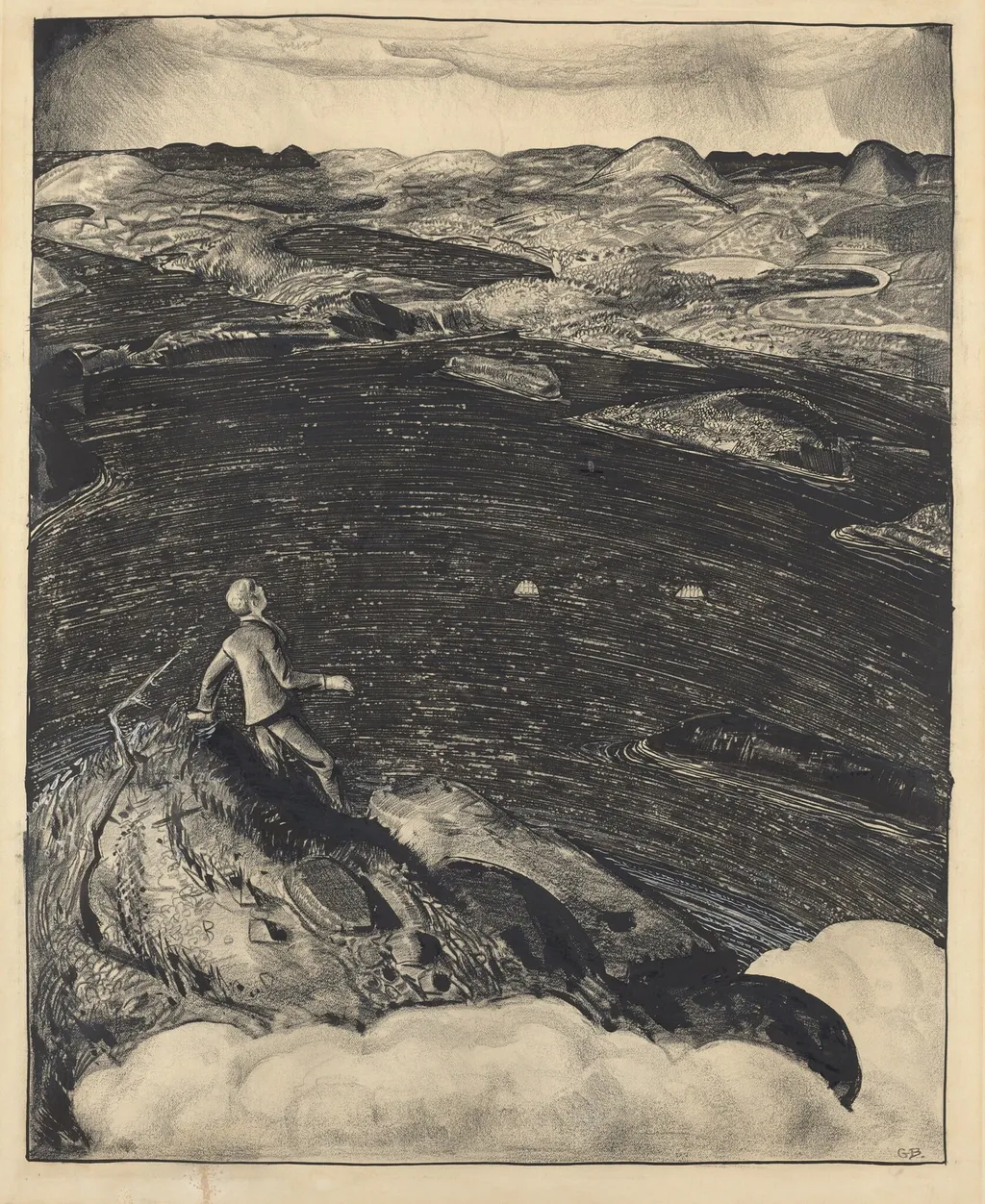
Dancing Town (The Top of the World) is an ink drawing by George Bellows. It dates from 1922 and is held in the collection of the National Gallery of Art.
About this work
Overview
George Bellows’ 1922 drawing, titled Dancing Town (The Top of the World), is executed on wove paper with a combination of black chalk, pen, brush, black ink, and white ink applied over graphite. The work is held in the collection of the National Gallery of Art in Washington, D.C., and exemplifies Bellows’ interest in atmospheric landscape studies rendered in monochrome.
Subject & Meaning
The composition presents a solitary figure in a suit and hat, standing on an elevated ridge and holding a cane. The figure looks outward toward a series of undulating hills and distant mountains, evoking a moment of quiet reflection amid an expansive, wintry terrain. The muted palette and solitary presence suggest contemplation of scale and place.
Technique & Style
Bellows employs bold, expressive lines and varied brushstrokes to delineate forms, while the interplay of black and white ink creates strong contrasts of light and shadow. Scratching through the graphite base reveals underlying tones, adding texture and depth. The drawing’s gestural quality aligns with Bellows’ broader practice of using line to convey atmosphere.
History & Provenance
Created in 1922, Dancing Town (The Top of the World) entered the National Gallery of Art’s holdings through acquisition (or donation) in the mid‑20th century, though specific details of its earlier ownership remain limited. Its presence in the museum’s collection underscores the institution’s commitment to representing Bellows’ diverse output beyond his more widely known oil paintings.
Artist & collection
Artist
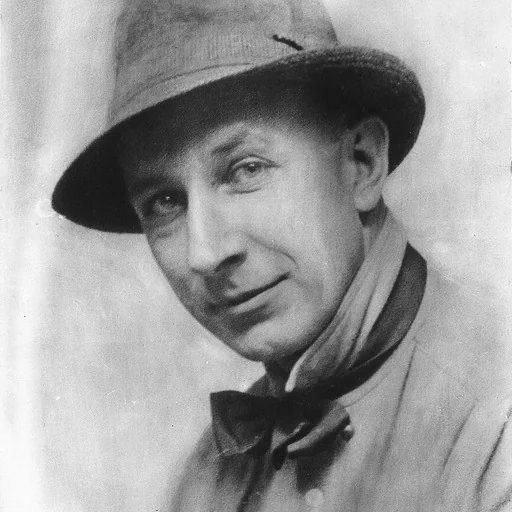
George Wesley Bellows (August 12 or August 19, 1882 – January 8, 1925) was an American realist painter, known for his bold depictions of urban life in New York City.

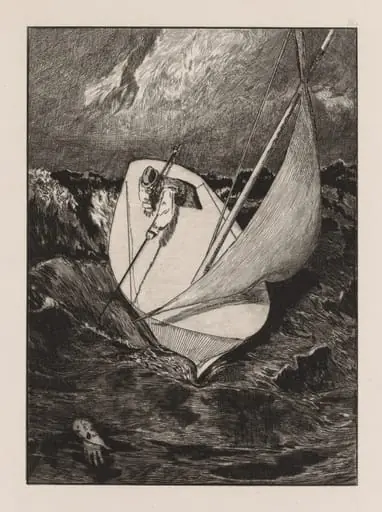 A Glove: The Rescue
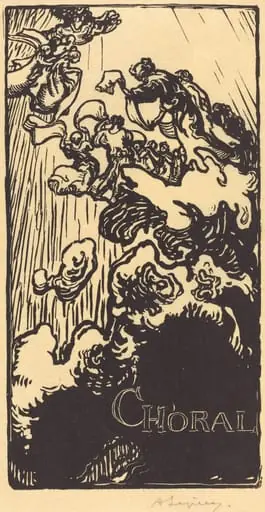 Choral
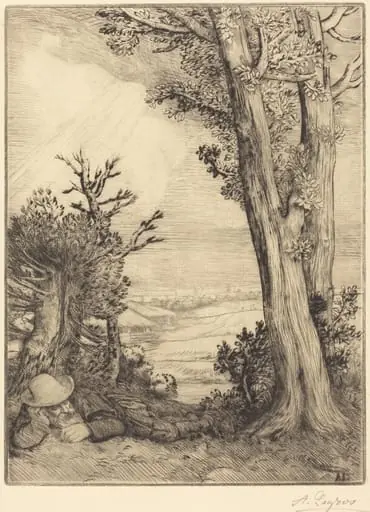 Siesta in the Country (Sieste dans la campagne)
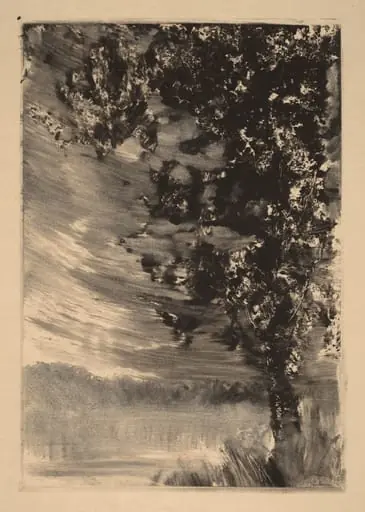 Moonlit Landscape with Tree at the Right
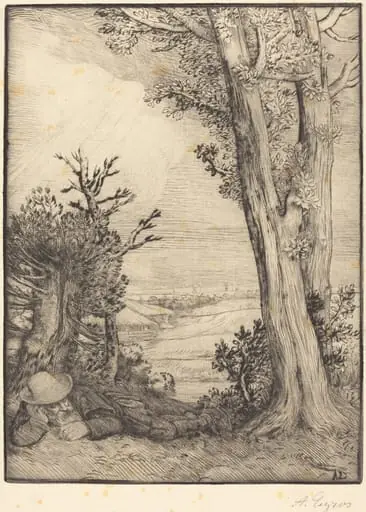 Siesta in the Country (Sieste dans la capagne)
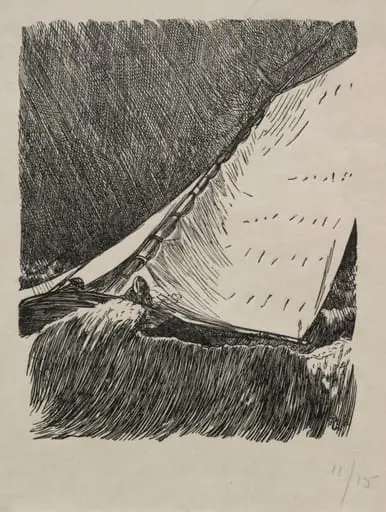 Second Thoughts
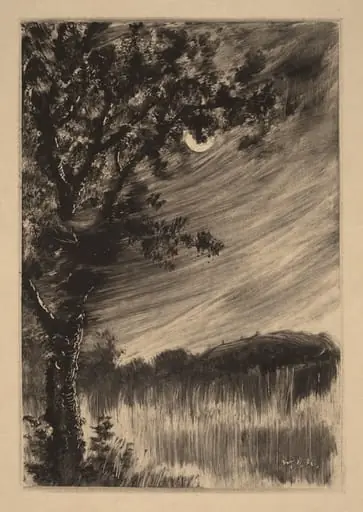 Moonlit Landscape with Tree at the Left
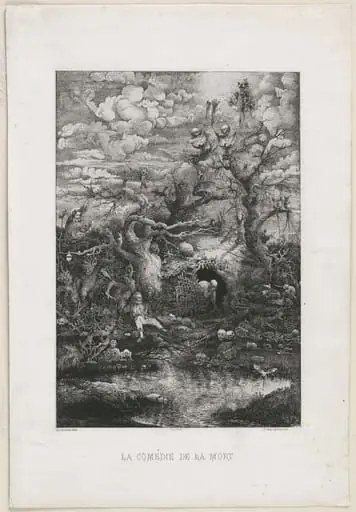 Untitled
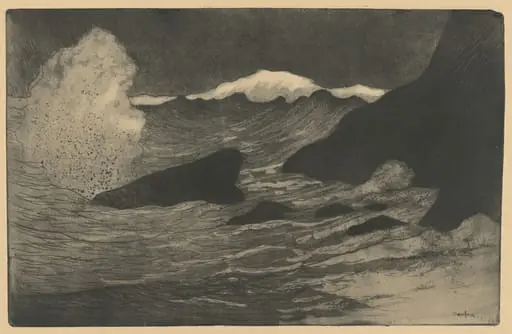 The Wave (La Vague)
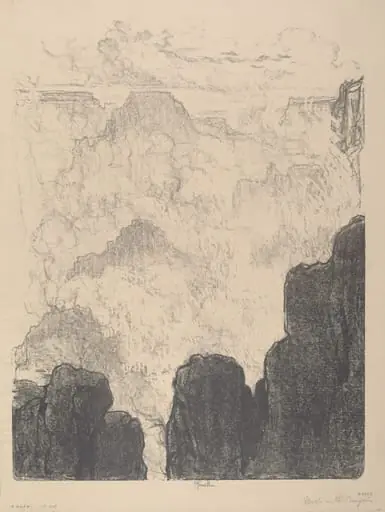 Mists in the Canyon, No.II
 The Bookplate of the Printer's Devil
 Christ on the Mount of Olives