Artwork
Second Thoughts
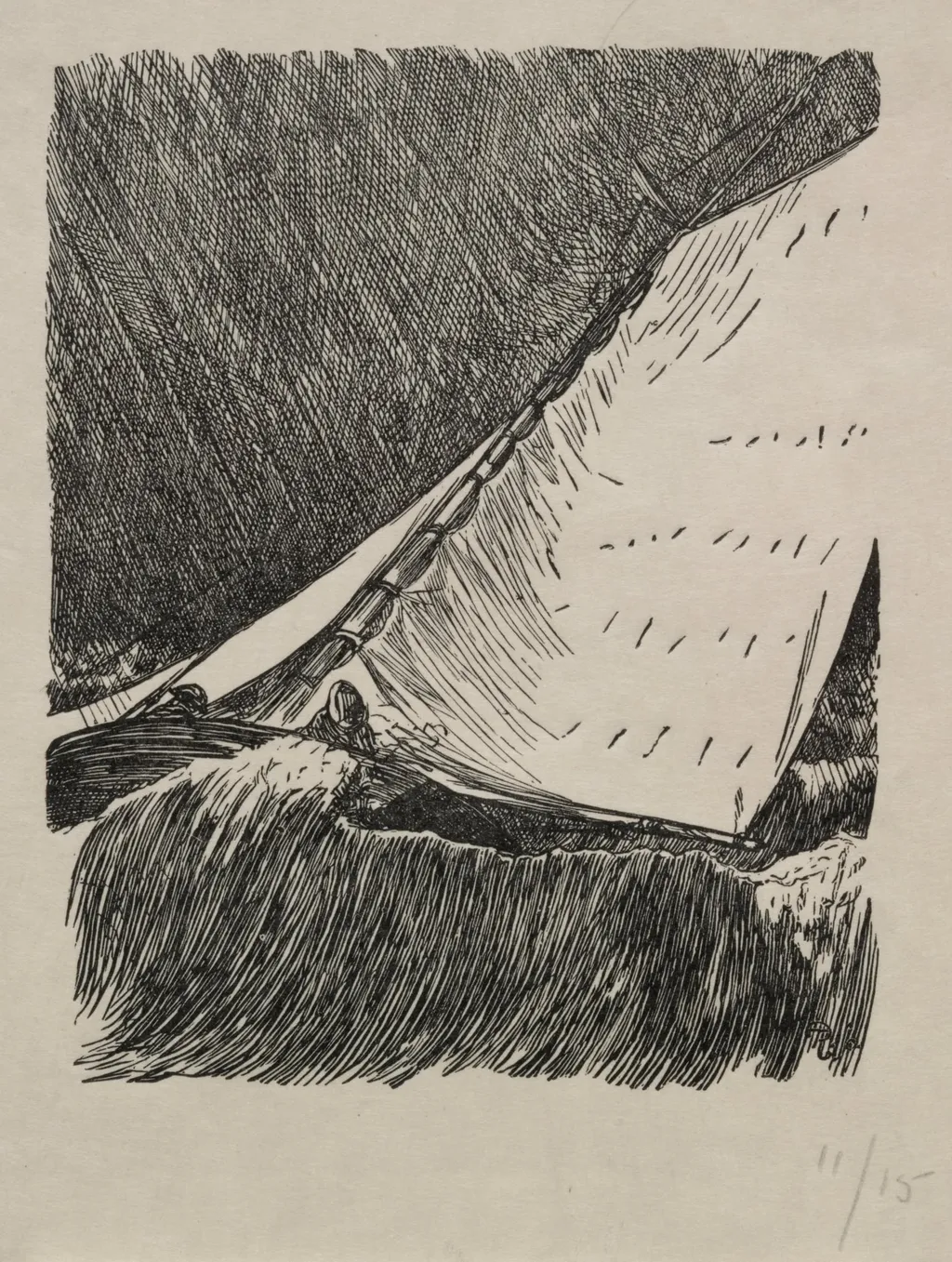
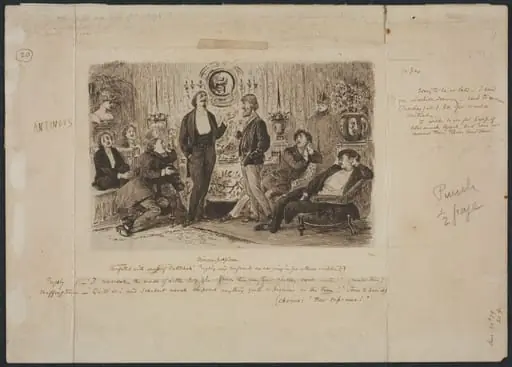
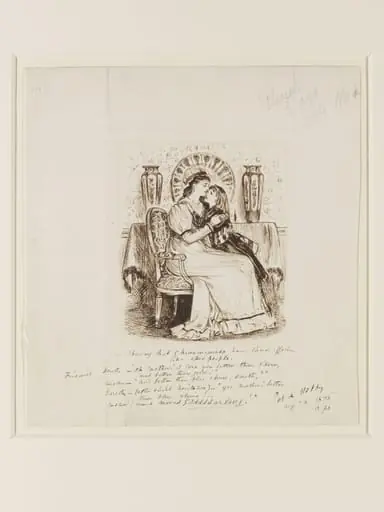
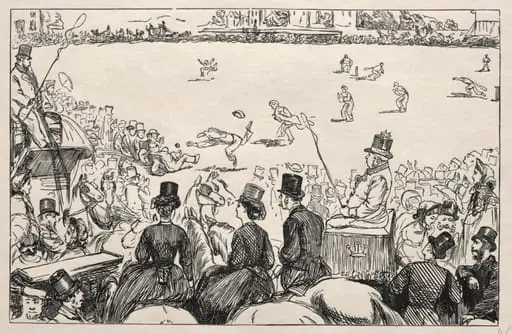
Second Thoughts is a print by the Impressionist artist George Louis Palmella Busson Du Maurier. It dates from 1866 and is held in the collection of the Cleveland Museum of Art.
About this work
Overview
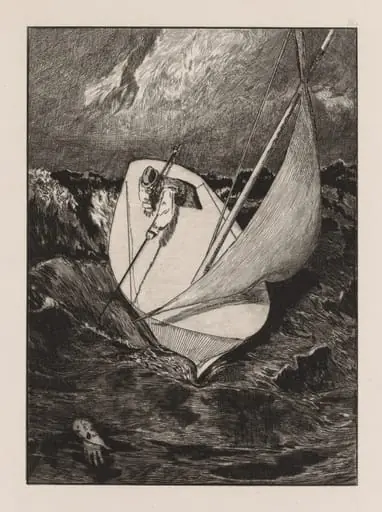
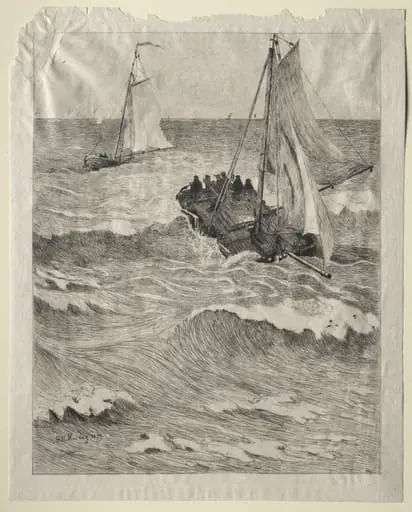
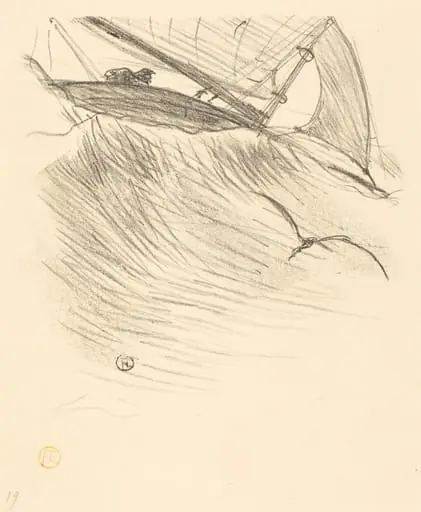
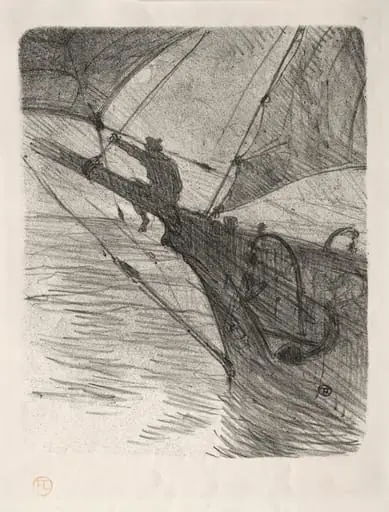
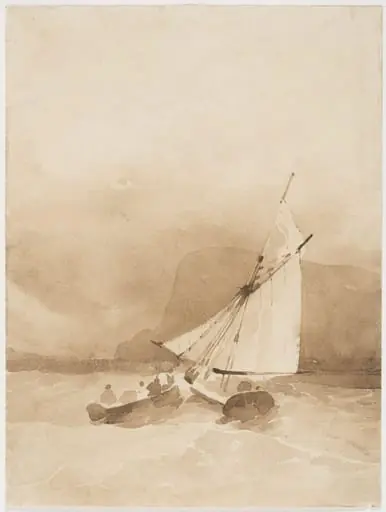
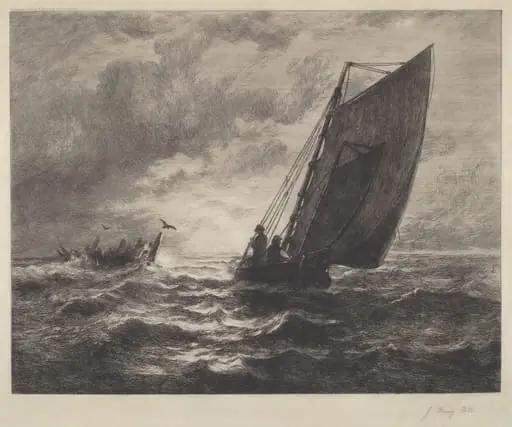
Second Thoughts, an 1866 print by George Louis Palmella Busson Du Maurier, presents a dynamic maritime scene. Contrary to the initial domestic interpretation, the artwork depicts a small, tilted boat on rough, fast-moving water, with a loose sail and a forward-leaning mast, conveying struggle against the wind.
Subject & Meaning
The subject of Second Thoughts appears to be the turmoil of the natural world, potentially symbolizing inner turmoil or conflict, juxtaposed against the initial expectation of a Victorian domestic scene. The intense depiction may reflect Du Maurier's penchant for blending observation with subtle commentary.
Technique & Style
Du Maurier employed expressive techniques in Second Thoughts: quick, jagged lines for waves, and extensive cross-hatching to create textured shadows, particularly on the sail. This method imbues the drawing with a 'scratchy, almost urgent feel', characteristic of his illustrative approach.
History & Provenance
Created in 1866 by George Louis Palmella Busson Du Maurier, a French-British artist known for his work in *Punch* magazine and novels like *Trilby*, Second Thoughts is currently part of The Cleveland Museum of Art's collection.
Context
While Du Maurier is often associated with Victorian social observation, Second Thoughts diverges by focusing on a maritime struggle. It may still reflect the era's broader themes of resilience against adversity, though its subject differs from typical domestic scenes of the time.
Legacy
As part of Du Maurier's diverse oeuvre, Second Thoughts contributes to the understanding of his range beyond literature and satirical illustration, highlighting his capacity for capturing dynamic natural scenes with expressive technique.
Artist & collection
Artist
George Louis Palmella Busson Du Maurier
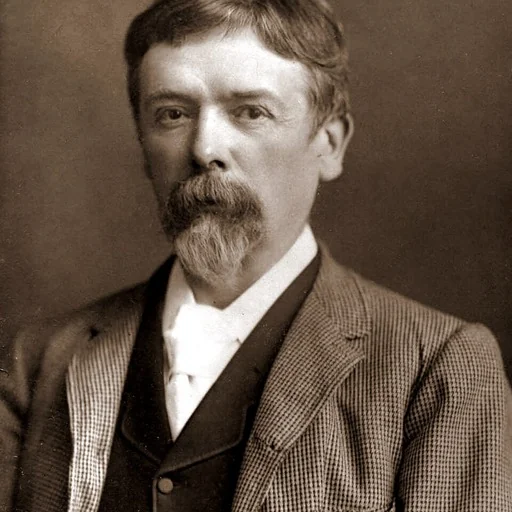
George Louis Palmella Busson du Maurier (French: ; 6 March 1834 – 8 October 1896) was a French-British cartoonist, illustrator, and novelist.