Artwork
H Beard Print Collection
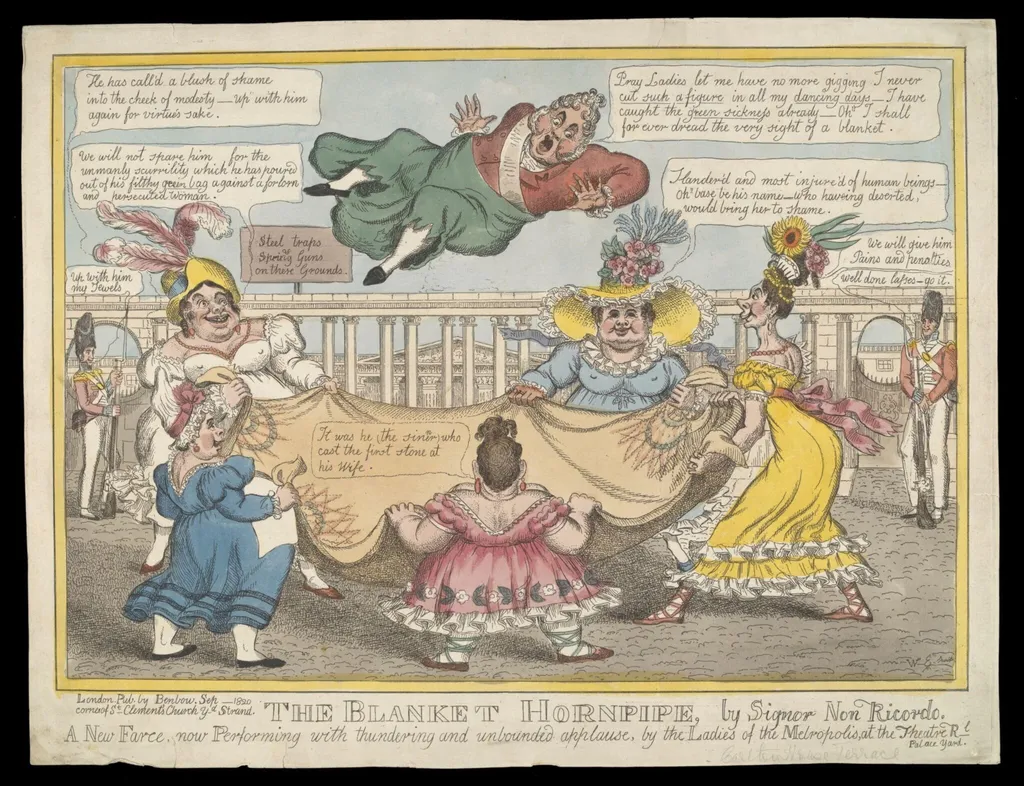
H Beard Print Collection is a print by the Romanticist artist William Benbow. It dates from 1820 and is held in the collection of the Victoria and Albert Museum.
About this work
This print is called 'H Beard Print Collection' by William Benbow.
It's from 1820 and is a genre scene.
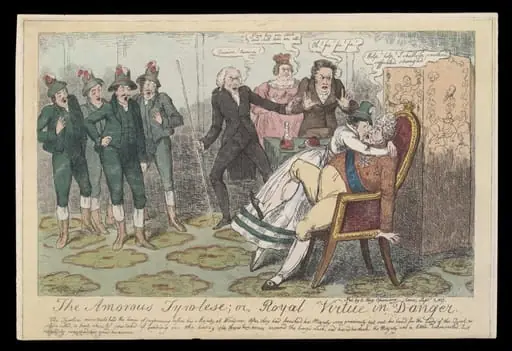
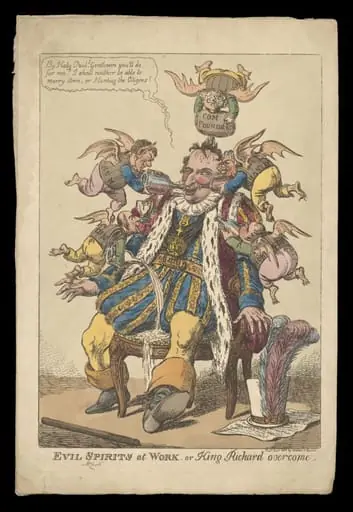
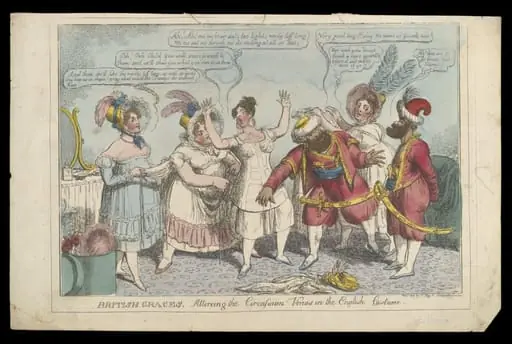
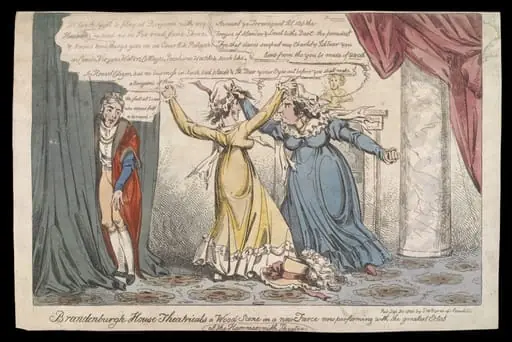
The print is interesting because it satirizes the lack of popularity of George IV after his wife's affair, which gives us a glimpse into the social issues of the time.
You can learn more about this style by looking into the movement: Romanticism.
Overview
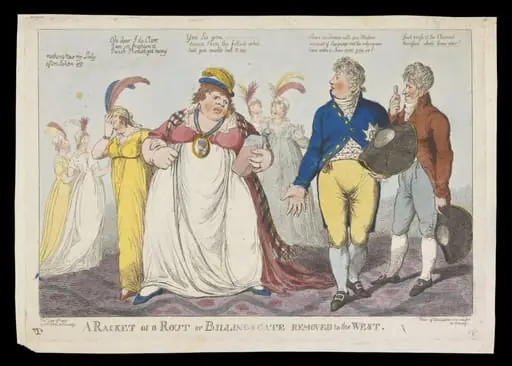
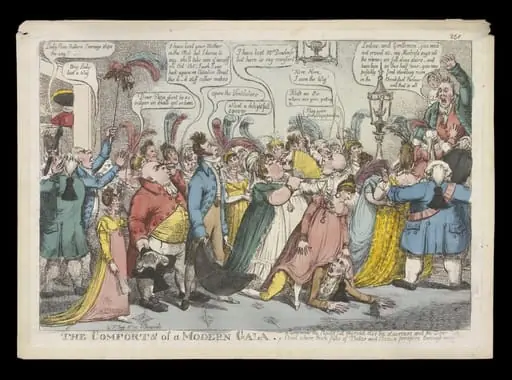
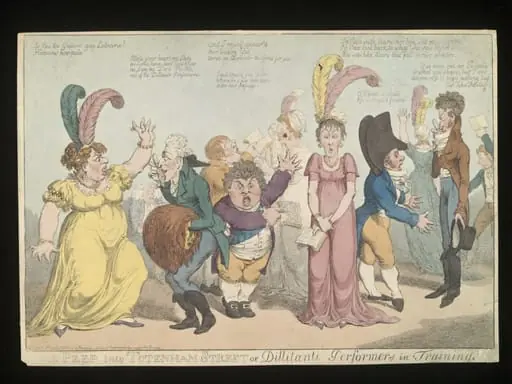
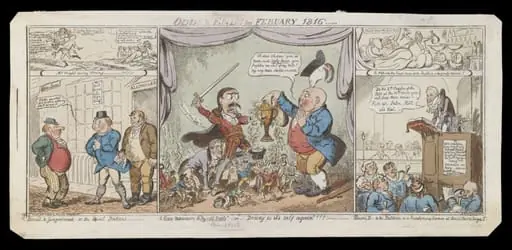
The work is a printed genre scene dated 1820, catalogued within the Harry Beard collection and attributed to the publisher William Benbow. Its title, The Blanket Hornpipe, references a popular dance motif, while the image functions as a satirical commentary on contemporary royal affairs. The print exemplifies early‑19th‑century popular print culture, employing humor to engage a broad audience.
Subject & Meaning
The composition lampoons the waning public esteem for King George IV, linking his diminished popularity to the scandal surrounding his wife, Caroline of Brunswick. By juxtaposing the monarch’s image with a lively dance scene, the artist underscores the tension between royal decorum and popular sentiment, offering a visual critique of the monarchy’s moral standing during the period.
Technique & Style
Executed as a hand‑colored woodcut, the print displays the bold line work and exaggerated figures typical of satirical prints of the era. Its stylistic affinities with Romanticism appear in the emotive expression of the characters and the dynamic movement suggested by the hornpipe dance, while the overall aesthetic remains rooted in the commercial print tradition.
History & Provenance
Printed in 1820 by the London publisher William Benbow, the image entered the Harry Beard collection, a notable assemblage of early 19th‑century prints. The work’s survival in this private collection has facilitated scholarly access, allowing researchers to trace its circulation among contemporary audiences and its role within Benbow’s broader output.
Context
The early 1820s witnessed heightened public scrutiny of the royal couple, especially after Caroline’s highly publicized affair and subsequent legal battles.
The early 1820s witnessed heightened public scrutiny of the royal couple, especially after Caroline’s highly publicized affair and subsequent legal battles. Satirical prints like this one circulated widely, reflecting and shaping public opinion. The piece thus serves as a visual document of the period’s political climate, illustrating how popular media engaged with issues of morality, authority, and scandal.
Artist & collection
Artist
William Benbow made prints in the 1820s, a time when bold images spread news and jokes in cheap sheets.