Artwork
H Beard Print Collection
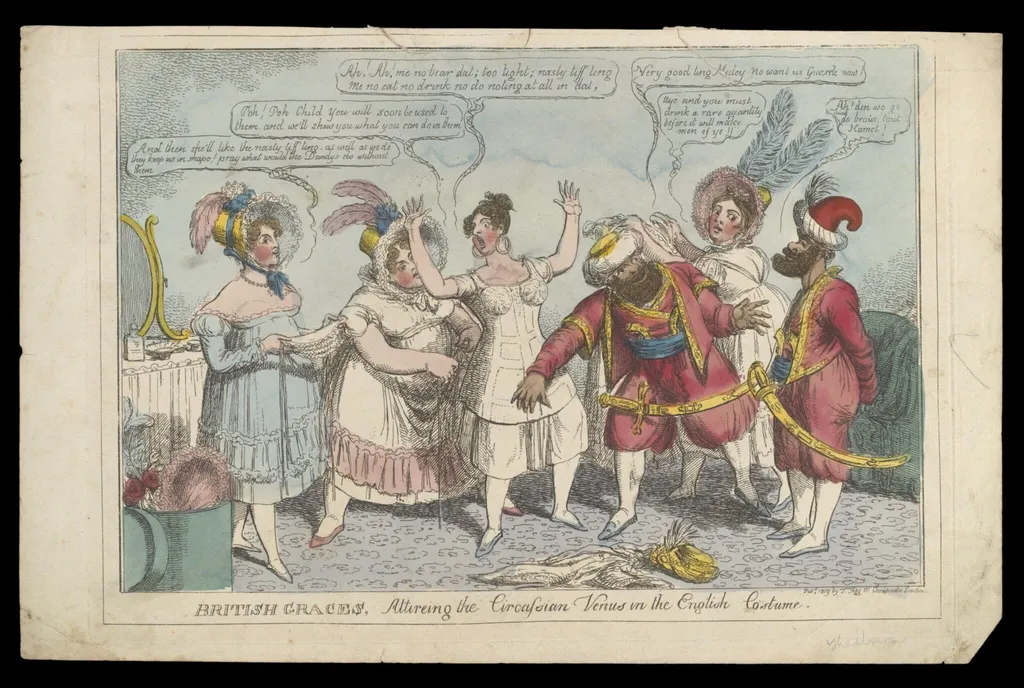
H Beard Print Collection is a print by the Romanticist artist Williams. It dates from 1819 and is held in the collection of the Victoria and Albert Museum.
About this work
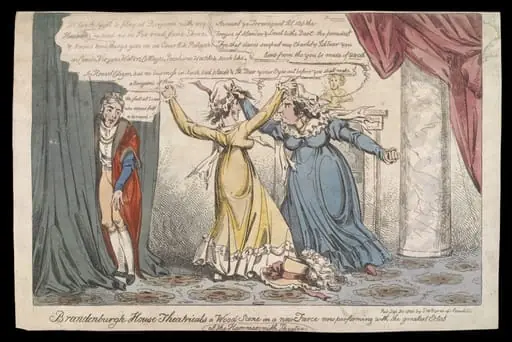
It's a print that depicts a specific scene, described as the Persian Ambassador's wife being dressed in English clothes.
The print is titled 'H Beard Print Collection' and was created by Williams in 1819.
It's a print that depicts a specific scene, described as the Persian Ambassador's wife being dressed in English clothes. This scene is part of a larger work called 'British Graces, Attireing the Circassian Venus in the English Costume'. The print was published by T. Tegg.
You can learn more about this style by looking into the movement: Romanticism.
Overview
This 1819 print, part of the H Beard Print Collection, depicts a satirical scene of a Persian noblewoman being dressed in English fashion. Created by Williams and published by T. Tegg, it belongs to a series titled 'British Graces, Attireing the Circassian Venus in the English Costume.' The work uses costume as a vehicle for cultural commentary, reflecting contemporary British attitudes toward foreign elites and national identity.
Subject & Meaning
The print portrays the wife of the Persian ambassador, idealized as a 'Circassian Venus,' undergoing a transformation into English attire. This imagery critiques the perceived superiority of British customs by framing foreign nobility as exotic figures in need of civilizing. The title’s irony underscores a colonial mindset, positioning English dress as the standard of refinement while reducing the subject to a cultural specimen.
Technique & Style
Executed as a hand-colored etching, the print employs fine linear detail and exaggerated poses typical of early 19th-century satirical prints. The composition is staged like a theatrical tableau, with figures arranged to emphasize contrast between the draped, foreign form and the structured English garments. Soft shading and delicate line work reflect influences from Romantic-era illustration, balancing realism with caricature.
History & Provenance
Published in London by T. Tegg, a prominent print seller known for political and social satire, the work entered the H Beard Collection in the 19th century. Tegg’s firm specialized in affordable prints for the middle class, distributing such images widely. The print’s survival in this collection suggests its appeal as both cultural artifact and visual humor, preserved for later scholarly interest.
Context
Produced during a period of heightened British imperial confidence, the print reflects anxieties and fascinations with the East. The 'Circassian Venus' trope, rooted in Orientalist fantasy, was common in European art. Simultaneously, England’s growing global influence fueled a trend of portraying foreign dignitaries as subjects of domestic spectacle, reinforcing national identity through contrast.
Legacy
Though not widely exhibited today, the print remains a documented example of Regency-era visual satire. It contributes to studies of Orientalism, gender, and fashion as tools of cultural power. Its presence in institutional collections like H Beard’s ensures its continued use as a primary source for understanding how British society visualized difference in the early 1800s.
Artist & collection
Artist
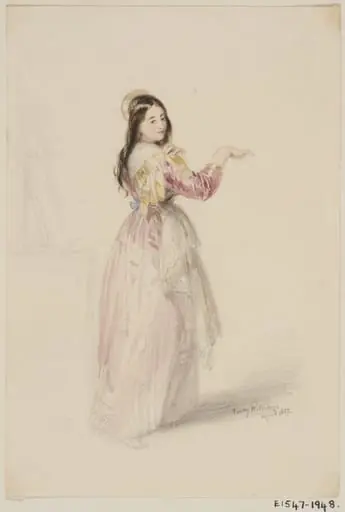
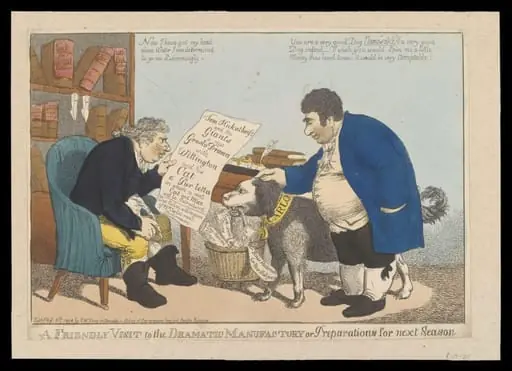
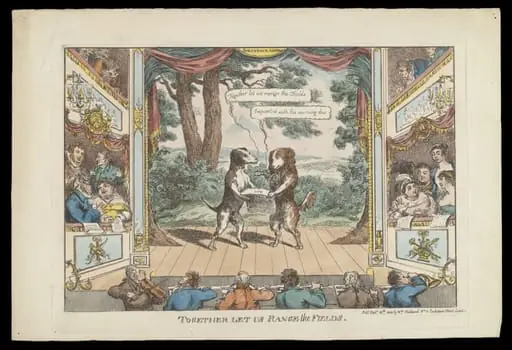
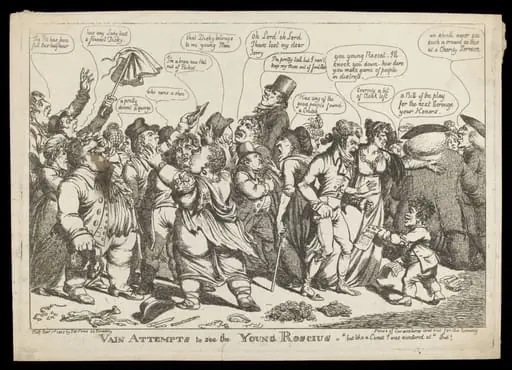
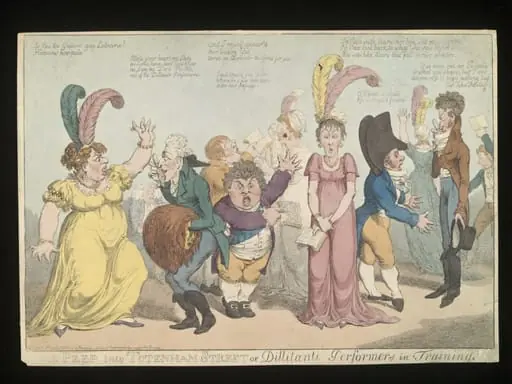
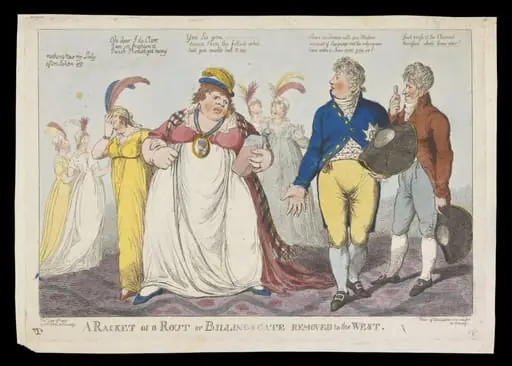
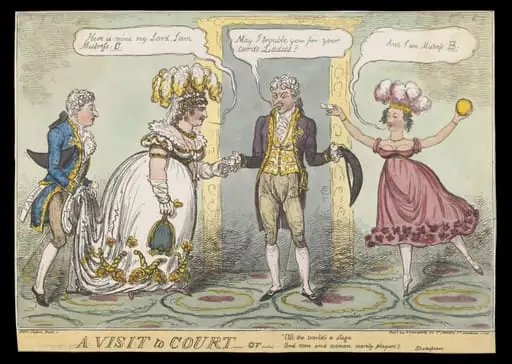
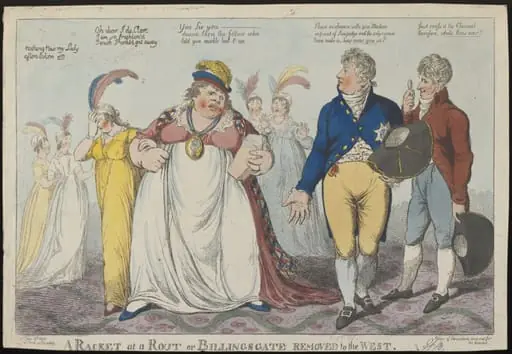
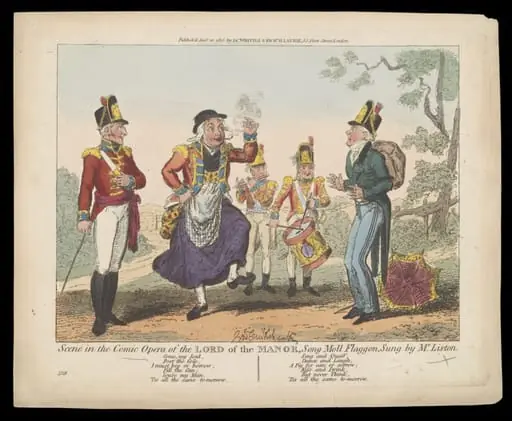
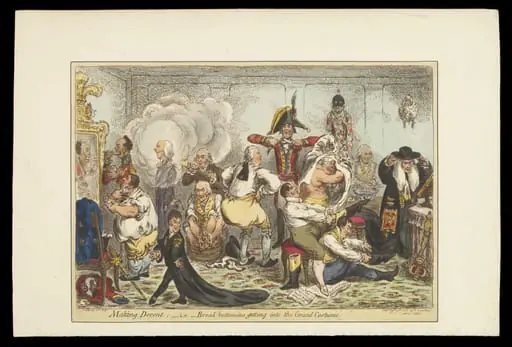
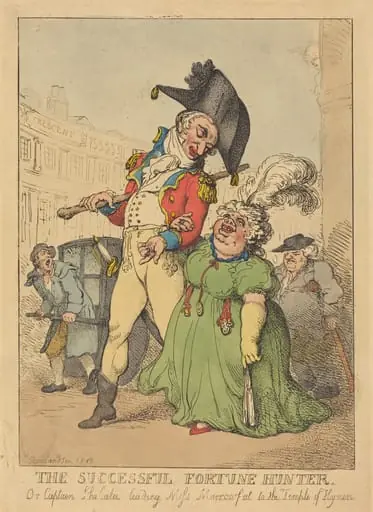
These prints from the early 1800s capture everyday moments—battles, ceremonies, and daily life—all under the same collection title.