Artwork
H Beard Print Collection
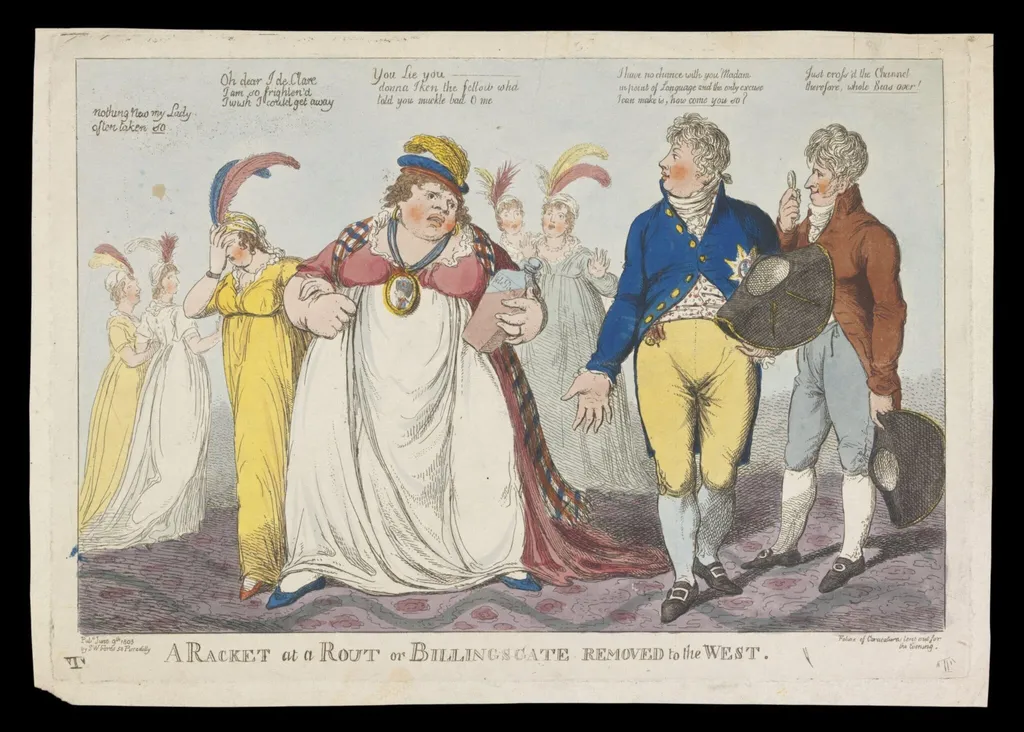
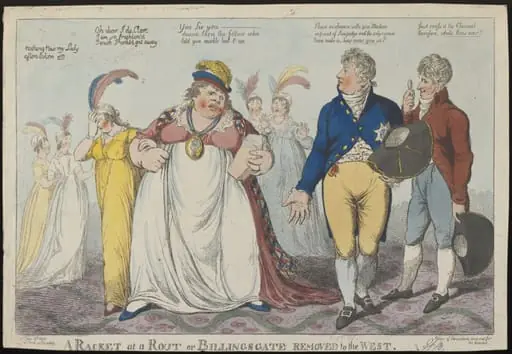
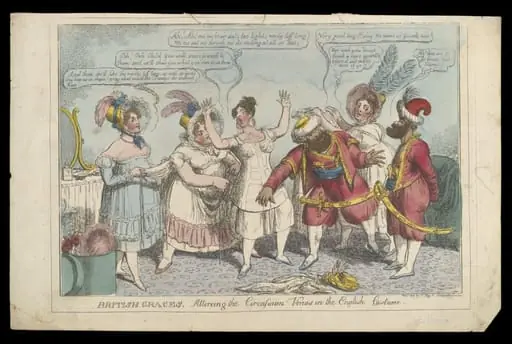
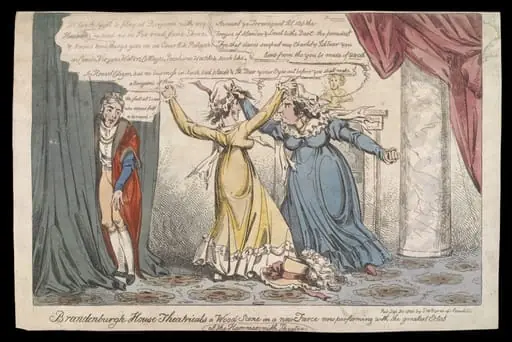
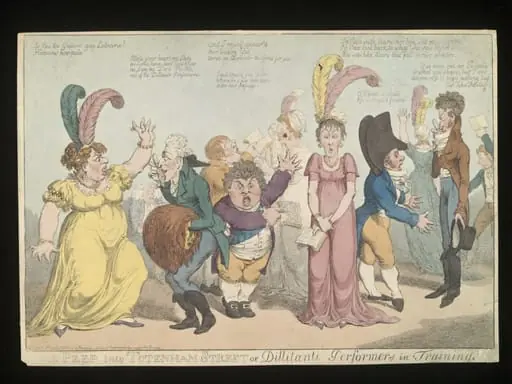
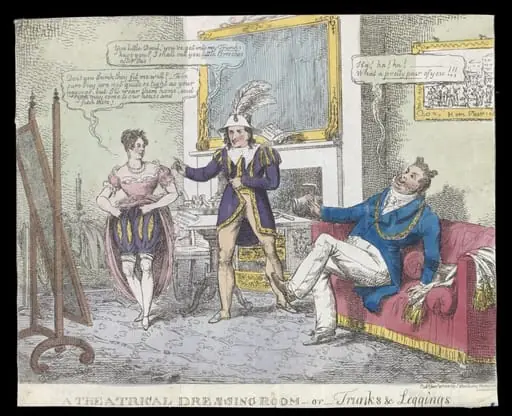
H Beard Print Collection is a print by the Romanticist artist Williams, C.. It dates from 9 and is held in the collection of the Victoria and Albert Museum. This 1803 print, titled 'A Racket at a Rout or Billingsgate Removed to the West,' was produced by London publisher S.
About this work
London printmakers loved lively social satire back then, and this one pokes fun at high-society chaos.
This print shows a busy London scene from 1803. It’s called “A Racket at a Rout or Billingsgate Removed to the West.” The artist used Romanticism, so expect drama and everyday life mixed together.
London printmakers loved lively social satire back then, and this one pokes fun at high-society chaos. It was published by S. W. Fores right in the city.
Check out more at the Victoria and Albert Museum.
Overview
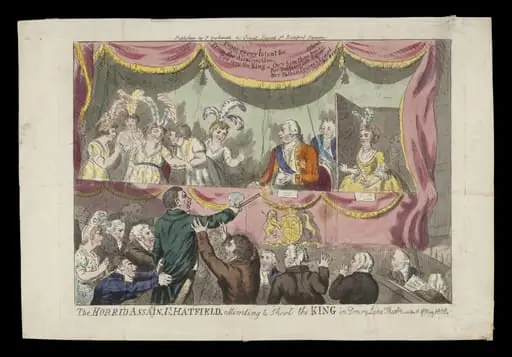
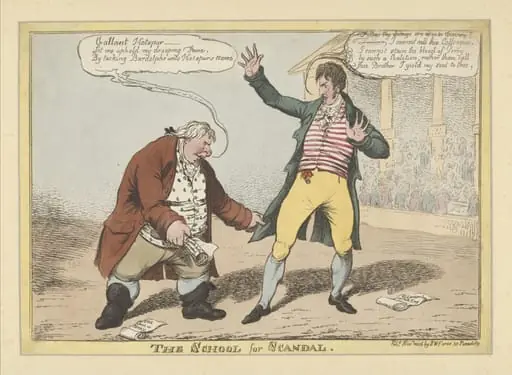
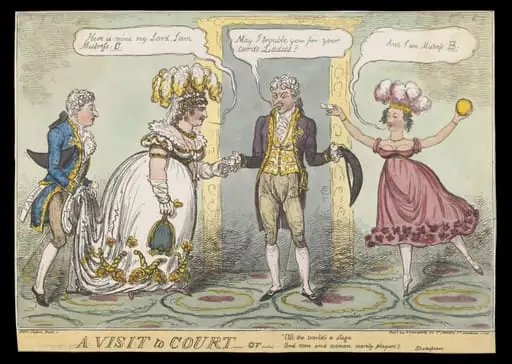
This 1803 print, titled 'A Racket at a Rout or Billingsgate Removed to the West,' was produced by London publisher S. W. Fores. It captures a crowded urban scene that blends elements of high society and street life, presenting a satirical take on the social upheaval of the time. The work belongs to a tradition of British printmaking that used humor and exaggeration to comment on class and behavior.
Subject & Meaning
The print juxtaposes the refined setting of a fashionable gathering with the rowdy, chaotic energy of Billingsgate fish market—a symbol of vulgar commerce. By transplanting this disorder into an elite context, it mocks the pretensions of aristocratic society. The scene suggests a blurring of social boundaries, where decorum collapses into spectacle, revealing anxieties about class erosion in early 19th-century London.
Technique & Style
Executed in the style of Romantic-era satire, the print employs dynamic composition and exaggerated figures to heighten emotional impact. Fine line work defines the dense crowd, while expressive gestures and facial details convey individual personalities. The artist uses chiaroscuro and layered textures to suggest depth and movement, typical of prints designed for mass appeal and immediate visual impact.
History & Provenance
Published in London by S. W. Fores, a prominent print dealer known for political and social caricatures, the work circulated widely among middle-class audiences. It was part of a broader trend of satirical prints that critiqued social norms. The print is now held in the H. Beard Print Collection at the Victoria and Albert Museum, where it contributes to the study of Regency-era visual culture.
Context
In the early 1800s, London’s social landscape was shifting rapidly, with rising commercial influence challenging traditional hierarchies. Printmakers responded with satirical imagery that exposed contradictions in class performance. This print reflects public fascination with the spectacle of social mimicry, where the elite adopted the manners of the lower classes—and vice versa—amid growing urbanization and media proliferation.
Legacy
As a representative example of Regency-era social satire, the print informs modern understanding of how visual media shaped public opinion. Its enduring presence in institutional collections underscores its value as a historical document. It remains a key reference for scholars studying the intersection of class, commerce, and visual culture in early modern Britain.
Artist & collection
Artist
Prints from the early 1800s by an artist whose name begins with C. Williams. Both prints in this set come from the H Beard Collection and carry exact dates: one dated January 1, 1802 and another June 9, 1803. These…