Artwork
Market Quay in 1885
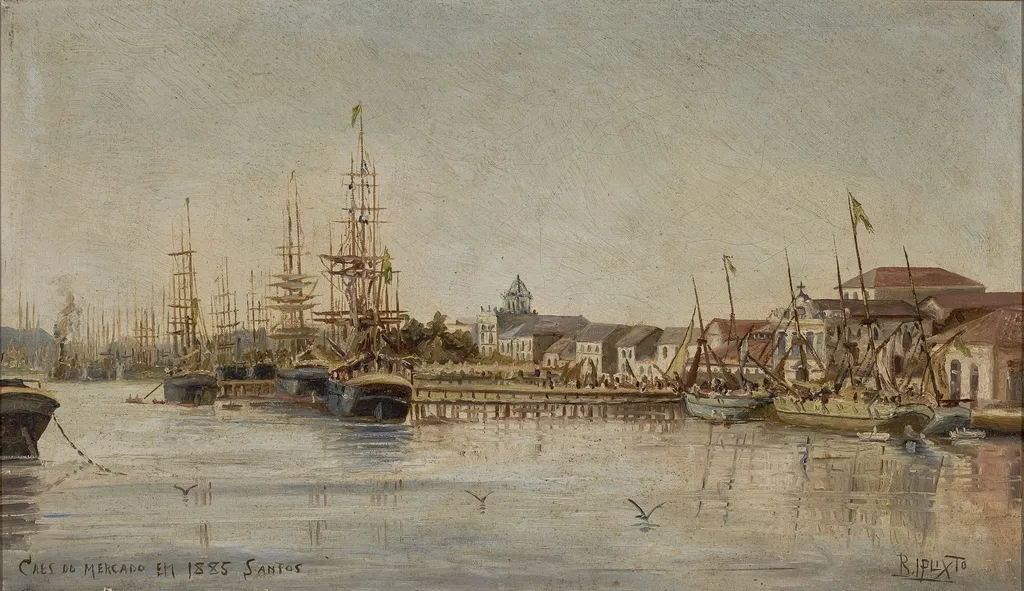
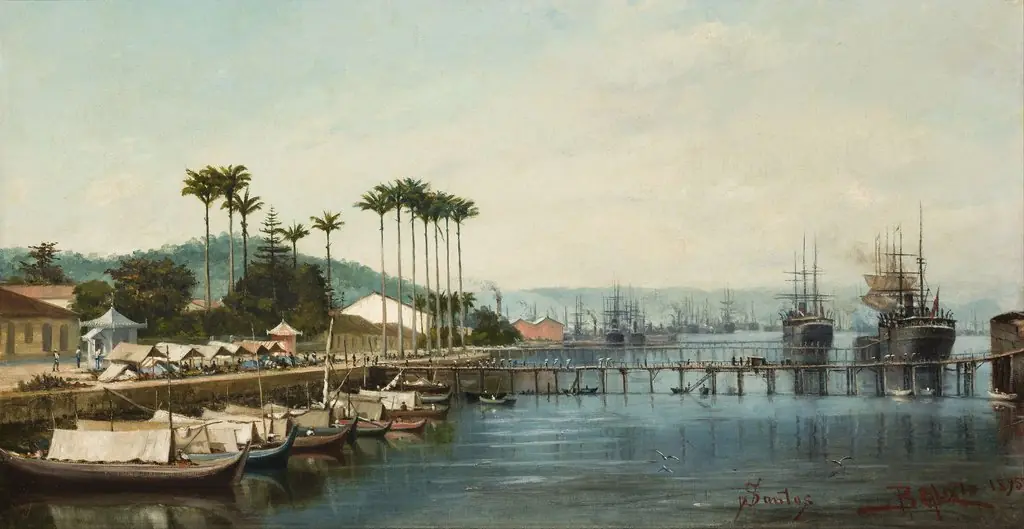
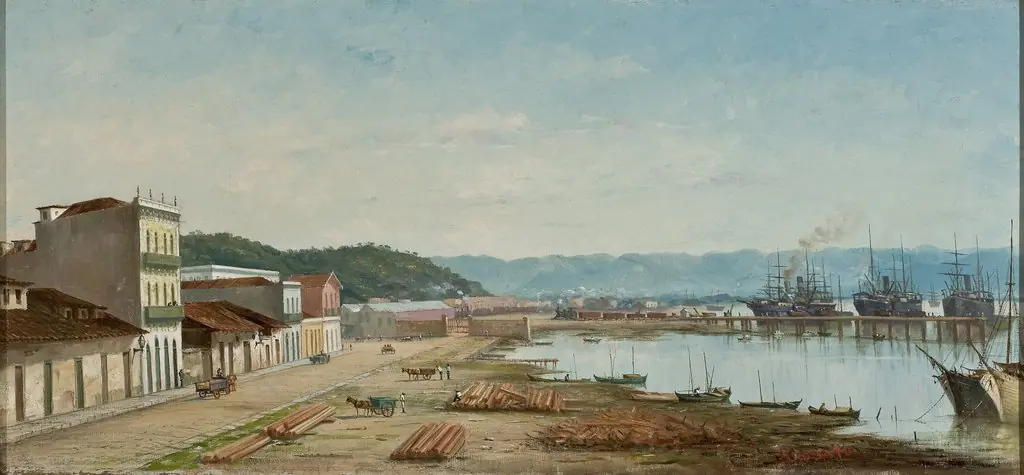
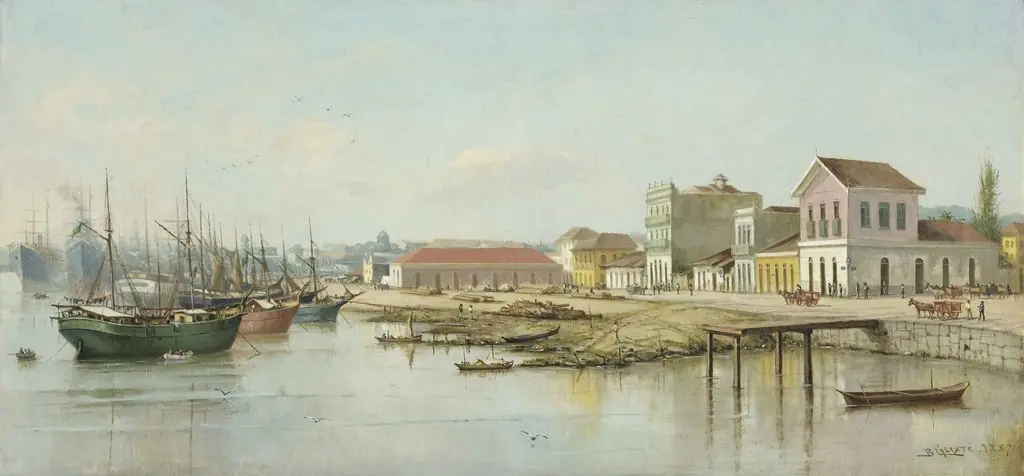
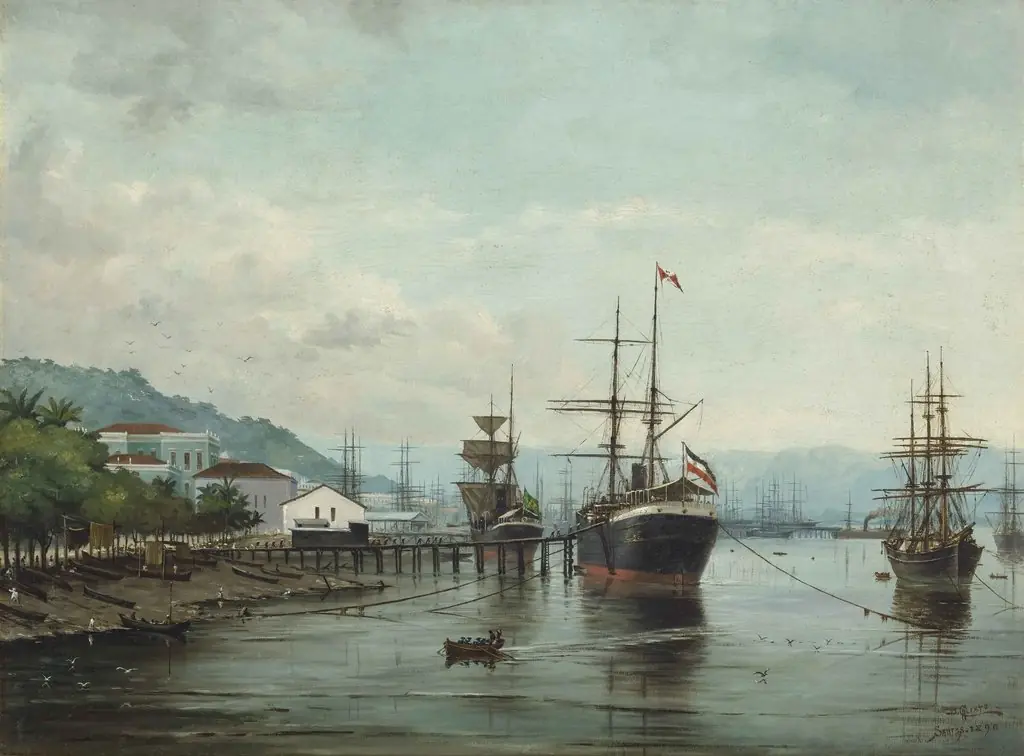
Market Quay in 1885 is an oil painting by the Impressionist artist Benedito Calixto. It dates from 1893 and is held in the collection of the São Paulo Museum of Art.
About this work
Overview
The work reflects Calixto’s interest in everyday Brazilian life, rendered with the loose brushwork and light-sensitive palette associated with Impressionism.
Painted in 1893 by Brazilian artist Benedito Calixto, *Market Quay in 1885* is an oil-on-canvas depiction of a coastal harbor, though titled with an earlier date. The work reflects Calixto’s interest in everyday Brazilian life, rendered with the loose brushwork and light-sensitive palette associated with Impressionism. It resides in the São Paulo Museum of Art’s permanent collection, acquired through private channels rather than state sponsorship.
Subject & Meaning
The scene captures a working harbor at dawn or dusk, with moored vessels and low-slung buildings lining the waterfront. No single narrative dominates; instead, the composition conveys quiet industry—the rhythm of trade and transit. Seagulls in flight and ripples on the water suggest transient moments, emphasizing the harbor’s function as a living space rather than a static backdrop.
Technique & Style
Calixto employed oil paint to build layered surfaces that capture ambient light and subtle reflections. Brushstrokes are fluid yet deliberate, suggesting movement in the water and texture in wooden hulls without fine detail. The palette favors muted earth tones and soft blues, harmonizing the architecture with the sea. Atmospheric perspective enhances depth, anchoring the scene in a tangible, observable reality.
History & Provenance
Created after the period it depicts, the painting was likely based on sketches or memory, common in Calixto’s practice. It entered the São Paulo Museum of Art through private acquisition, consistent with the artist’s reliance on individual patrons rather than institutional commissions. Its preservation reflects early 20th-century Brazilian collectors’ interest in domestic scenes over European models.
Context
In late 19th-century Brazil, urban coastal centers like Santos and Rio de Janeiro were expanding as hubs of commerce and immigration. Calixto’s harbor scenes responded to this transformation, documenting the nation’s evolving identity through its ports. Unlike academic traditions that favored grand historical themes, he focused on ordinary activity, aligning with broader regional shifts in artistic priorities.
Legacy
Calixto’s harbor paintings, including this one, contributed to a visual record of Brazil’s maritime life during industrialization. Though not widely known internationally, his work remains significant in Brazilian art history for its quiet realism and departure from European academic norms. The painting continues to be studied for its depiction of regional labor and environment in a period of national consolidation.
Artist & collection
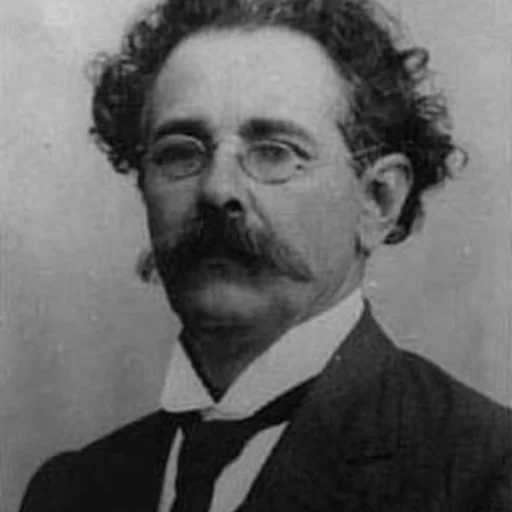
Artist
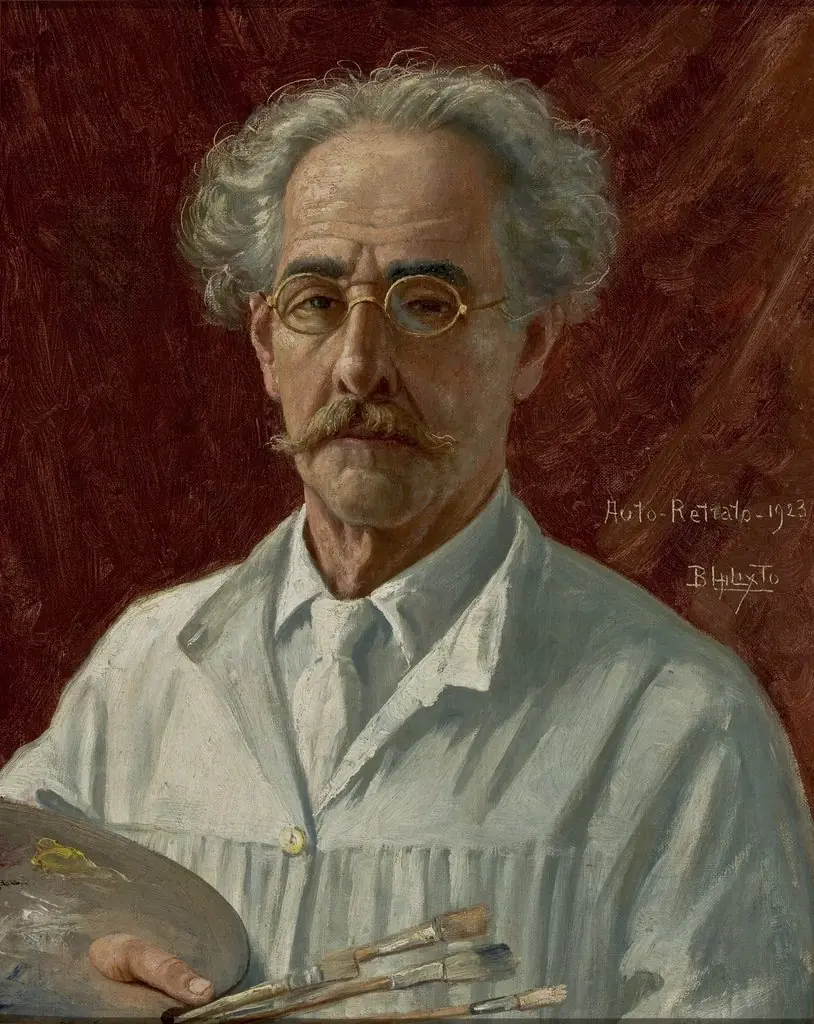
Benedito Calixto de Jesus (14 October 1853 – 31 May 1927) was a Brazilian painter.