Artwork
Mount Chocorua, New Hampshire
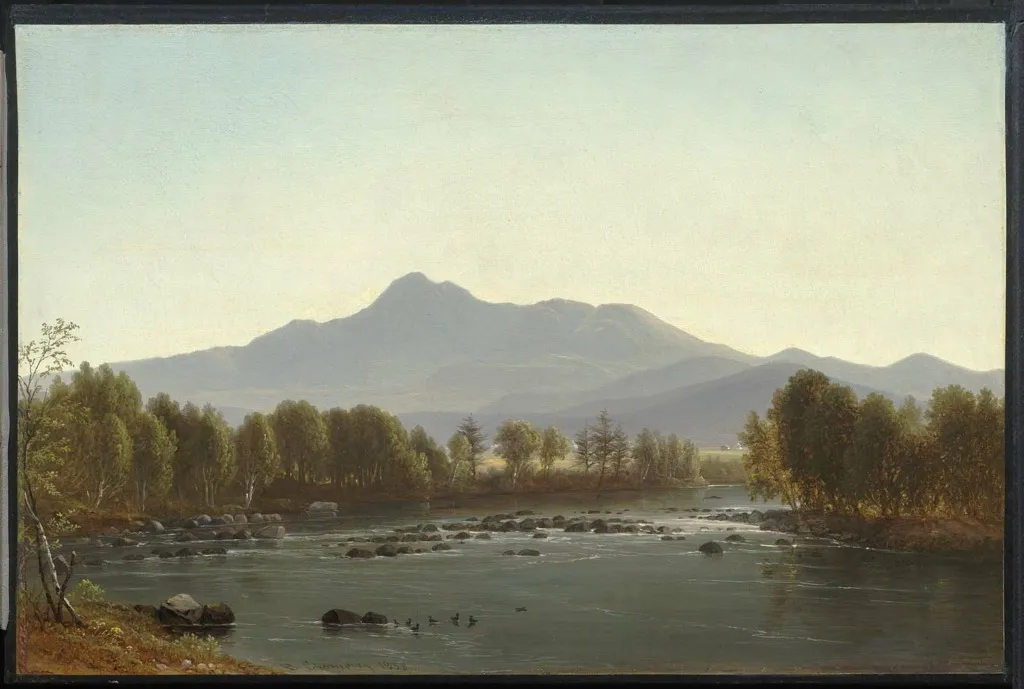
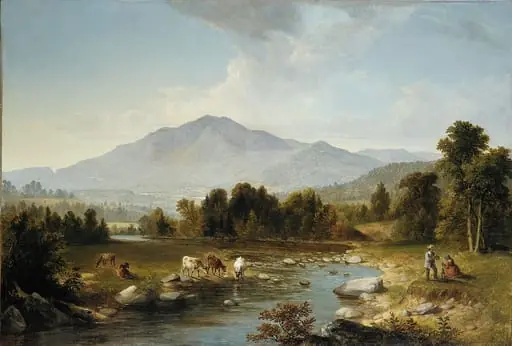
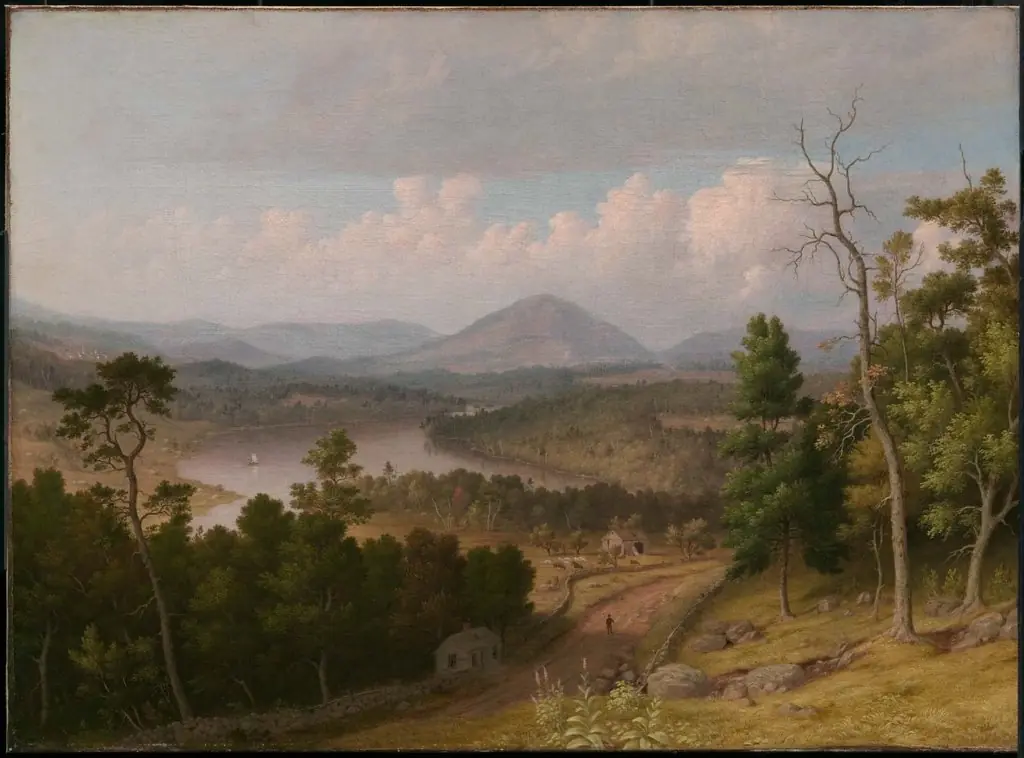
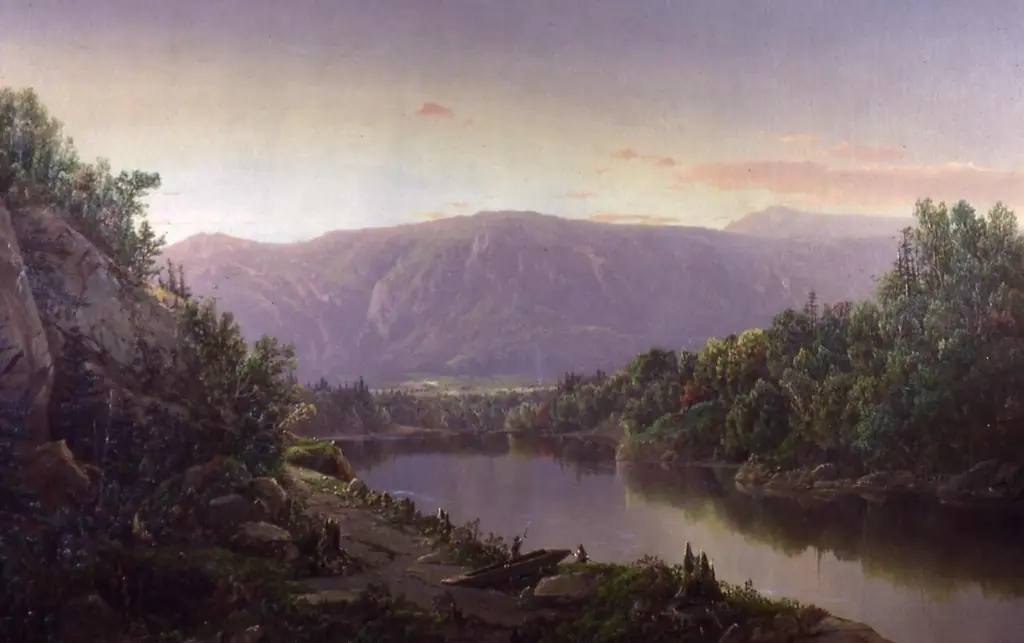
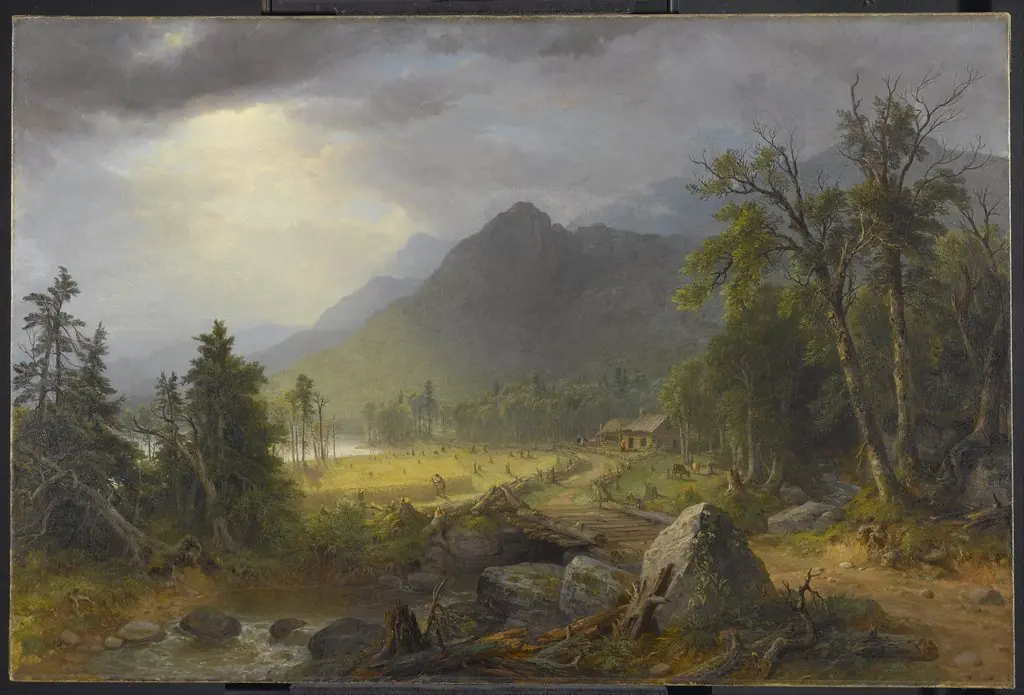
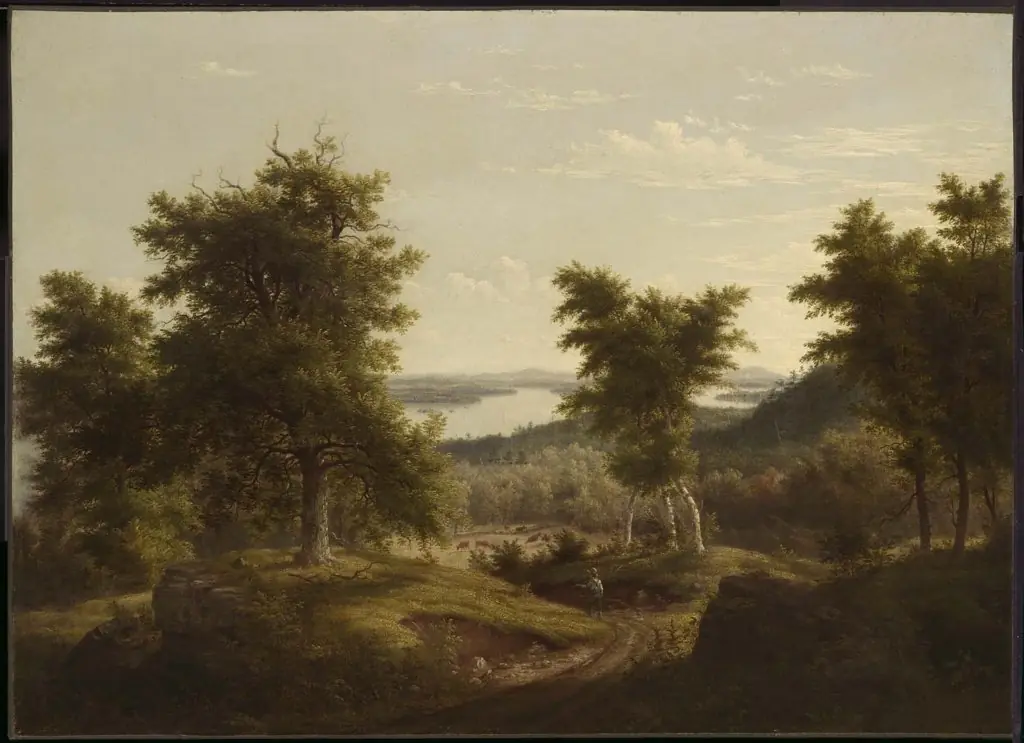
Mount Chocorua, New Hampshire is an oil painting by the Hudson River School artist Benjamin Champney. It dates from 1858 and is held in the collection of the Museum of Fine Arts Boston.
About this work
Overview
It reflects his engagement with the Hudson River School tradition, emphasizing natural grandeur through careful observation.
Benjamin Champney completed this oil painting in 1858, capturing Mount Chocorua in New Hampshire’s White Mountains. It reflects his engagement with the Hudson River School tradition, emphasizing natural grandeur through careful observation. Champney, originally trained as a lithographer, shifted to landscape painting and became a key figure among artists who settled in North Conway, drawn by the region’s dramatic scenery and changing light.
Subject & Meaning
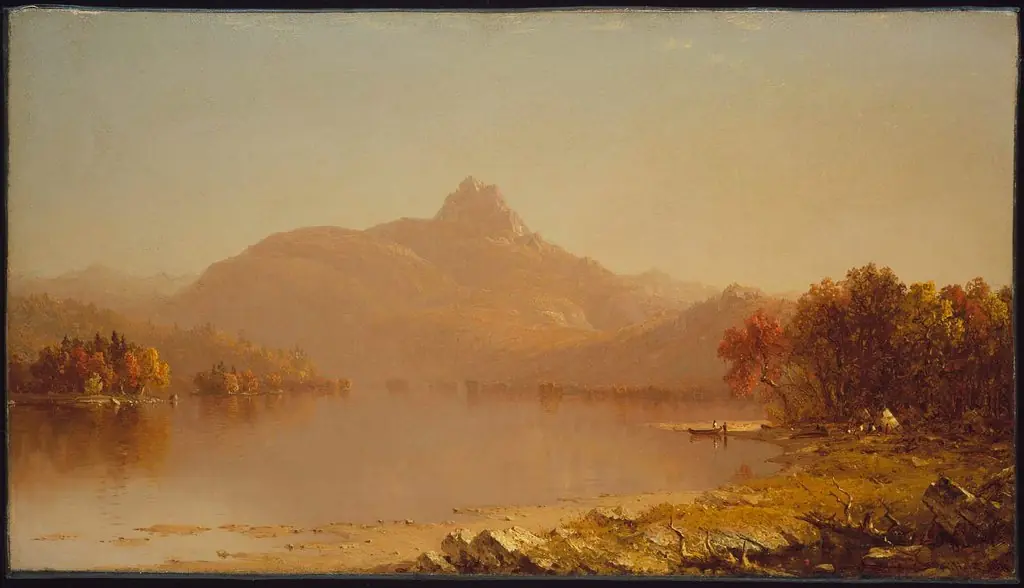
The painting centers on Mount Chocorua, its summit softened by atmospheric haze, suggesting distance and quiet majesty. A meandering river in the foreground reflects the sky, anchoring the composition in stillness. The scene conveys no human presence, focusing instead on the enduring presence of nature. This absence reinforces a contemplative tone, aligning with mid-19th-century ideals that saw wilderness as a space for spiritual reflection.
Technique & Style
Champney employed subtle gradations of color and soft brushwork to render the mountain’s misty peak and the river’s reflective surface. The foreground features textured strokes for rocks and foliage, creating tactile contrast against the hazy background. Light is diffused evenly, avoiding dramatic contrasts, which enhances the painting’s serene mood. His technique balances precision with atmospheric suggestion, characteristic of the White Mountain school’s approach to realism.
History & Provenance
Created during Champney’s active years in North Conway, the painting emerged from a community of artists who documented the region’s topography. It was later reproduced as a chromolithograph, making it accessible to a broader public through tourism and print culture. These reproductions helped establish the White Mountains as a cultural destination, though the original remained a personal expression of the artist’s deep connection to the landscape.
Context
In the 1850s, American artists increasingly turned to domestic landscapes as subjects worthy of serious attention. The White Mountains, accessible via new rail lines, became a focal point for painters seeking unspoiled nature. Champney’s work contributed to a growing national identity rooted in wilderness, countering European traditions by elevating local scenery to the level of historical or mythological themes.
Legacy
Champney’s paintings, including this one, helped define the visual language of the White Mountain school. His emphasis on tranquil, luminous landscapes influenced later generations of regional artists. While his works were popularized through mass-produced prints, the original paintings retained their role as intimate records of place, preserving a moment in American art where nature was observed with quiet reverence rather than romanticized spectacle.
Artist & collection
Artist
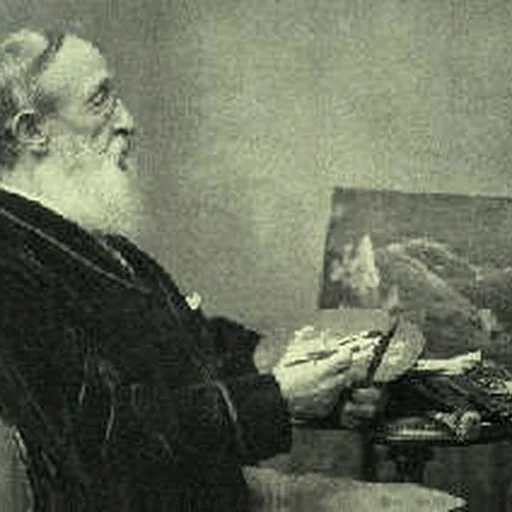
Benjamin Champney (November 20, 1817 – December 11, 1907) was a painter known for his role in White Mountain art of the 19th century.

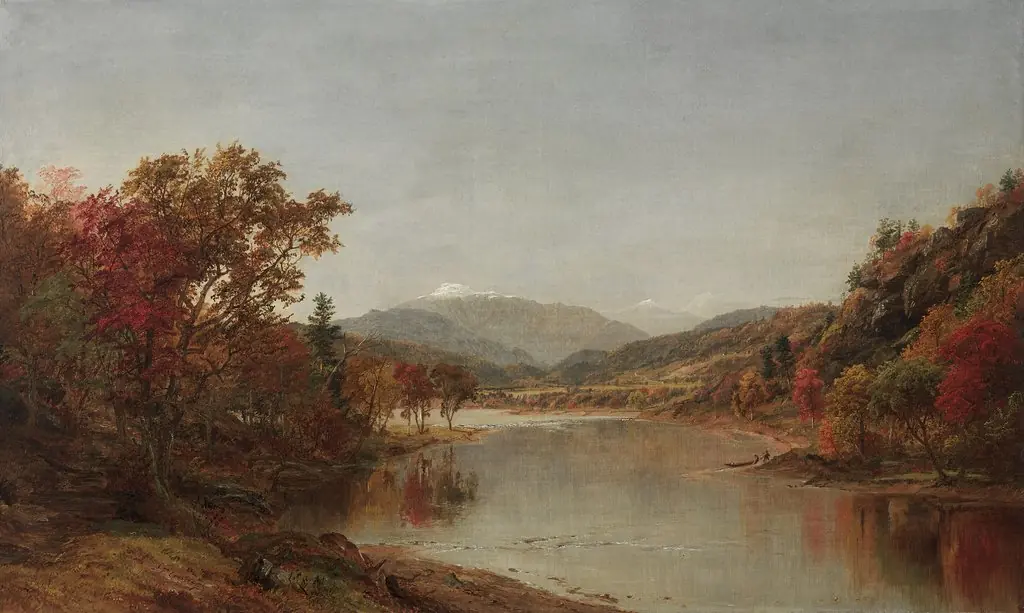 Mount Washington, New Hampshire
 Mount Washington, New Hampshire
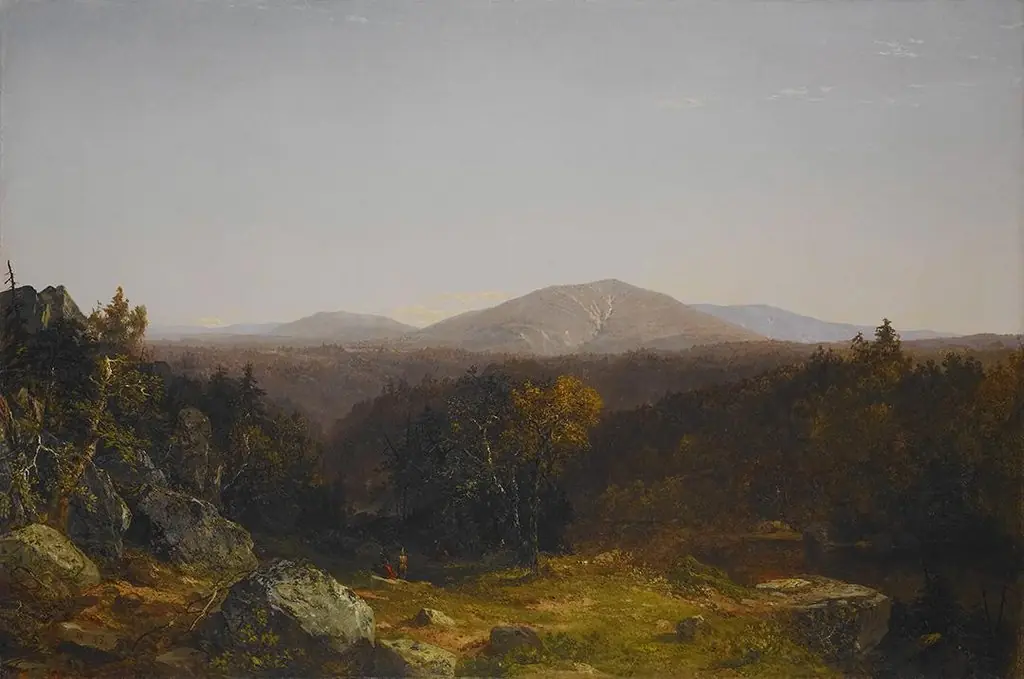 View of Mount Washington
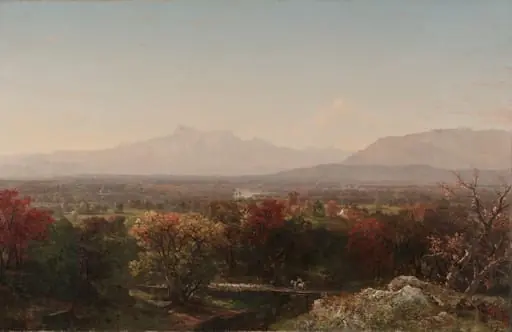 An October Day in the White Mountains
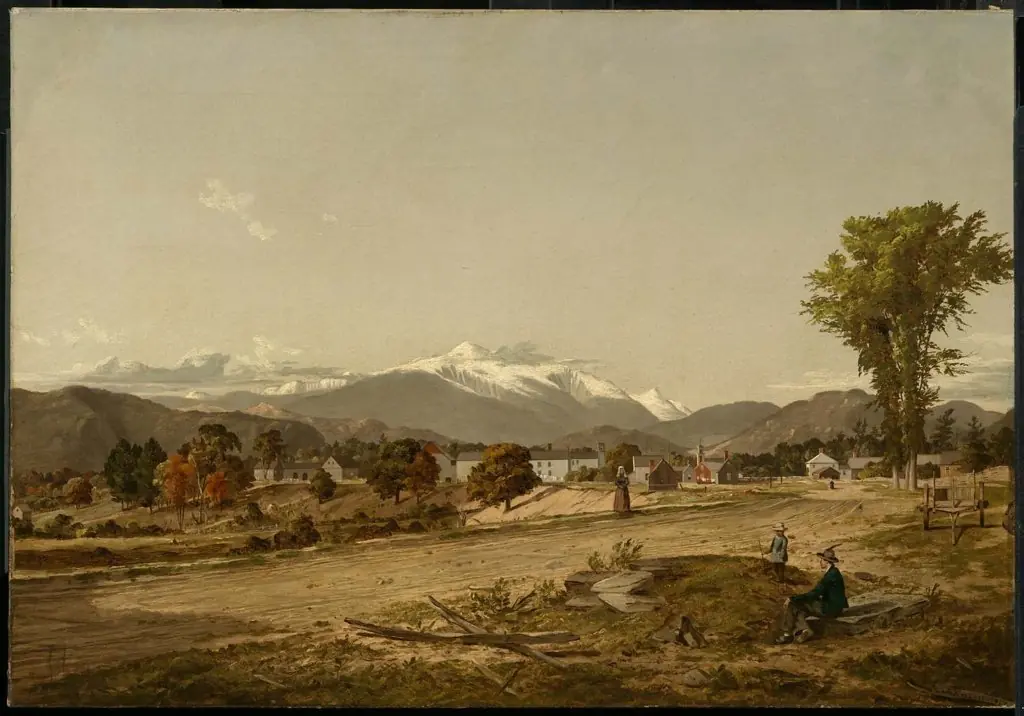 White Mountains from North Conway, New Hampshire
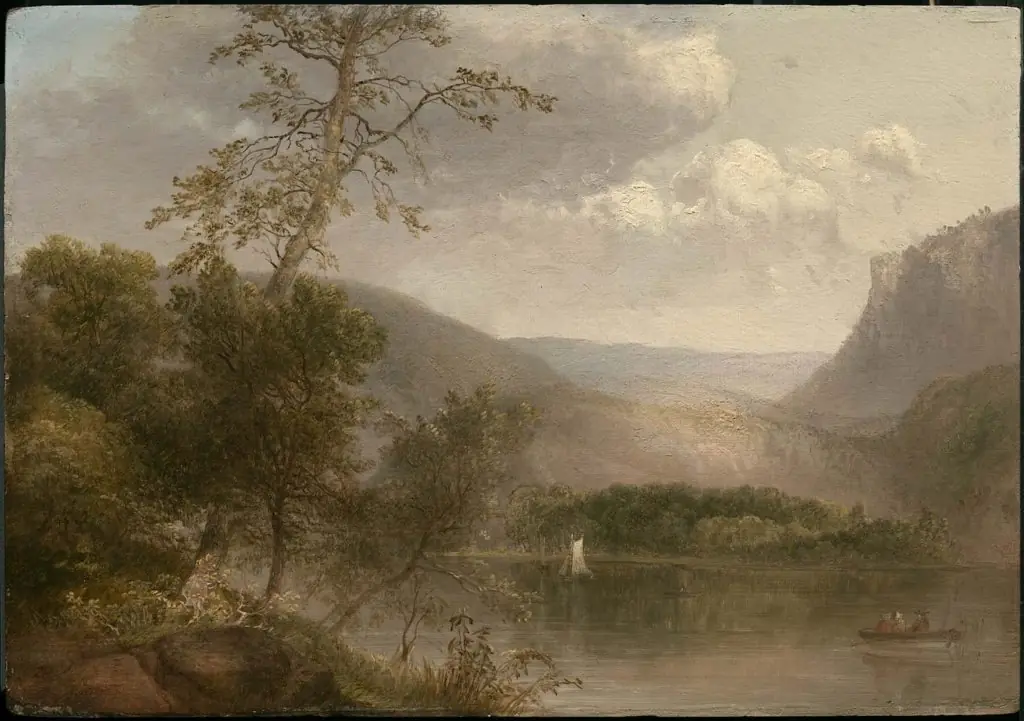 View on a New Hampshire Lake
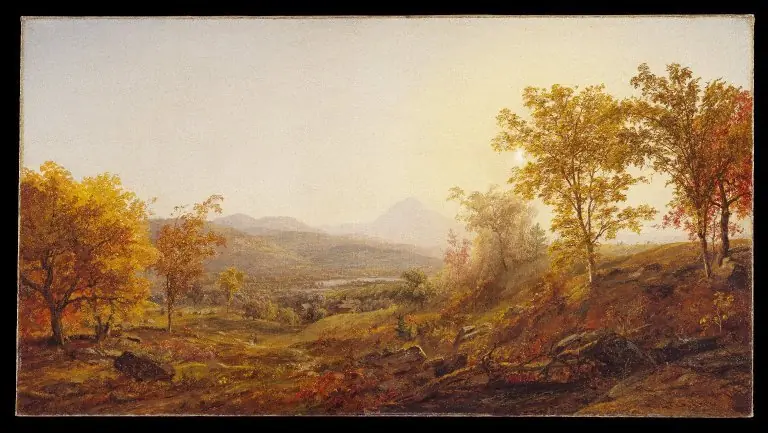 Autumn at Mount Chocorua
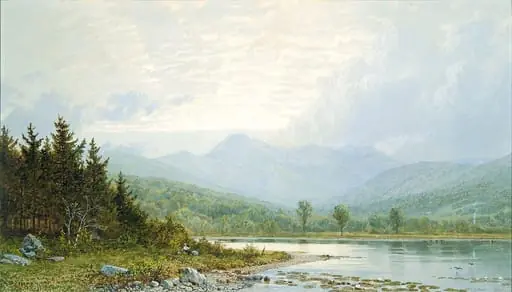 Sunset on Mount Chocorua, New Hampshire
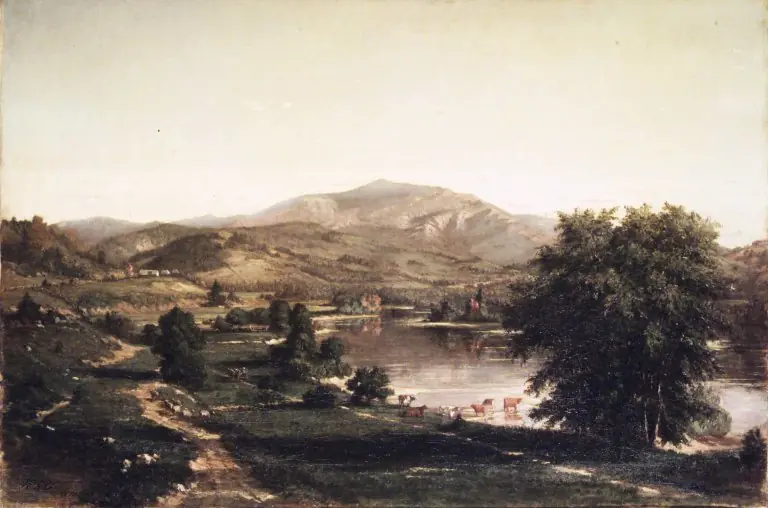 Welch Mountain from West Campton, New Hampshire
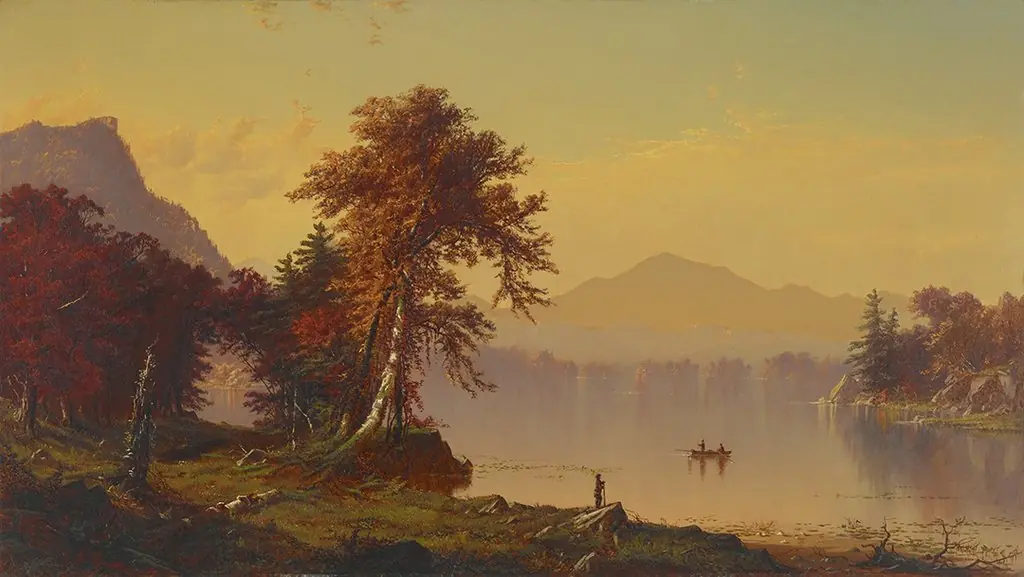 View of Mount Washington
 New Hampshire Lake