Artwork
New Hampshire Lake
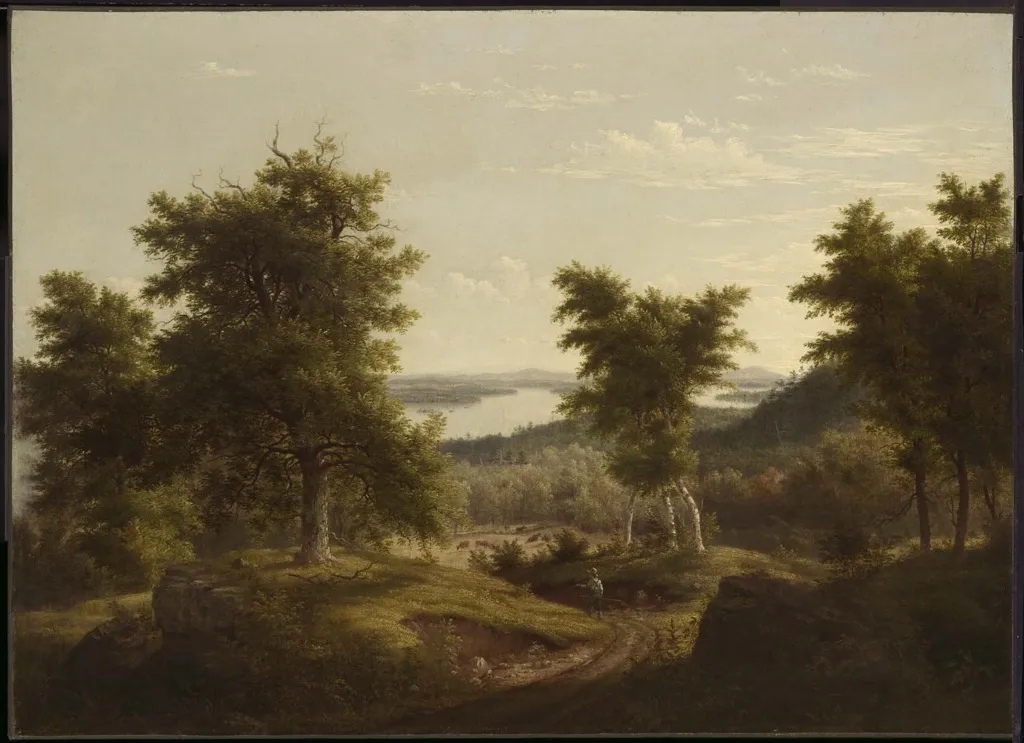
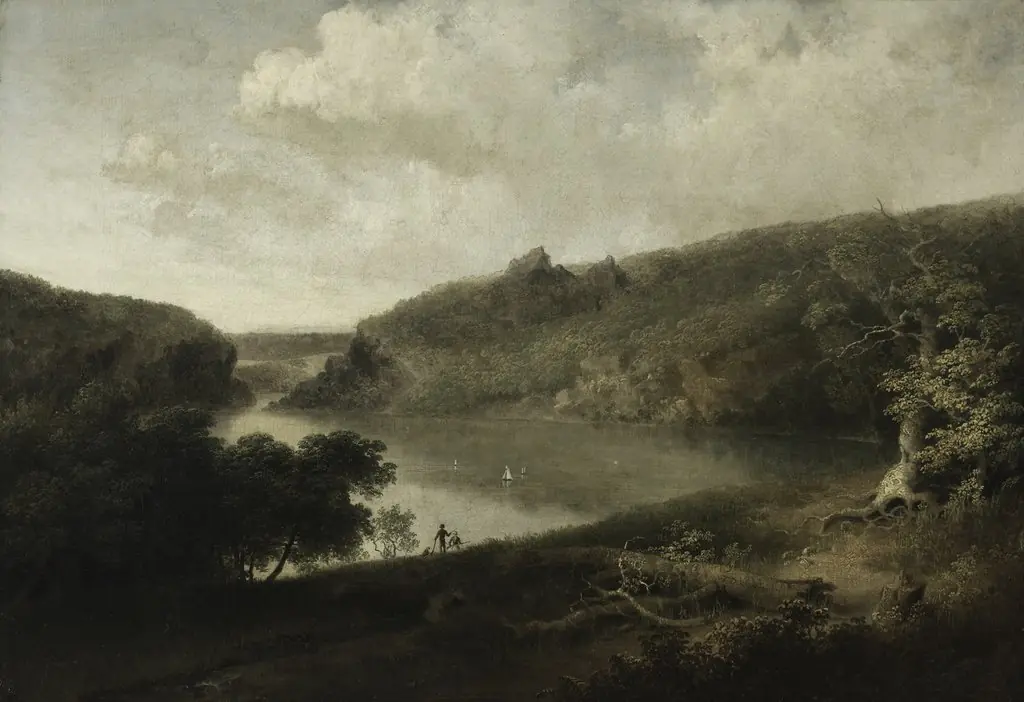
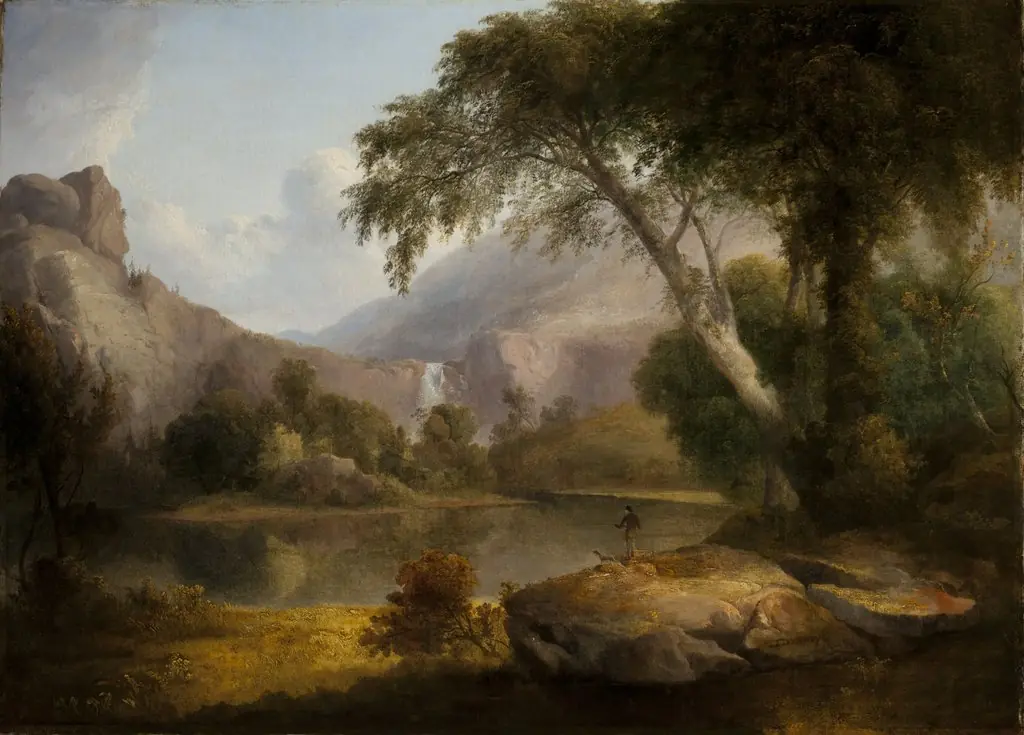
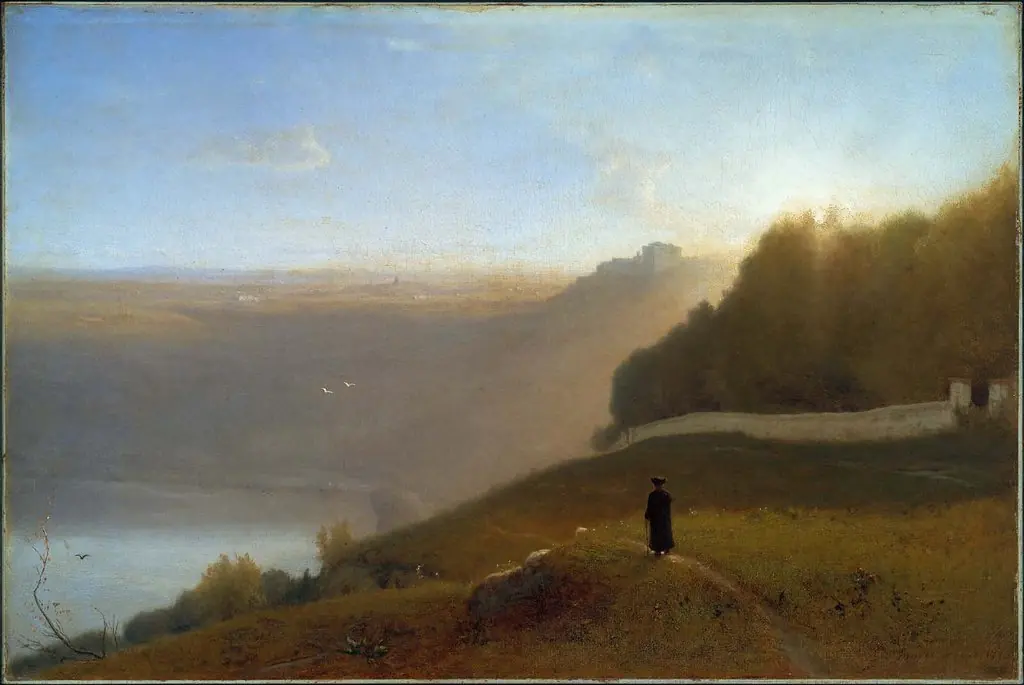
New Hampshire Lake is an oil painting by the Hudson River School artist Thomas Doughty. It dates from 1835 and is held in the collection of the Museum of Fine Arts Boston.
About this work
Overview
Thomas Doughty’s 1835 oil painting, New Hampshire Lake, captures a quiet rural scene in the northeastern United States.
Thomas Doughty’s 1835 oil painting, New Hampshire Lake, captures a quiet rural scene in the northeastern United States. Executed in the tradition of American Luminism, the work emphasizes stillness and atmospheric light. It is part of the permanent collection at the Museum of Fine Arts, Boston, where it represents early 19th-century landscape painting’s growing interest in intimate, unidealized natural settings.
Subject & Meaning
The painting presents a tranquil lakeside vista, framed by rolling hills and dense woodland. A narrow dirt path leads the eye from the foreground into the distance, suggesting quiet contemplation rather than narrative action. The absence of human figures reinforces a sense of solitude, aligning the scene with mid-19th-century ideals of nature as a refuge from industrialization and urban life.
Technique & Style
Doughty employed subtle gradations of tone and soft brushwork to render light diffused through mist and air. The palette is restrained—earthy browns, muted greens, and pale blues dominate—creating a harmonious, almost monochromatic effect. Horizontal composition and minimal contrast enhance the calm, meditative quality, characteristic of Luminist aesthetics that prioritize light over dramatic form.
History & Provenance
Painted in 1835, the work emerged during Doughty’s most productive period, when he focused on landscapes of New England and the Hudson River Valley. It entered the Museum of Fine Arts, Boston’s collection in the early 20th century, likely through acquisition from a private donor or estate. Its preservation reflects early institutional interest in American landscape art beyond European models.
Context
Created during a time when American artists were defining a national visual identity, New Hampshire Lake reflects the cultural shift toward valuing domestic scenery. Doughty, influenced by European Romanticism yet grounded in local observation, contributed to a movement that elevated everyday landscapes as worthy subjects for serious art, distinct from grand historical or mythological themes.
Legacy
Though less widely known than later Hudson River School painters, Doughty’s work laid groundwork for the movement’s emphasis on light and atmosphere. New Hampshire Lake exemplifies the quiet, introspective mode of landscape painting that preceded the more dramatic compositions of his successors. Its continued presence in a major museum affirms its role in the evolution of American art.
Artist & collection


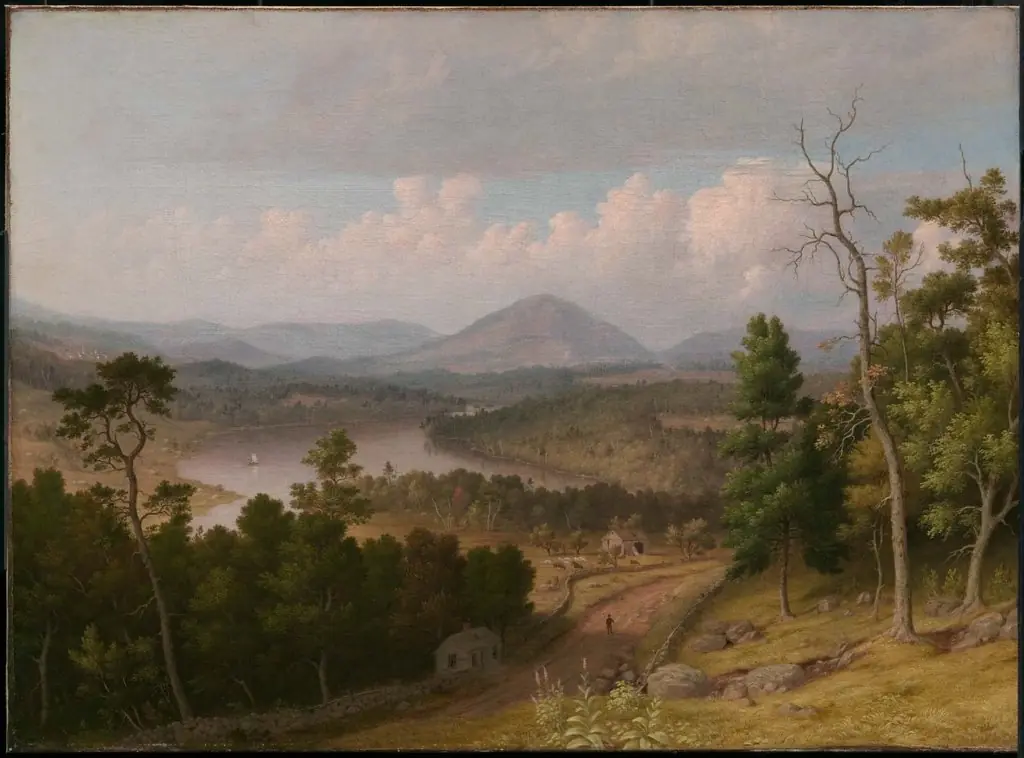 View from Stacey Hill, Stoddard, New Hampshire
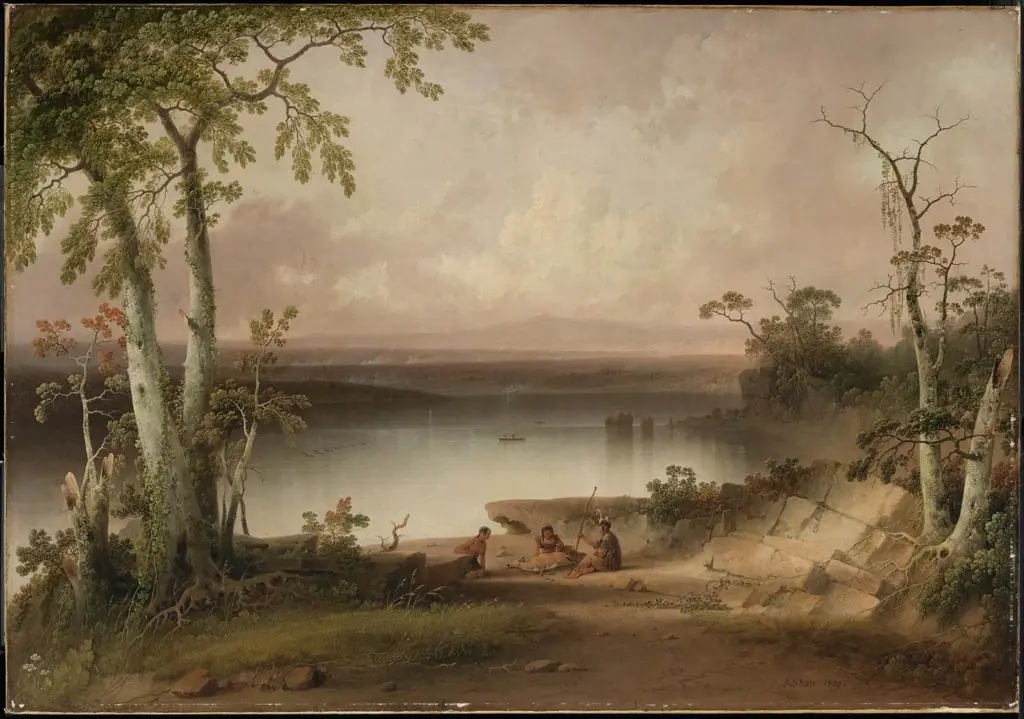 On the Susquehanna
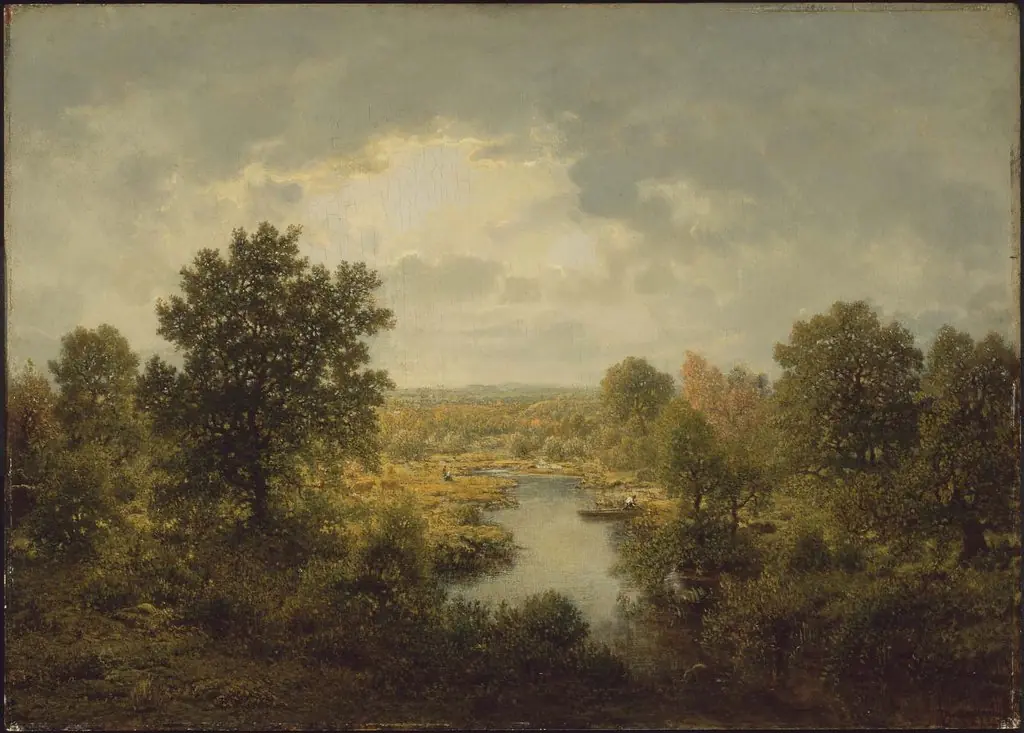 Wooded Stream
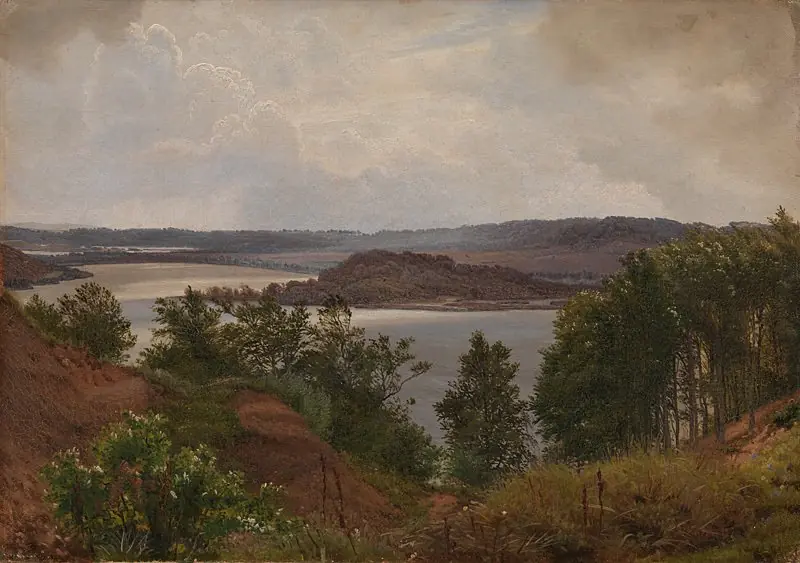 The Lakes at Laven near Silkeborg
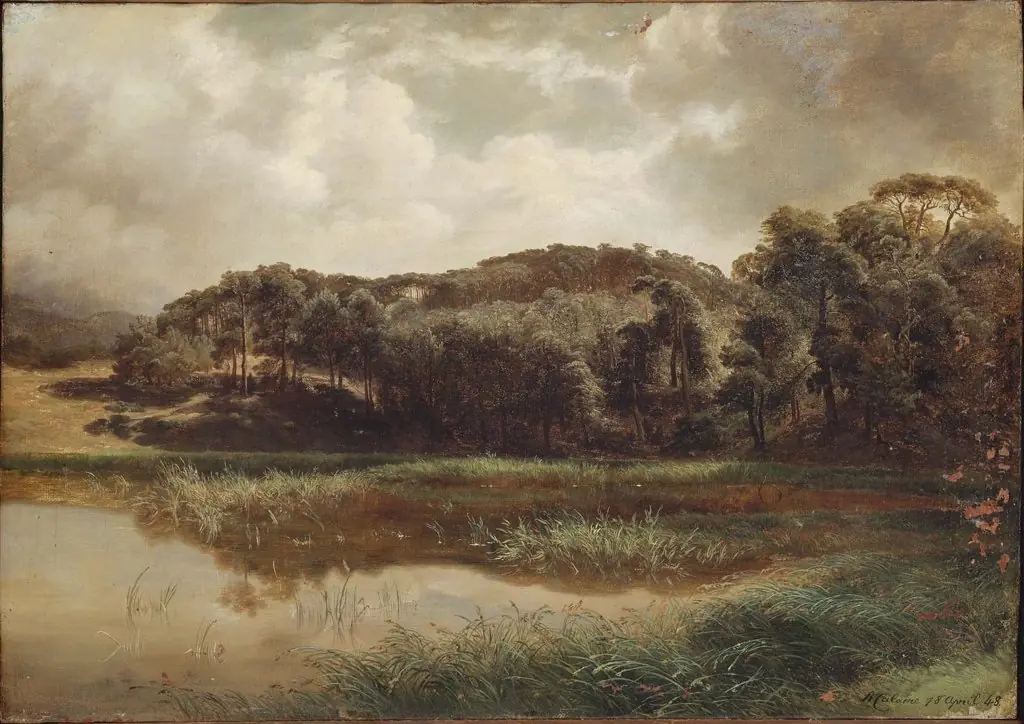 Lake at the Edge of a Forest
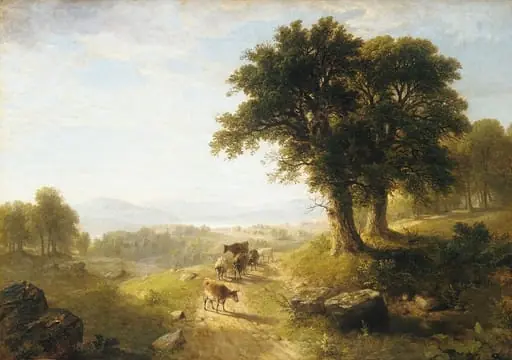 River Scene
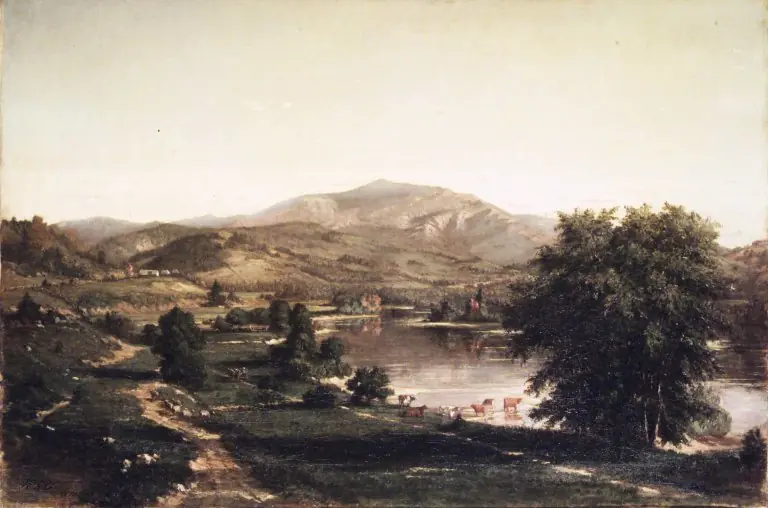 Welch Mountain from West Campton, New Hampshire
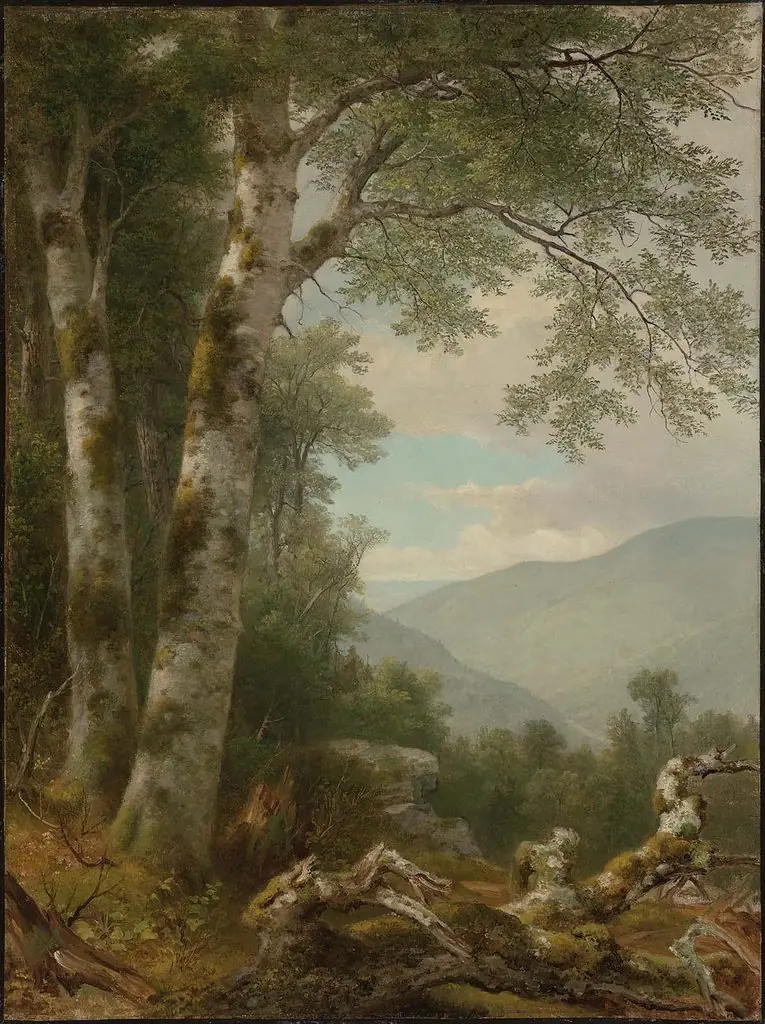 Landscape with Birches
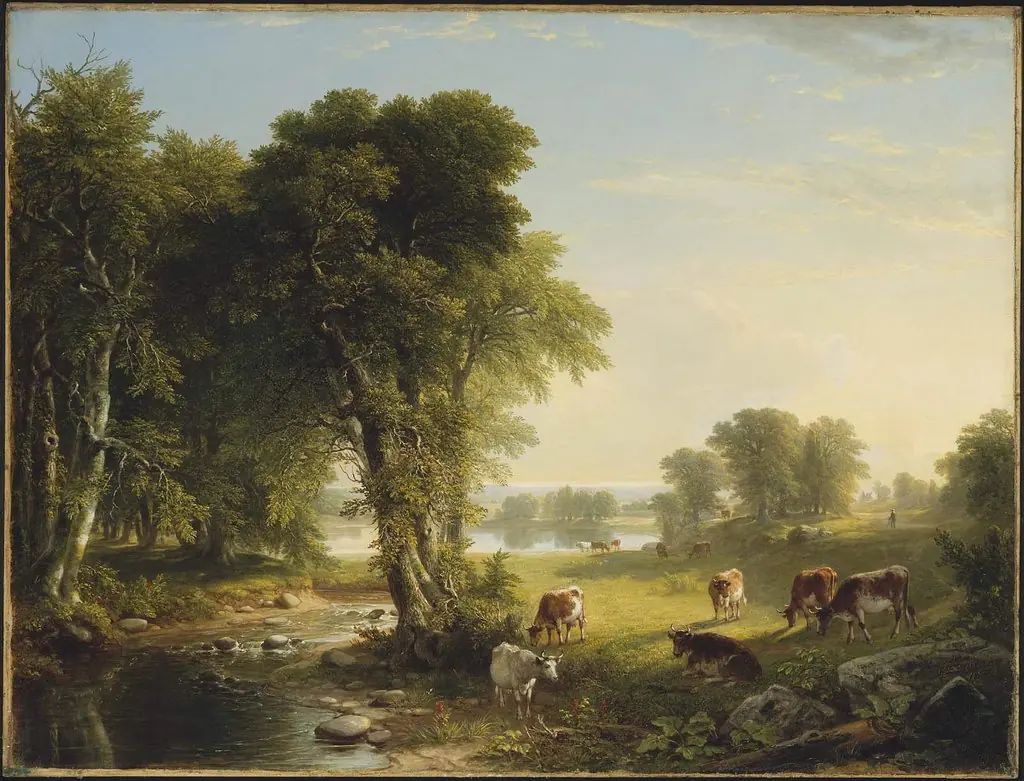 The Babbling Brook
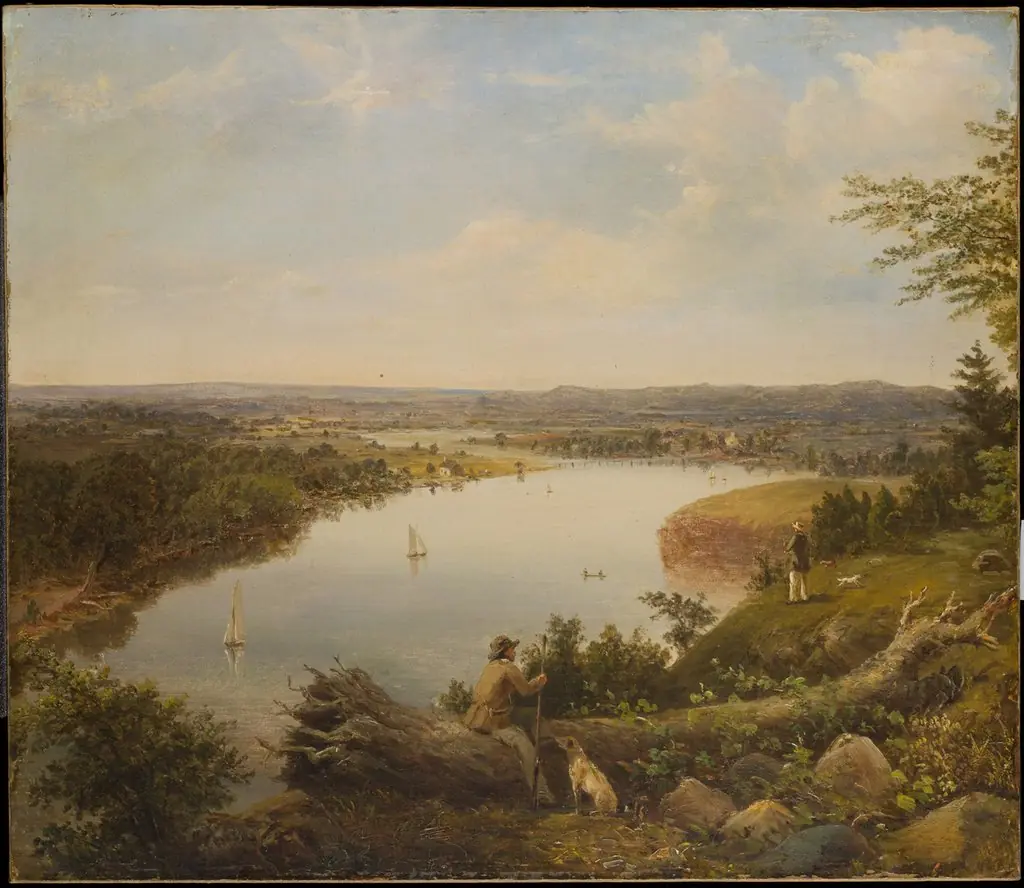 The Hudson River Valley near Hudson, New York
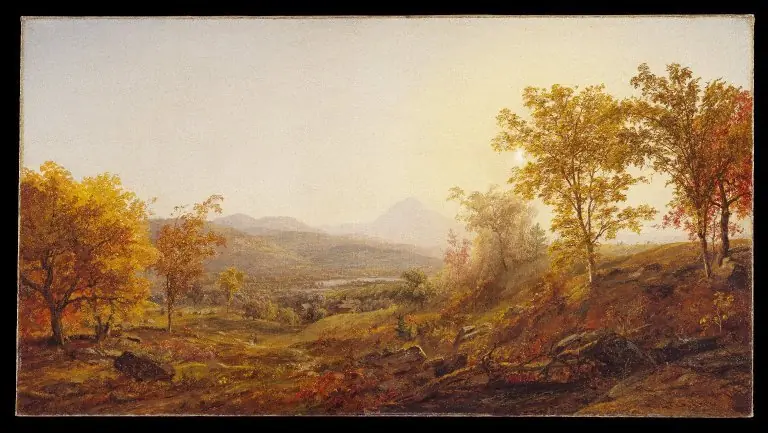 Autumn at Mount Chocorua
 Lake Nemi