Artwork
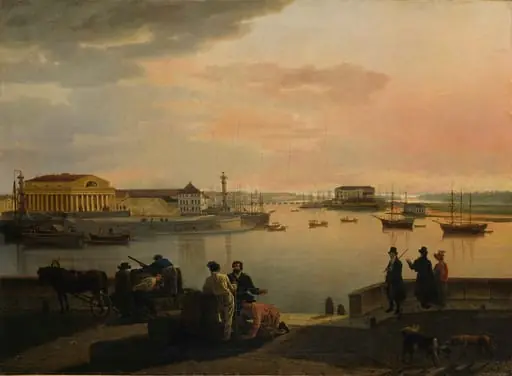
The View of the Embankment of Vasilyevsky Island near the Academy of Arts
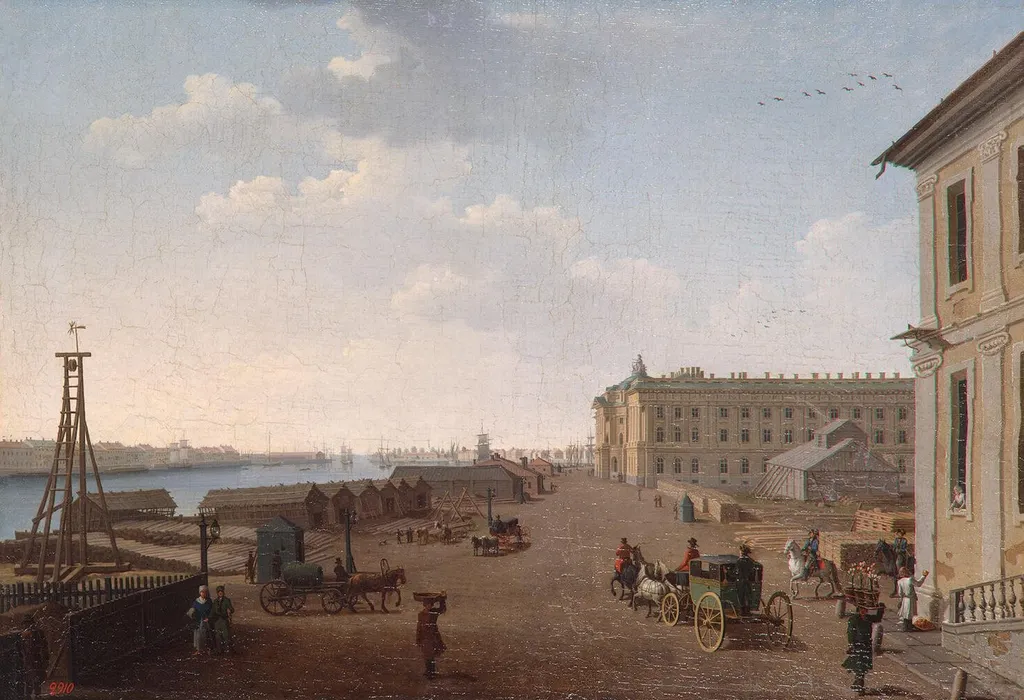
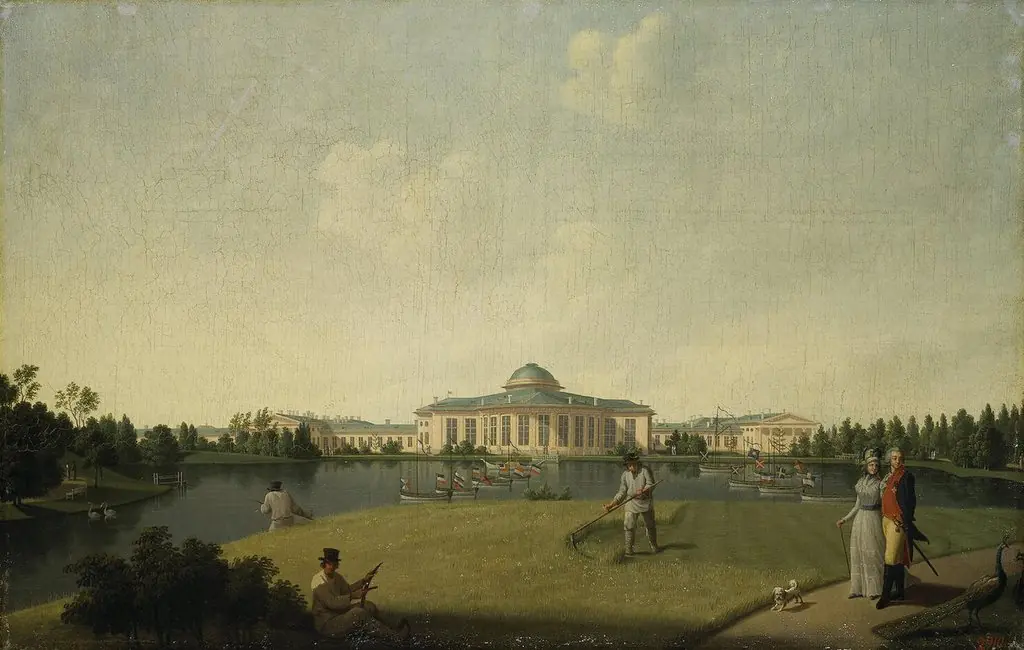
The View of the Embankment of Vasilyevsky Island near the Academy of Arts is an oil painting by Benjamin Patersen. It dates from 1800 and is held in the collection of the Hermitage Museum.
About this work
Overview
It is part of the State Hermitage Museum’s permanent collection, where it stands as one of several topographical views he produced during his time in Russia.
Painted in 1800 by Swedish-born artist Benjamin Patersen, this oil on canvas depicts a quiet urban scene along the embankment of Vasilyevsky Island in Saint Petersburg. The work reflects Patersen’s interest in documenting the city’s architectural order and daily life. It is part of the State Hermitage Museum’s permanent collection, where it stands as one of several topographical views he produced during his time in Russia.
Subject & Meaning
The painting captures a routine moment along a major thoroughfare near the Academy of Arts, showing pedestrians, horse-drawn carriages, and figures near a stone railing. The presence of the Academy’s facade anchors the scene in a place of learning and civic pride. Rather than dramatizing the moment, Patersen emphasizes the rhythm of urban existence, suggesting a quiet celebration of the city’s emerging modernity.
Technique & Style
Patersen employed a precise, restrained brushwork to render architectural details and atmospheric effects. The light blue sky with soft clouds provides a calm backdrop, while the buildings are rendered with careful perspective and regulated symmetry. Figures are minimally detailed but suggest movement and scale, reinforcing the painting’s documentary intent over emotional expression.
History & Provenance
Created during Patersen’s active years in Saint Petersburg, the painting was likely acquired by imperial collections soon after its completion. It entered the Hermitage’s holdings in the early 19th century and has remained there since. Its preservation reflects the institution’s early commitment to documenting Russian urban life through the work of foreign artists engaged in the empire’s cultural projects.
Context
In the early 1800s, Saint Petersburg was undergoing formal urban development under imperial direction. Vasilyevsky Island, home to the Academy of Arts, symbolized the city’s intellectual ambitions. Patersen’s view aligns with a broader trend among European artists to record the architecture and social fabric of growing capitals, blending observation with a sense of civic order.
Legacy
Patersen’s work contributed to a visual archive of Saint Petersburg’s transformation during the late imperial period. While not widely known outside Russia, his cityscapes remain valuable for their unembellished documentation of urban life. The painting continues to serve as a reference for historians studying the city’s 19th-century topography and social rhythms.
Artist & collection
Artist
Benjamin Patersen, or Patersson (Russian: Бенжамен Патерсен; 2 September 1748/50, in Varberg 1815, in Saint Petersburg), was a Swedish-born Russian painter and engraver known primarily for his cityscapes.

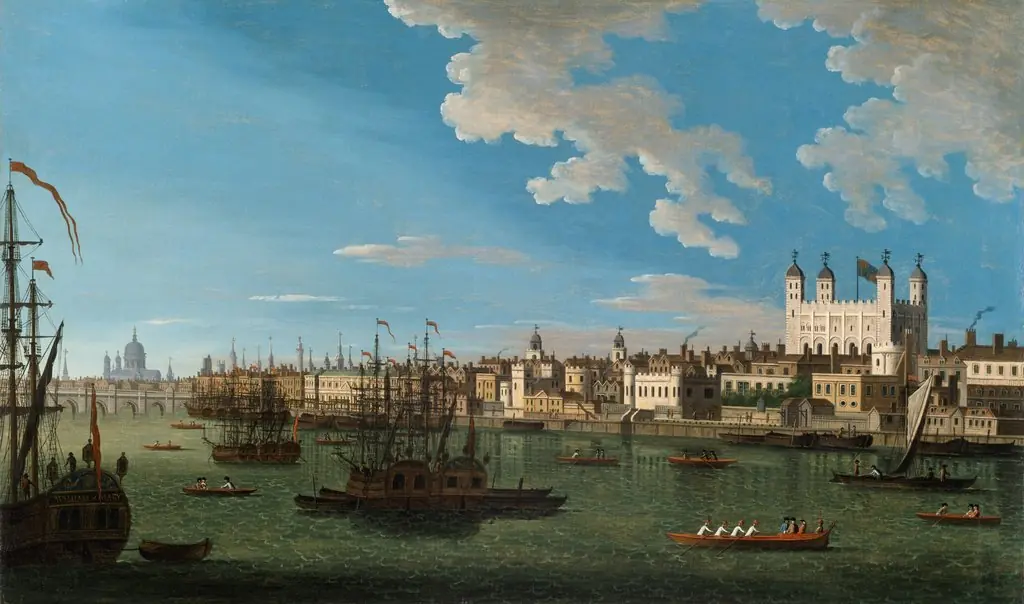 The Thames at the Tower of London with London Bridge and St. Paul's in the Distance
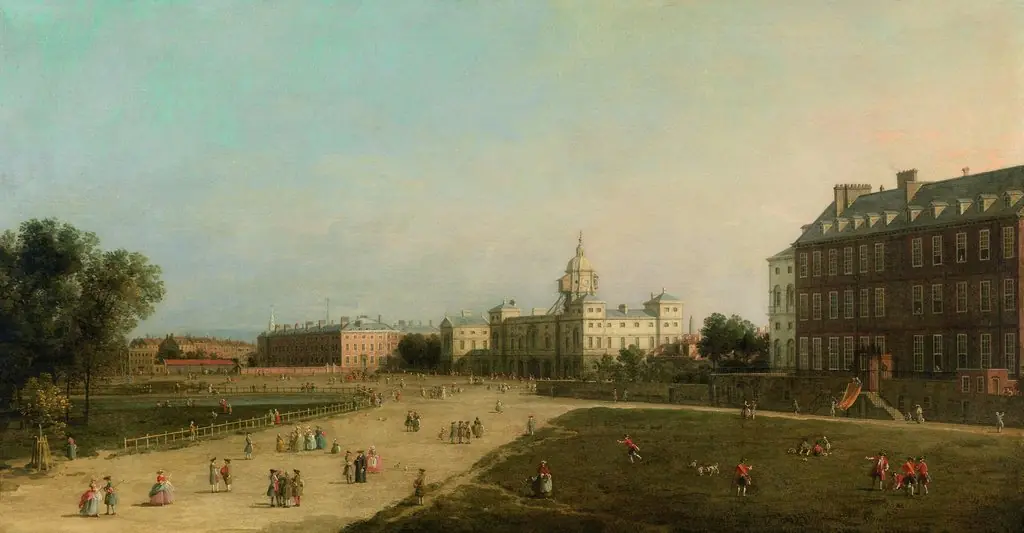 London: the New Horse Guards from St James's Park
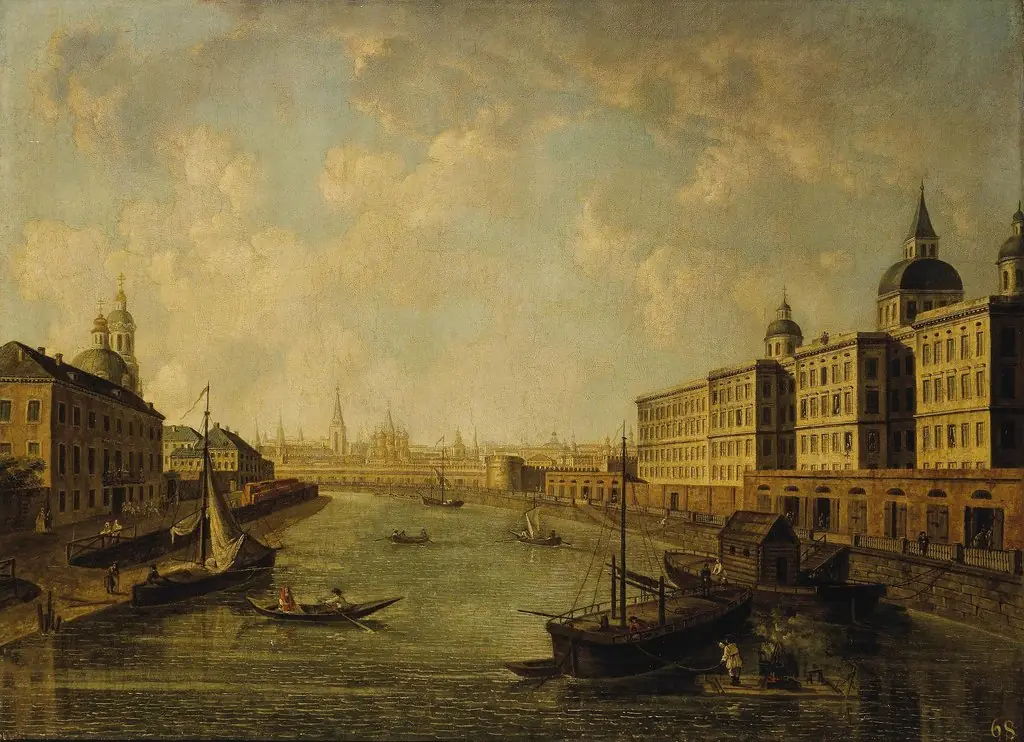 Вид Москвы. Воспитательный дом
 Näkymä Pietarista
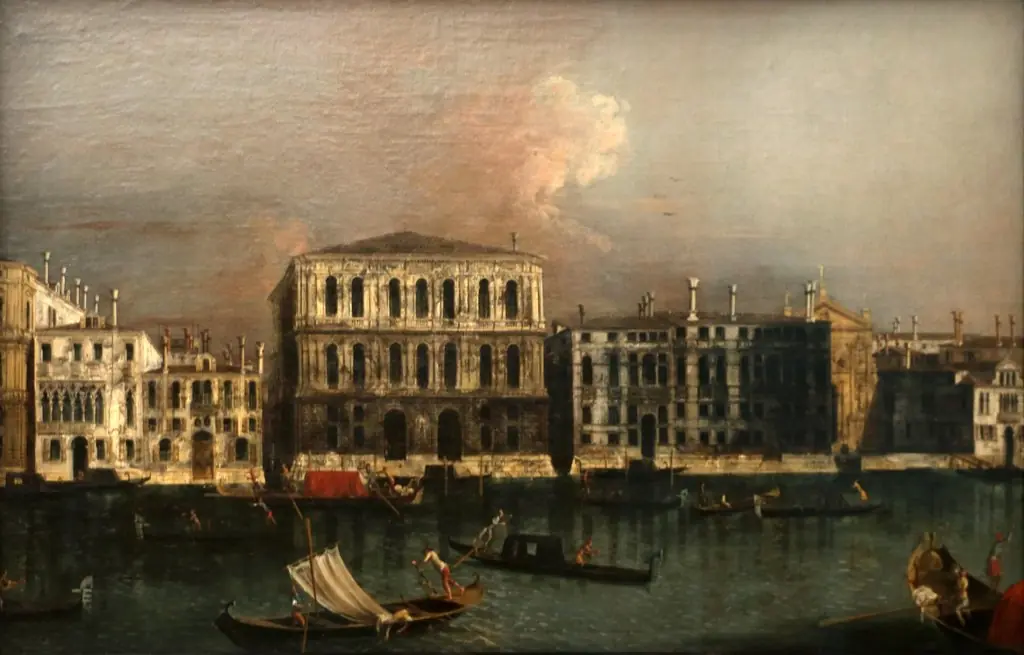 View of the Canal Grande in Venice with a Look at Ca'Pesaro
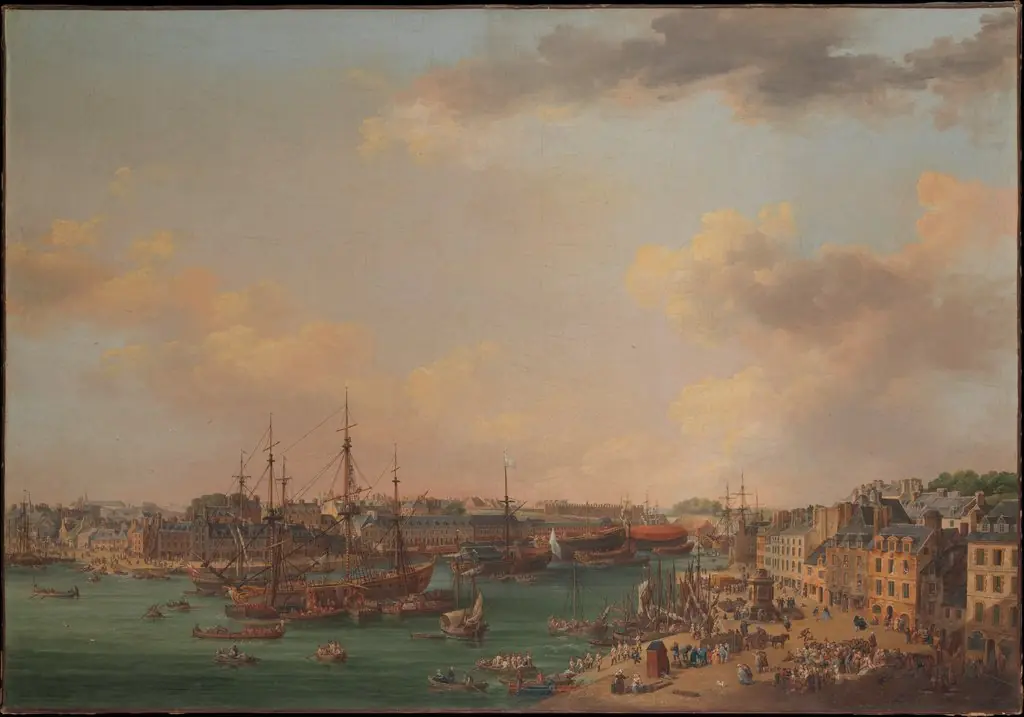 The Outer Harbor of Brest
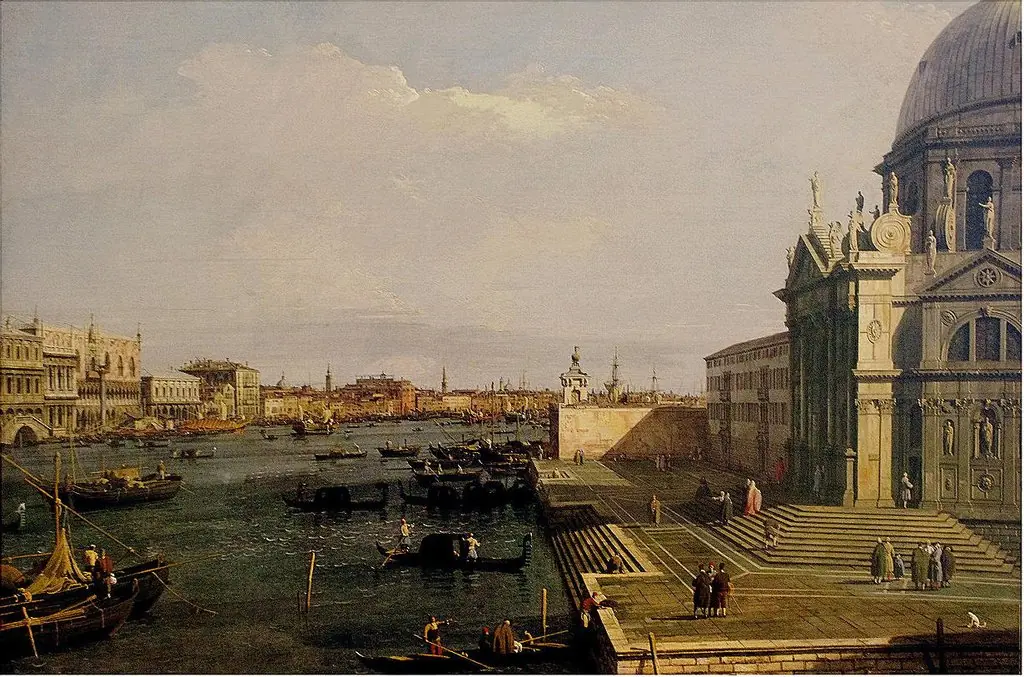 Santa Maria della Salute and Riva degli Schiavoni, Venice
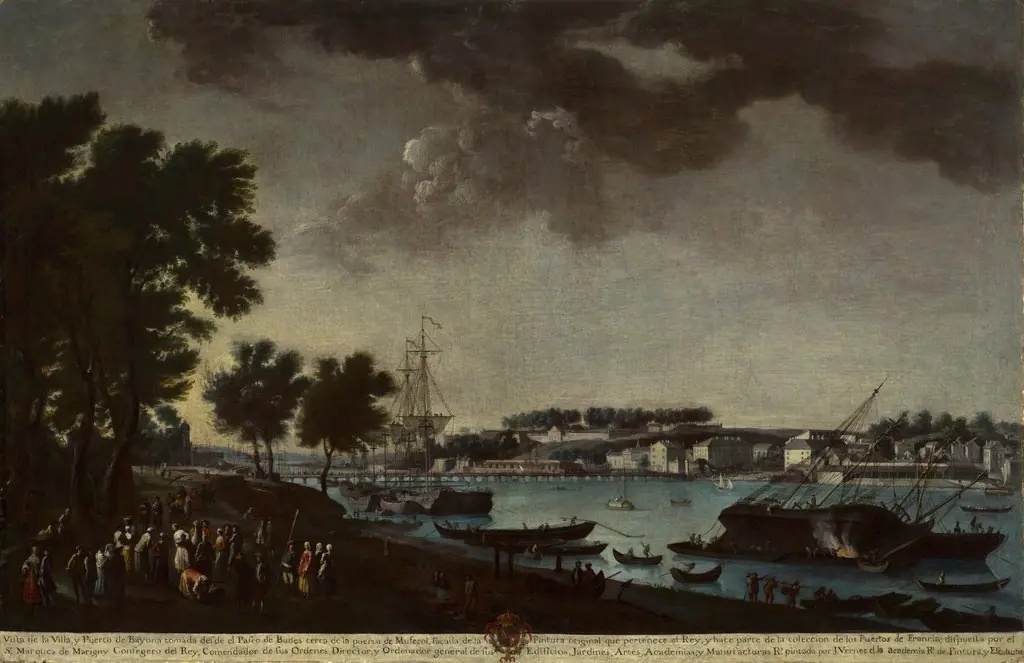 View of the Town and Port of Bayonne from the Pathways of Boufflers (La villa y puerto de Bayona tomada desde el paseo de Boufflers)
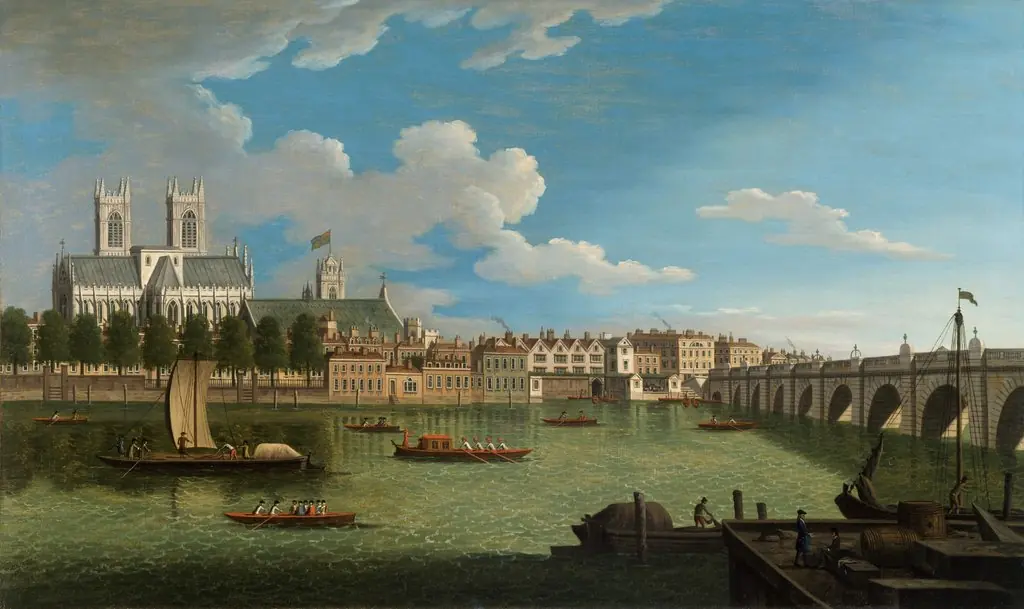 The Thames at Westminster Abbey