Artwork
St. Peter's First Sermon in the City of Jerusalem
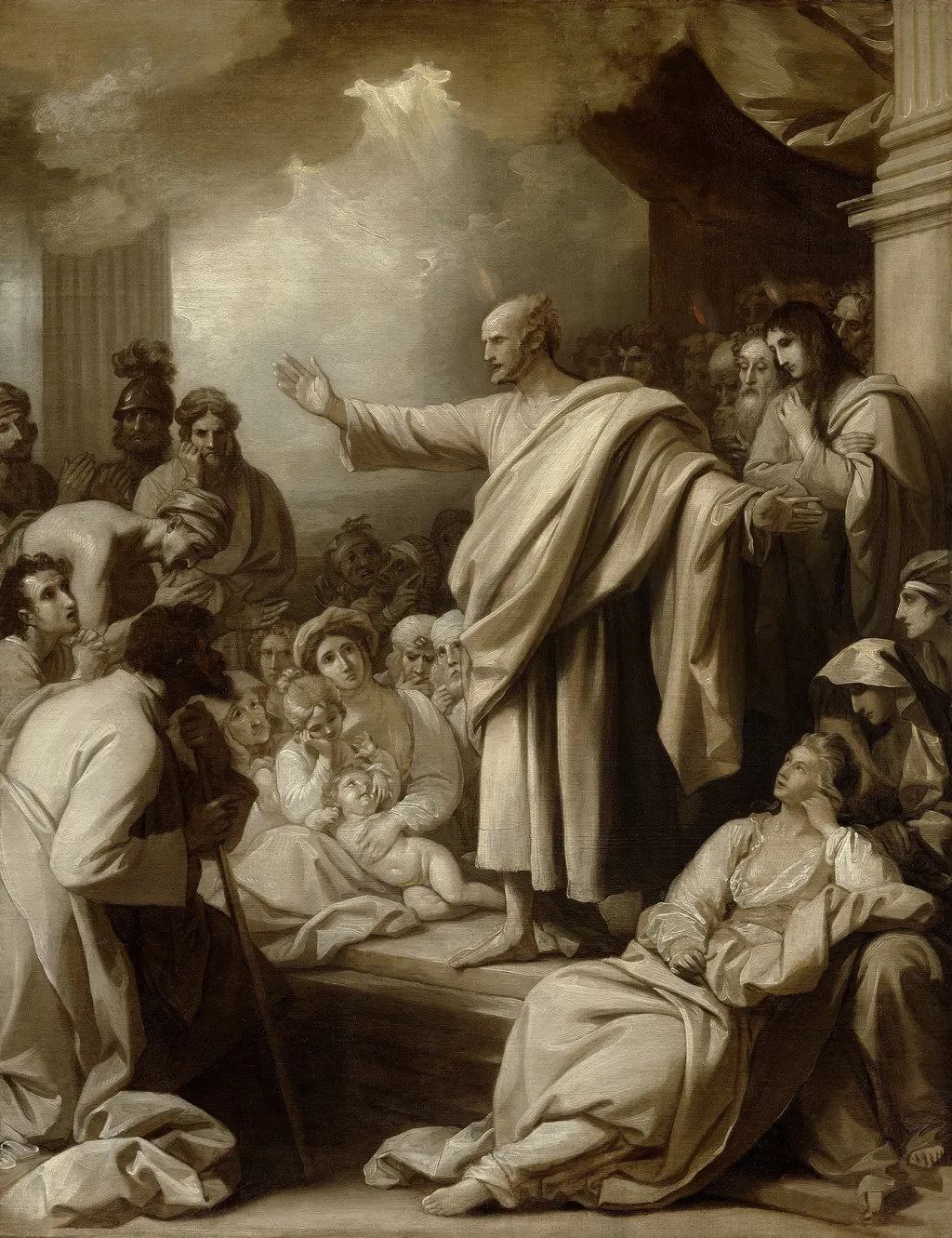
St. Peter's First Sermon in the City of Jerusalem is an oil painting by the Neoclassicist artist Benjamin West. It dates from 1780 and is held in the collection of the Museum of Fine Arts, Houston.
About this work
Overview
Executed in oil on canvas, it belongs to a series of biblical historical scenes he produced during his tenure as King’s Historical Painter.
Benjamin West, an American artist based in London, painted *St. Peter's First Sermon in the City of Jerusalem* circa 1780. Executed in oil on canvas, it belongs to a series of biblical historical scenes he produced during his tenure as King’s Historical Painter. The work reflects his commitment to grand narrative painting and his role in shaping British academic art. It is now part of the Museum of Fine Arts, Houston’s permanent collection.
Subject & Meaning
The painting illustrates the moment St. Peter delivers his first public sermon after Pentecost, as recounted in the Acts of the Apostles. He stands elevated, addressing a varied assembly of Jerusalem residents, symbolizing the universal reach of the early Christian message. His gesture—arm raised, hand on hip—conveys authority and conviction, while the attentive crowd underscores the transformative impact of his words.
Technique & Style
West employed a neoclassical approach, emphasizing clarity of form and controlled composition. The figures are rendered with precise anatomy and draped garments that suggest classical sculpture. The white robe of St. Peter contrasts with the muted tones of the crowd and architecture, directing focus to the central figure. Lighting is even and diffuse, avoiding dramatic chiaroscuro in favor of legibility and moral gravity.
History & Provenance
Commissioned during West’s peak influence in Britain, the painting was created as part of his broader project to elevate biblical subjects to the status of historical art. It remained in private collections before entering the Museum of Fine Arts, Houston’s holdings. Its journey reflects the 19th-century transatlantic interest in British academic painting and religious narrative art.
Context
In late 18th-century Britain, religious history painting was valued for its moral instruction and alignment with Enlightenment ideals of reason and virtue. West’s work responded to this cultural climate, blending biblical narrative with classical aesthetics. His position at the Royal Academy allowed him to promote this synthesis, influencing generations of artists who sought to merge faith with formal discipline.
Legacy
West’s depiction of St. Peter helped standardize visual representations of early Christian leaders in Western art. Though later movements favored more intimate or expressive styles, his emphasis on dignified composition and historical seriousness left a mark on academic traditions. The painting remains a reference point for how religious subjects were framed within institutional art practices of the period.
Own this work as a print
Artist & collection

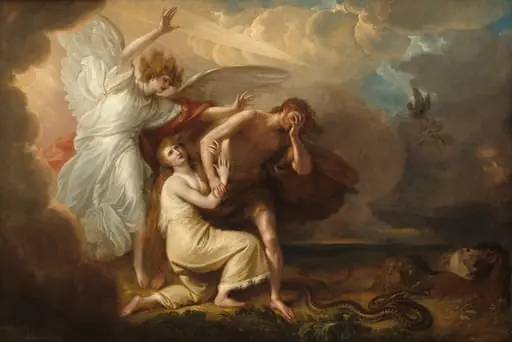 The Expulsion of Adam and Eve from Paradise
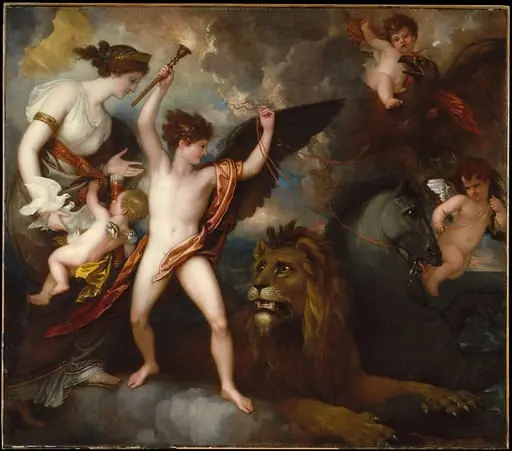 Omnia Vincit Amor, or The Power of Love in the Three Elements
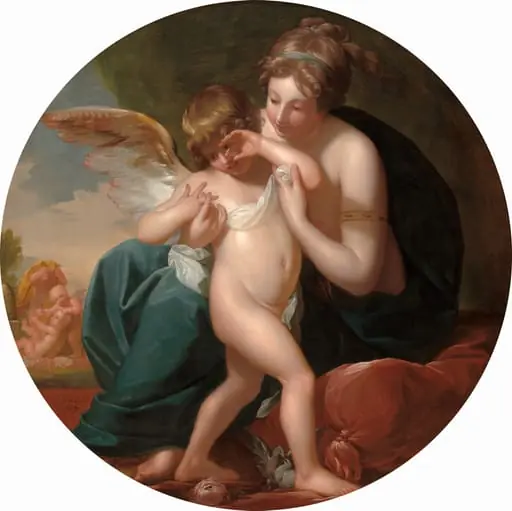 Cupid, Stung by a Bee, Is Cherished by his Mother
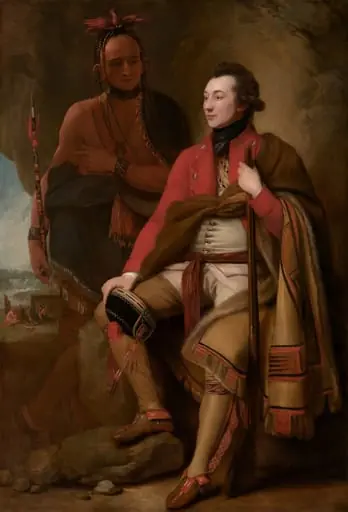 Colonel Guy Johnson and Karonghyontye (Captain David Hill)
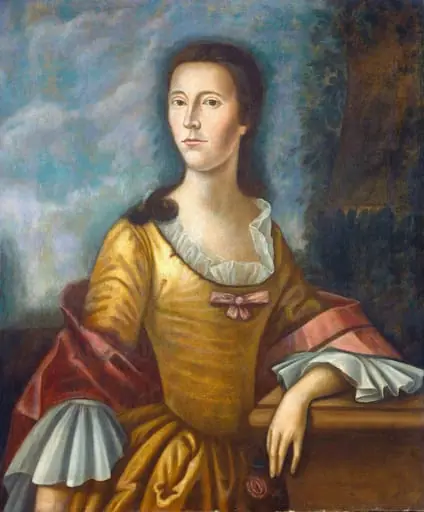 Mary Bethel Boude (Mrs. Samuel Boude)
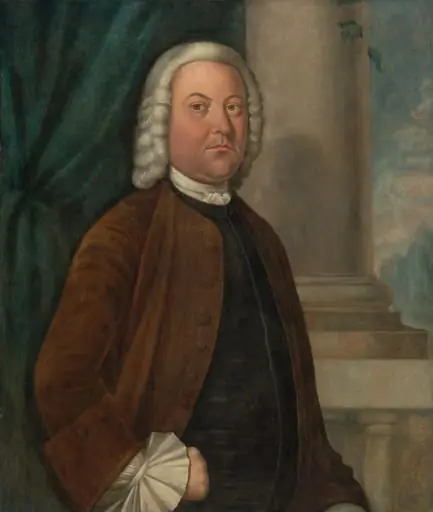 Dr. Samuel Boude
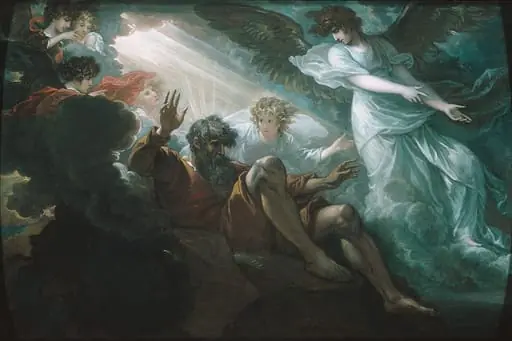 Moses Shown the Promised Land
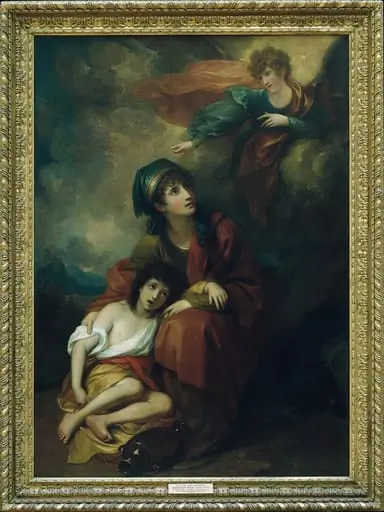 Hagar and Ishmael
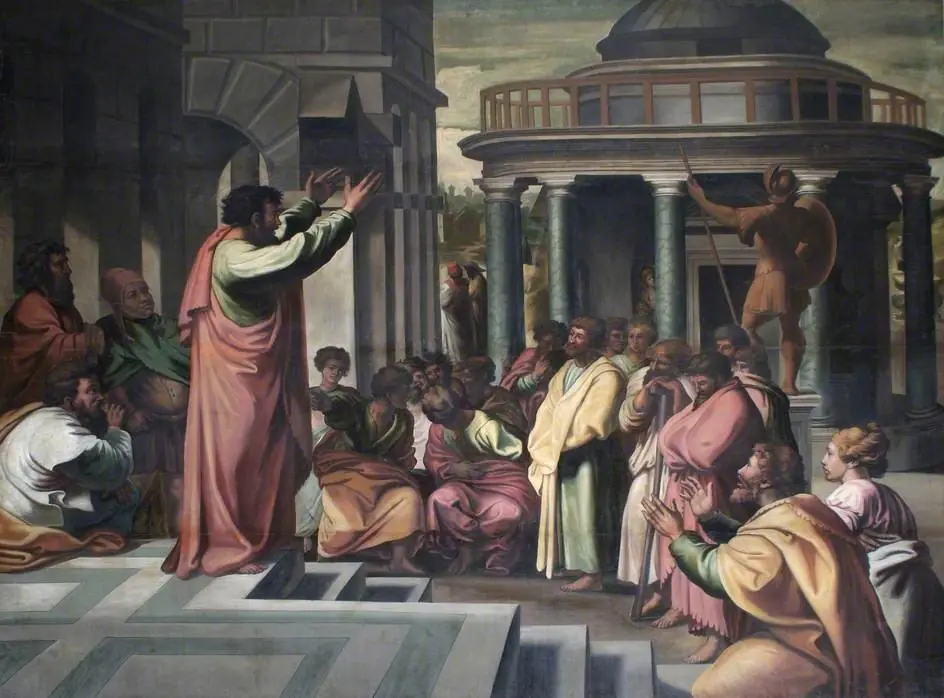 St Paul preaching at Athens
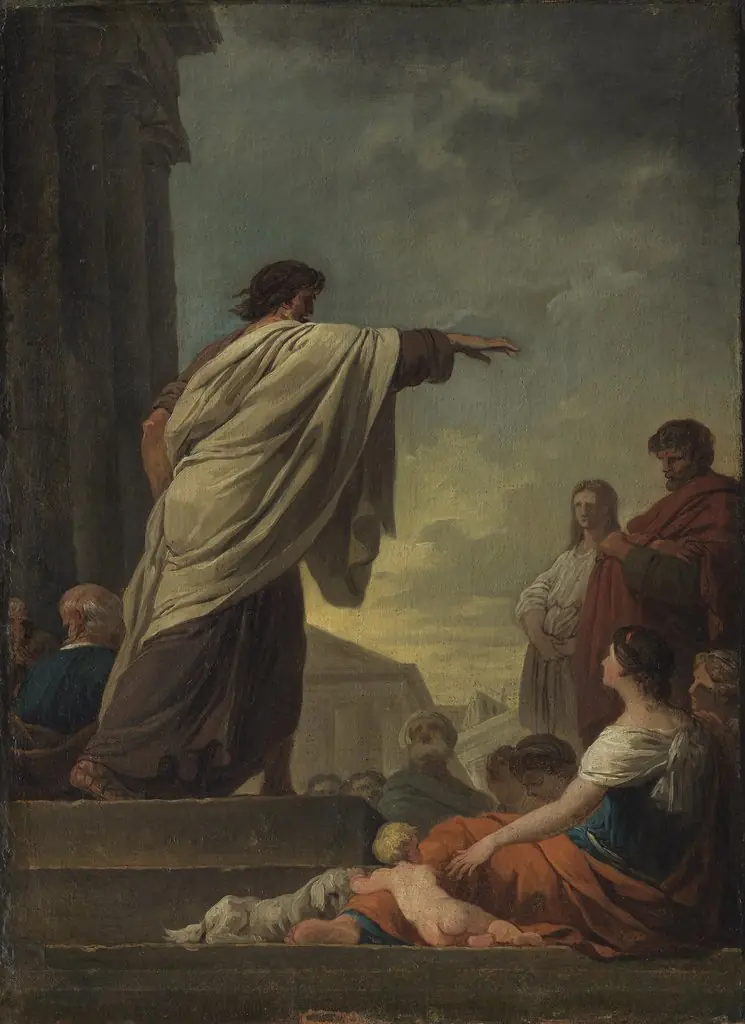 The Predication of Saint Paul
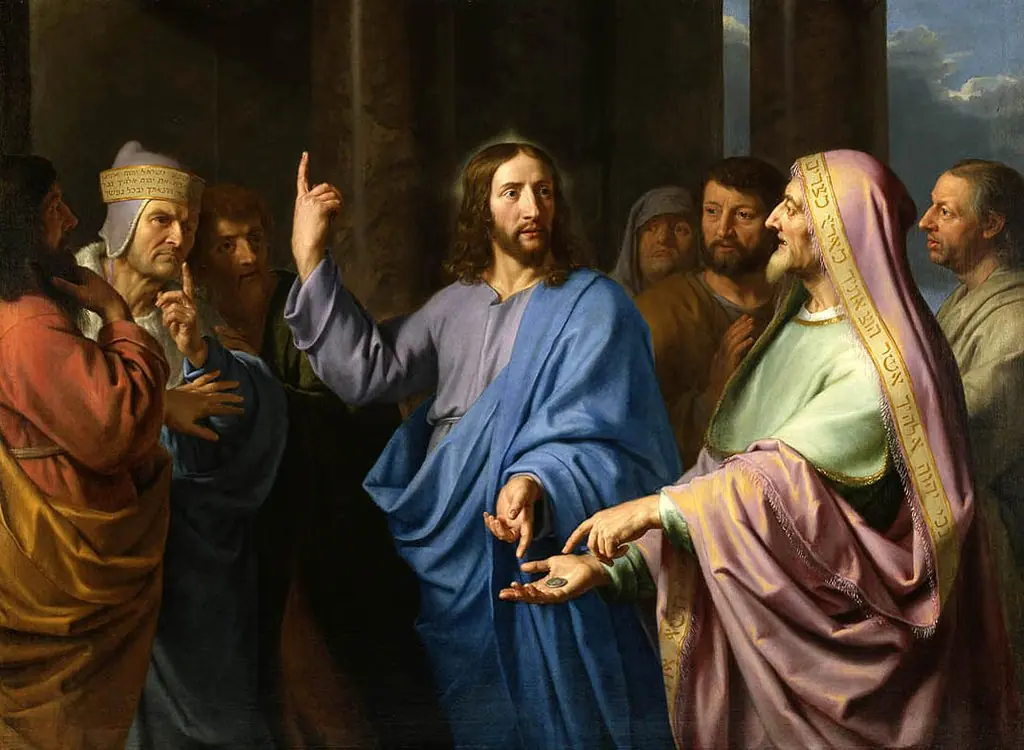 The Tribute Money
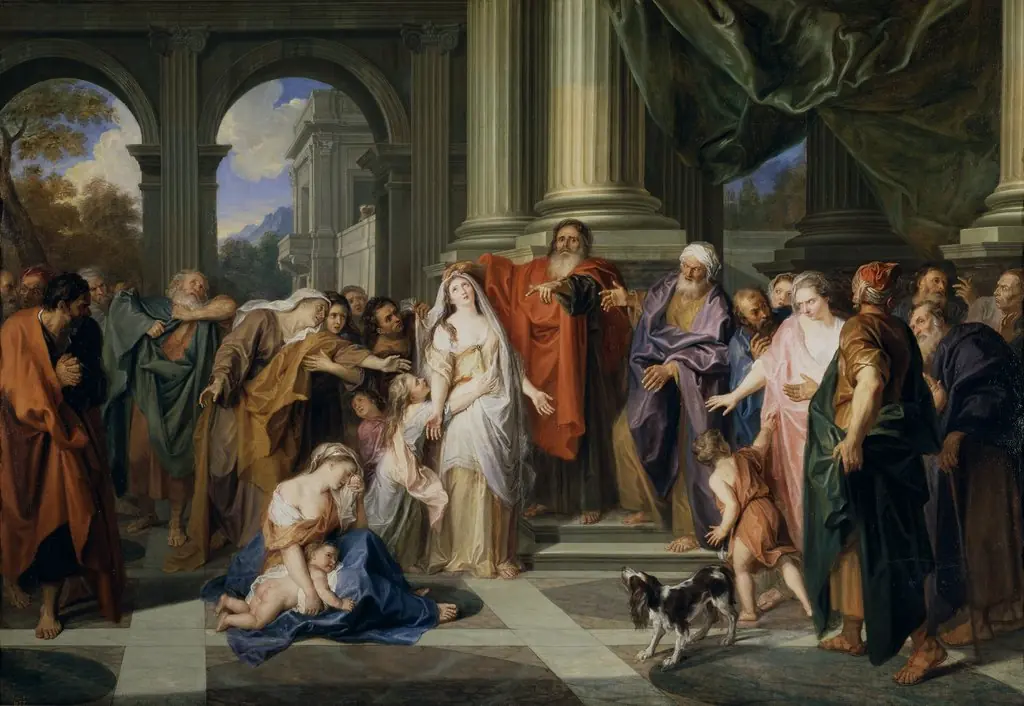 Susannah accused of adultery
 Paulus the Apostle defending himself at the Trial in Caesarea
 Kristus i templet
 Christ Preaching (La petite Tombe)
 Kristus i templet
 The Israelites Resting after the Crossing of the Red Sea
 Lasset die Kindlein zu mir kommen
 Democritus among the Abderitans
 Lazarus' opvækkelse