Artwork
The Tribute Money
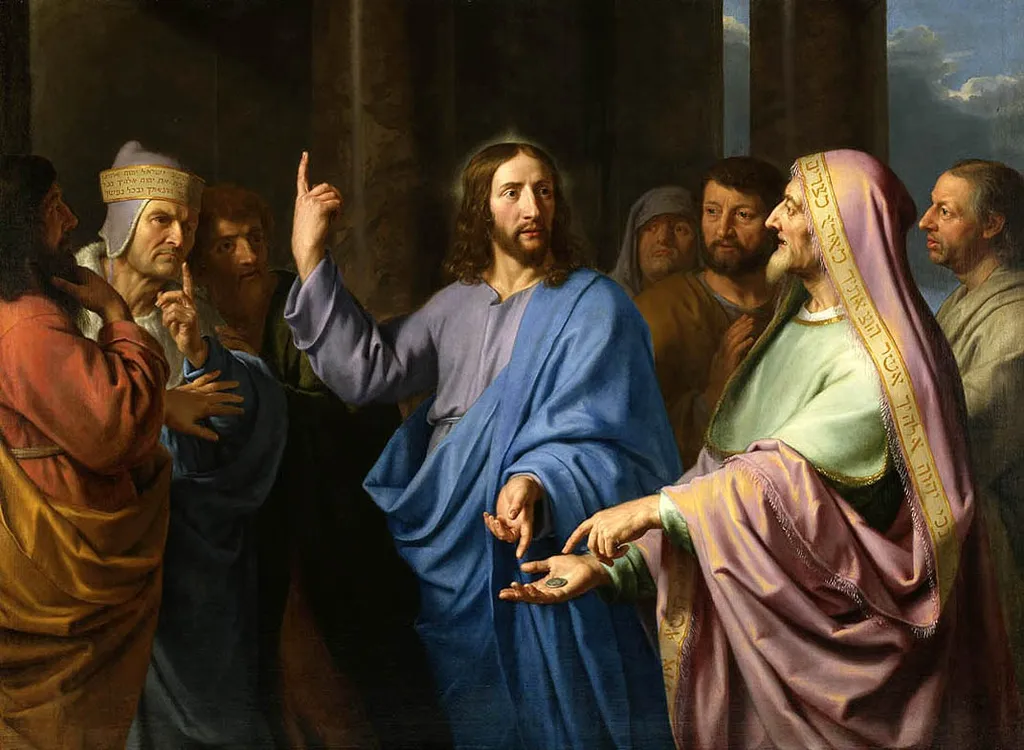
The Tribute Money is an oil painting by the French Classical Baroque artist Philippe de Champaigne. It dates from 1655 and is held in the collection of the Montreal Museum of Fine Arts.
About this work
Overview
Painted between 1663 and 1665, The Tribute Money is an oil on canvas work by Philippe de Champaigne, a Flemish-born artist active in France.
Painted between 1663 and 1665, The Tribute Money is an oil on canvas work by Philippe de Champaigne, a Flemish-born artist active in France. The painting illustrates a biblical episode from the Gospels in which Jesus responds to a question about paying taxes. It is currently held in the collection of the Montreal Museum of Fine Arts, where it remains one of the few major religious works by the artist in North America.
Subject & Meaning
The scene captures Jesus, centrally positioned, gesturing upward as he addresses a question about rendering tribute to Caesar. A figure to his right holds a coin, symbolizing the tax in question. The surrounding men, dressed in contemporary attire, reflect the moral tension of the moment: obedience to earthly authority versus spiritual duty. The composition emphasizes quiet deliberation rather than drama, underscoring the theological weight of the exchange.
Technique & Style
Champaigne employs a restrained palette and precise brushwork, typical of his late style. Figures are rendered with sculptural clarity against a muted architectural backdrop of stone columns and a faint sky. Light falls evenly, avoiding theatrical contrast, which enhances the contemplative mood. The clothing and gestures are carefully controlled, reflecting the artist’s commitment to clarity and spiritual gravity over emotional flourish.
History & Provenance
The painting was likely commissioned for a private or religious setting in France during Champaigne’s later years. It entered the Montreal Museum of Fine Arts in the 20th century, having passed through private collections in Europe. Its journey to Canada reflects broader patterns of European art dispersal following the 18th-century decline of aristocratic patronage.
Context
Created during the height of French Classicism, the work aligns with the era’s preference for order, moral clarity, and restrained emotion. Champaigne, a close associate of Jansenist thinkers, infused his religious scenes with quiet introspection. The Tribute Money reflects theological debates of the time, particularly around duty, authority, and conscience in a world increasingly shaped by state power.
Legacy
Though less widely known than his portraits, The Tribute Money exemplifies Champaigne’s ability to convey spiritual gravity through understated means. It stands as a testament to his mature style and his role in shaping French religious painting during the 17th century. The work continues to be studied for its quiet intensity and its reflection of Counter-Reformation ideals in secular contexts.
Artist & collection
Artist
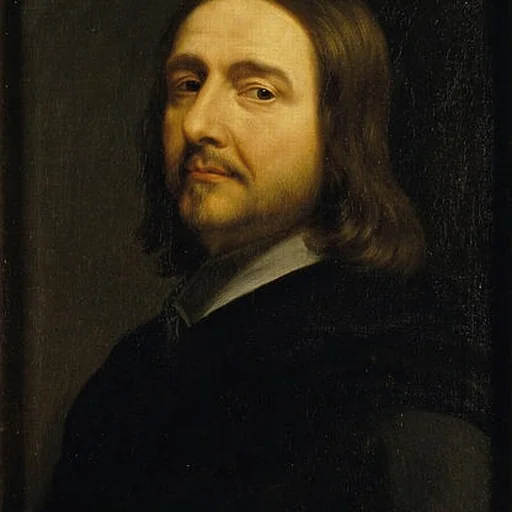
Philippe de Champaigne (French pronunciation: ; 26 May 1602 – 12 August 1674) was a Brabant-born French Baroque era painter, a major exponent of French Baroque painting.

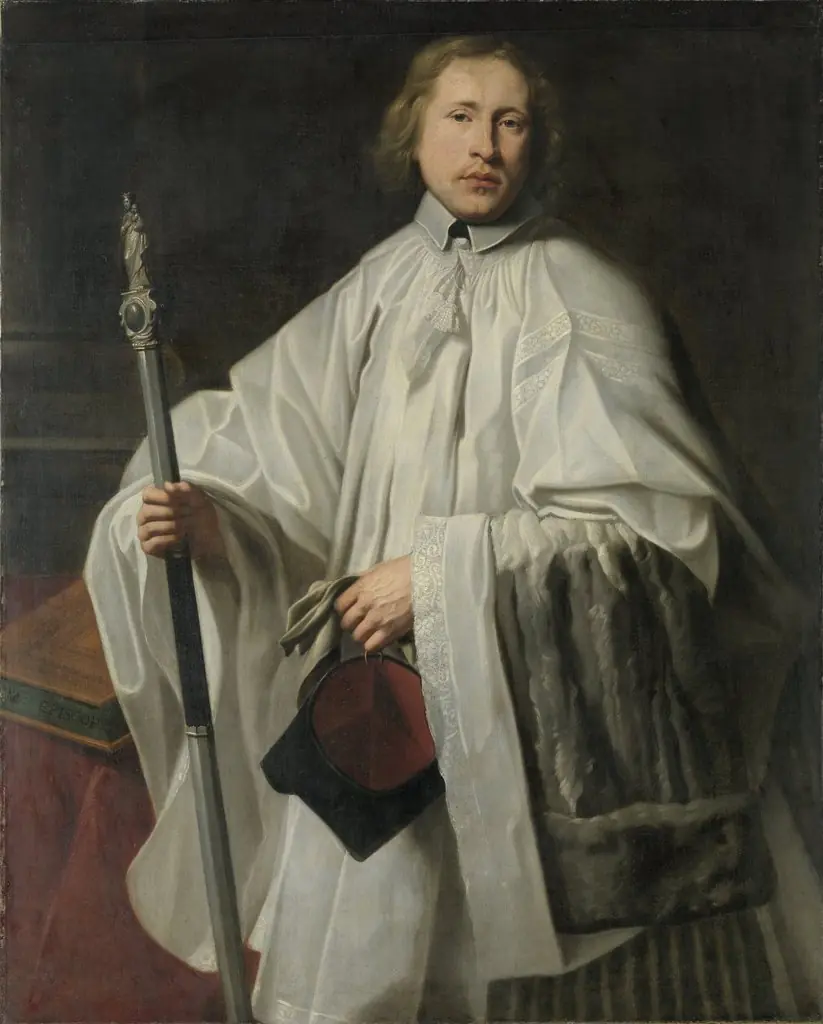
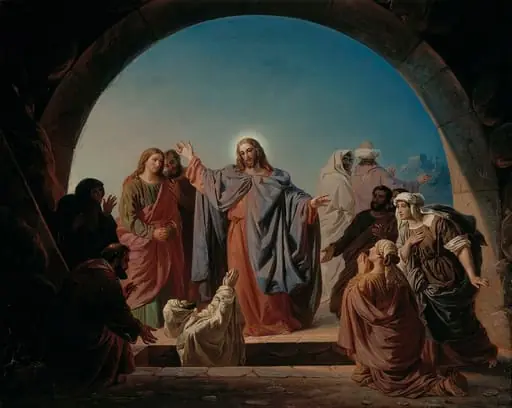 Jeesus herättää Lasaruksen, repliikki Turun Tuomiokirkon freskomaalauksesta
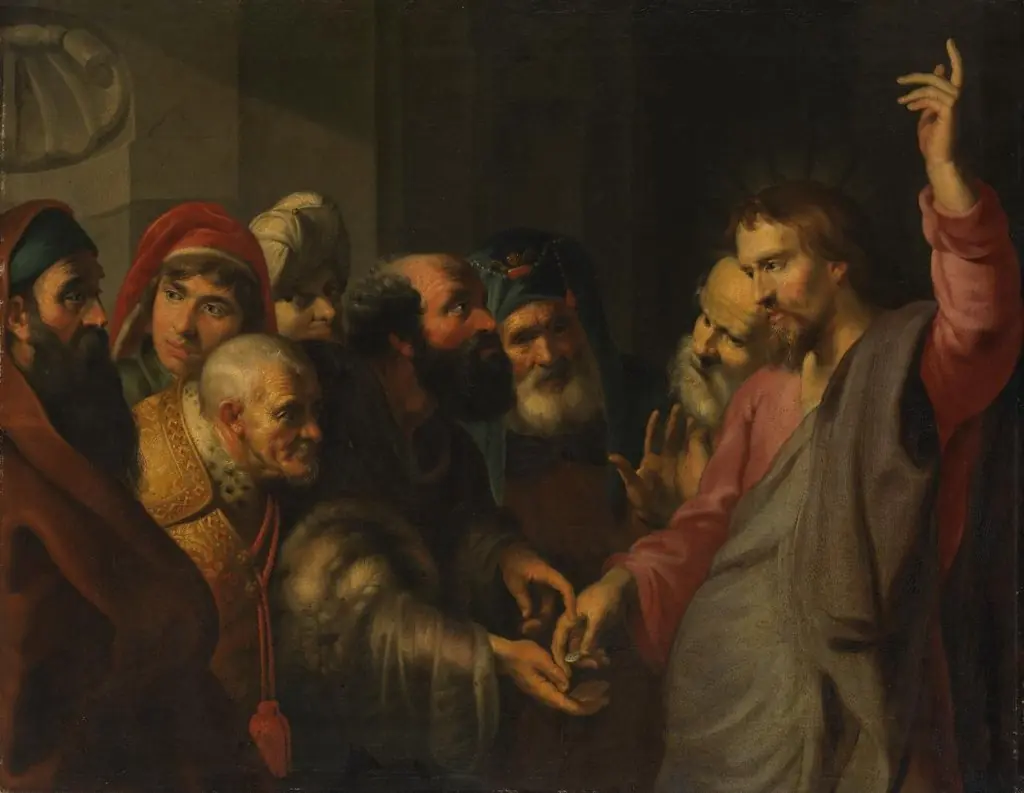 Der Zinsgroschen. Nach Peter Paul Rubens
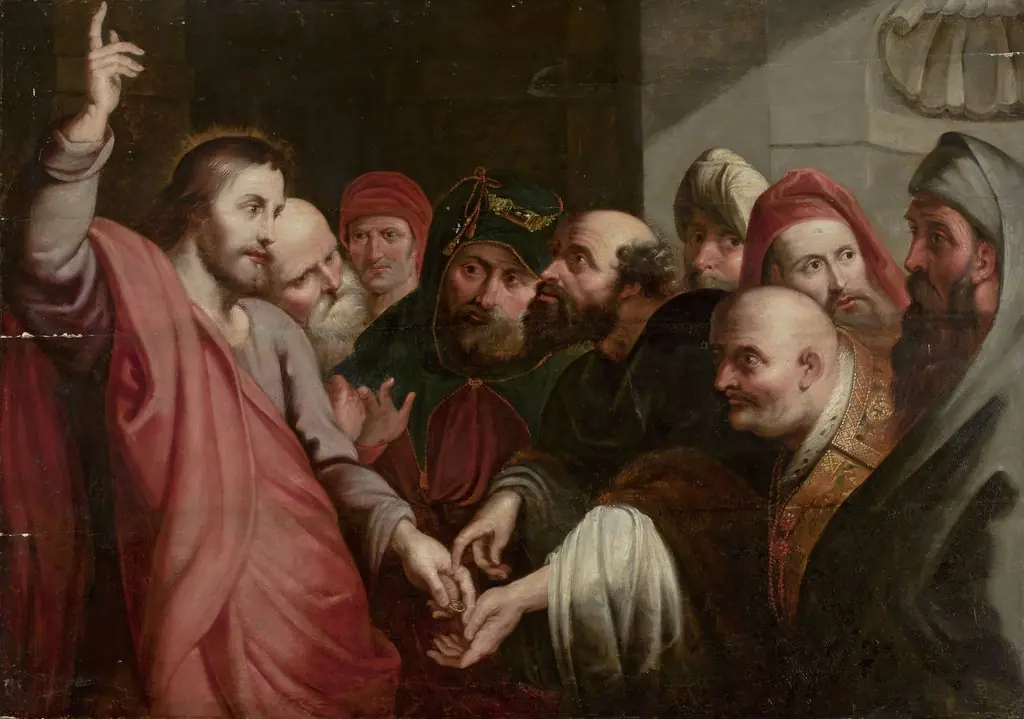 Tribute penny (Matthew 22:15–22; Mark 12:13–17; Luke 20:21–26)
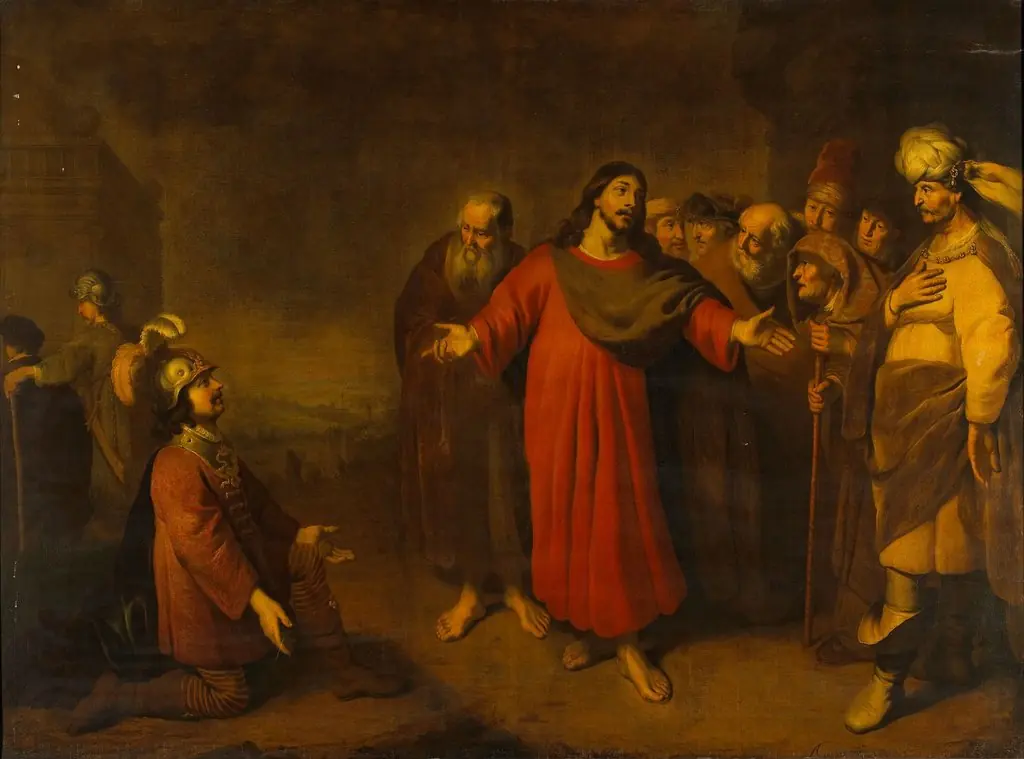 Christ and the Centurion
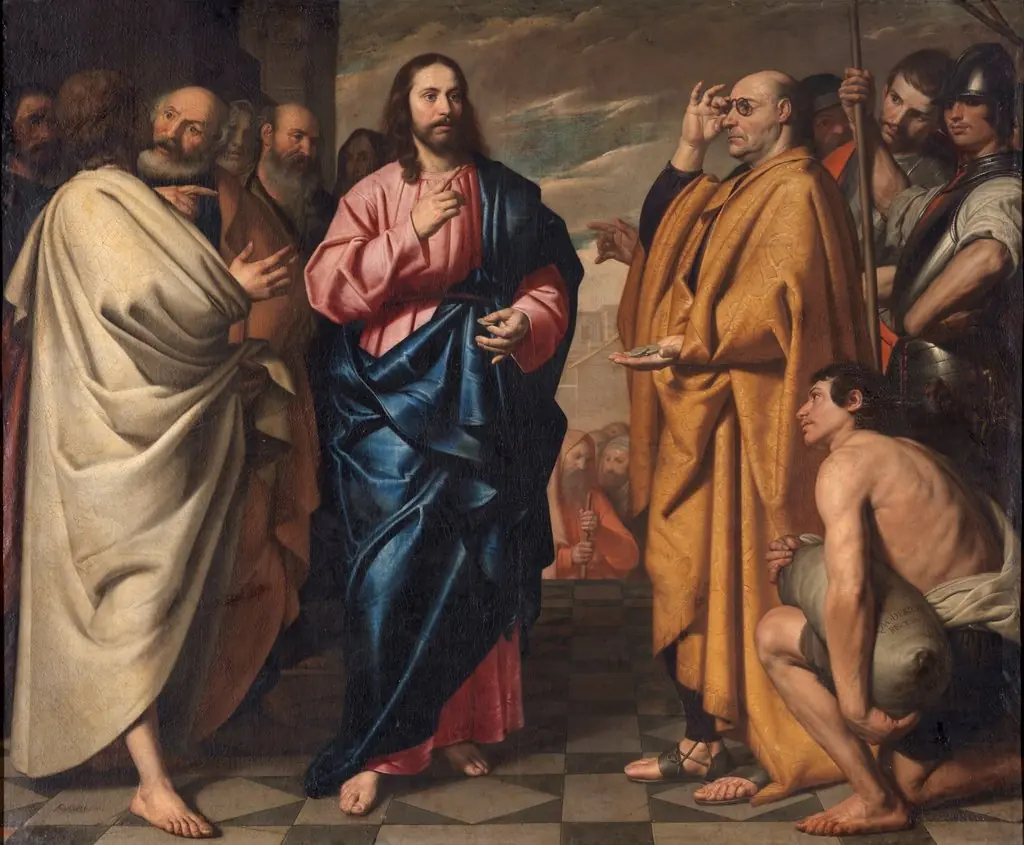 La moneda del César
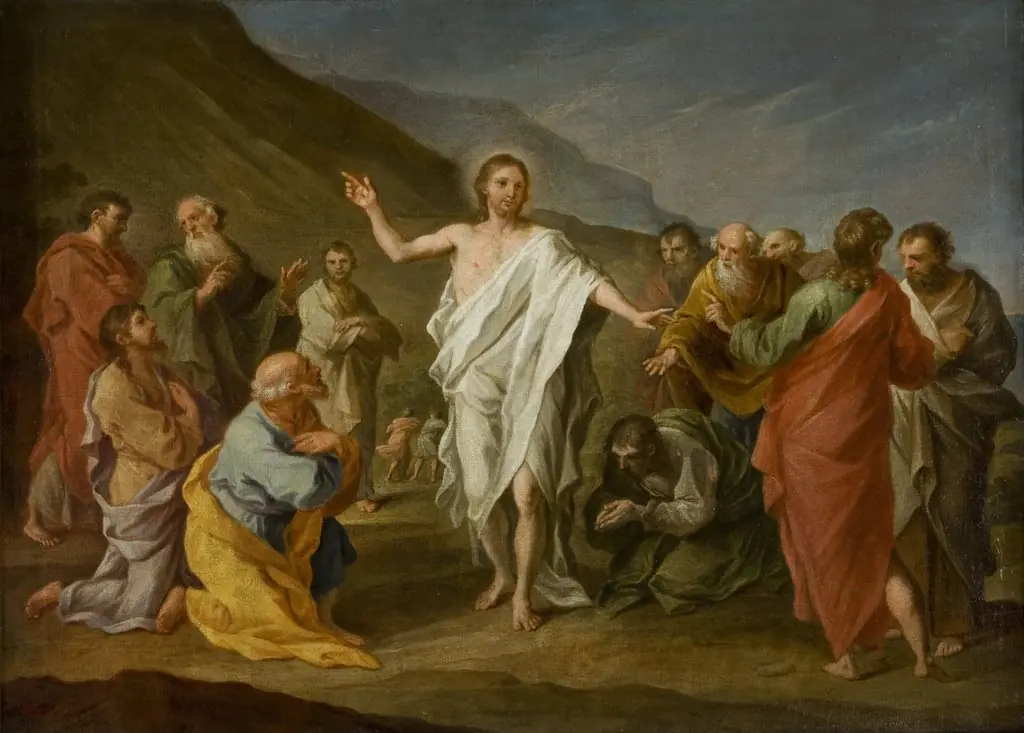 Christ Appearing to the Apostles after the Resurrection
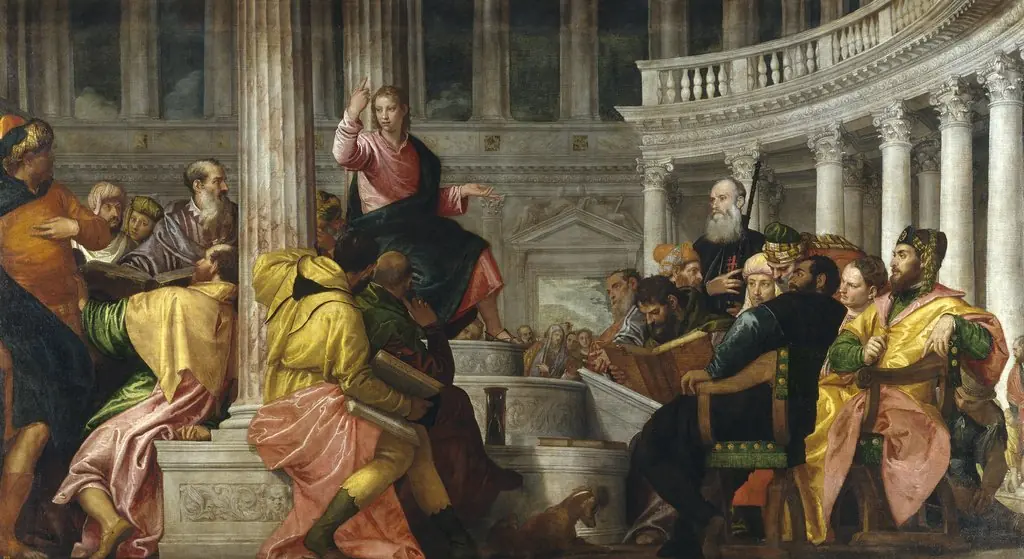 Christ Among the Doctors
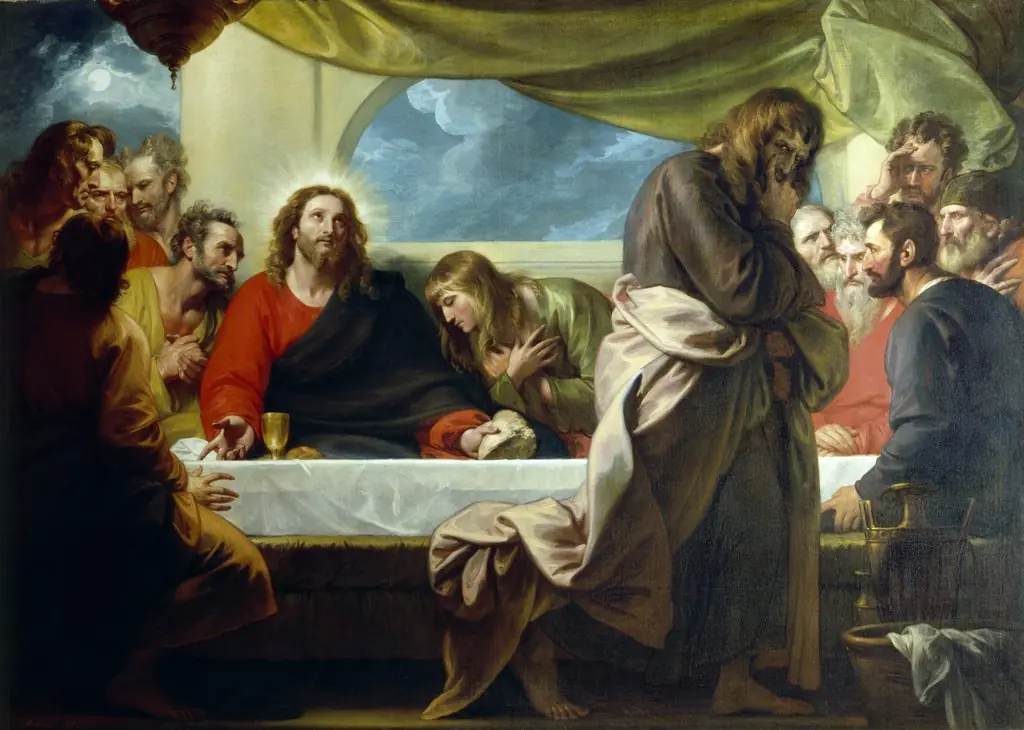 The Last Supper
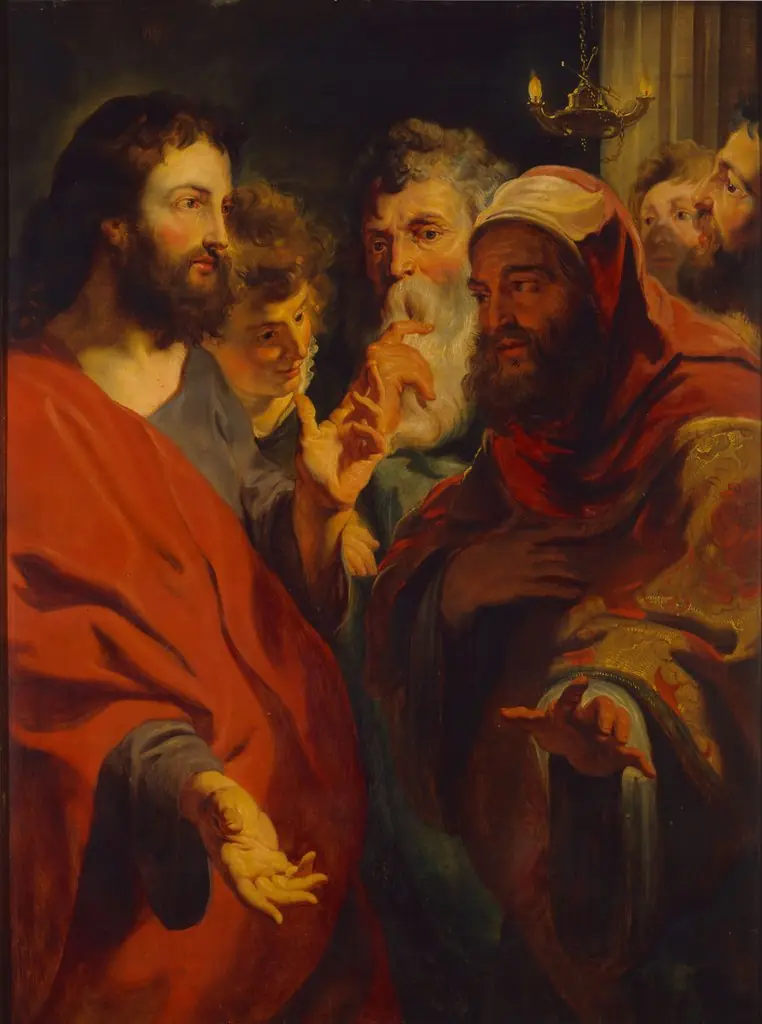 Christ instructing Nicodemus