Artwork
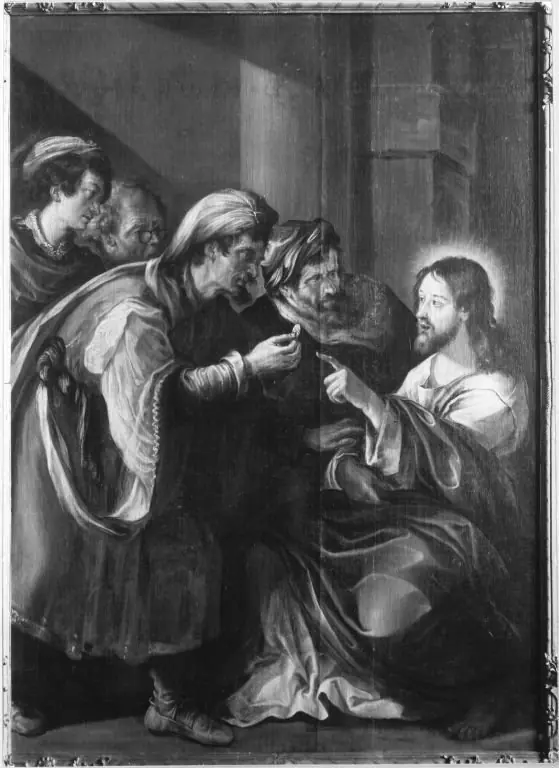
Kristus i templet
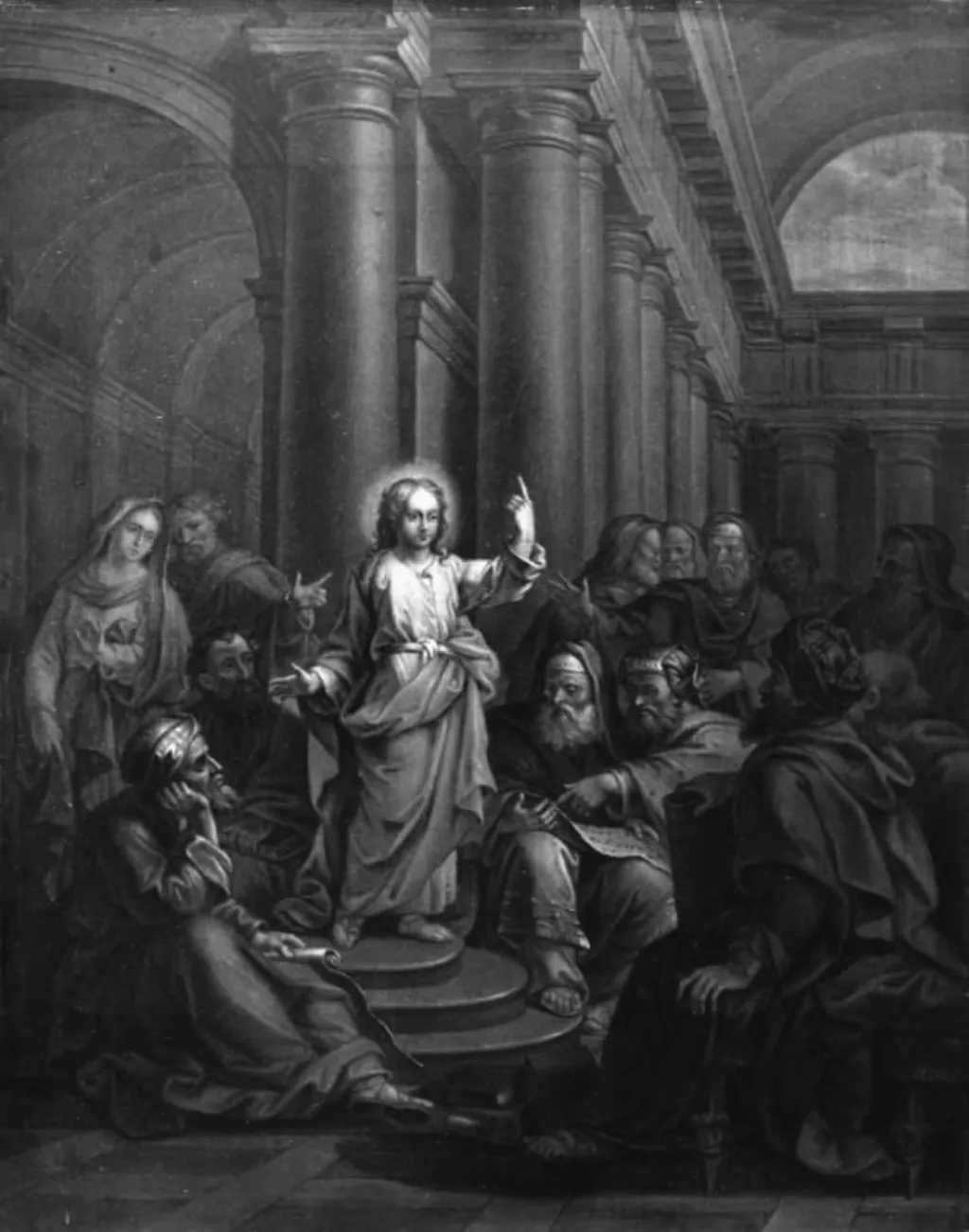
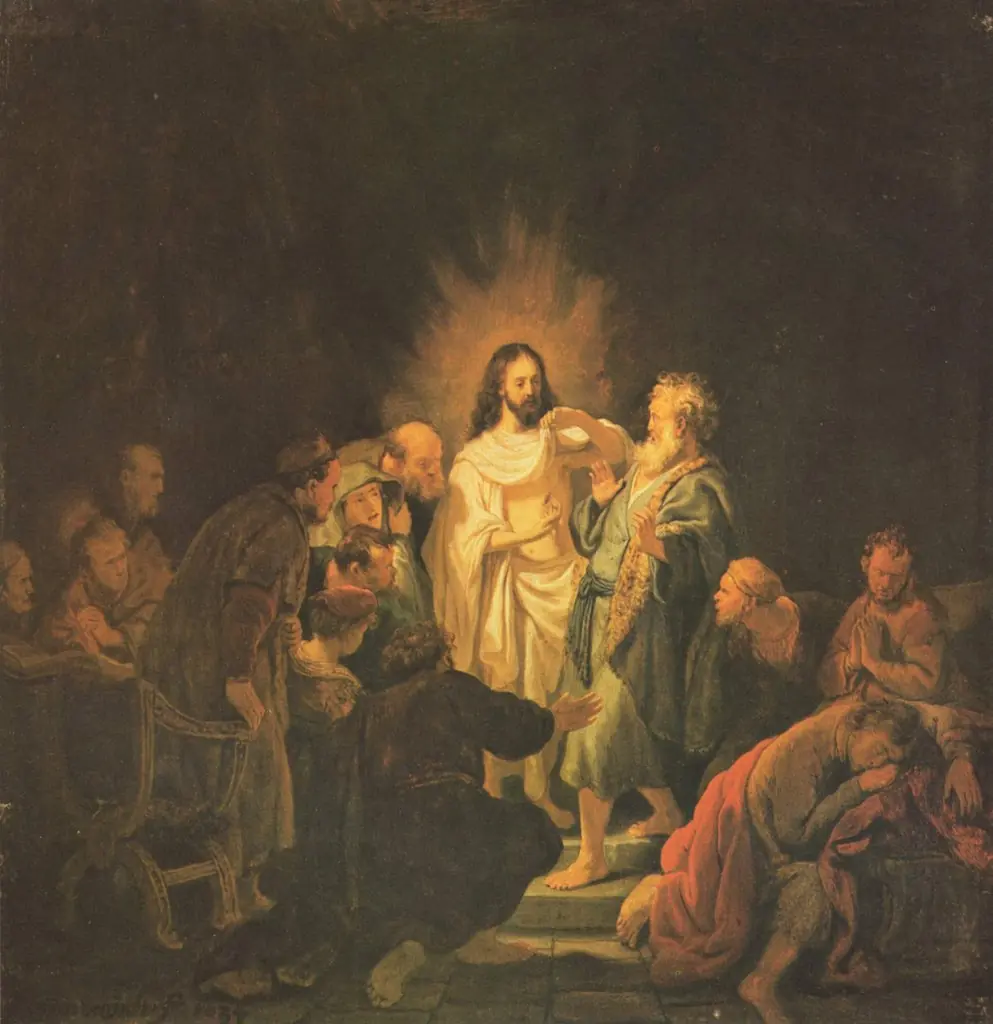
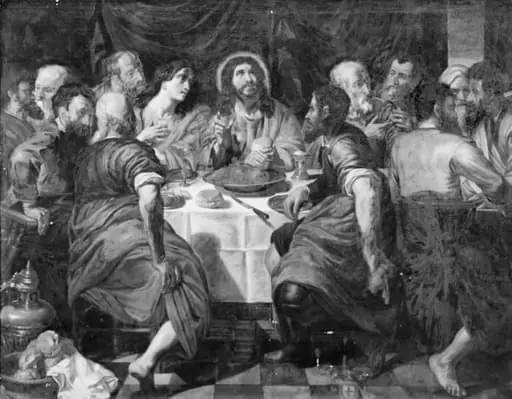
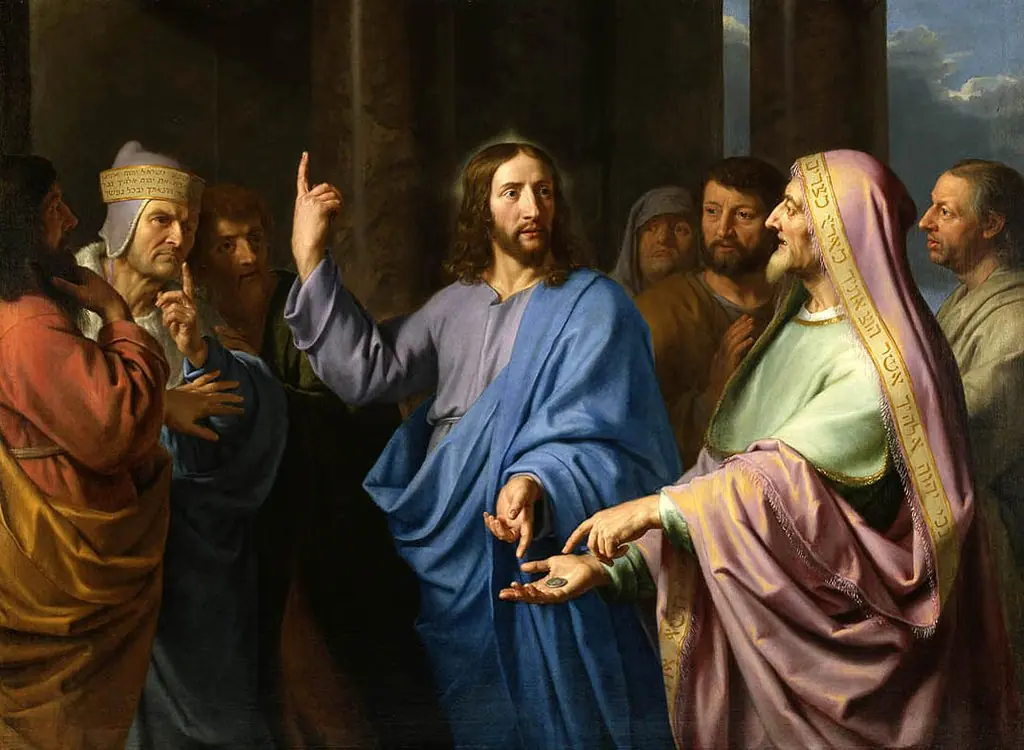
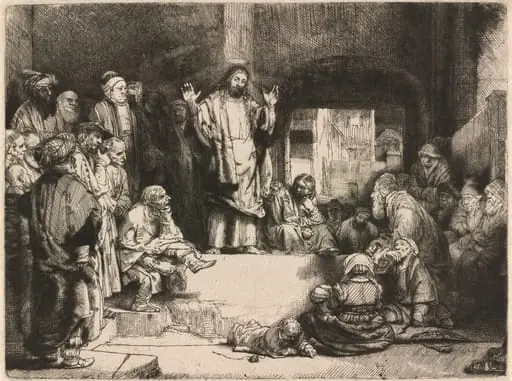
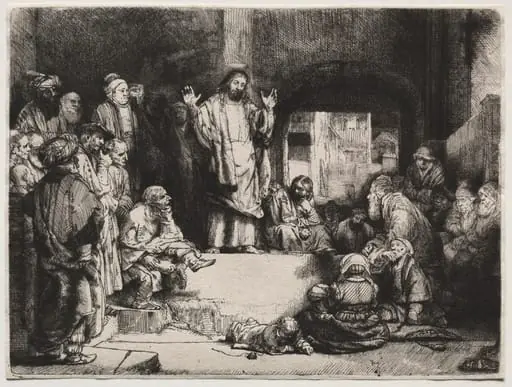
Kristus i templet is a photography by the Romanticist artist Unknown. It dates from 1829 and is held in the collection of the Statens Museum for Kunst. Created in 1829, this black-and-white photograph depicts a scene from the biblical story of Christ among the doctors in the temple.
About this work
Overview
Created in 1829, this black-and-white photograph depicts a scene from the biblical story of Christ among the doctors in the temple. The image is part of the collection at the Museum of Ethnography. Though the artist is unidentified, the composition reflects 19th-century photographic practices that sought to convey narrative and spiritual weight through staged lighting and arrangement.
Subject & Meaning
The setting, evoking a sacred architecture, reinforces the spiritual gravity of the moment, transforming a domestic space into a symbolic temple.
The scene illustrates the young Jesus engaging with religious scholars, as described in the Gospel of Luke. The central figure, pointing upward, symbolizes divine authority, while the attentive crowd—bearded men, a robed woman, and a kneeling child—represents varied responses to revelation. The setting, evoking a sacred architecture, reinforces the spiritual gravity of the moment, transforming a domestic space into a symbolic temple.
Technique & Style
The photograph employs strong chiaroscuro, using stark contrasts between light and shadow to isolate the central figure. This dramatic illumination draws focus to the youth’s gestures and expression, while the surrounding figures recede into dimness. The composition, framed by stone arches, mimics classical painting conventions, suggesting an attempt to elevate photography to the status of historical or religious art.
History & Provenance
The photograph entered the Museum of Ethnography’s collection shortly after its creation, likely acquired as part of a broader effort to document religious narratives through visual media. Its origin as a studio photograph, possibly made for educational or devotional use, aligns with 19th-century trends in religious imagery. No record of prior ownership or exhibition exists beyond its institutional acquisition.
Context
In the 1820s, photography was emerging as a tool for recording both documentary and symbolic subjects. This image reflects a period when artists and photographers adapted biblical themes to new media, often staging scenes with actors and artificial lighting. The temple-like interior and formal poses suggest influence from contemporary religious paintings and theatrical tableaux popular in European visual culture.
Legacy
Though not widely reproduced, the photograph remains a rare early example of biblical narrative rendered through photographic means. It contributes to the historical record of how religious stories were visualized in the pre-cinematic era, bridging traditional iconography and the new possibilities of mechanical reproduction. Its preservation underscores the museum’s role in safeguarding early photographic experimentation.
Artist & collection

 Domestic Scene
 Giacomo and Cardinal Marco, investing Andrea, Abbot of San Zeno, with his Benefice
 The Nymph of Fontainebleau
 Portrait of a Woman
 Madonna and Child with Saints in the Enclosed Garden
 Venus and Minerva
 Family Group of Four on Sofa
 Wall painting from Room H of the Villa of P. Fannius Synistor at Boscoreale