Artwork
Niagara Falls from the Table Rock
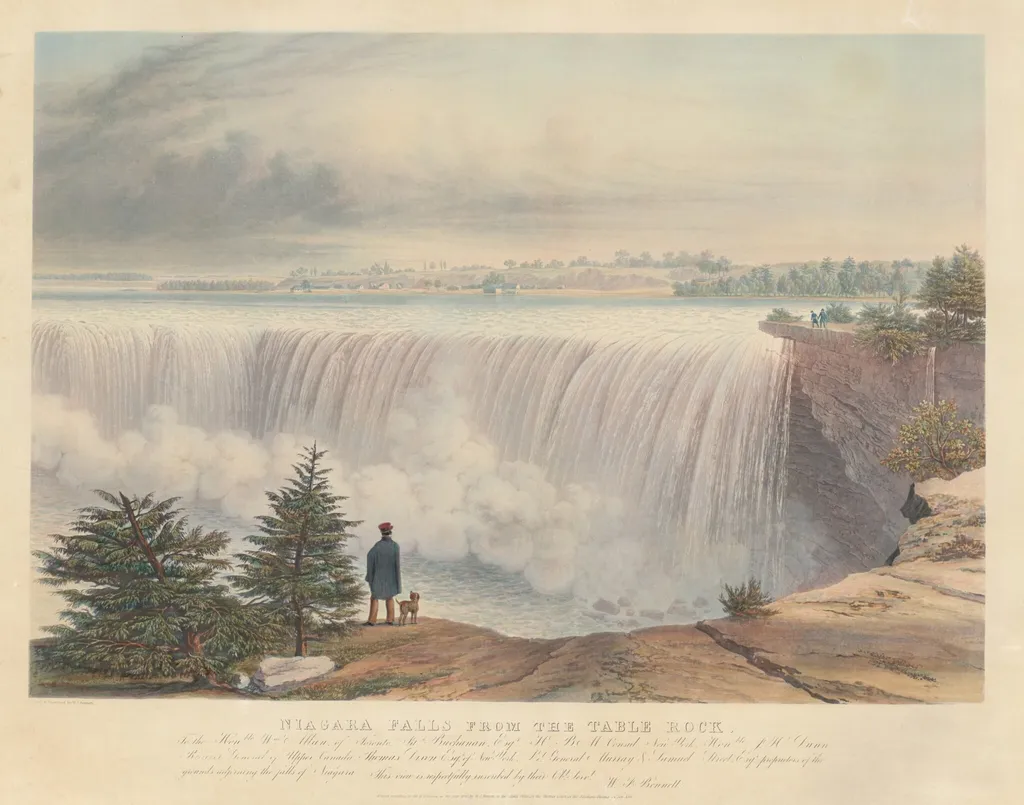
Niagara Falls from the Table Rock is an ink print by the Romanticist artist William James Bennett. It dates from 1840 and is held in the collection of the National Gallery of Art.
About this work
Overview
William James Bennett’s hand‑colored aquatint titled *Niagara Falls from the Table Rock* dates from 1840. The print presents a view of the falls taken from a rocky promontory, with mist rising from the torrent and the surrounding stone framing the scene. The composition emphasizes the sheer power of the water while offering a clear sense of place.
Subject & Meaning
The image captures the dramatic encounter between water and rock at Niagara’s Table Rock, a popular viewing point in the early nineteenth century. By foregrounding the rugged ledge and the billowing spray, the work conveys both the awe‑inspiring force of the falls and the human desire to witness nature’s grandeur from a safe perch.
Technique & Style
Bennett employed the aquatint process, which allows for broad, tonal washes that resemble ink drawings. After printing, selective hand‑coloring was applied, introducing pinkish hues that enhance the atmospheric mist and water. This combination of printmaking and manual coloration was a common method in the period for achieving a more lifelike appearance.
History & Provenance
Created in 1840, the print reflects the era’s fascination with North American landscapes. While the original ownership trail is not fully documented, comparable works by Bennett are held by institutions such as the National Gallery of Art in Washington, indicating the artist’s broader circulation among collectors of scenic prints.
Artist & collection

Artist
William James Bennett (1787−1844), was a British-born painter and engraver, active in the United States from 1816.

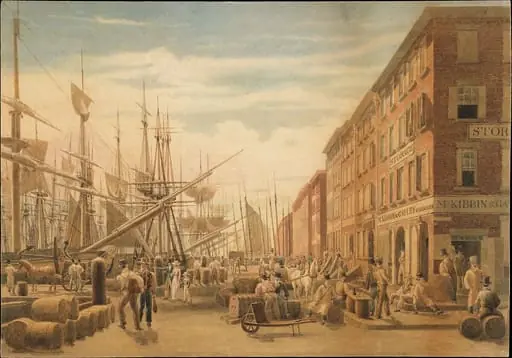 View of South Street, from Maiden Lane, New York City
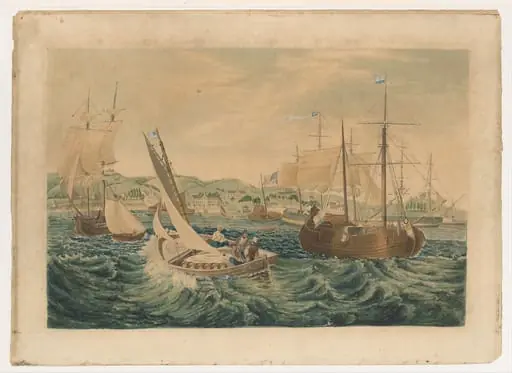 Quarantine, Staten Island
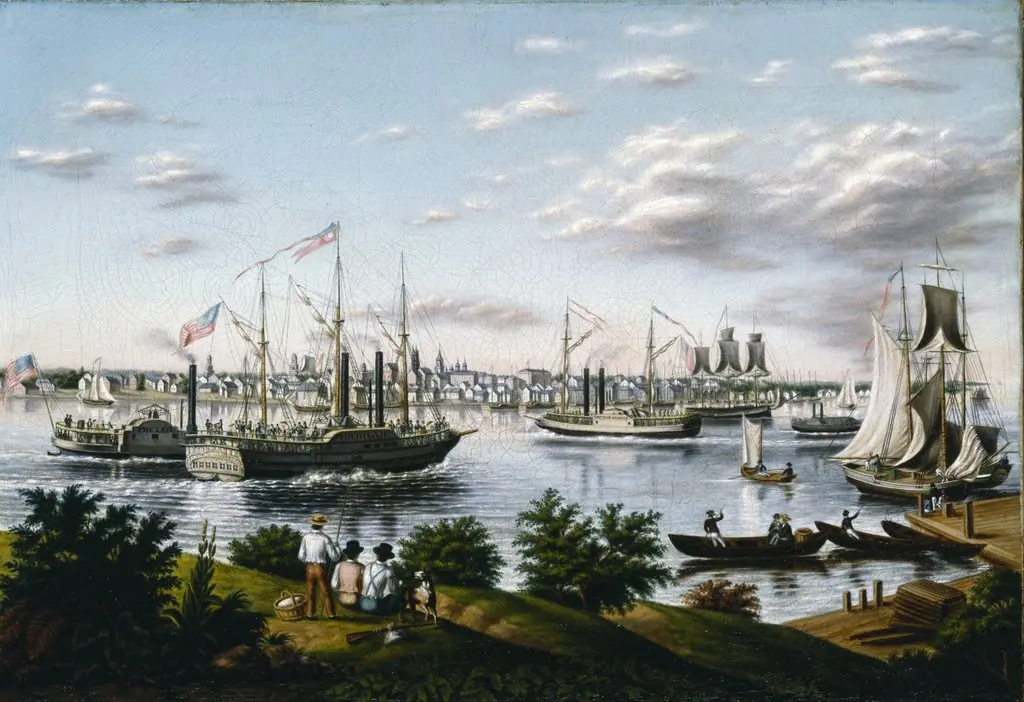 View of Detroit in 1836
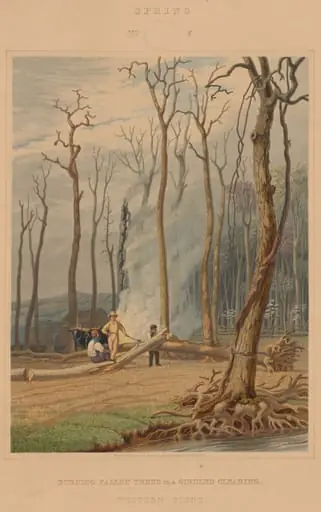 Spring--Burning Fallen Trees in a Girdled Clearing. Western Scene
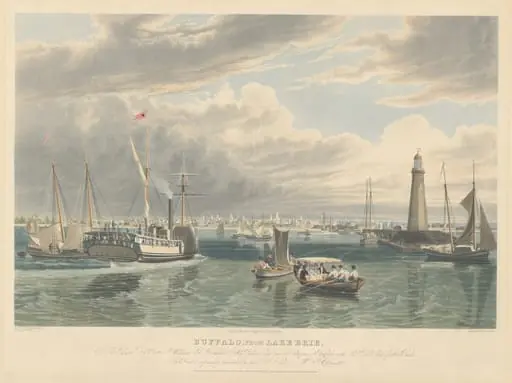 Buffalo, from Lake Erie
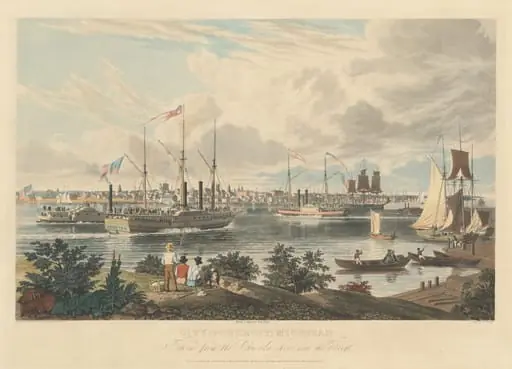 City of Detroit, Michigan: Taken from the Canada Shore near the Ferry
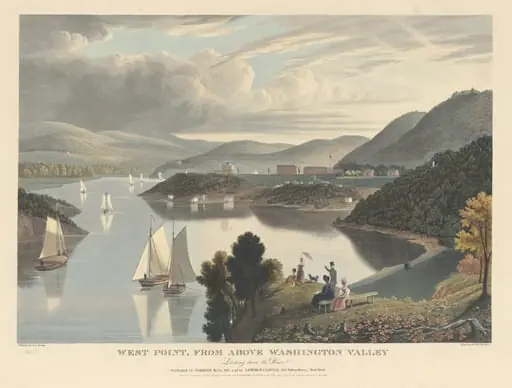 West Point, from above Washington Valley: Looking down the River
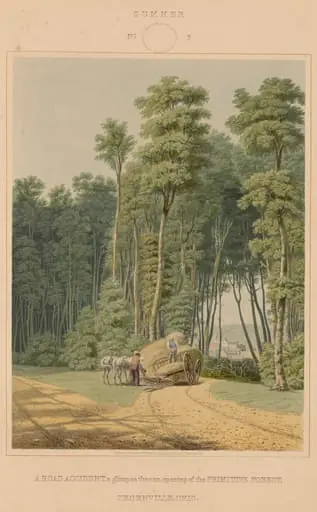 Summer--A Road Accident. A glimpse thro' an opening of the Primitive Forest. Thornville, Ohio
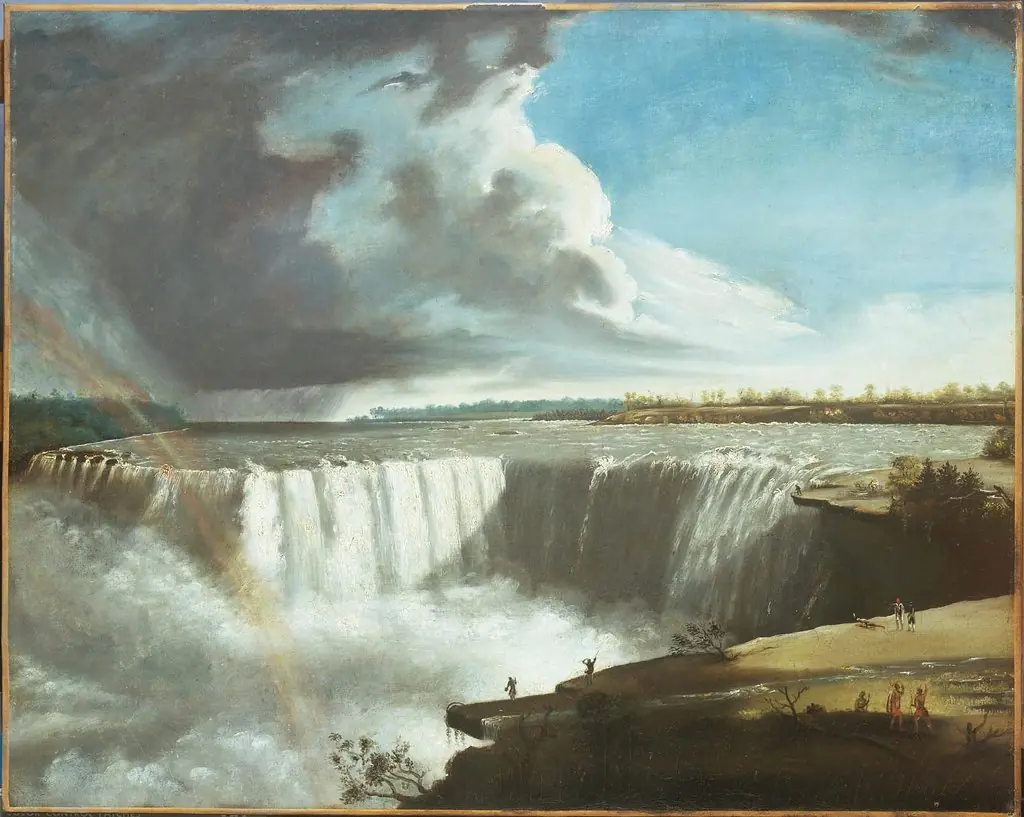 Niagara Falls from Table Rock
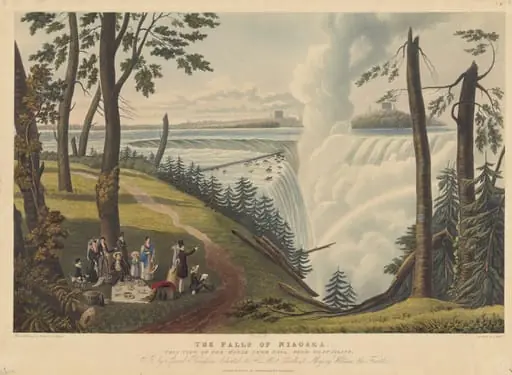 Falls of Niagara
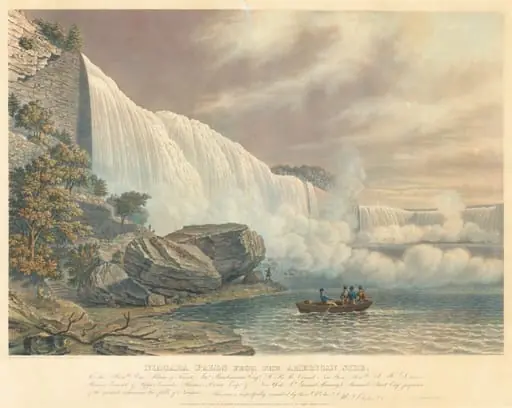 Niagara Falls from the American Side
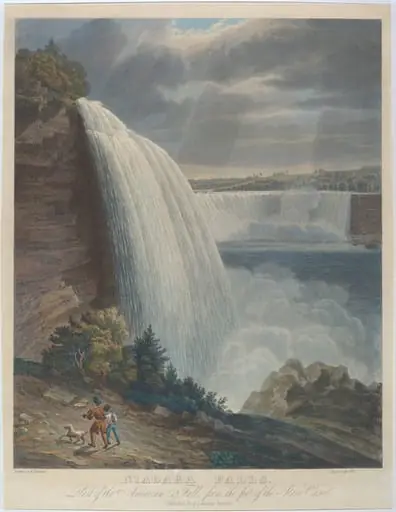 Niagara Falls from Foot of Staircase
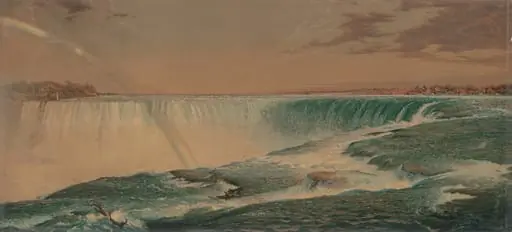 The Great Fall, Niagara
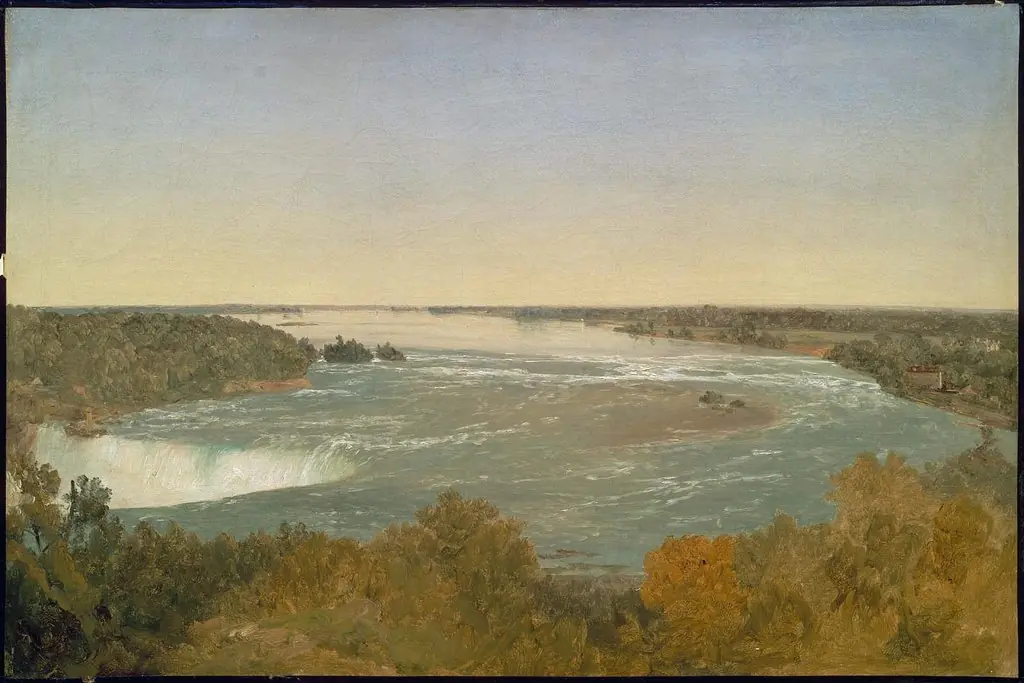 Niagara Falls and the Rapids
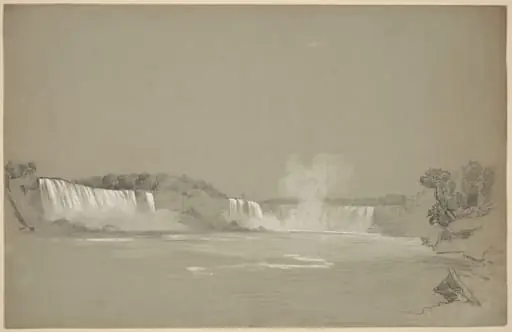 Niagara Falls
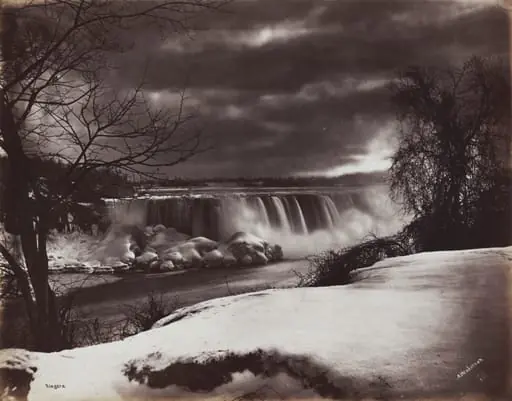 Falls of Niagara
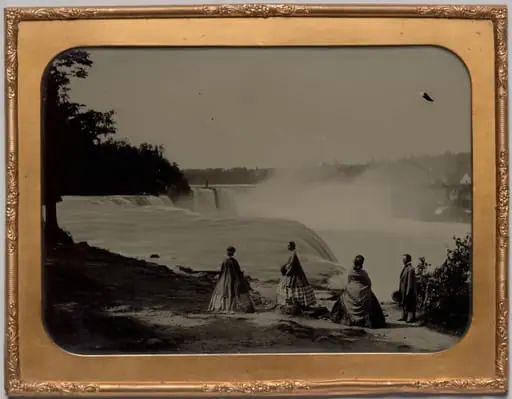 Niagara Falls with well-dressed group
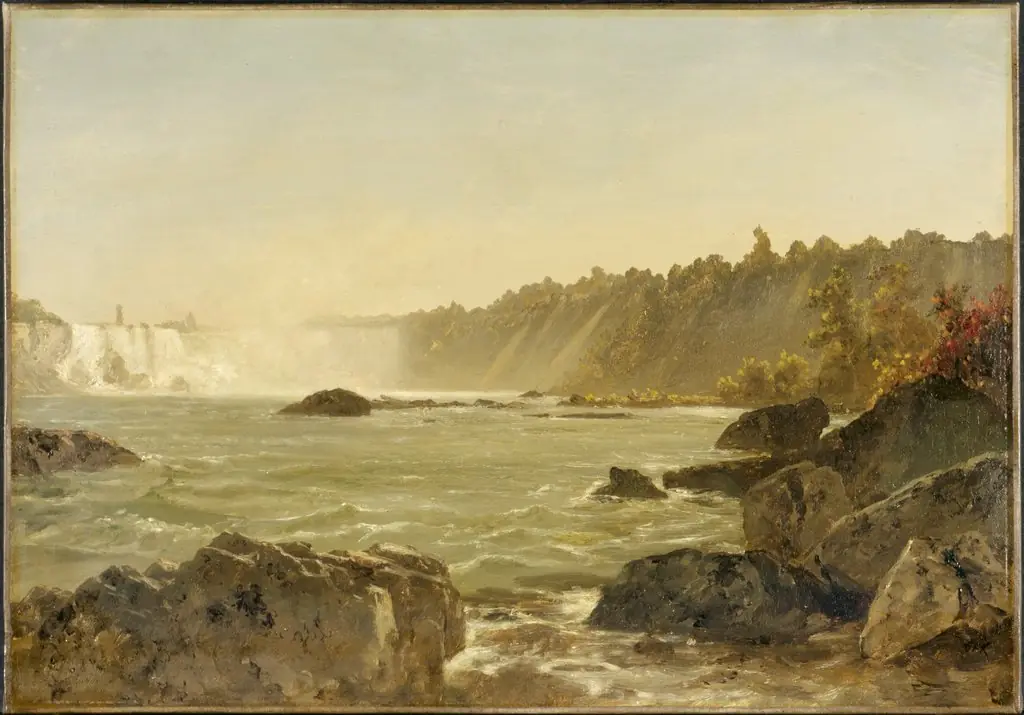 View of Niagara Falls
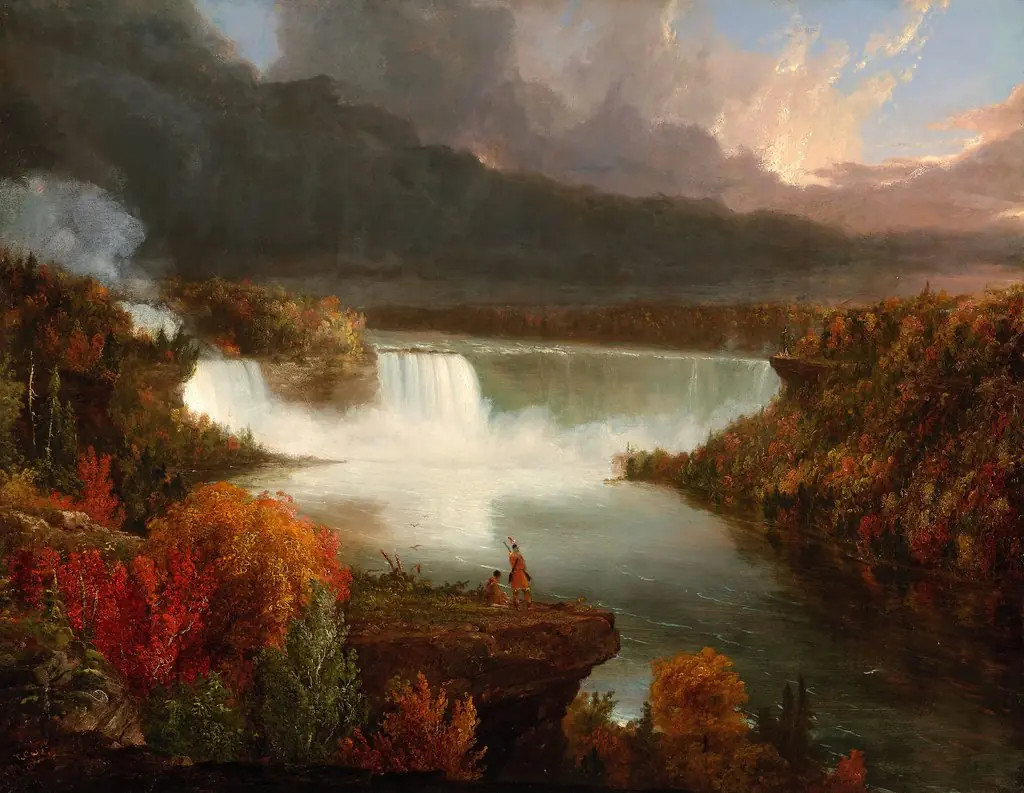 Distant View of Niagara Falls
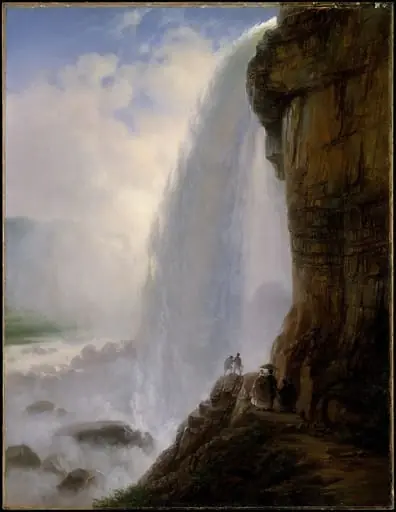 Underneath Niagara Falls