Artwork
Helsinki 1810-luvulla koillisesta nähtynä, Suomenlinna
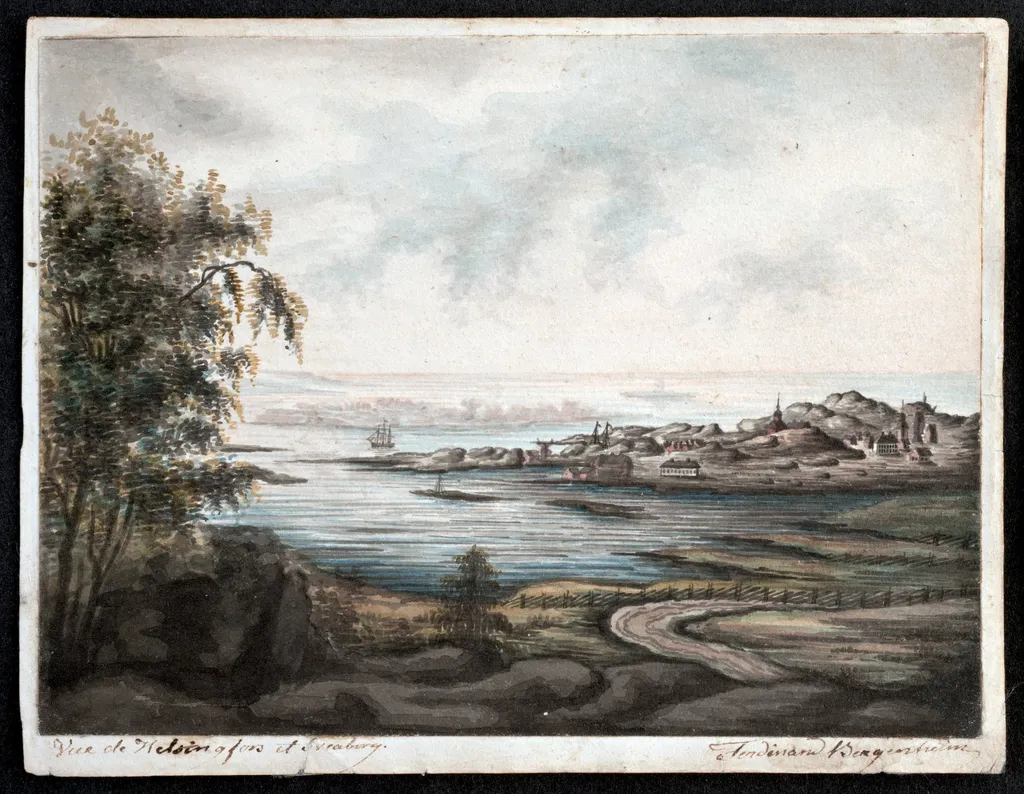
Helsinki 1810-luvulla koillisesta nähtynä, Suomenlinna is an unspecified painting by Ferdinand Bergenheim. It is held in the collection of the Helsinki City Museum. This 19th-century landscape depicts Helsinki’s Suomenlinna fortress as seen from the northeast in the 1810s.
About this work
Overview
This 19th-century landscape depicts Helsinki’s Suomenlinna fortress as seen from the northeast in the 1810s.
This 19th-century landscape depicts Helsinki’s Suomenlinna fortress as seen from the northeast in the 1810s. Rendered in oil or watercolor, the scene captures a tranquil coastal view with minimal human activity. Bare trees, calm water, and distant stone structures convey stillness. The artist’s signature and the inscription identifying the location confirm its topographical intent, suggesting a record of place rather than dramatic narrative.
Subject & Meaning
The painting presents Suomenlinna, a sea fortress built by Sweden in the 18th century, as a quiet, integrated part of the natural landscape. No figures or movement interrupt the scene, emphasizing solitude and endurance. The fortress appears not as a military stronghold but as a settled feature of the coastline, reflecting its role as both defense and habitation in early 19th-century Finland.
Technique & Style
Loose, soft brushwork blurs boundaries between land, water, and sky, creating a hazy atmospheric effect. Edges are gently merged, avoiding sharp definition, which lends the scene a sense of quiet immersion. The palette is restrained—pale grays, muted greens, and earth tones—enhancing the subdued mood. The composition is balanced, with the tree anchoring the left and the fortress receding into the distance.
History & Provenance
Painted by Ferdinand Bergenheim, a Finnish artist active in the early 1800s, the work likely originated as a personal or documentary record during a period of transition when Finland was shifting from Swedish to Russian rule. Its survival suggests it was preserved within private or institutional collections, possibly linked to local elites or military circles familiar with Suomenlinna’s significance.
Context
In the 1810s, Helsinki was emerging as Finland’s administrative center under Russian governance, and Suomenlinna remained a strategic site despite declining military use. This painting reflects a moment when the fortress was becoming more symbolic than operational. The calm, unpopulated view aligns with contemporary European trends favoring serene, observational landscape over heroic or political themes.
Legacy
Bergenheim’s work contributes to a small corpus of early Finnish topographical art that documents the nation’s evolving relationship with its landscape. While not widely exhibited, this painting offers insight into how local artists perceived their surroundings during a formative political era. Its quiet realism stands as a quiet counterpoint to later nationalist imagery of the Finnish landscape.
Artist & collection
Artist
Ferdinand Bergenheim spent years squinting at Helsinki’s skyline from the fortress walls of Suomenlinna, sketchbook always in hand.

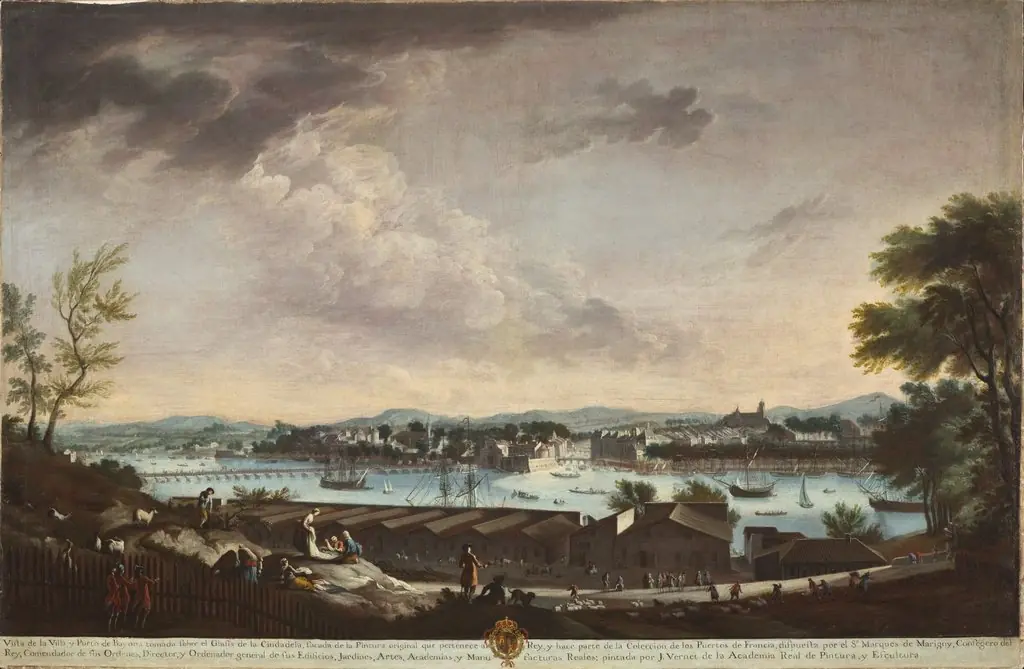 View of the Town and Port of Bayonne (La villa y puerto de Bayona)
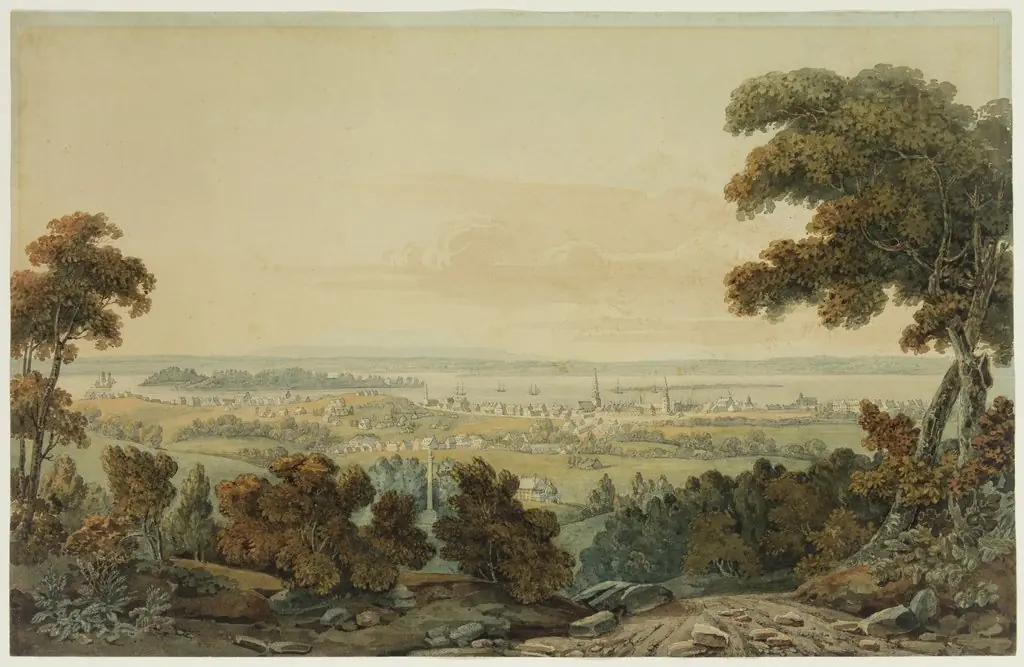 Montreal from the Mountain and View of the St. Lawrence River
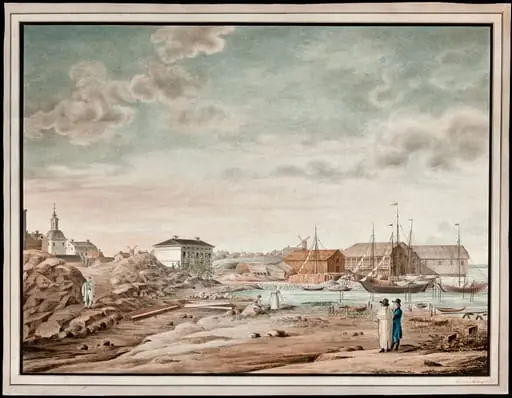 Pohjoissatama
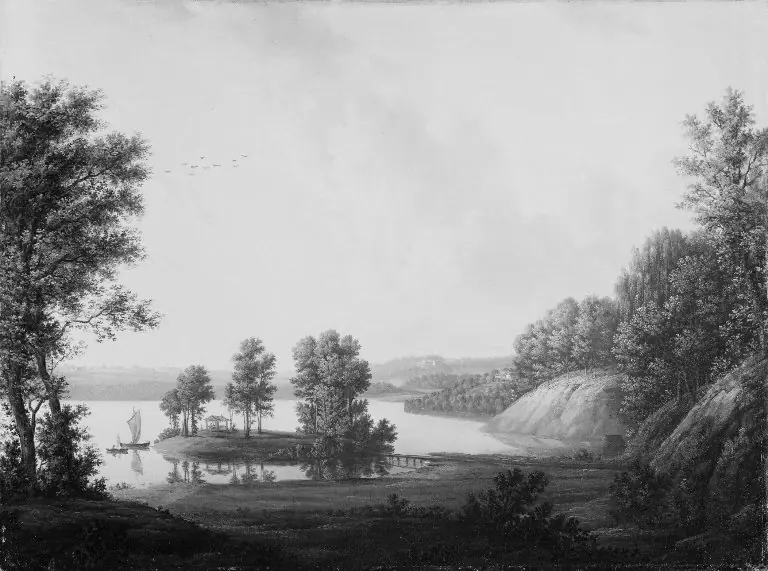 Prospekt fra Dronninggård over Furesøen. I forgrunden øen Chevallier med det kinesiske lysthus
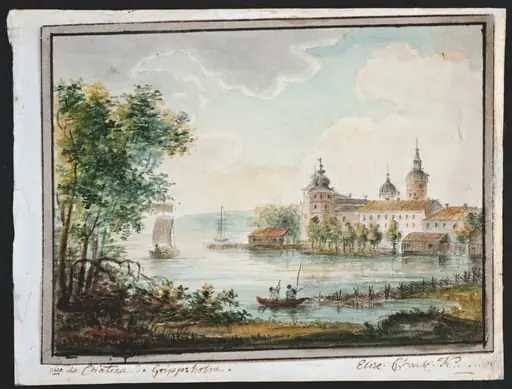 Gripsholmin linna
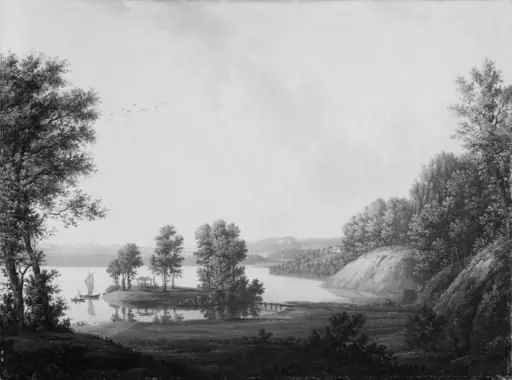 Prospekt fra Dronninggård over Furesøen. I forgrunden øen Chevallier med det kinesiske lysthus
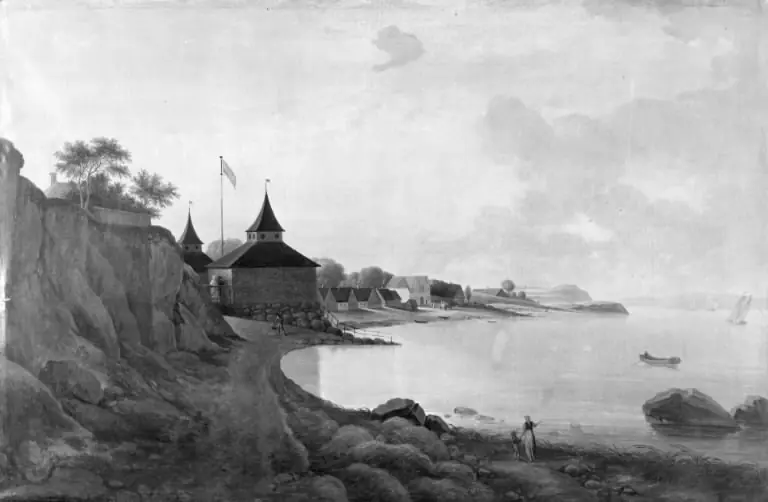 Landskab ved en bugt. Parti fra "Alexandria" ved Vedbæk
 The Tide Rising at Briton Ferry
 Näkymä Sörnäisistä etelään
 Landskab ved en bugt. Parti fra "Alexandria" ved Vedbæk