Museum
Helsinki City Museum

Image: Wikimedia Commons.
Helsinki City Museum is a museum in Helsinki, Finland.
About Helsinki City Museum
Overview & Mission
The Helsinki City Museum is the sole institution in the world dedicated exclusively to documenting and displaying the history of Helsinki, the capital of Finland. Its primary mission is to record and uphold the city's spiritual, material, and architectural heritage, with a specific focus on the personal memories and everyday lives of its residents. The museum serves as a bridge between the past and present, allowing visitors to explore the evolution of the capital through a vast array of artifacts and narratives that reflect the diverse experiences of its inhabitants over the centuries.
Location & Architecture
Situated in the oldest blocks of the city directly adjacent to the Senate Square, the museum occupies a complex of historic buildings at Aleksanterinkatu 16. The main site includes the Sederholm House, which is the oldest wooden building in Helsinki, alongside other historic structures and a modern extension that connects five old buildings and three inner courtyards into a single museum entity. This location places the museum at the very heart of the city's historical development, surrounded by significant landmarks and the original urban grid.
Collections & Holdings
The museum's extensive holdings comprise approximately one million photographs and 450,000 physical items, though other sources indicate the total collection may exceed 1.5 million objects, including art and artifacts. These collections feature notable works such as popular early 20th-century photographs by Signe Brander, capturing the city's transformation. The items range from everyday objects like candy wrappers and furniture to significant historical documents, all preserved to tell the stories of the working class, the middle class, and the city's evolution through times of war and peace.
Branch Museums & Regional Role
Beyond its main location, the Helsinki City Museum operates four additional museums across the city: Villa Hakasalmi, the Burgher's House Museum, the Worker's Housing Museum, and the Tram Museum. Entrance to all these facilities is free of charge. Additionally, the institution functions as the Central Uusimaa Regional Museum, a role that involves promoting and steering museum activities throughout the central Uusimaa region, thereby extending its influence and educational reach beyond the immediate city limits of Helsinki.
Exhibitions & Public Engagement
The museum actively engages the public through dynamic exhibitions and events that explore various aspects of Helsinki's history, such as the Unknown Suburb and Children's Town. Recent programming has included special events celebrating historical anniversaries, such as the 300-year commemoration of the Sederholm family, featuring 18th-century lifestyle workshops, lectures, and family-friendly activities like crafting period costumes and merchant ships. These initiatives aim to make history accessible and inspiring for visitors of all ages, fostering a deeper connection to the city's cultural heritage.
Recognition & Digital Access
In 2017, the Helsinki City Museum was awarded the title of Finnish Museum of the Year, recognizing its excellence in presentation and public engagement. By 2025, it had become the second most visited museum in Finland, attracting over 330,000 visits. The museum also maintains a robust digital presence through the Helsinkikuvia.fi website, which hosts a vast archive of photographs from its collections under a Creative Commons license, allowing for both personal and commercial use with proper attribution, thus making its visual history accessible to a global audience.
What to see at Helsinki City Museum
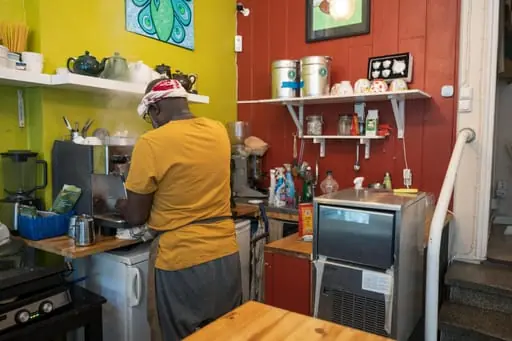
Start with Kahvilan pitäjä Lloyd Polack valmistamassa teetä. by Yehia Eweis.
Plan your visit
Helsinki City Museum
What's on
- Krunikan kortteleissa -valokuvanäyttely KruununhakaFrom 17 Sep 2020
- Tuntematon lähiö Helsingin kaupunginmuseo, 4. kerros17 Apr 2026 – 13 Sep 2026