Artwork
Bernard van Orley. Triptiek met de deugd van het Geduld Paneel links, achterzijde: De arme Lazarus aan de deur van de slechte rijke, detail bovenaan
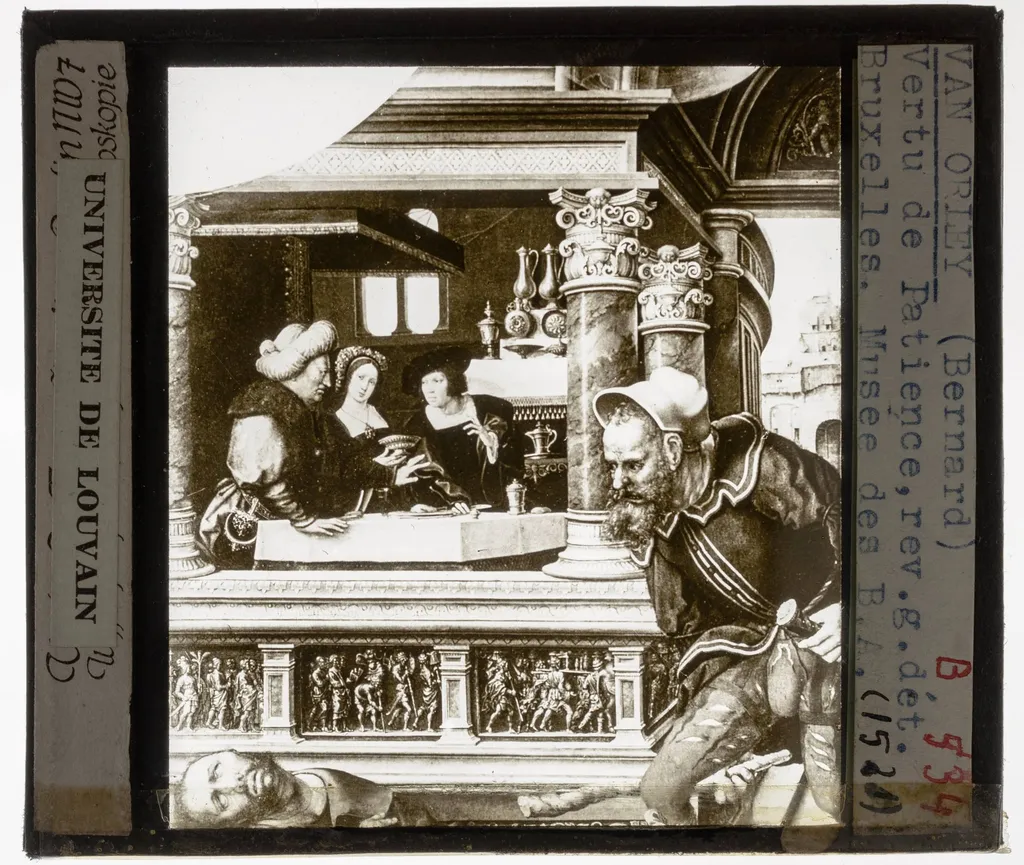
Bernard van Orley. Triptiek met de deugd van het Geduld Paneel links, achterzijde: De arme Lazarus aan de deur van de slechte rijke, detail bovenaan is an unspecified painting by Bernard Van Orley. It is held in the collection of the Catholic University of Leuven.
About this work
Overview
This early sixteenth‑century work is a painted panel by Bernard van Orley, created around 1521. It forms the left wing of a triptych that illustrates the moral virtue of Patience. Executed in oil on wood, the piece reflects the detailed realism characteristic of the Northern Renaissance.
Subject & Meaning
The reverse side of the panel depicts the biblical parable of the Poor Lazarus, shown standing at the threshold of a wealthy man's house. The scene underscores themes of charity, humility and the consequences of social inequality, aligning with the overt moral lesson of patience presented on the front.
Technique & Style
Van Orley employs a refined oil technique that renders textures and fabrics with meticulous care. Subtle gradations of light and shadow create a chiaroscuro effect, giving the figures a three‑dimensional presence while maintaining the crisp linearity typical of Flemish painting of the period.
History & Provenance
The panel entered the collection of the Royal Museums of Fine Arts of Belgium in Brussels, where it is catalogued under inventory number 1822. Photographic reproductions of the work are held in the KU Leuven glass‑slide archive, documenting its scholarly study from the nineteenth to the twentieth century.
Context
Created during the height of the Northern Renaissance, the work reflects the era’s interest in moralizing allegories and biblical narratives. Van Orley, a leading figure in the Brussels school, often combined courtly elegance with devotional subjects, catering to both aristocratic patrons and ecclesiastical commissions.
Legacy
The panel remains a valuable example of early sixteenth‑century Flemish religious art, illustrating how narrative content and technical skill were integrated to convey ethical instruction. Its preservation in a major national museum ensures continued access for research and public appreciation.
Artist & collection
Artist
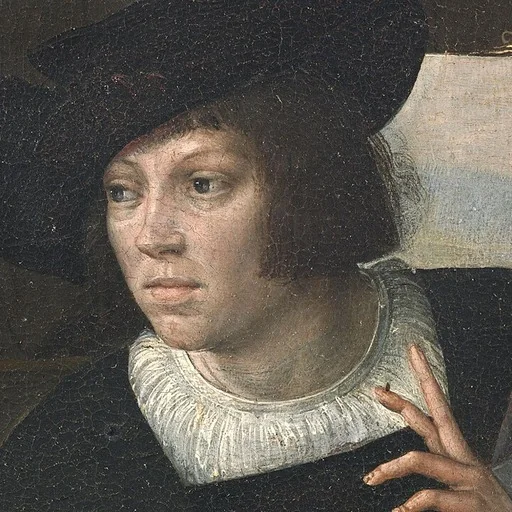
Bernard van Orley (between 1487 and 1491 – 6 January 1541), also called Barend or Barent van Orley, Bernaert van Orley or Barend van Brussel, was a versatile Flemish artist and representative of Dutch and Flemish…
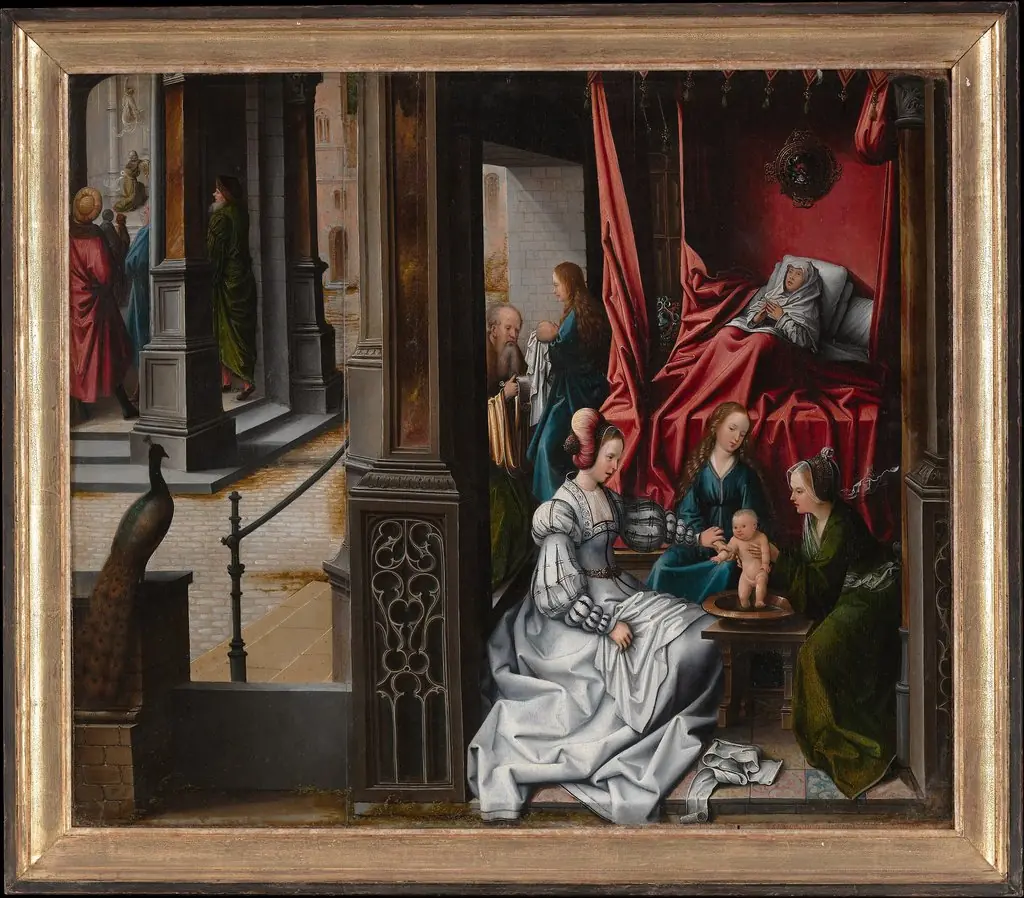 The Birth and Naming of Saint John the Baptist; (reverse) Trompe-l'oeil with Painting of The Man of Sorrows
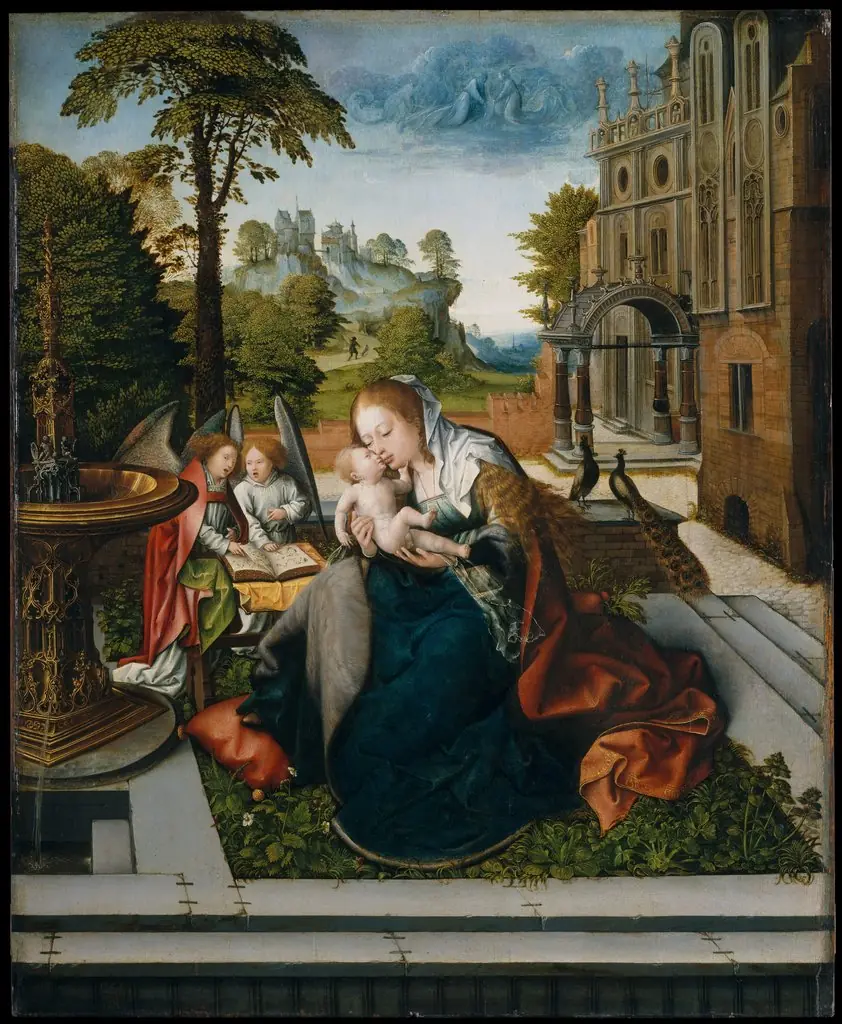 Virgin and Child with Angels
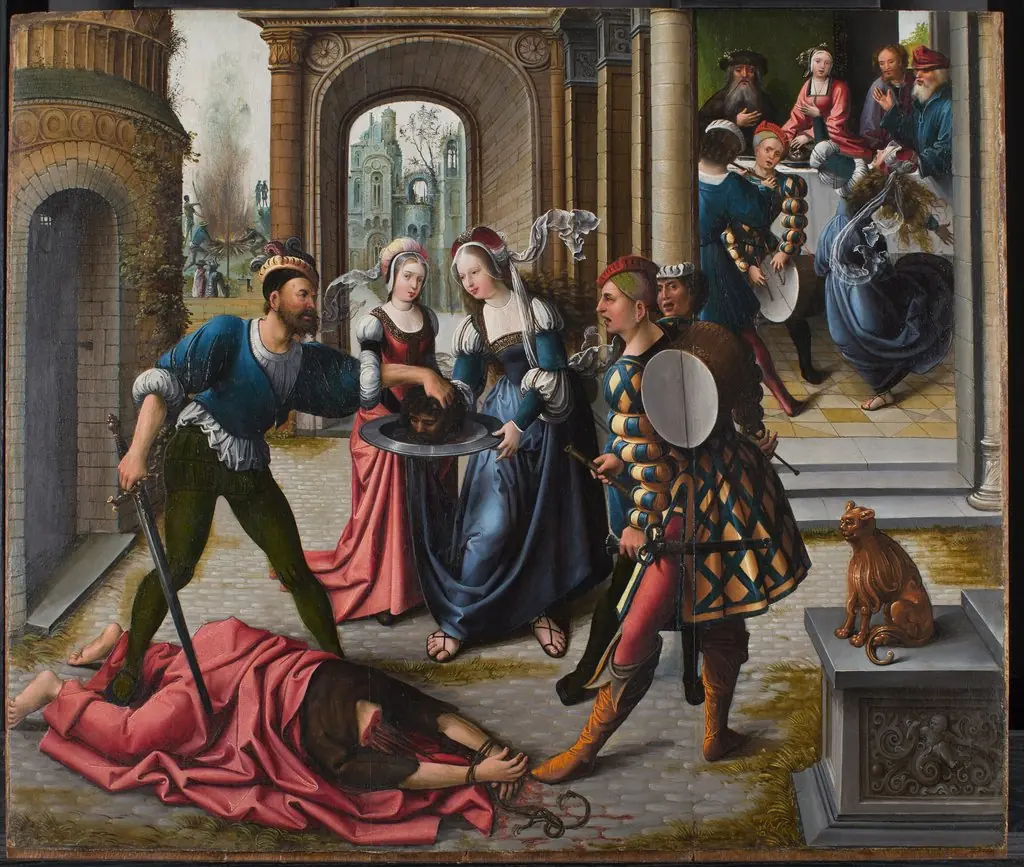 The Martyrdom of Saint John the Baptist
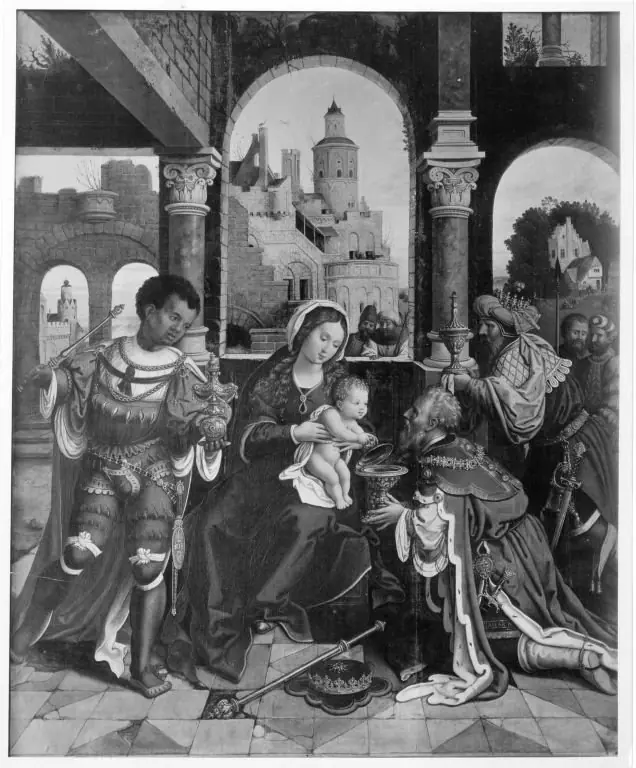 The Adoration of the Magi
![Christ among the Doctors [obverse], by Bernard Van Orley](https://artifactworldgallery.com/img/bernard-van-orley--christ-among-the-doctors-obverse--78795f311364e613-w320.webp) Christ among the Doctors [obverse]
Christ among the Doctors [obverse]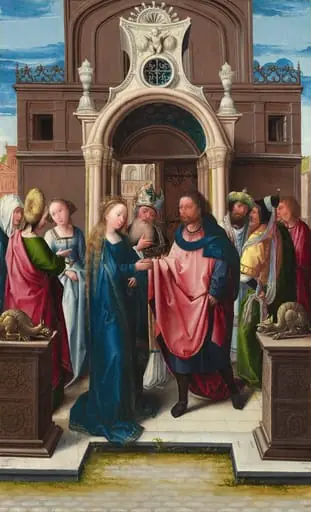 The Marriage of the Virgin
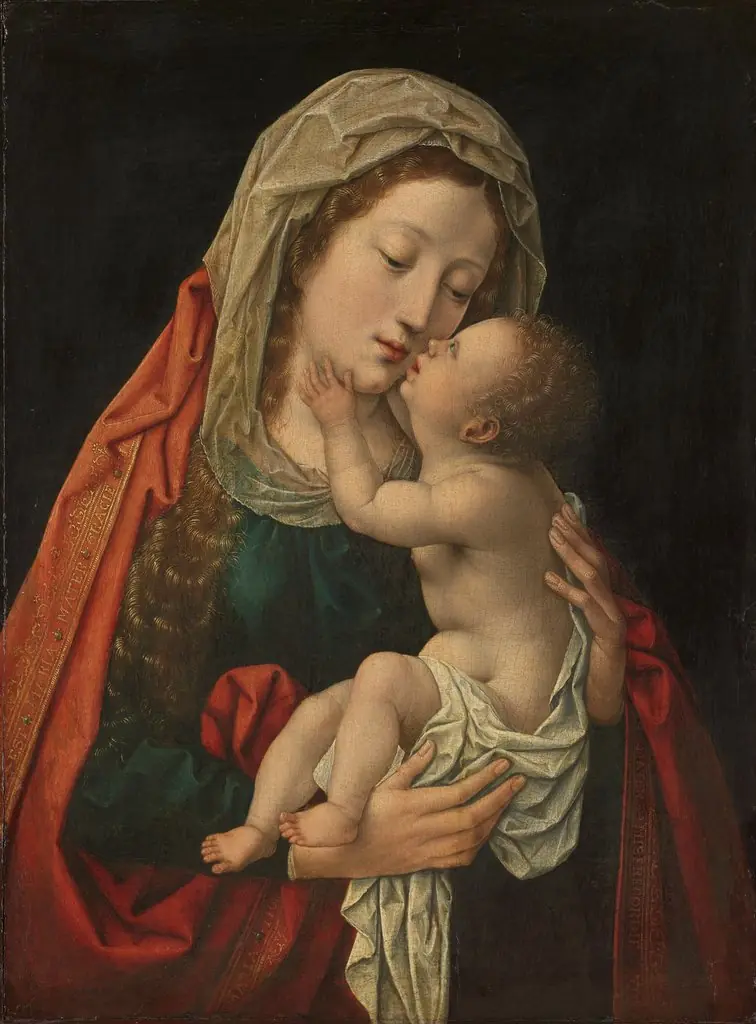 The Virgin and Child
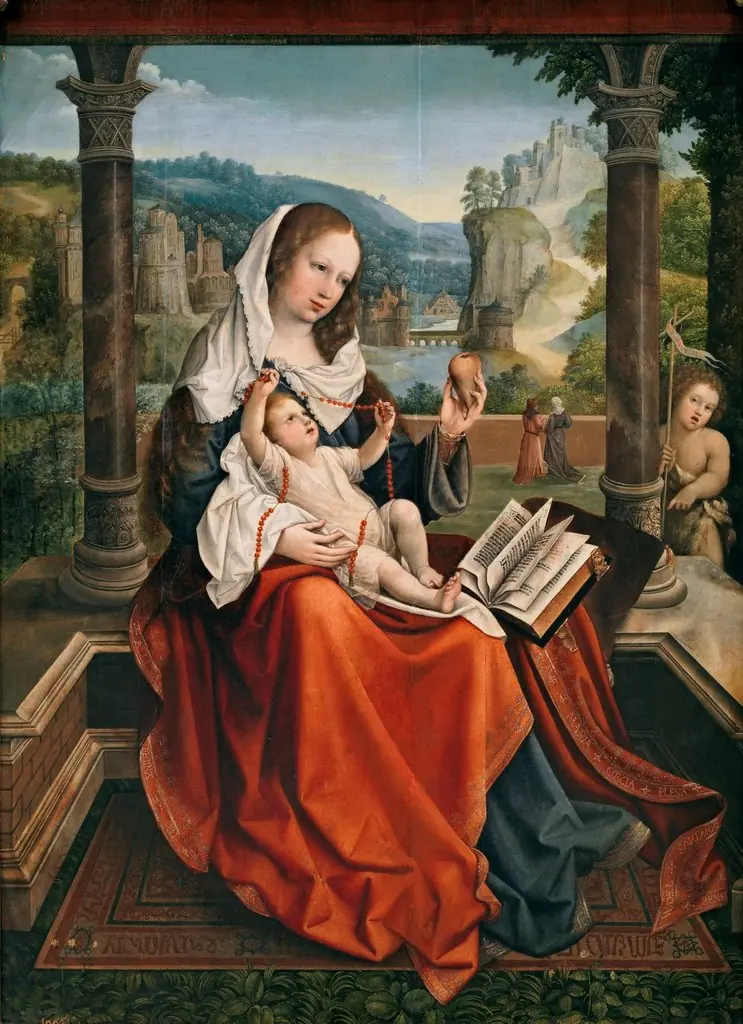 The Virgin and Child with the Infant Saint John the Baptist
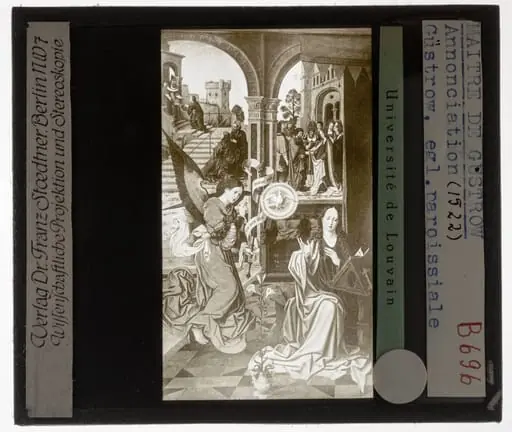 Bernard van Orley. Passieretabel Annunciatie
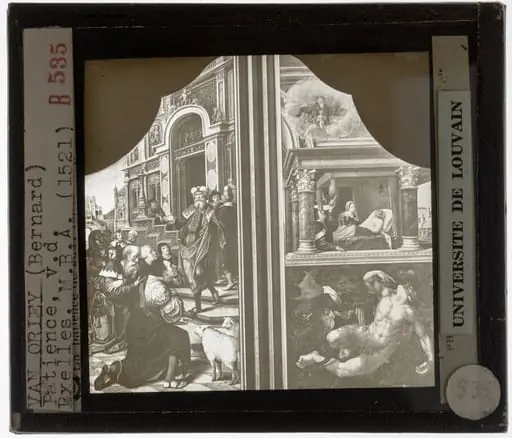 Bernard of Orley. Triptych with the Virtue of Patience Panel right, front and back
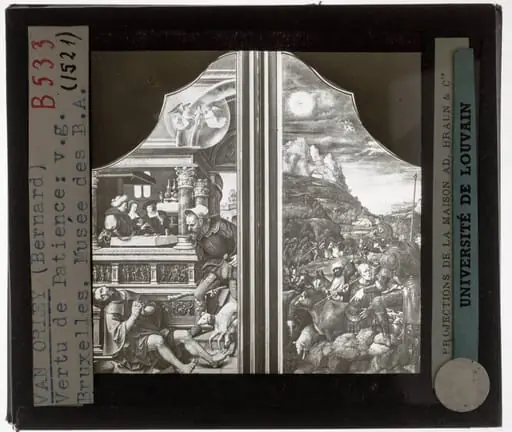 Bernard of Orley. Triptych with the Virtue of Patience Panel left, front and back
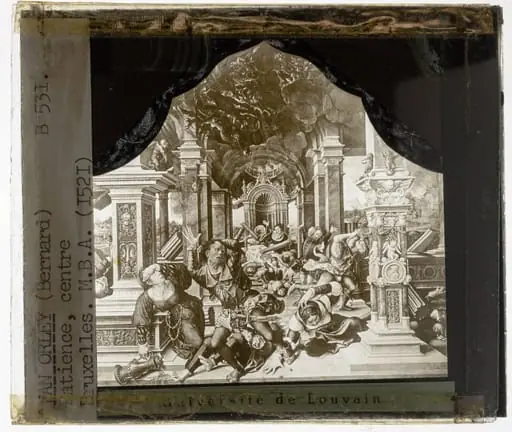 Bernard of Orley. Triptych with the virtue of Patience Central panel: The banquet of Jobs children
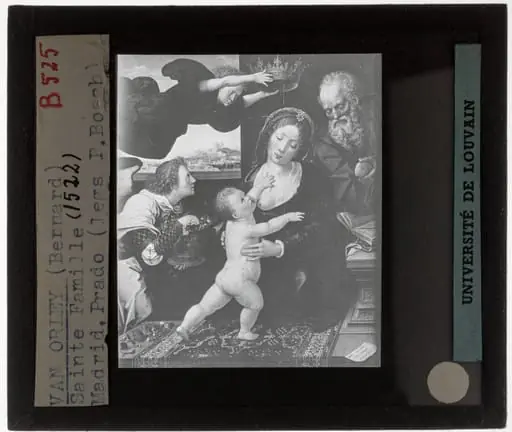 Bernard of Orley. Holy Family
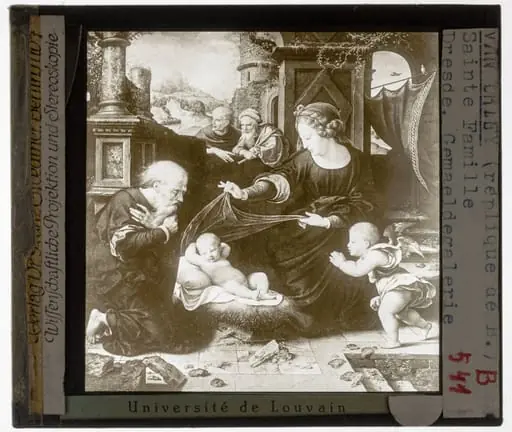 Bernard van Orley (kopie). Heilige Familie
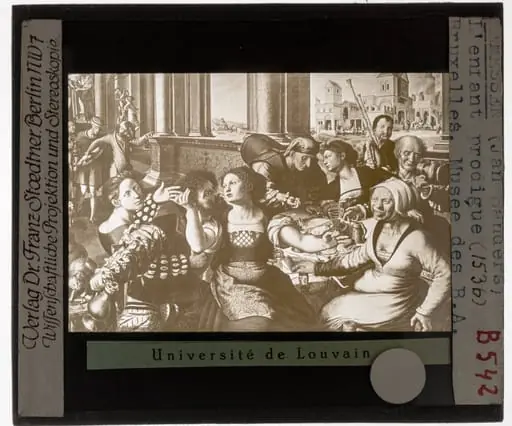 Jan van Hemessen. De verloren zoon