Artwork
Bernard van Orley (kopie). Heilige Familie
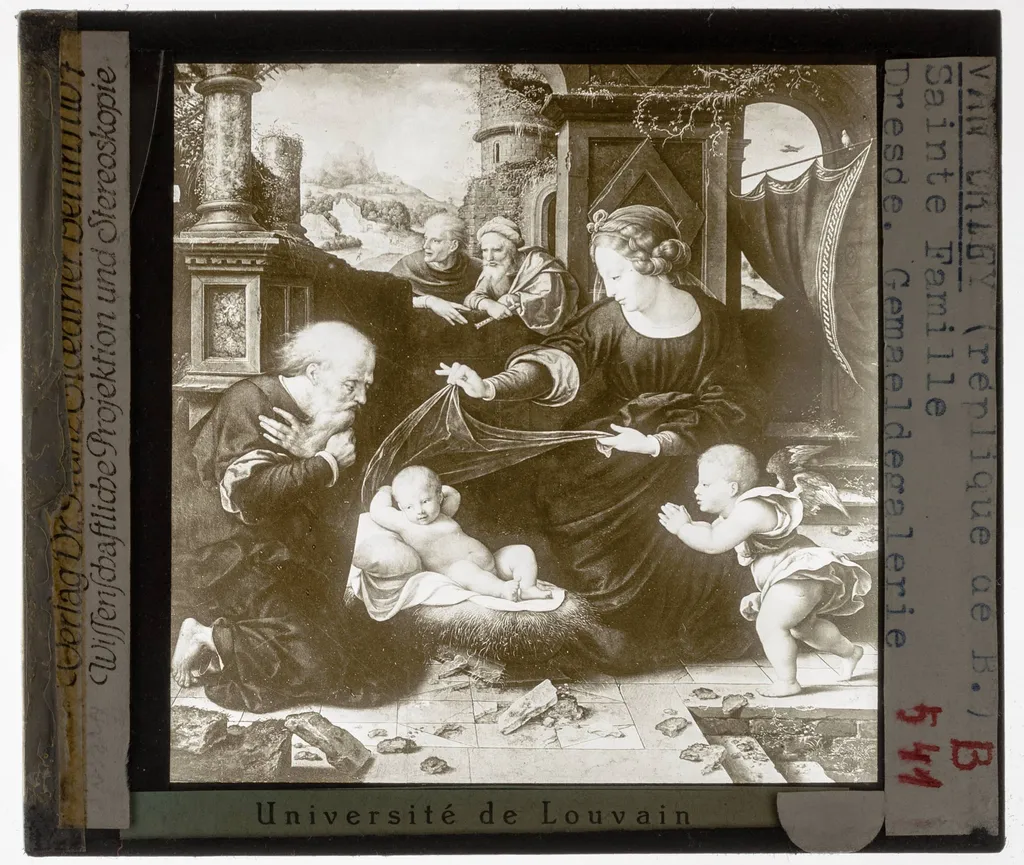
Bernard van Orley (kopie). Heilige Familie is a photography by Bernard Van Orley. It is held in the collection of the Catholic University of Leuven.
About this work
Overview
The image was preserved as a teaching tool, reflecting 19th- and early 20th-century practices in art historical documentation.
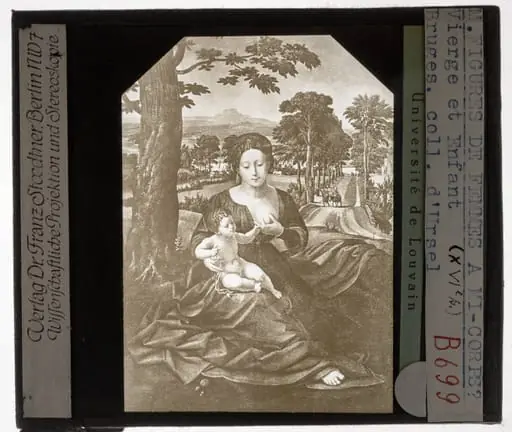
This black-and-white photographic slide documents a lost painting attributed to Bernard van Orley, depicting the Holy Family. Created between 1839 and 1939 by an unknown photographer for educational use at the University of Louvain, it serves as a record of a Northern Renaissance work no longer extant. The image was preserved as a teaching tool, reflecting 19th- and early 20th-century practices in art historical documentation.
Subject & Meaning
The scene portrays the Virgin Mary seated with the infant Jesus, while Saint Joseph stands nearby in quiet vigil. Set in a modest interior with wooden beams and a simple table covering, the composition emphasizes domestic intimacy over grandeur. This portrayal aligns with Northern Renaissance ideals of devotional realism, presenting sacred figures within an ordinary domestic space to foster personal spiritual connection.
Technique & Style
The original painting, now lost, would have exhibited the refined detail and soft modeling characteristic of Northern Renaissance art. Van Orley’s style combined Flemish precision with Italianate compositional balance. The photographic slide, though monochrome, preserves the spatial clarity and gentle lighting that defined the source work, offering insight into its formal structure despite the absence of color and texture.
History & Provenance
The painting’s original location and fate remain undocumented, but its existence is known only through this photographic record. The slide was produced by the University of Louvain’s art history department during a period when glass plate photography was standard for archival study. It later entered the collection of the Staatliche Kunstsammlungen Dresden, where it remains part of a broader corpus of educational visual materials.
Context
In the 16th century, religious imagery like this was central to private devotion and ecclesiastical instruction. Van Orley, active in Brussels, was among the leading painters bridging Northern traditions with Renaissance humanism. His Holy Family compositions were widely copied and disseminated, reflecting both devotional demand and the growing role of print and photographic reproduction in art education by the 19th century.
Legacy
This slide exemplifies how art history as a discipline relied on photographic archives to preserve knowledge of lost or damaged works. Though the original painting is gone, the image continues to serve as a reference point for scholars studying van Orley’s oeuvre and the transmission of Northern Renaissance imagery. Its survival underscores the importance of institutional documentation in sustaining cultural memory.
Artist & collection
Artist
Bernard van Orley (between 1487 and 1491 – 6 January 1541), also called Barend or Barent van Orley, Bernaert van Orley or Barend van Brussel, was a versatile Flemish artist and representative of Dutch and Flemish…
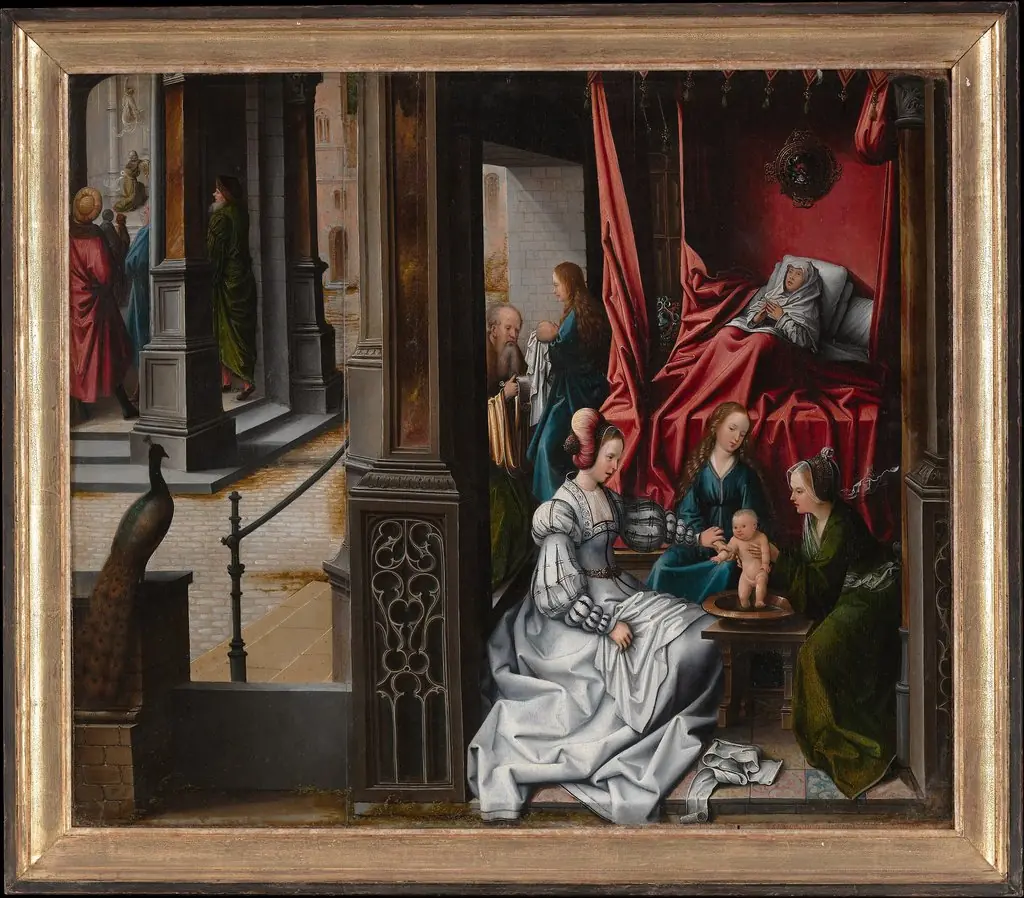 The Birth and Naming of Saint John the Baptist; (reverse) Trompe-l'oeil with Painting of The Man of Sorrows
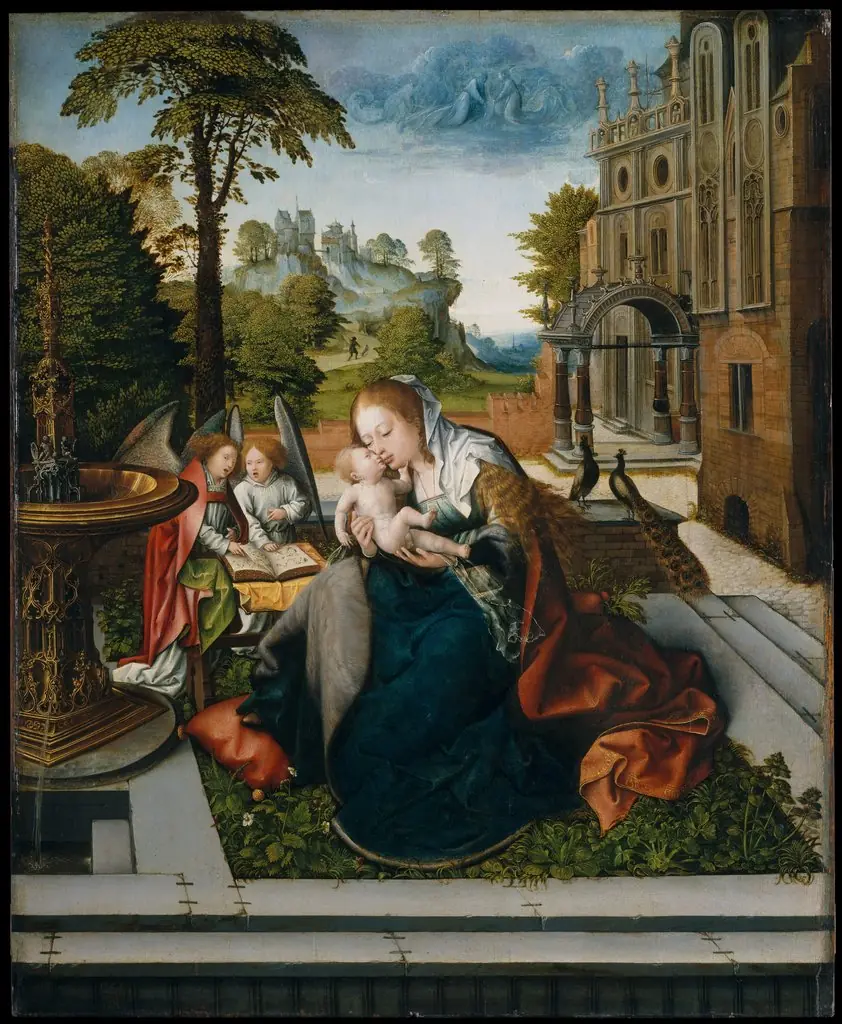 Virgin and Child with Angels
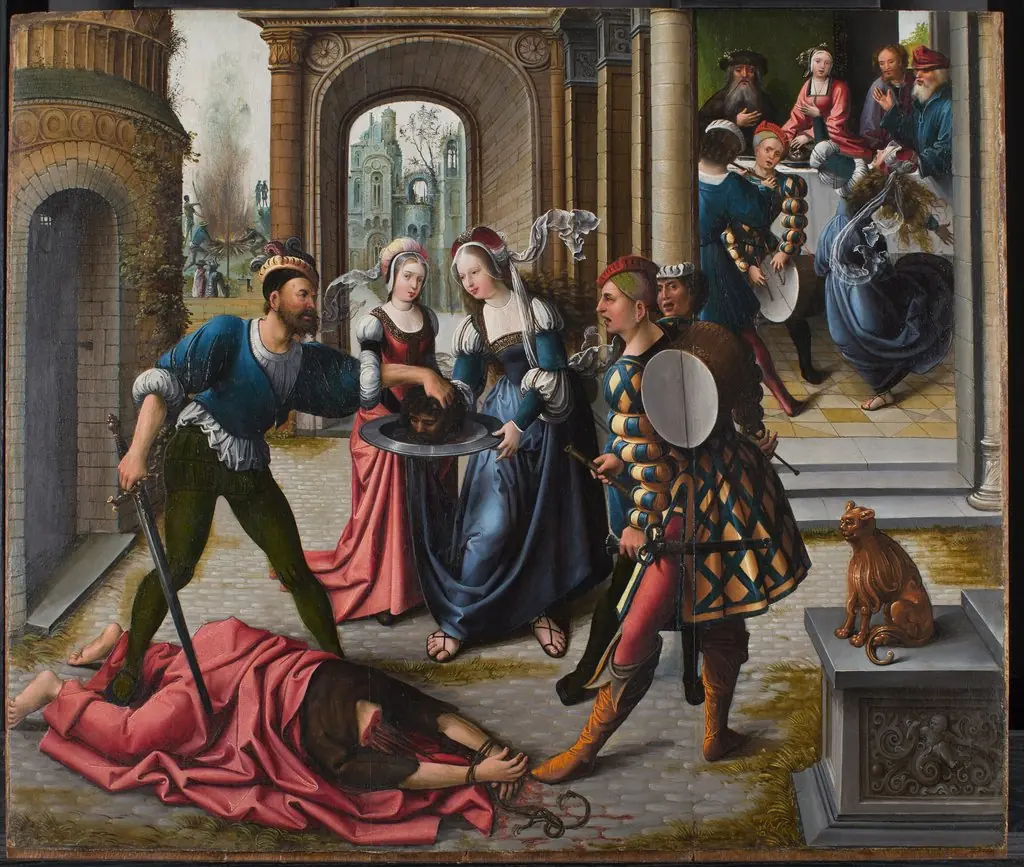 The Martyrdom of Saint John the Baptist
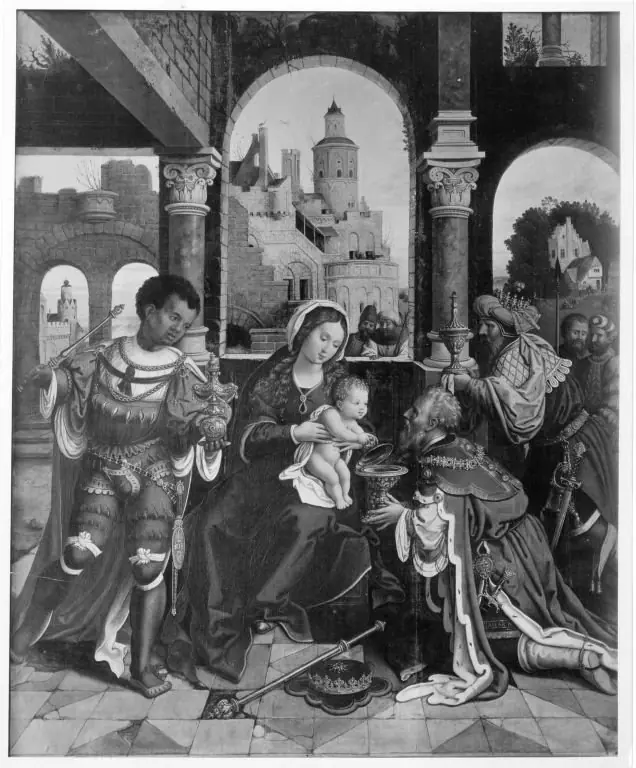 The Adoration of the Magi
![Christ among the Doctors [obverse], by Bernard Van Orley](https://artifactworldgallery.com/img/bernard-van-orley--christ-among-the-doctors-obverse--78795f311364e613-w320.webp) Christ among the Doctors [obverse]
Christ among the Doctors [obverse]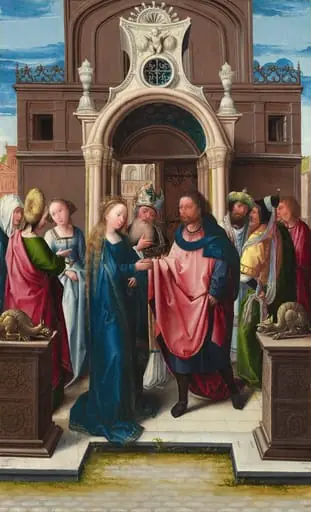 The Marriage of the Virgin
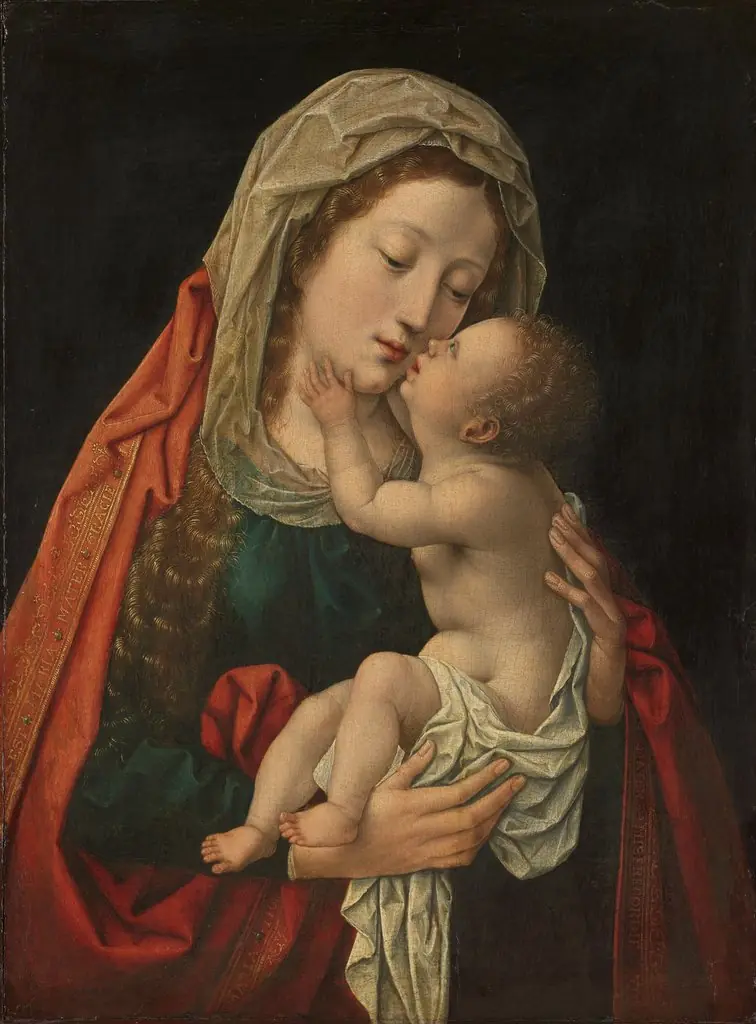 The Virgin and Child
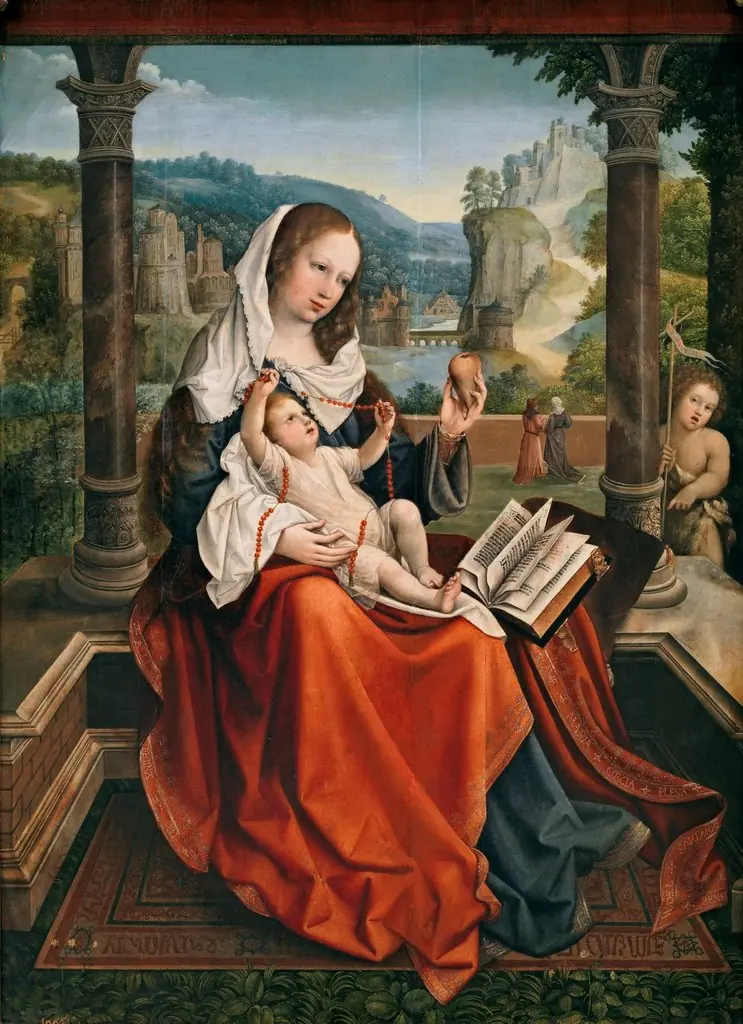 The Virgin and Child with the Infant Saint John the Baptist
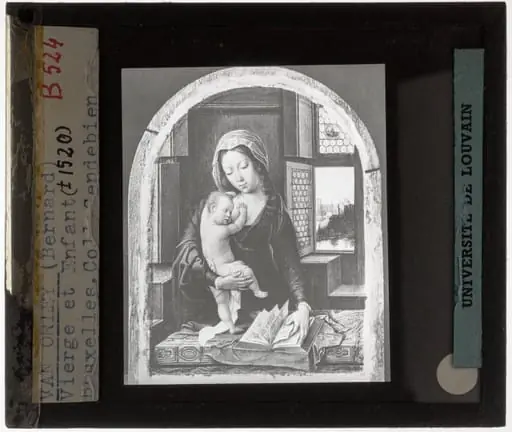 Bernard van Orley (navolger). O.L.Vrouw met Kind voor een open venster
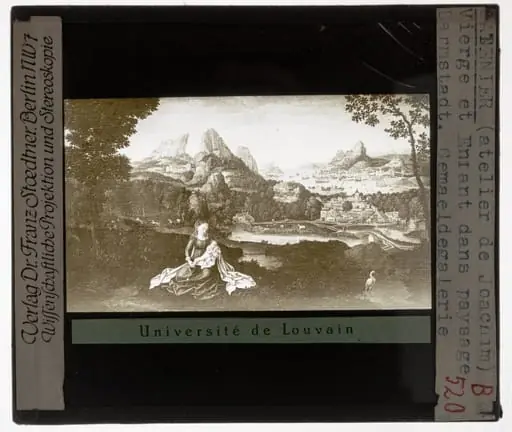 Joachim Patinir (studio). Rest on the flight into Egypt
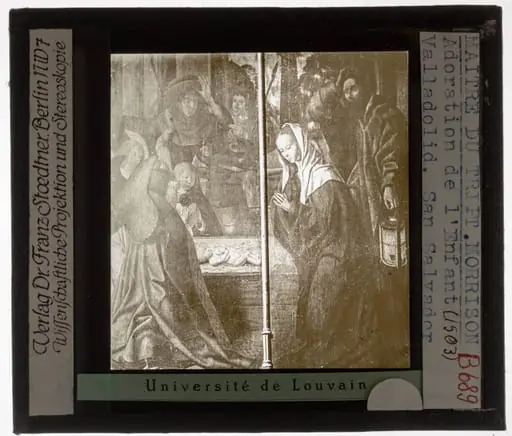 Master of the Morrison Triptych. Adoration of Christ
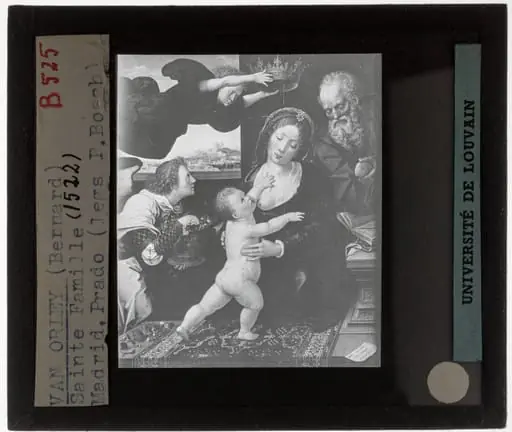 Bernard of Orley. Holy Family
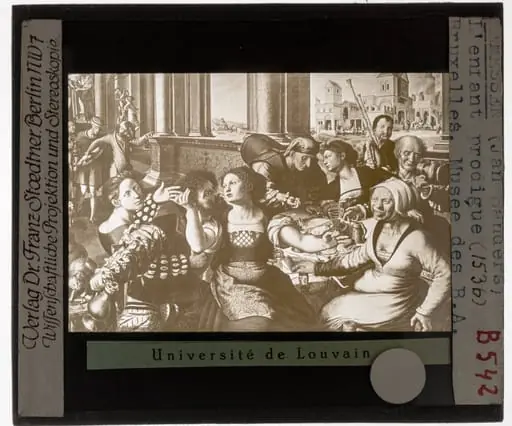 Jan van Hemessen. De verloren zoon
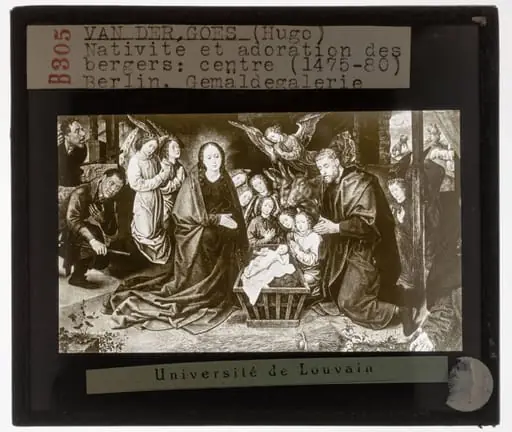 Hugo van der Goes. Kerstverhaal. Aanbidding der Herders Detail, centraal
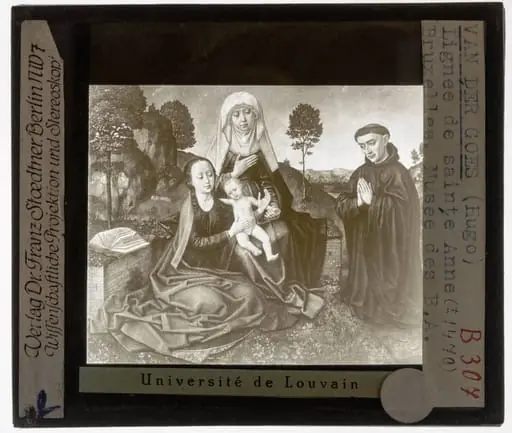 Hugo van der Goes. St Anne's with a Franciscan donor
 Anoniem. Madonna met kind
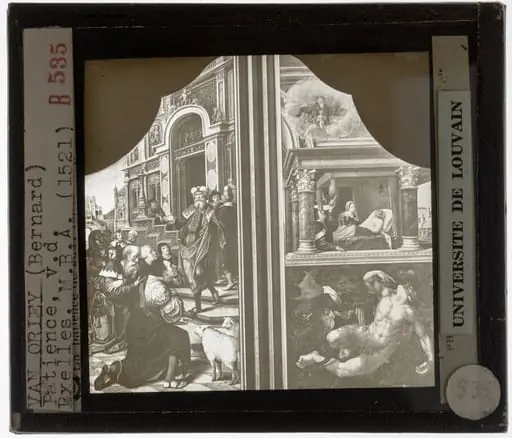 Bernard of Orley. Triptych with the Virtue of Patience Panel right, front and back
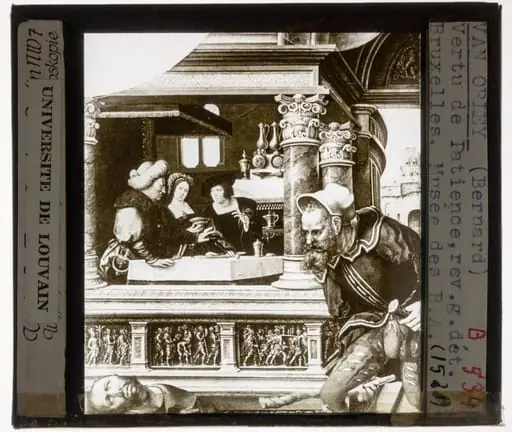 Bernard van Orley. Triptiek met de deugd van het Geduld Paneel links, achterzijde: De arme Lazarus aan de deur van de slechte rijke, detail bovenaan