Artwork
Jan van Hemessen. De verloren zoon
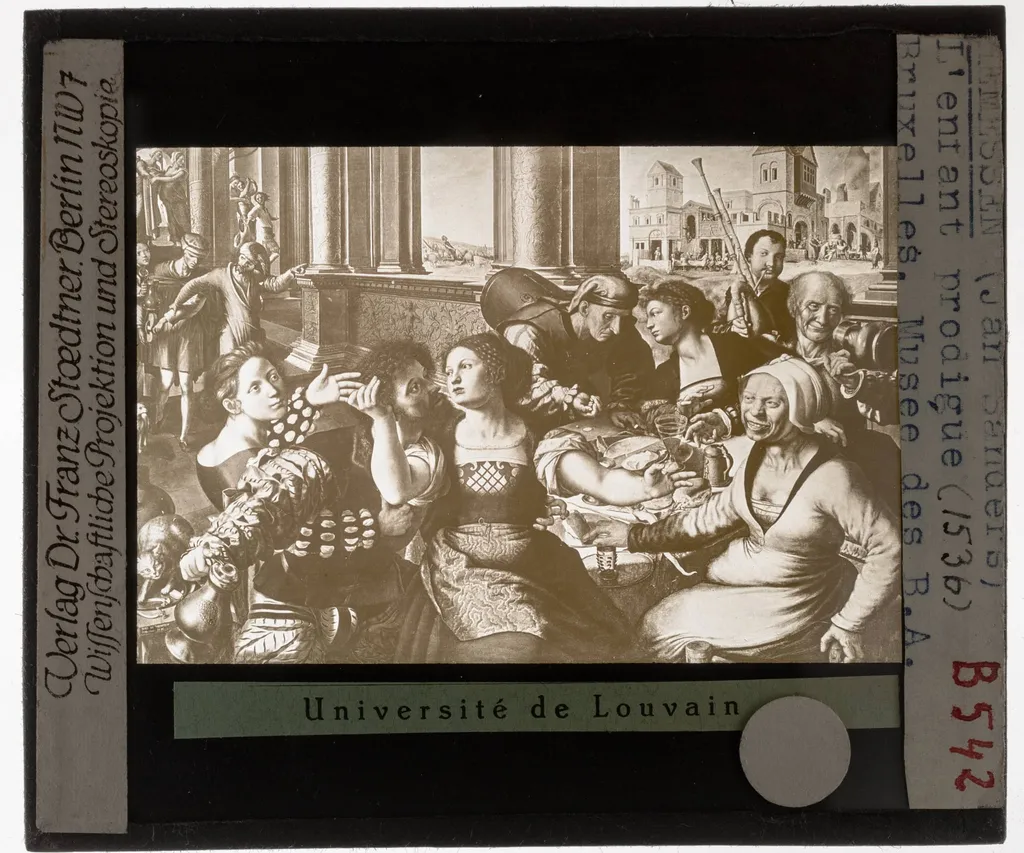
Jan van Hemessen. De verloren zoon is an unspecified painting by the Mannerist artist Jan Sanders van Hemessen. It dates from 1536 and is held in the collection of the Catholic University of Leuven. Jan van Hemessen’s *De verloren zoon* (The Prodigal Son) is an oil painting on panel executed in 1536.
About this work
Overview
Jan van Hemessen’s *De verloren zoon* (The Prodigal Son) is an oil painting on panel executed in 1536. The work belongs to the Northern Renaissance and is presently held in the Royal Museums of Fine Arts of Belgium in Brussels. It forms part of the museum’s 16th‑century religious collection and is catalogued under inventory number 2838.
Subject & Meaning
The composition depicts the biblical moment when the wayward son, having squandered his inheritance, kneels before his father to plead for mercy. The figure’s bowed posture and downcast gaze convey remorse and the theme of forgiveness that underpins the parable.
Technique & Style
Hemessen employs a restrained chiaroscuro, using contrasts of light and shadow to model the figures and to focus attention on the kneeling son. The palette is muted, typical of early Netherlandish Renaissance painting, and the spatial arrangement is clear and narrative‑driven.
History & Provenance
The painting entered the Royal Museums of Fine Arts of Belgium’s collection in the early 20th century, having been documented in the museum’s catalogue of 16th‑century works. Its earlier ownership is not recorded in the surviving sources, and the original patron remains unknown.
Context
Created during a period when biblical subjects were frequently rendered for private devotion, the work reflects the moralizing tone of Protestant‑influenced art in the Low Countries. Hemessen’s treatment of the prodigal son aligns with contemporary interest in human emotion and individual repentance.
Artist & collection
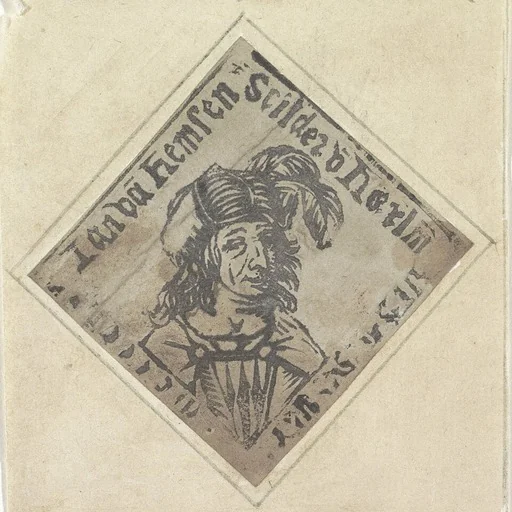
Artist
Jan Sanders van Hemessen (c. 1500 – c. 1566) was a leading Flemish Renaissance painter, belonging to the group of Italianizing Flemish painters called the Romanists, who were influenced by Italian Renaissance painting.…
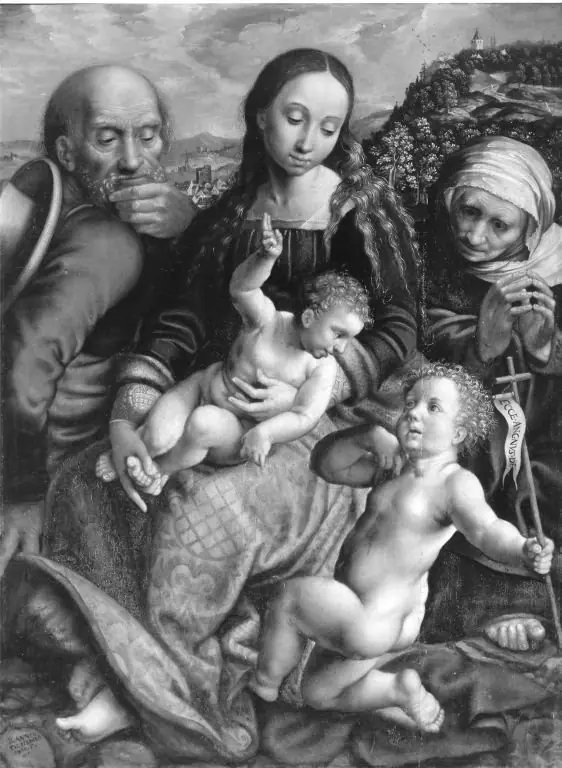
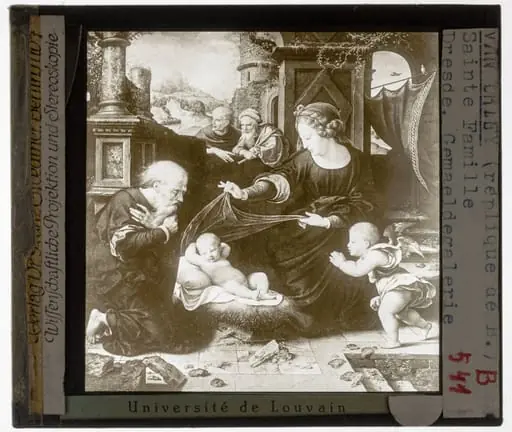 Bernard van Orley (kopie). Heilige Familie
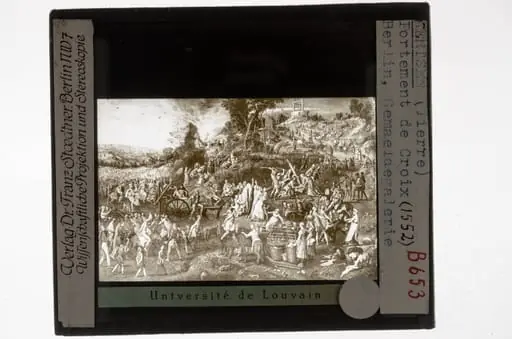 Pieter Aertsen. Crucifixion
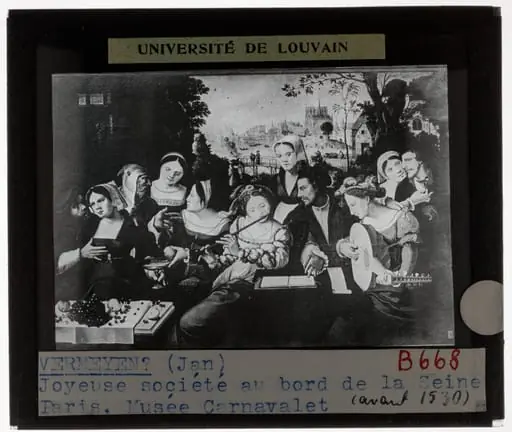 Jan Cornelis Vermeyen (onzeker). De verloren zoon tussen de courtisannes
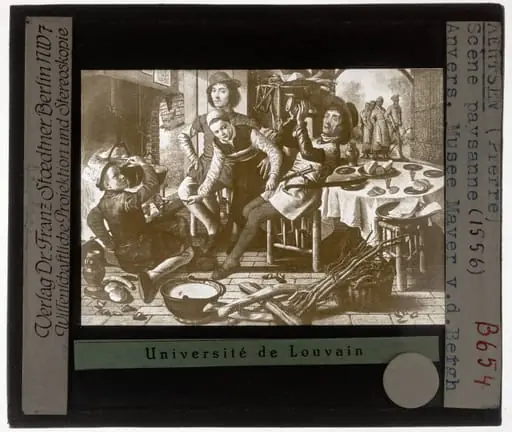 Pieter Aertsen. Boerengezelschap bij de haard
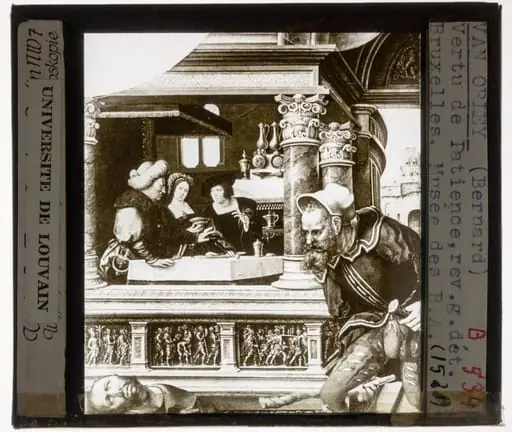 Bernard van Orley. Triptiek met de deugd van het Geduld Paneel links, achterzijde: De arme Lazarus aan de deur van de slechte rijke, detail bovenaan
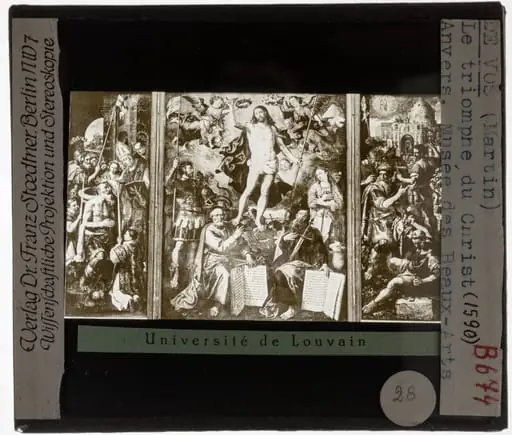 Maarten de Vos. Altaarstuk van de gilde van de oude voetboog
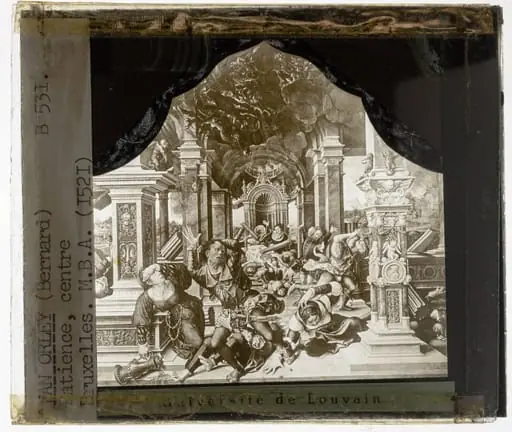 Bernard of Orley. Triptych with the virtue of Patience Central panel: The banquet of Jobs children
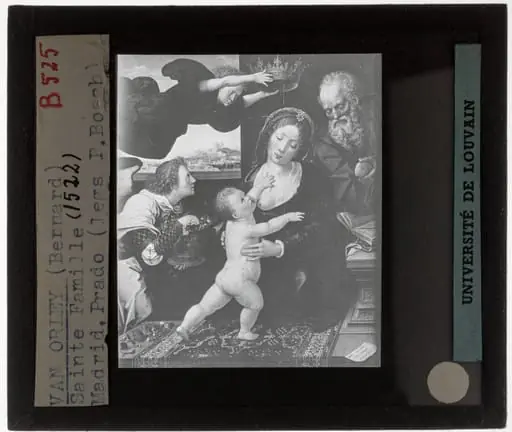 Bernard of Orley. Holy Family
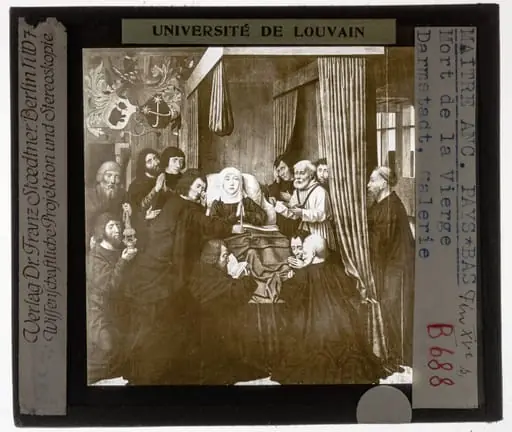 Simon van Haarlem (toegeschreven aan). Dood van Maria