Artwork
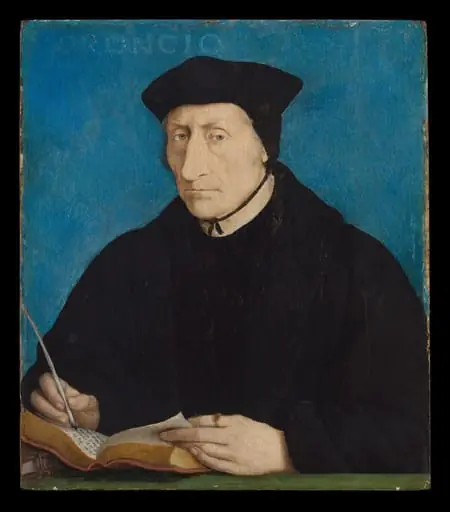
Portrait of a secretary of Emperor Charles V
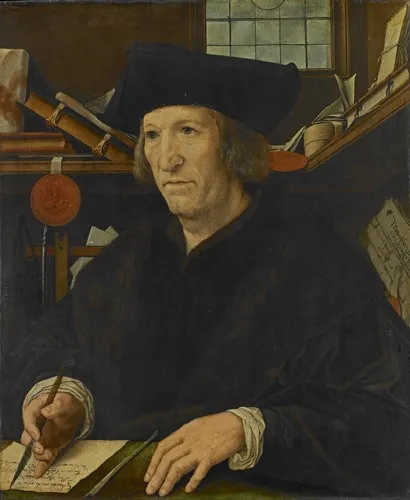
Portrait of a secretary of Emperor Charles V is an oil painting by the Northern Renaissance artist Bernard Van Orley. It dates from 1530 and is held in the collection of the Royal Museums of Fine Arts of Belgium.
About this work
Overview
The work belongs to the Royal Museums of Fine Arts of Belgium and exemplifies his skill in rendering quiet authority through intimate domestic settings.
Painted around 1530 by Bernard van Orley, this oil portrait captures a high-ranking official connected to Emperor Charles V. Van Orley, a Brussels-based artist, was known for blending Northern European detail with Italian Renaissance ideals, despite never visiting Italy. The work belongs to the Royal Museums of Fine Arts of Belgium and exemplifies his skill in rendering quiet authority through intimate domestic settings.
Subject & Meaning
The sitter is likely a secretary or clerk in the imperial administration, identified by his scholarly posture and surroundings. His focused gaze and poised hand holding a quill suggest diligence and intellectual engagement. The clutter of documents and writing tools imply a life devoted to bureaucratic service, reflecting the growing importance of administrative roles in the Habsburg empire’s governance.
Technique & Style
Van Orley employs chiaroscuro to model the figure with subtle gradations of light and shadow, enhancing the three-dimensionality of the face and hands. The textures of fabric, parchment, and wood are rendered with precise brushwork, typical of Flemish tradition. The muted palette and confined space focus attention on the subject’s expression and activity, avoiding decorative excess while emphasizing quiet dignity.
History & Provenance
The painting entered the collection of the Royal Museums of Fine Arts of Belgium in the 19th century, though its earlier ownership remains undocumented. It was likely commissioned by the imperial court or a close associate, given the sitter’s status. Van Orley’s position as a favored artist to the Habsburgs supports the likelihood of direct patronage from within the emperor’s circle.
Context
In early 16th-century Flanders, artists like van Orley bridged local realism with Italianate composition, responding to humanist ideals circulating through printed texts and courtly networks. This portrait reflects the rising cultural value placed on literate officials who managed the expanding administrative machinery of the Holy Roman Empire, making the secretary a symbol of emerging bureaucratic power.
Legacy
Van Orley’s portrait contributes to a broader tradition of civic and administrative portraiture in Northern Europe. Its restrained elegance and psychological nuance influenced later generations of Flemish painters who sought to convey character through environment and gesture rather than overt symbolism. The work remains a key example of how Renaissance ideals were adapted to Northern courtly life.
Artist & collection
Artist
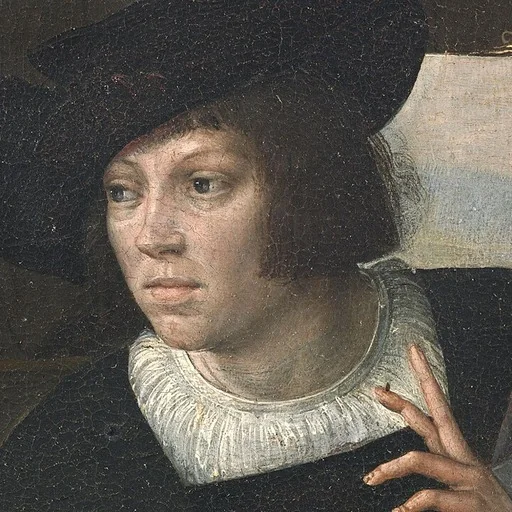
Bernard van Orley (between 1487 and 1491 – 6 January 1541), also called Barend or Barent van Orley, Bernaert van Orley or Barend van Brussel, was a versatile Flemish artist and representative of Dutch and Flemish…

Museum
Royal Museums of Fine Arts of Belgium
Continue through works from the same source collection.
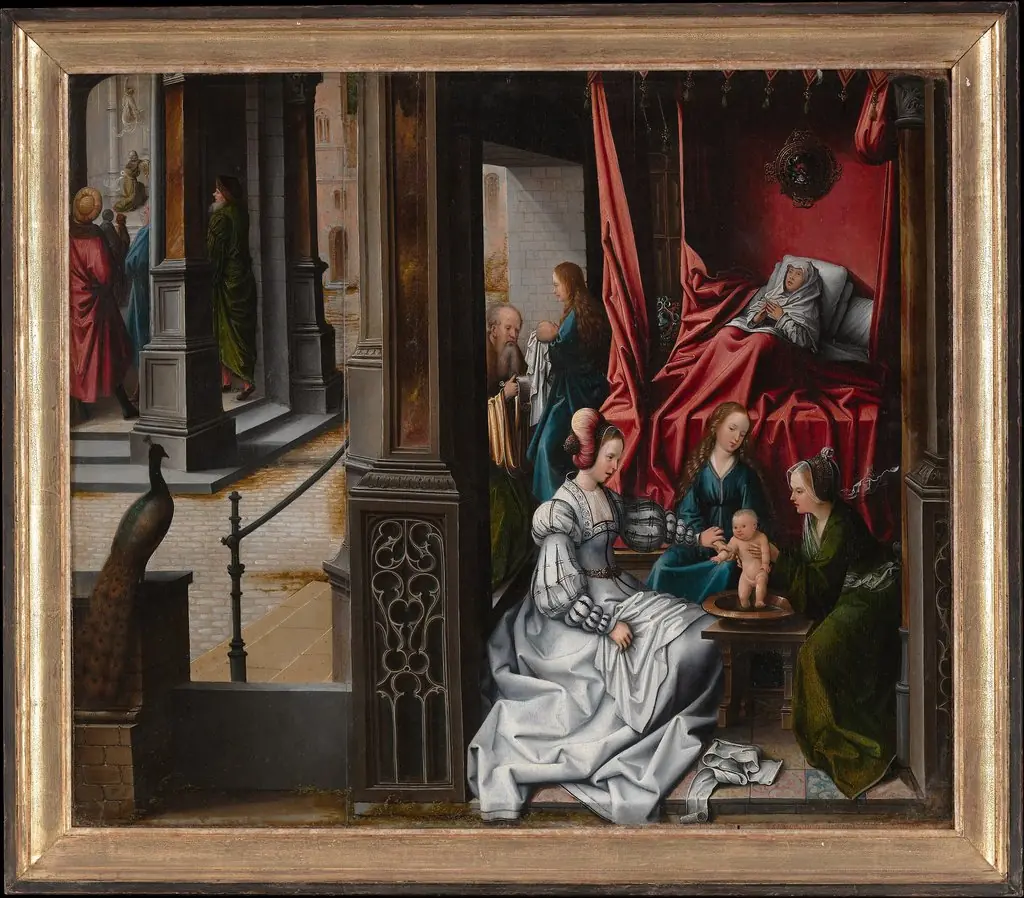 The Birth and Naming of Saint John the Baptist; (reverse) Trompe-l'oeil with Painting of The Man of Sorrows
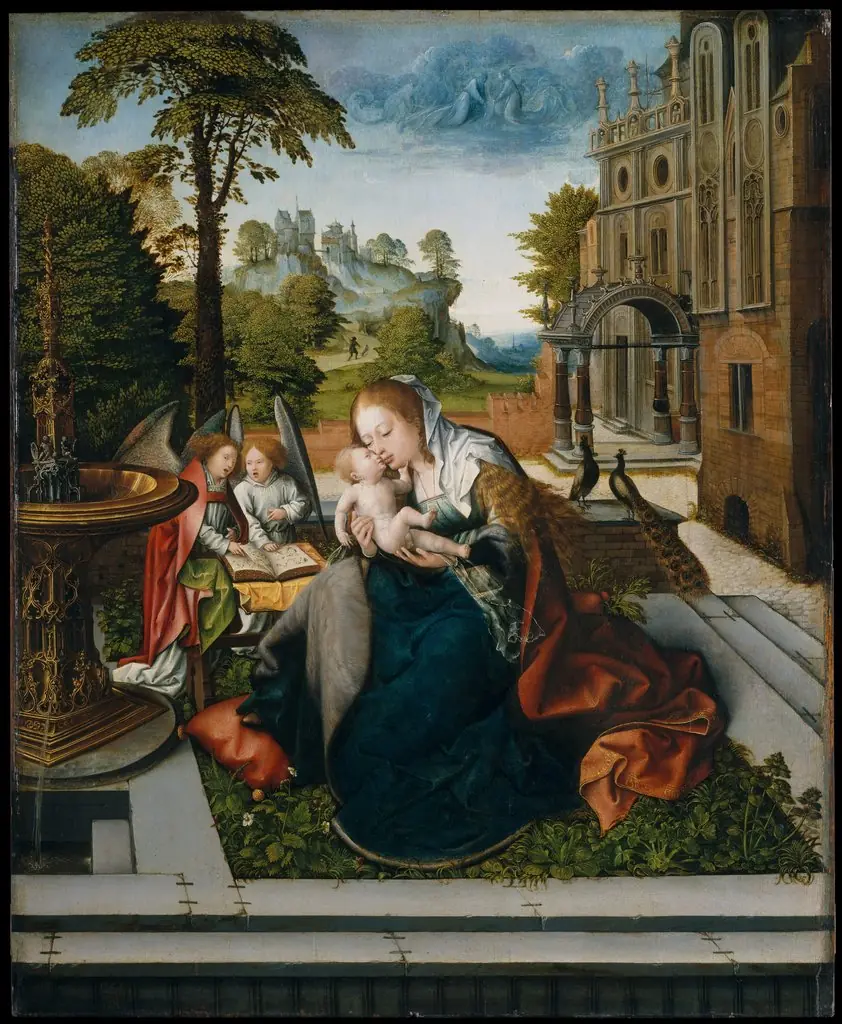 Virgin and Child with Angels
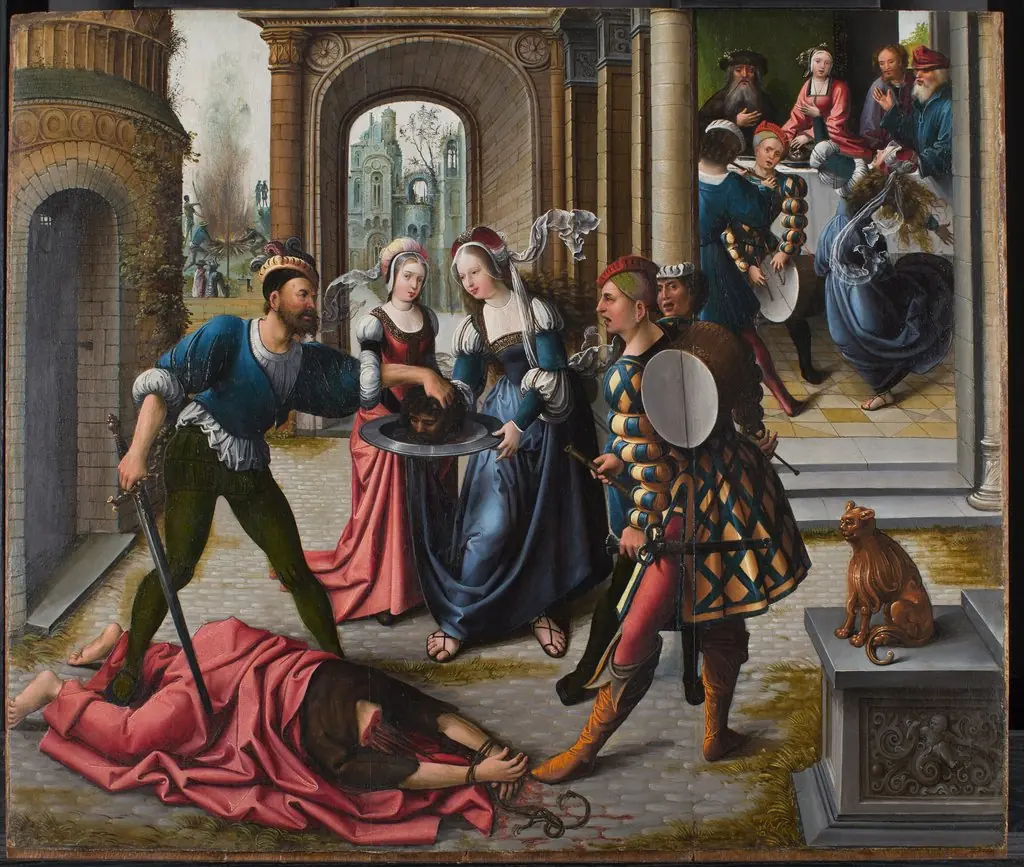 The Martyrdom of Saint John the Baptist
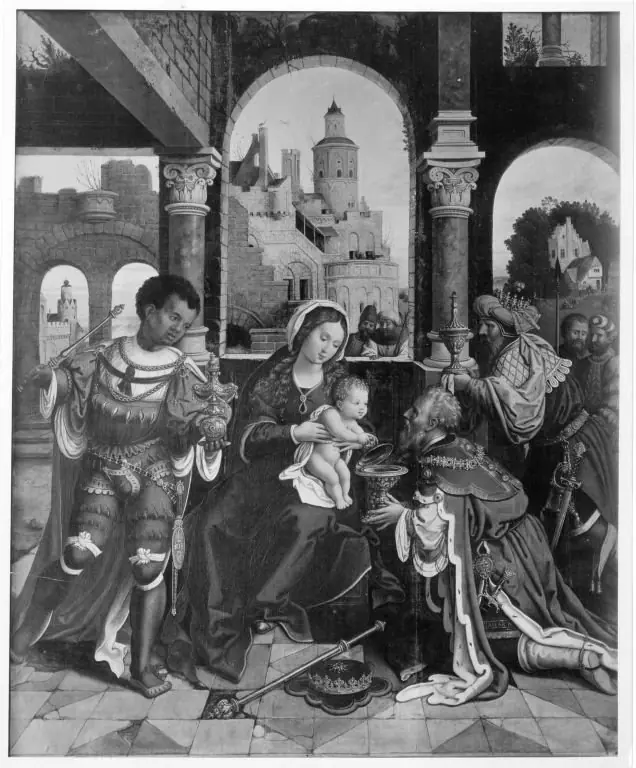 The Adoration of the Magi
![Christ among the Doctors [obverse], by Bernard Van Orley](https://artifactworldgallery.com/img/bernard-van-orley--christ-among-the-doctors-obverse--78795f311364e613-w320.webp) Christ among the Doctors [obverse]
Christ among the Doctors [obverse]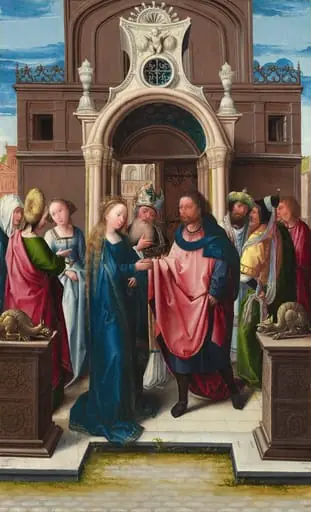 The Marriage of the Virgin
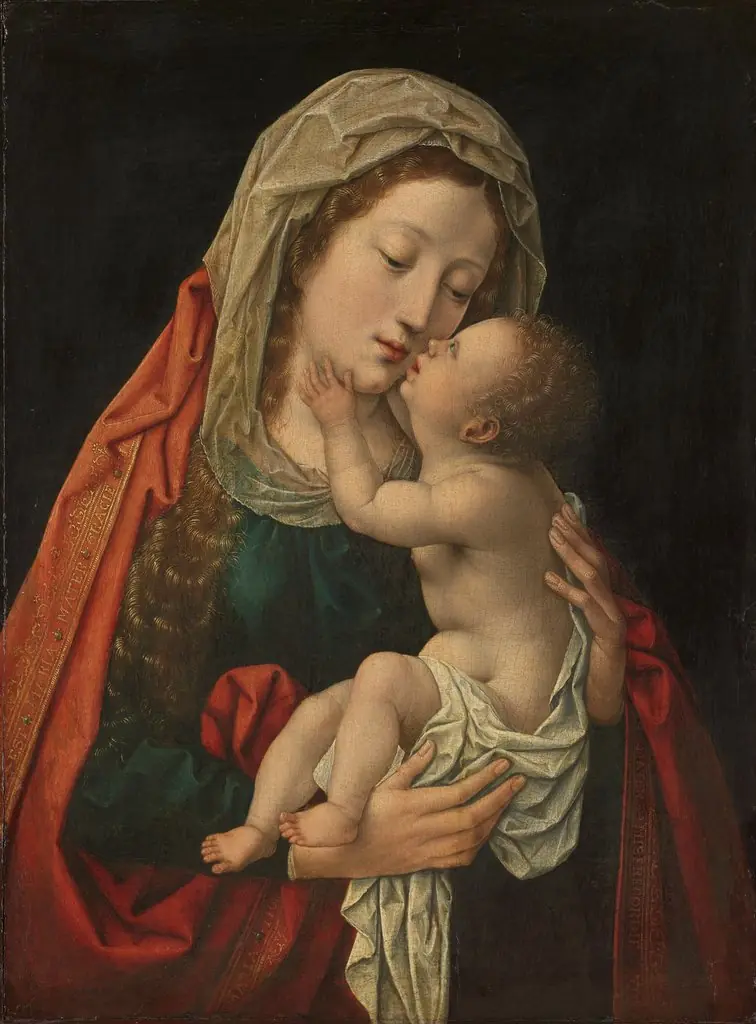 The Virgin and Child
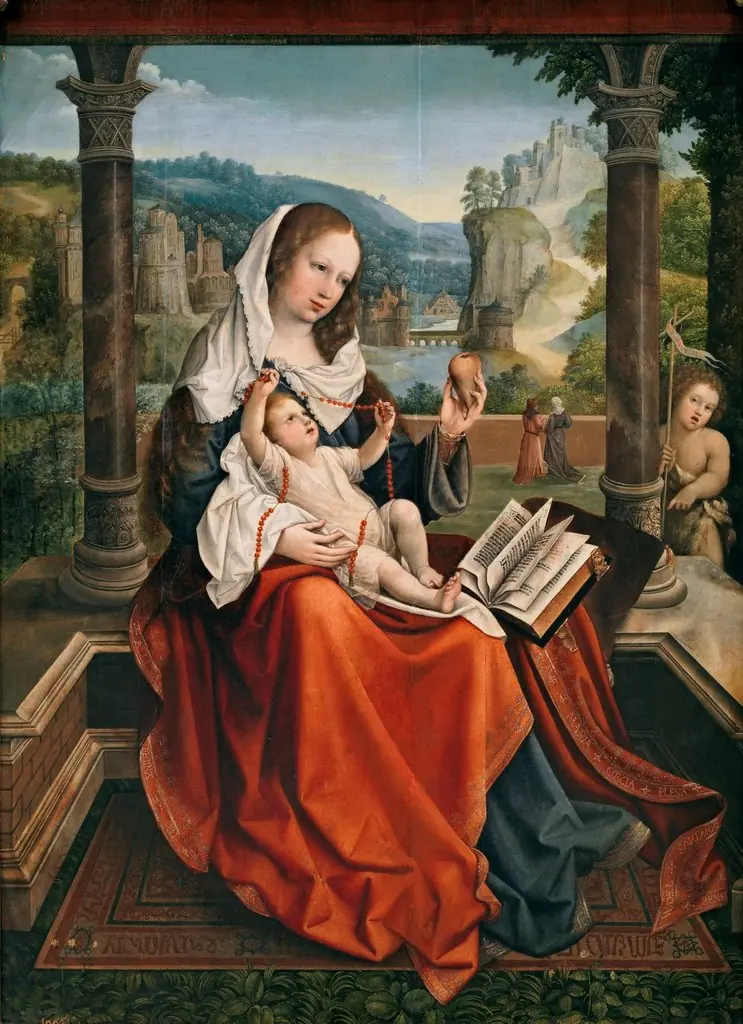 The Virgin and Child with the Infant Saint John the Baptist
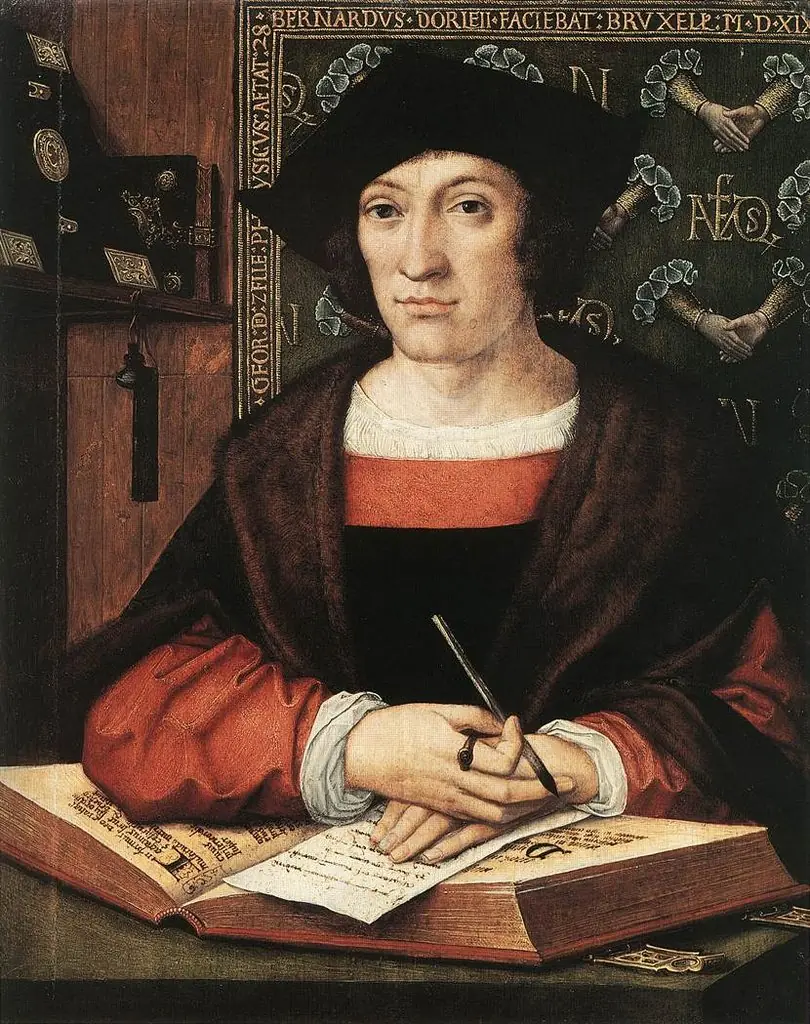 Joris van Zelle
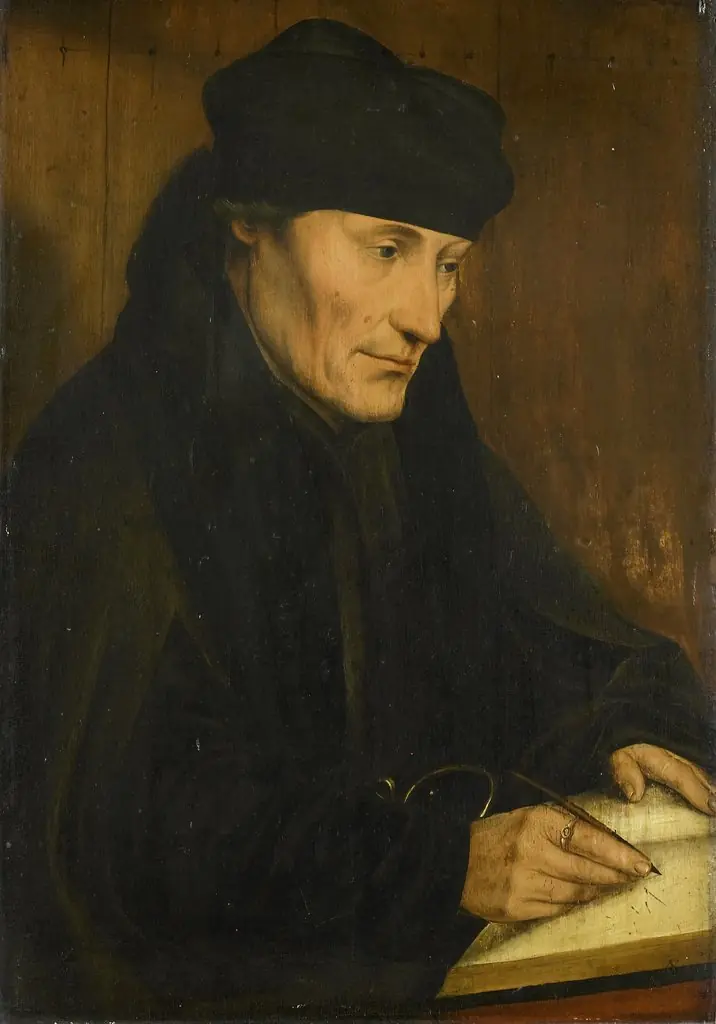 Portrait of Desiderius Erasmus (1469?-1536)
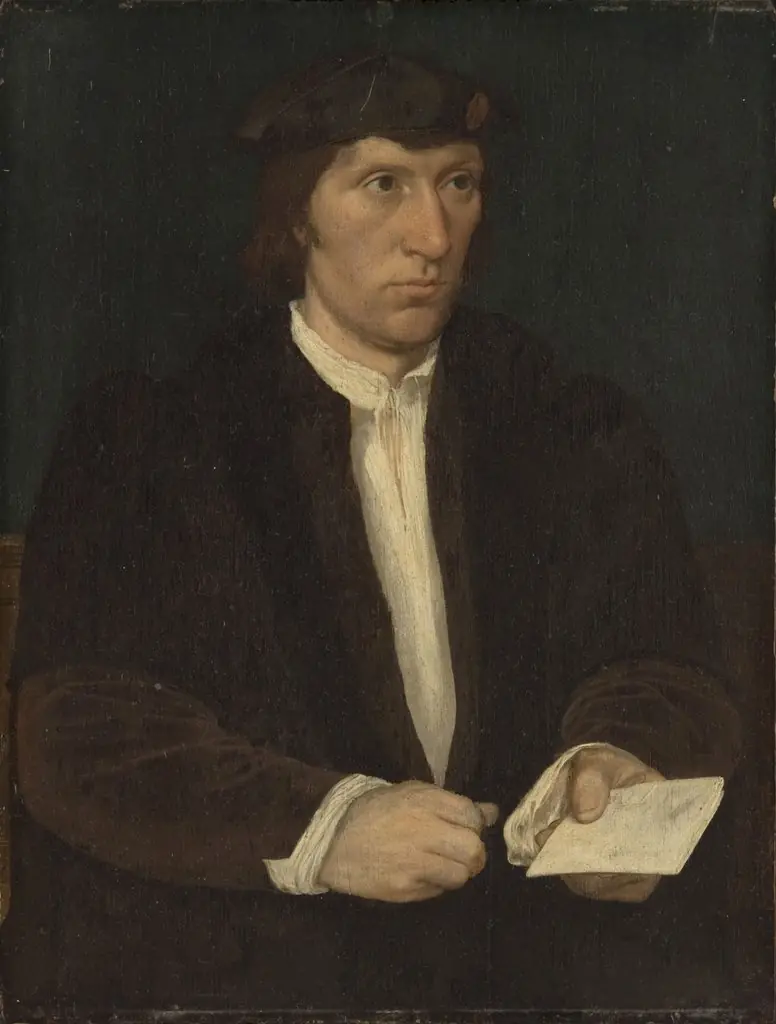 Portrait of John Godsalve
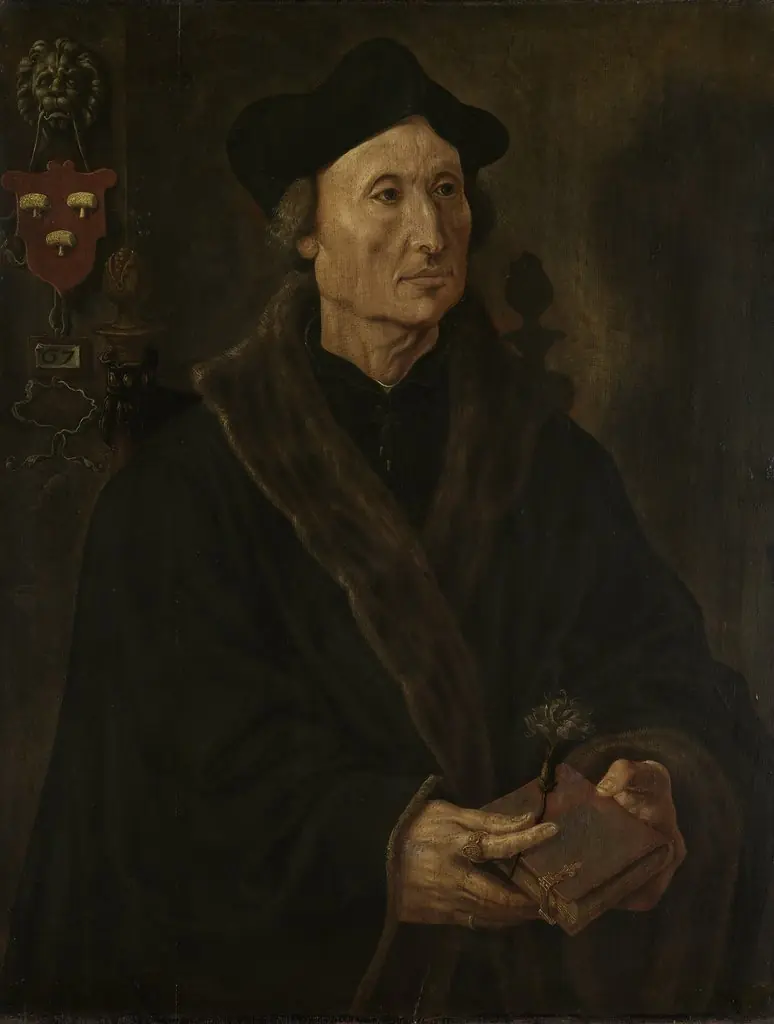 Portrait of Johannes Colmannus (1471-1538)
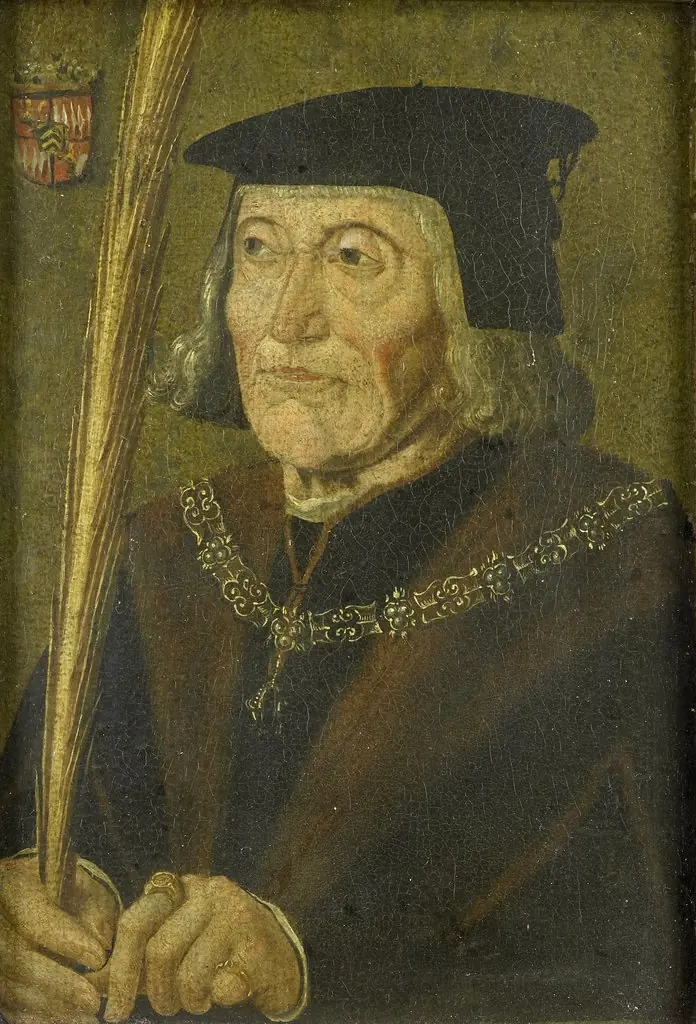 Portrait of Jan van Egmond (1438-1516), Count of Egmond
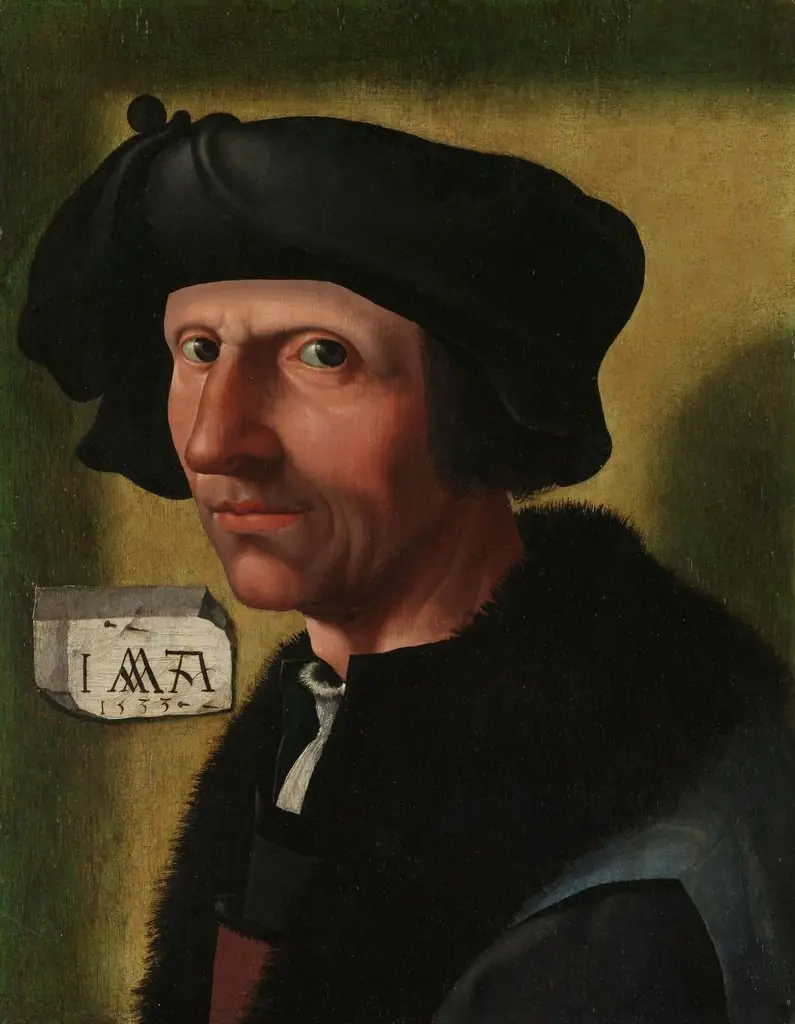 Portrait of Jacob Cornelisz van Oostsanen
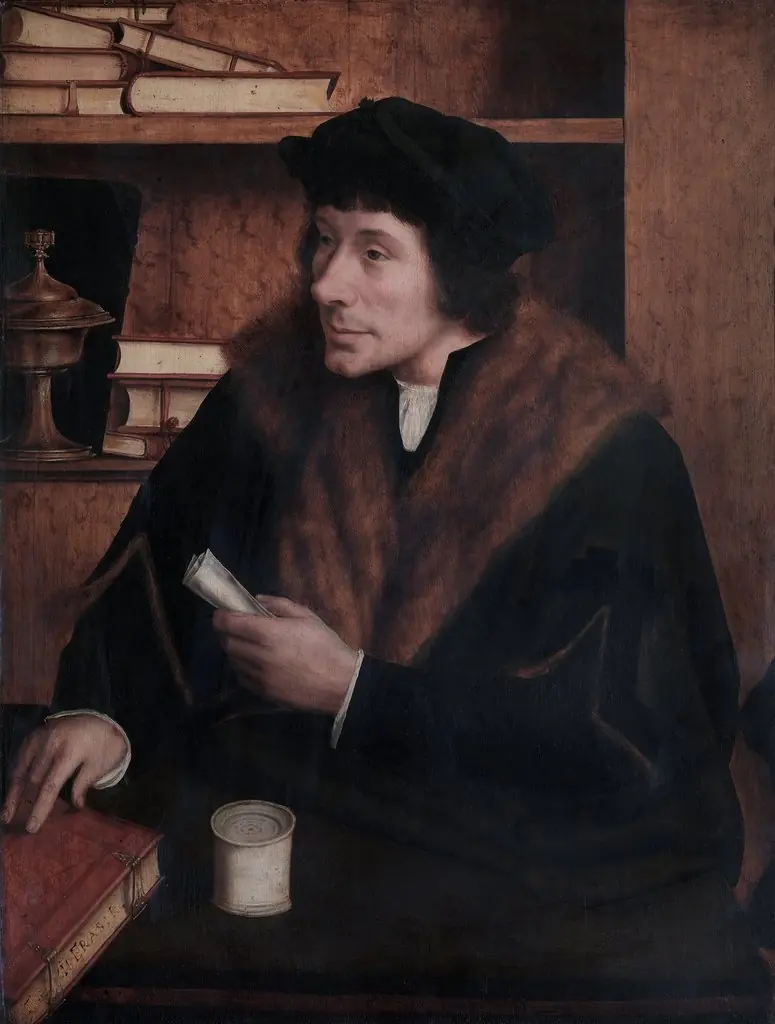 Pieter Gillis
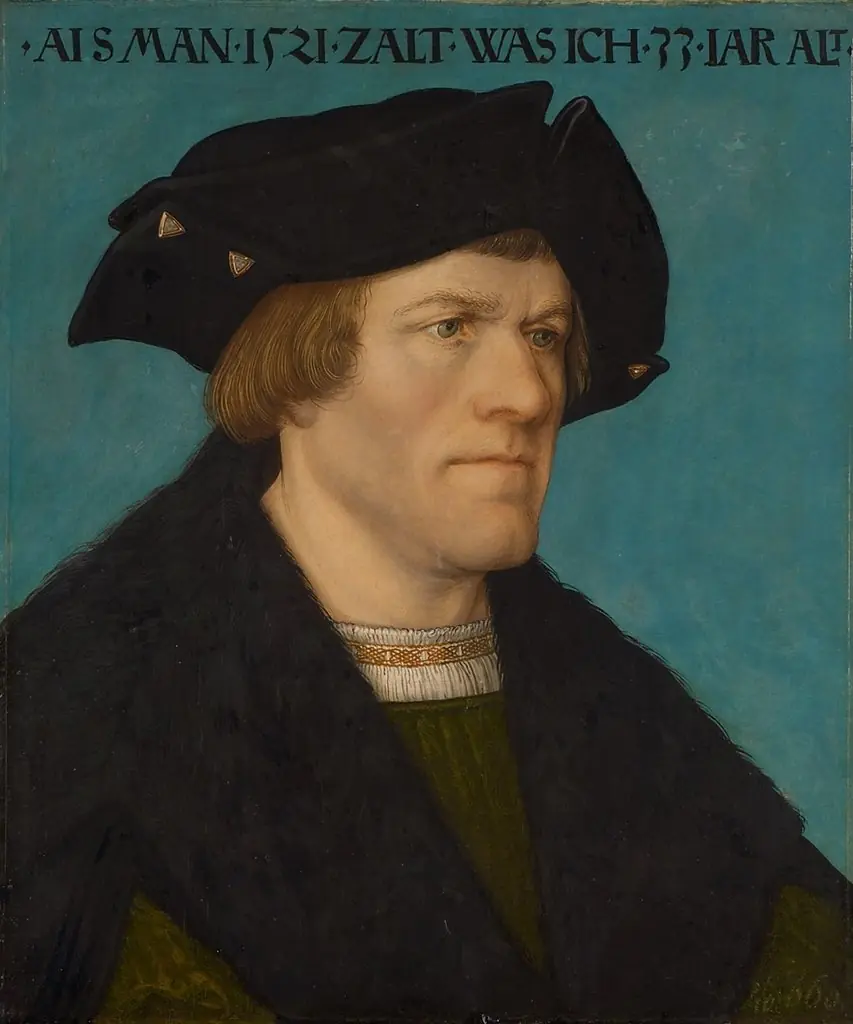 Portrait of a beardless man
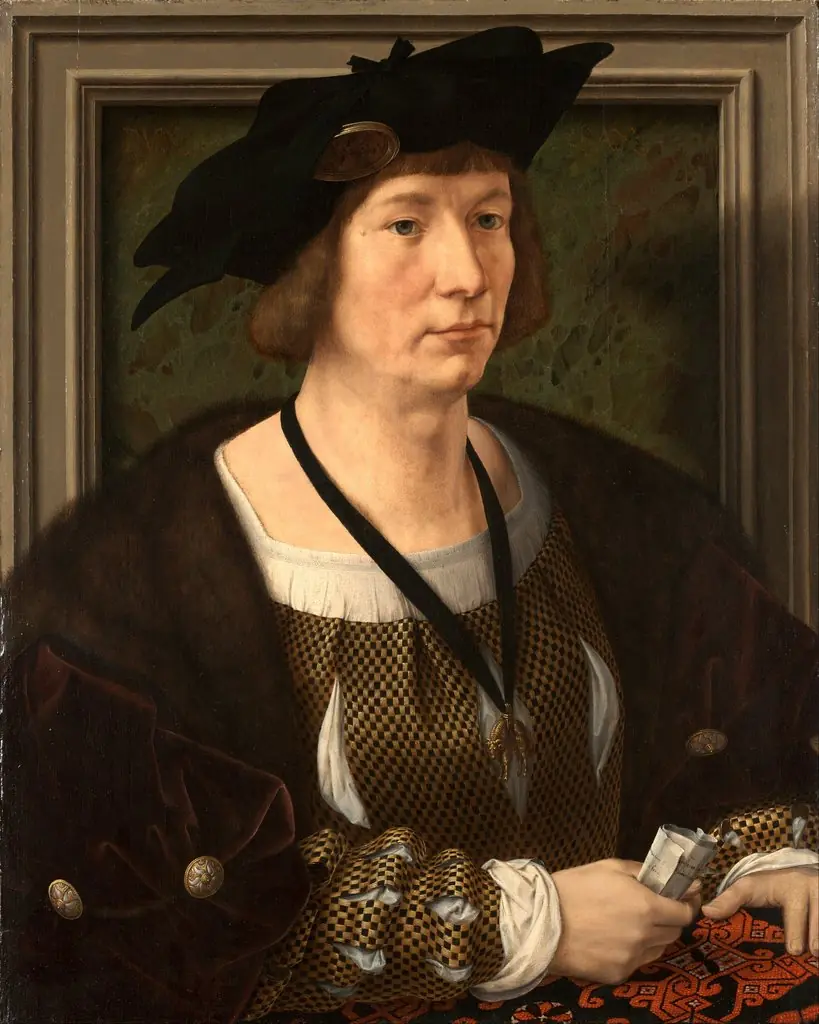 Portrait of Hendrik III, Count of Nassau-Breda
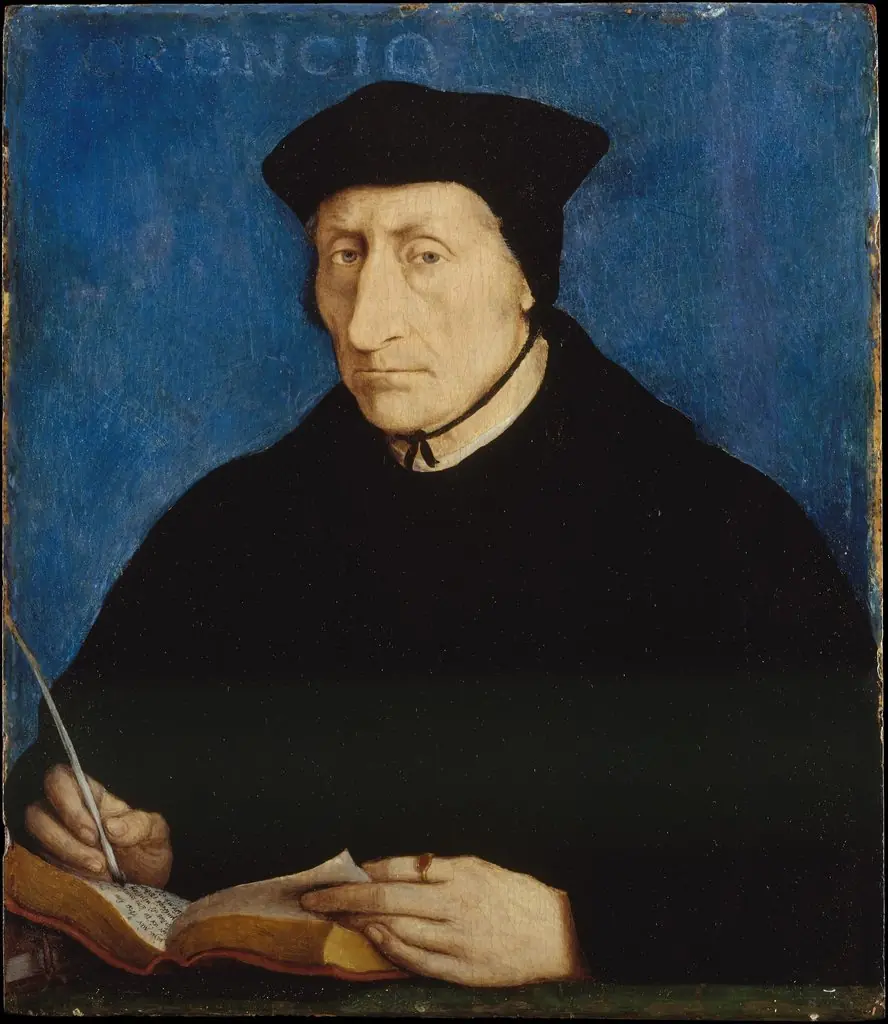 Guillaume Budé (1467–1540)
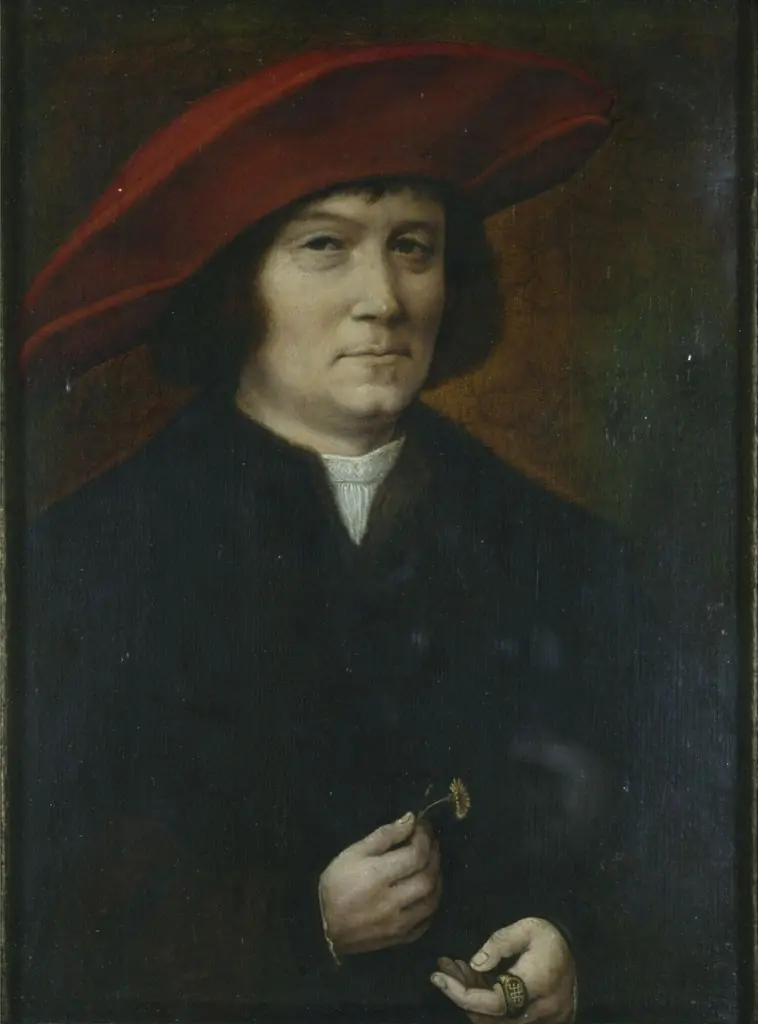 A man in a red hat
 Portrait of Guillaume Budé