Artwork
A man in a red hat
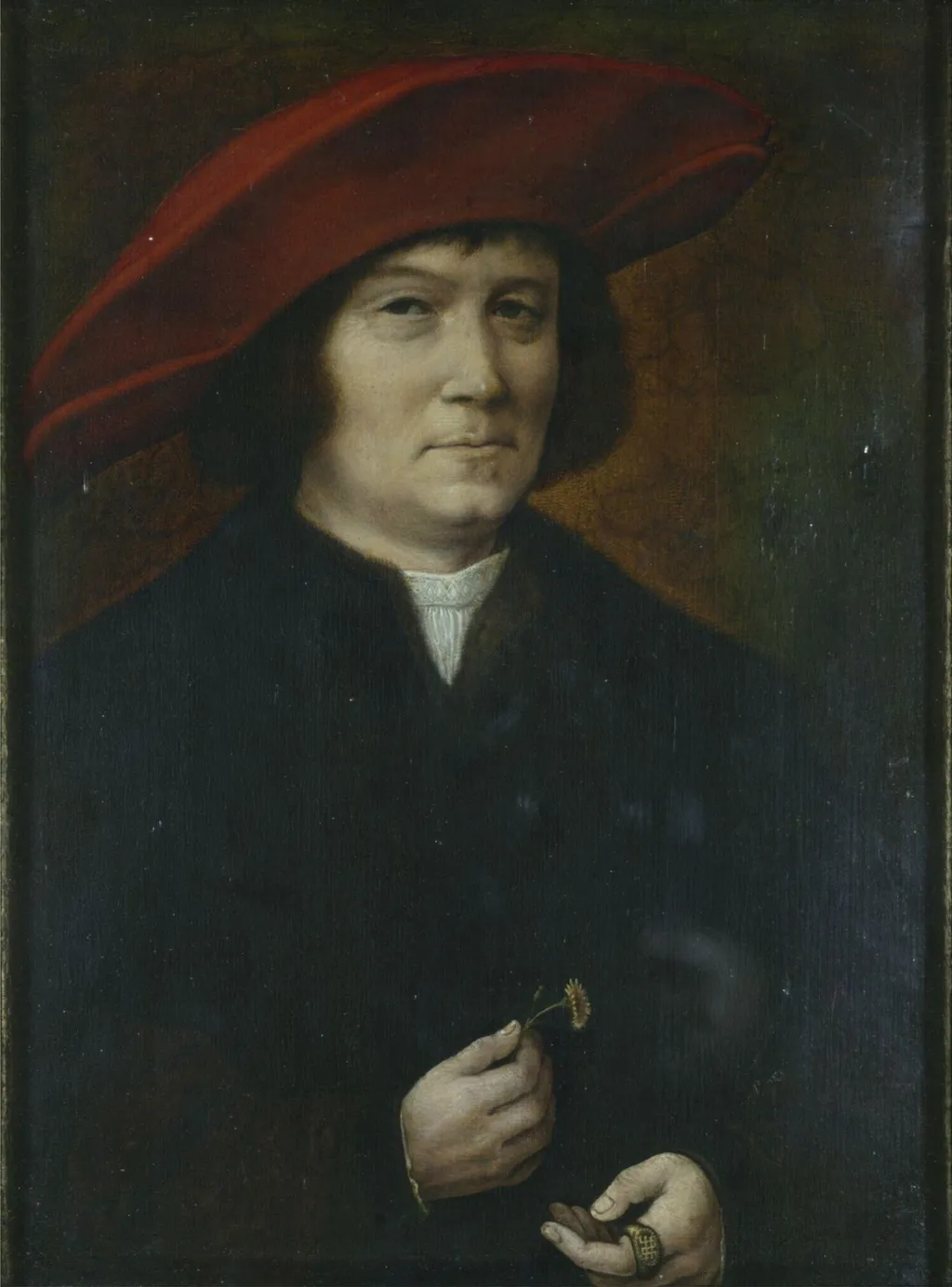
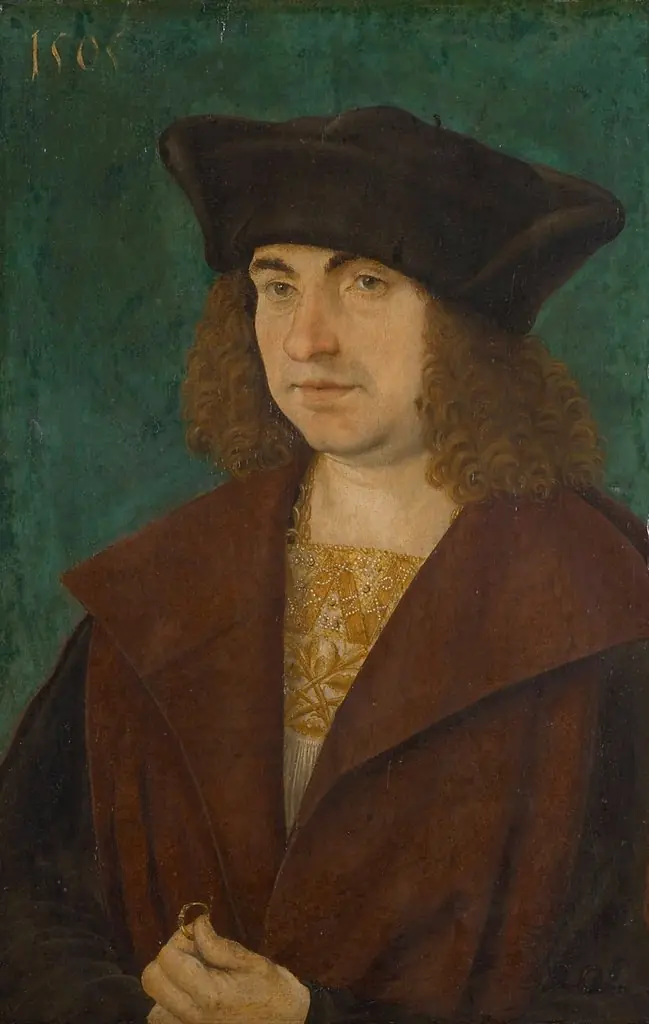
A man in a red hat is an oil painting by the Mannerist artist Unknown. It dates from 1530 and is held in the collection of the Victoria and Albert Museum. This oil painting depicts a man wearing a red hat and dark clothing, with a crisp white collar visible at his neck.
About this work
Overview
The work exhibits the use of chiaroscuro, with subtle gradations of light and shadow modeling the face and hands, suggesting a Renaissance origin.
This oil painting depicts a man wearing a red hat and dark clothing, with a crisp white collar visible at his neck. He holds a small flower in his right hand and gazes directly at the viewer. The background is uniformly dark, enhancing the figure’s presence. The work exhibits the use of chiaroscuro, with subtle gradations of light and shadow modeling the face and hands, suggesting a Renaissance origin.
Subject & Meaning
The man’s neutral expression and direct gaze convey a quiet dignity, typical of portraiture from the Renaissance. The flower he holds may symbolize transience or personal sentiment, though its specific meaning remains uncertain. His attire—dark garments with a refined collar—hints at modest affluence or civic status, reflecting a cultural emphasis on individual identity during the period.
Technique & Style
The artist employs chiaroscuro to model the face and hands with soft transitions between light and shadow, creating a three-dimensional effect. The dark background isolates the figure, focusing attention on his form and expression. Brushwork is restrained and precise, avoiding overt ornamentation, which aligns with the period’s move toward naturalism and psychological depth in portraiture.
History & Provenance
The painting’s origin and early ownership are undocumented. No signature or inscription is visible, and its first recorded appearance in a collection dates to the 19th century. Its attribution to a specific artist or region remains tentative, though stylistic elements suggest a Northern or Italian Renaissance source, possibly from the early 1500s.
Context
During the Renaissance, portraiture evolved from symbolic representation to individualized likeness, often commissioned by merchants, scholars, or minor nobility. The inclusion of a flower and the direct gaze reflect contemporary interests in personal identity and naturalism. The use of oil paint on panel or canvas was standard, allowing for fine detail and luminous depth.
Legacy
Though not widely known, the painting exemplifies the quiet intensity of Renaissance portraiture. Its restrained composition and psychological presence resonate with similar works from the era, contributing to broader understandings of how individuals were visually represented in early modern Europe. It remains a modest but instructive example of the period’s technical and aesthetic priorities.
Artist & collection

 Domestic Scene
 Giacomo and Cardinal Marco, investing Andrea, Abbot of San Zeno, with his Benefice
 The Nymph of Fontainebleau
 Portrait of a Woman
 Madonna and Child with Saints in the Enclosed Garden
 Venus and Minerva
 Family Group of Four on Sofa
 Wall painting from Room H of the Villa of P. Fannius Synistor at Boscoreale
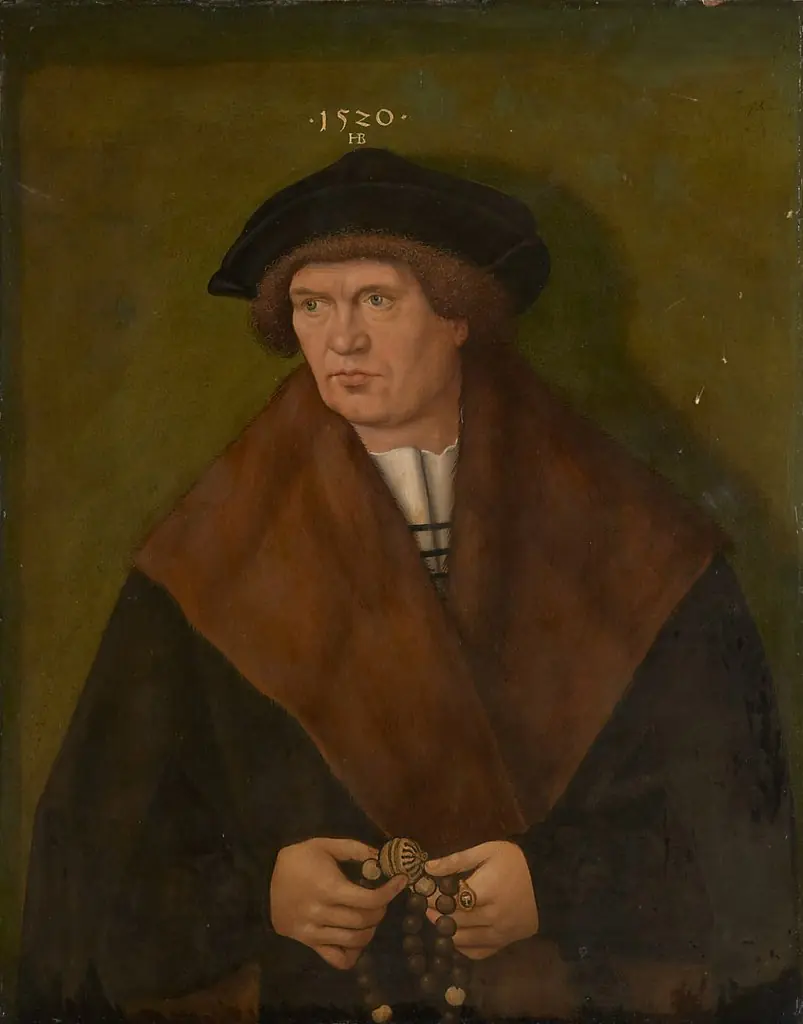 The Nuremberg dressmaker Hans Pirkel the Younger
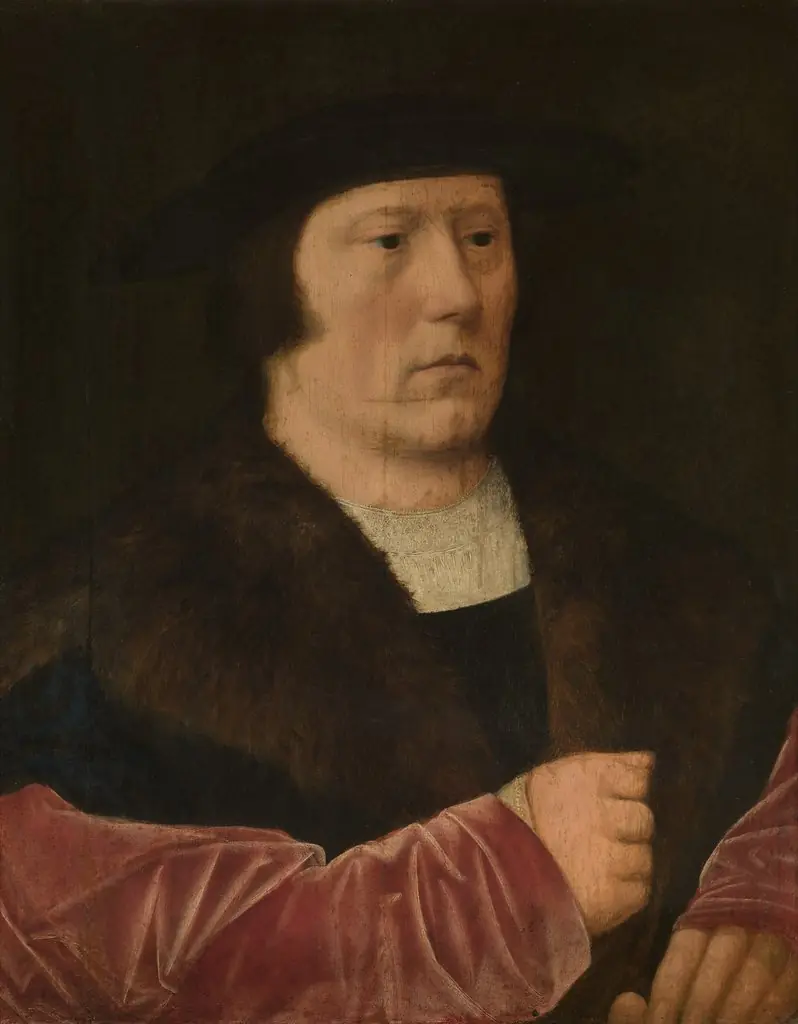 Portrait of a Man
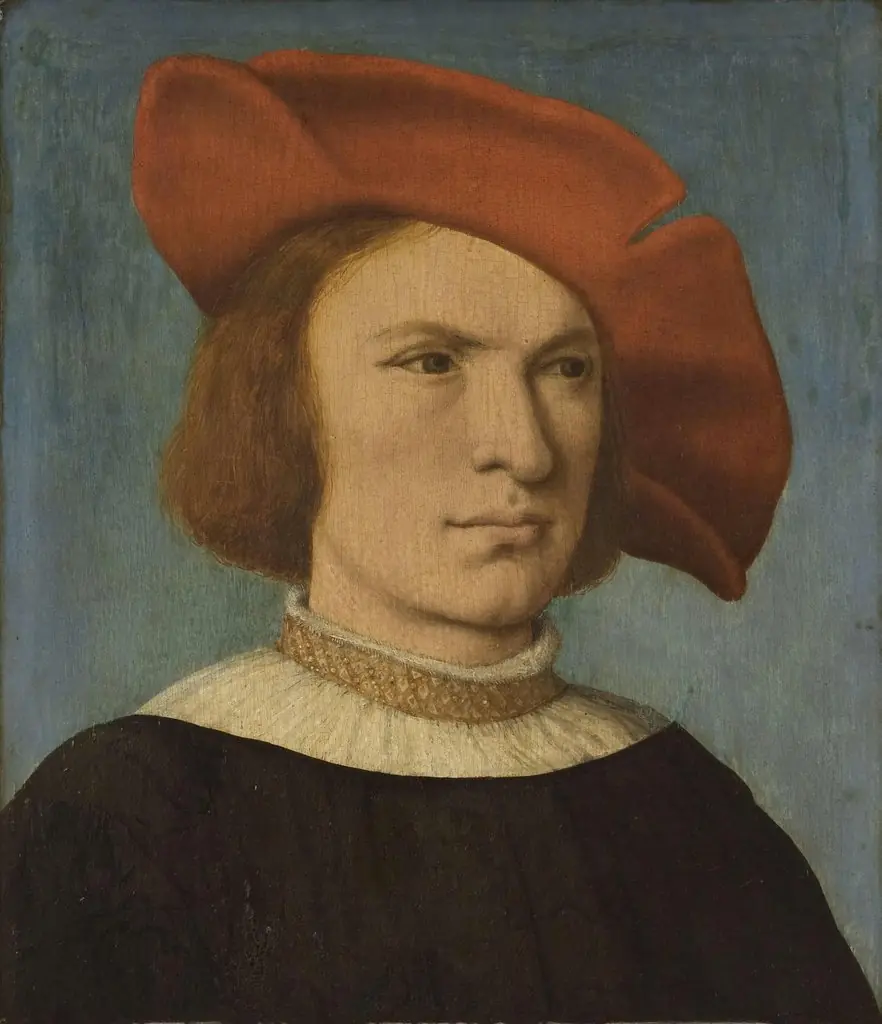 Portrait of a Young Man
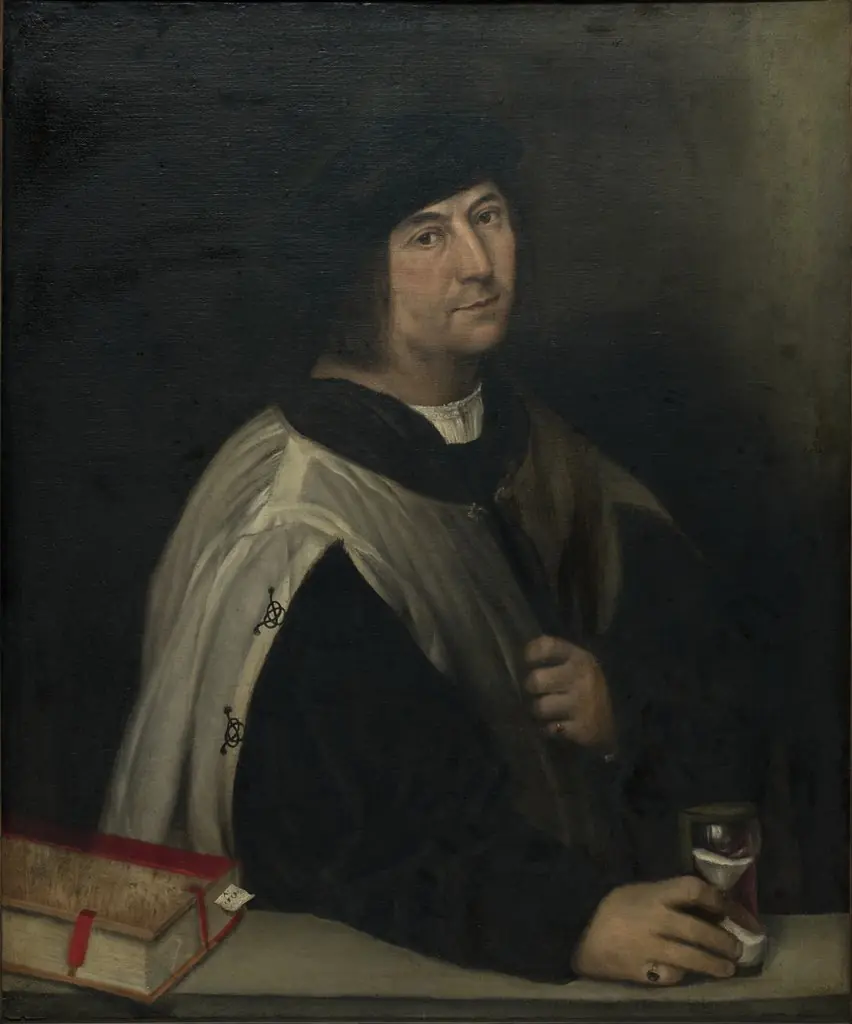 Prelate with an Hourglass
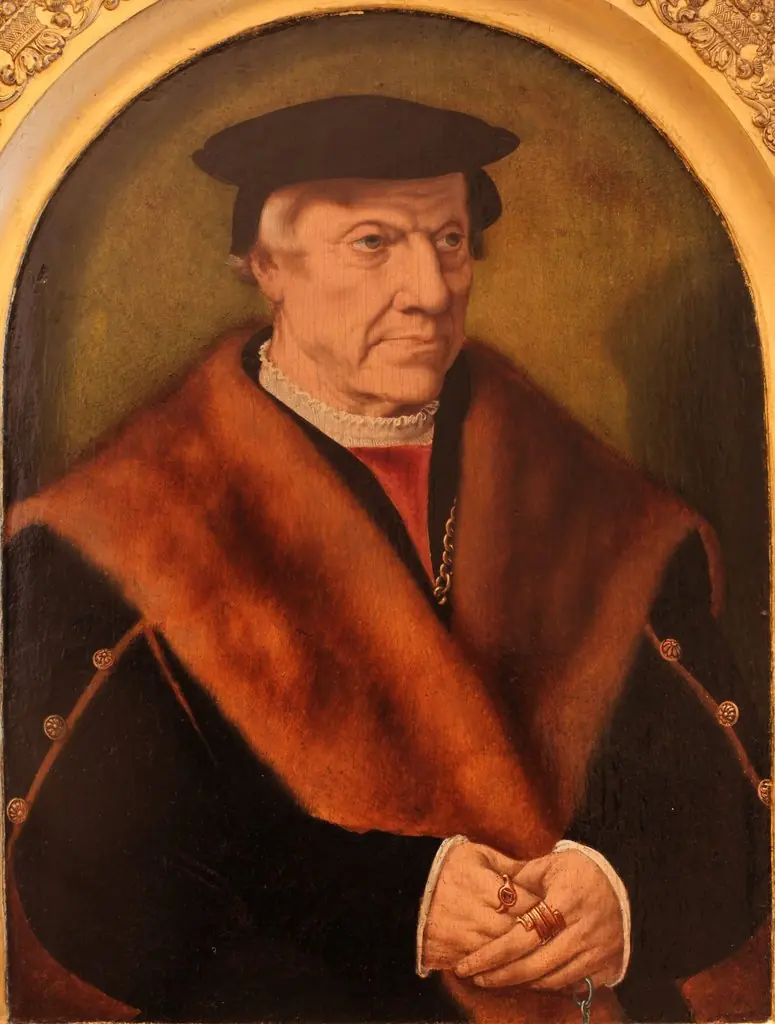 Portrait of a man
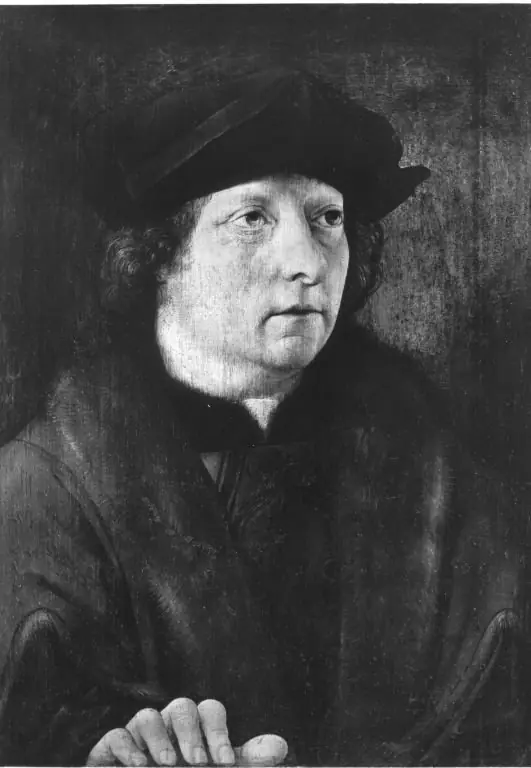 Portraits of a Couple: Male portrait
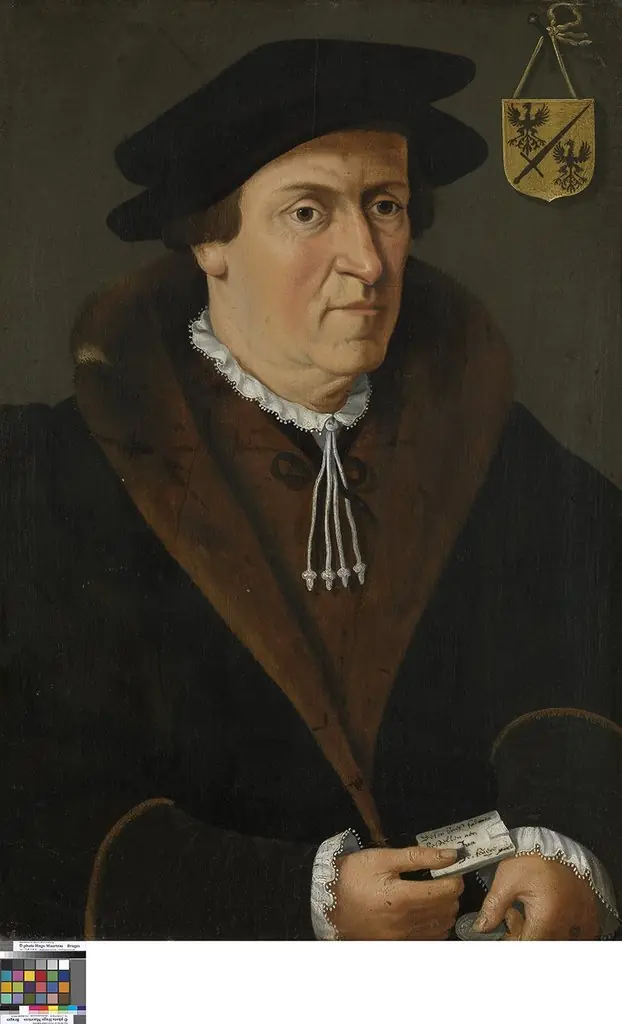 Portrait of Jan de Fevere
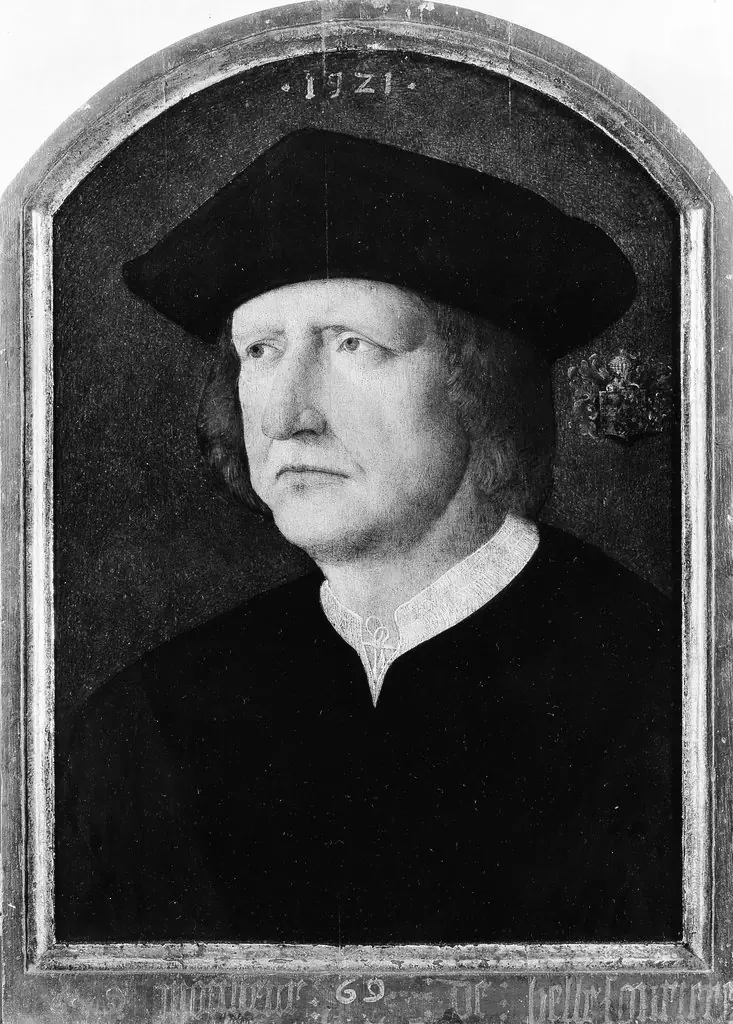 Monsieur de Bellefourière
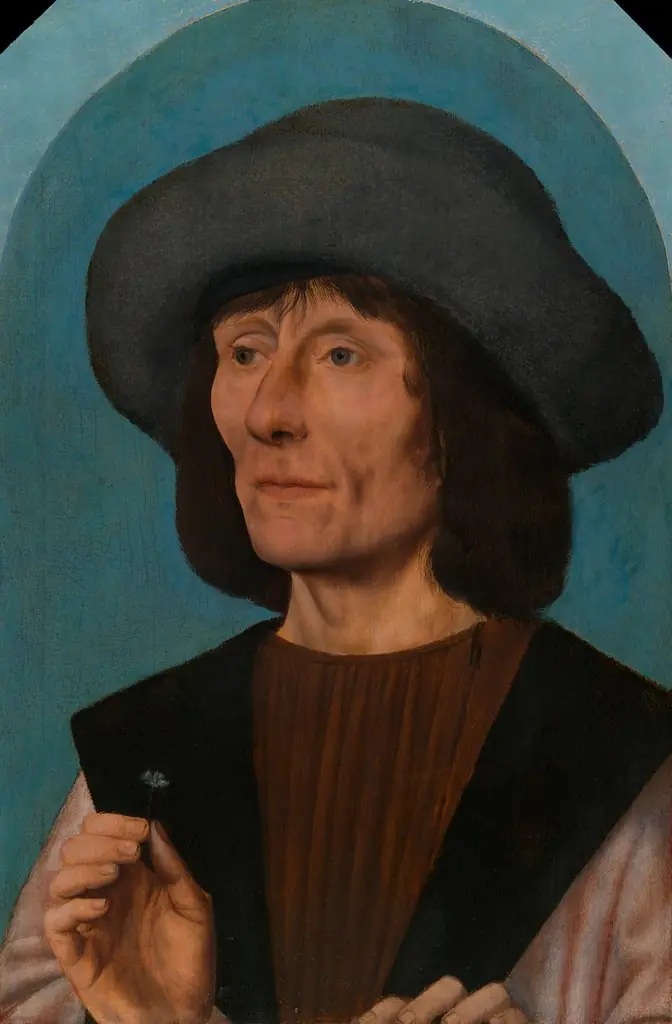 Portrait of a Man with a Pink Carnation
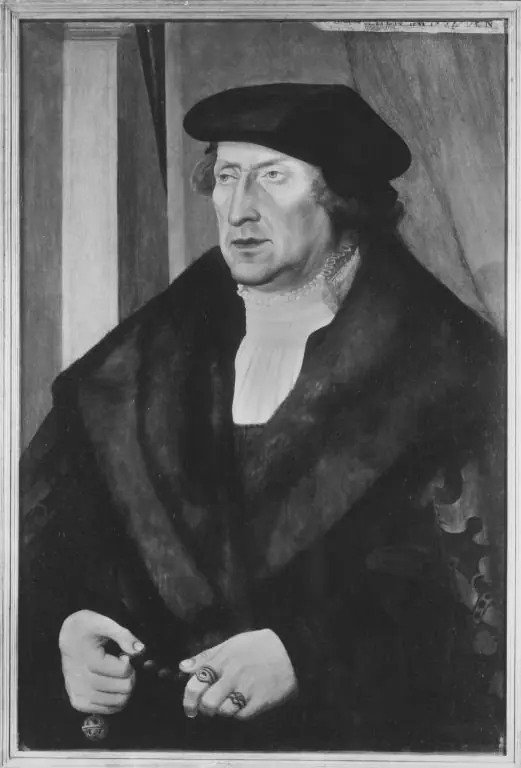 Pfalzgraf Philipp, Bischof von Freising
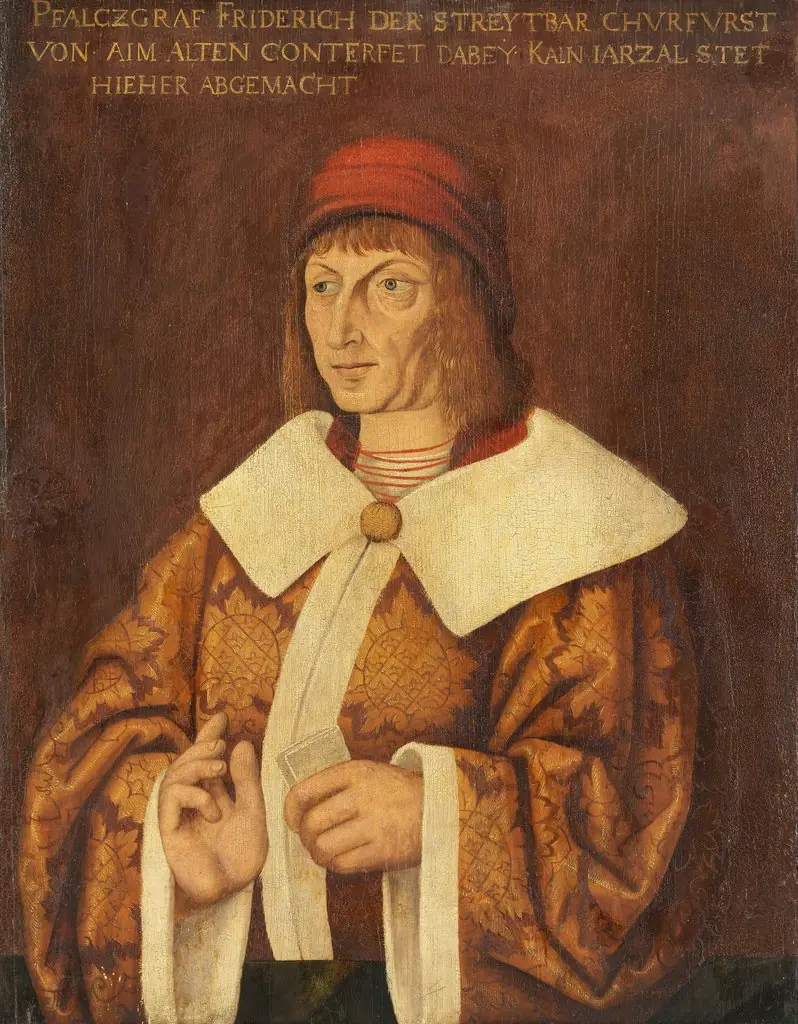 Kurfürst Friedrich I. der Siegreiche
 Portrait of a man with ring