Artwork
Joris van Zelle
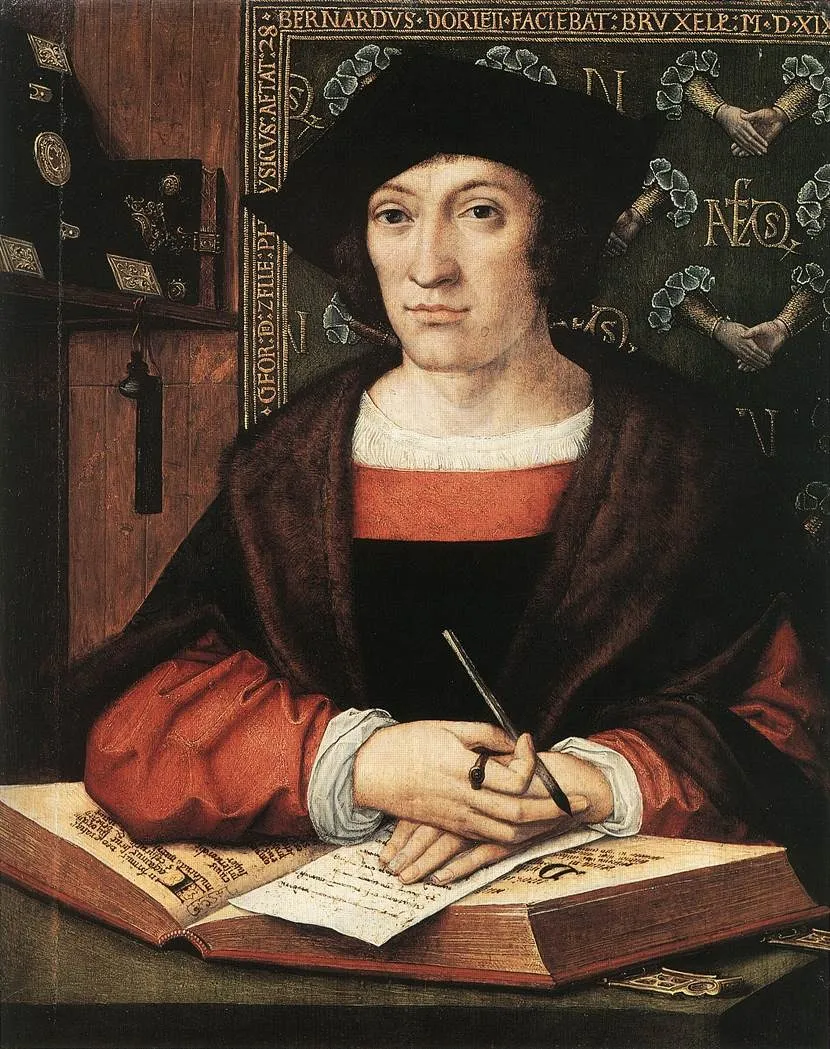
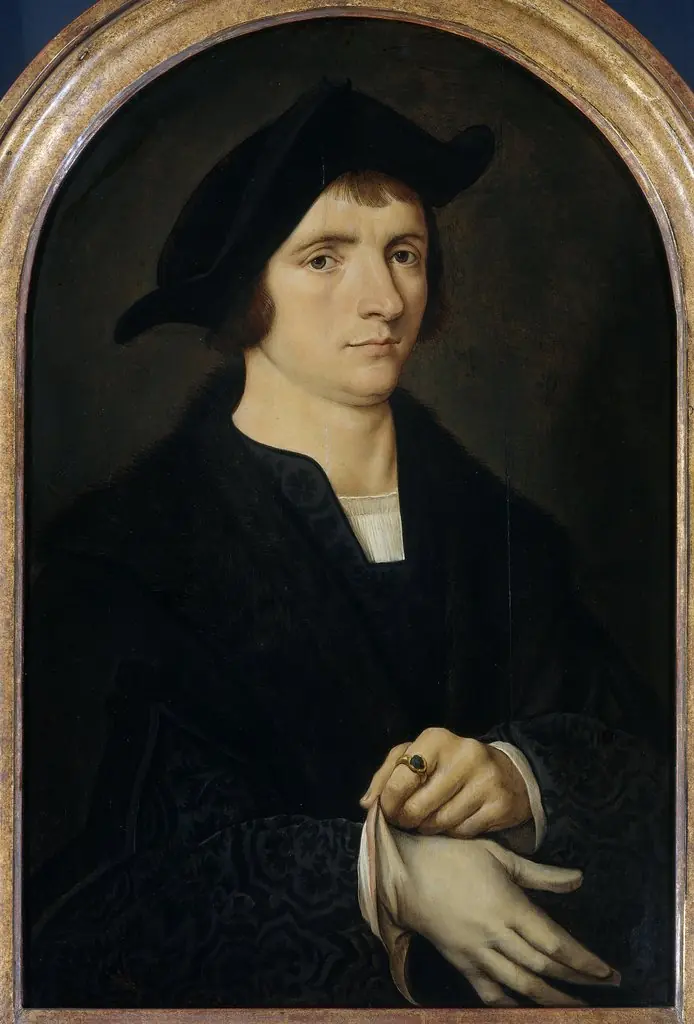
Joris van Zelle is an oil painting by the Northern Renaissance artist Bernard Van Orley. It dates from 1519 and is held in the collection of the Royal Museums of Fine Arts of Belgium.
About this work
Overview
It is held in the Royal Museums of Fine Arts of Belgium, where it stands as a representative example of early 16th-century Flemish portraiture.
Painted in 1519 by Bernard van Orley, this oil portrait depicts Joris van Zelle, a physician of Brussels. Executed during the Northern Renaissance, the work reflects van Orley’s synthesis of local traditions with Italianate influences, despite his lack of travel to Italy. It is held in the Royal Museums of Fine Arts of Belgium, where it stands as a representative example of early 16th-century Flemish portraiture.
Subject & Meaning
Joris van Zelle is portrayed as a learned professional, seated at a desk engaged in scholarly activity. His attire—a red and black robe with a white ruffle collar and black hat—signals status and intellectual profession. The quill in his hand and the inscribed paper suggest active composition or study, reinforcing his identity as a man of letters and medicine. The quiet demeanor and direct gaze invite a sense of personal presence rather than ceremonial formality.
Technique & Style
Van Orley employed oil paint with careful attention to texture and light, using chiaroscuro to model the figure’s form against a dark wooden background. The rendering of fabric, paper, and wood surfaces demonstrates precise observation. The desk’s clutter—open book, scattered papers, and a small shelf with objects—adds narrative detail without distraction. The composition is tightly controlled, emphasizing stillness and introspection through balanced spatial arrangement.
History & Provenance
The portrait was commissioned during van Orley’s tenure as a leading artist in Brussels, where he worked for the Habsburg court and produced tapestries and stained glass alongside panel paintings. Its continuous presence in Belgian collections since the 16th century suggests early institutional or familial preservation. It entered the Royal Museums of Fine Arts of Belgium as part of a broader consolidation of Flemish art in the 19th century.
Context
In early 16th-century Flanders, portraiture increasingly served to document individual identity among the educated elite. Van Orley, though rooted in local traditions, absorbed compositional and tonal innovations from Italian art through prints and imported works. This portrait reflects a broader trend: the elevation of secular professionals through visual representation, blending humanist ideals with Northern attention to material detail.
Legacy
The portrait exemplifies how Northern artists adapted Renaissance ideals without direct exposure to Italy. Van Orley’s influence extended beyond painting into textile and glass design, shaping visual culture across the Low Countries. This work remains a key reference for understanding the transition from medieval guild portraiture to the more psychologically nuanced depictions of the early modern period.
Artist & collection
Artist
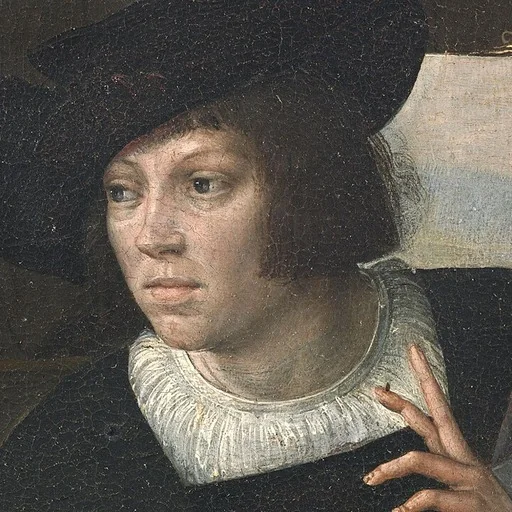
Bernard van Orley (between 1487 and 1491 – 6 January 1541), also called Barend or Barent van Orley, Bernaert van Orley or Barend van Brussel, was a versatile Flemish artist and representative of Dutch and Flemish…

Museum
Royal Museums of Fine Arts of Belgium
Continue through works from the same source collection.
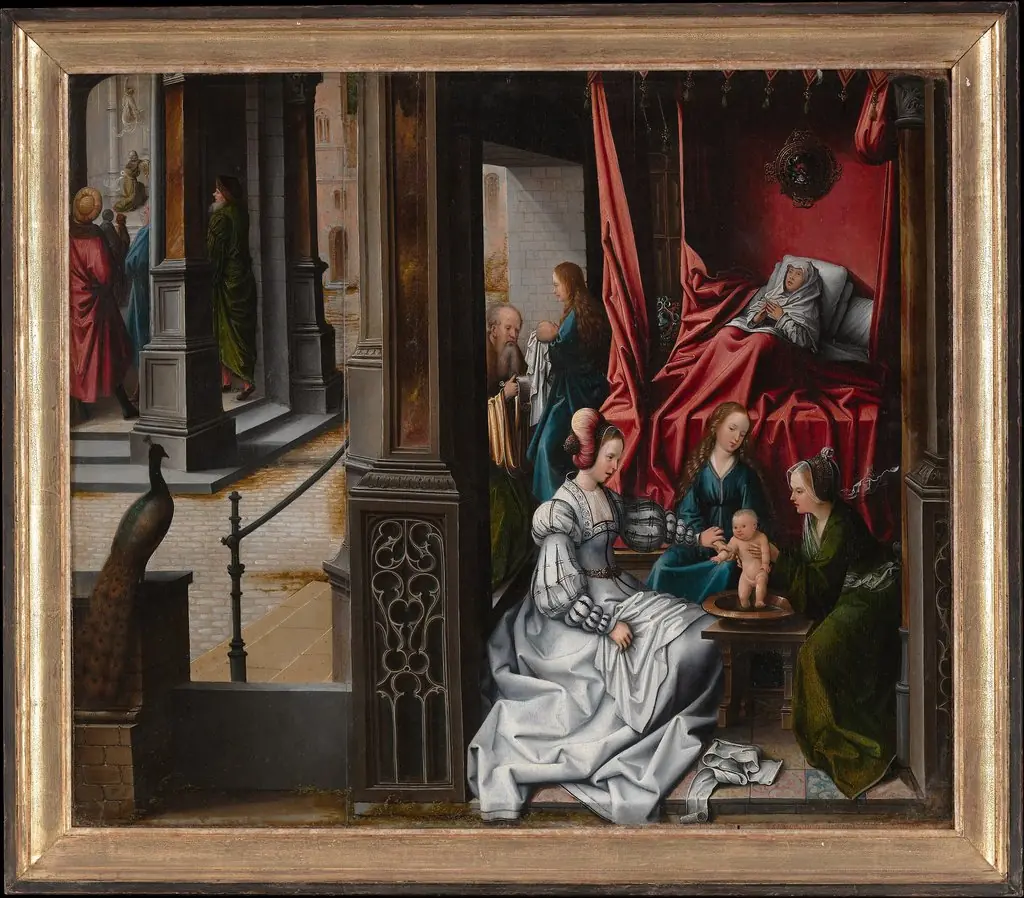 The Birth and Naming of Saint John the Baptist; (reverse) Trompe-l'oeil with Painting of The Man of Sorrows
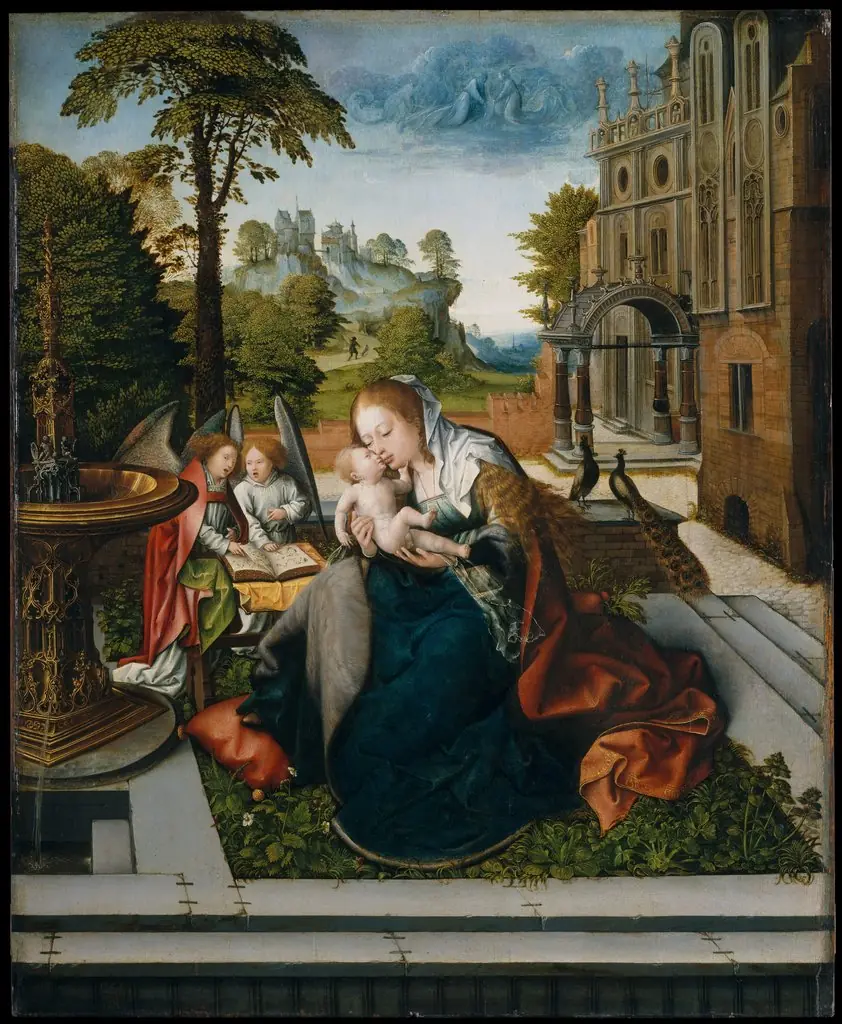 Virgin and Child with Angels
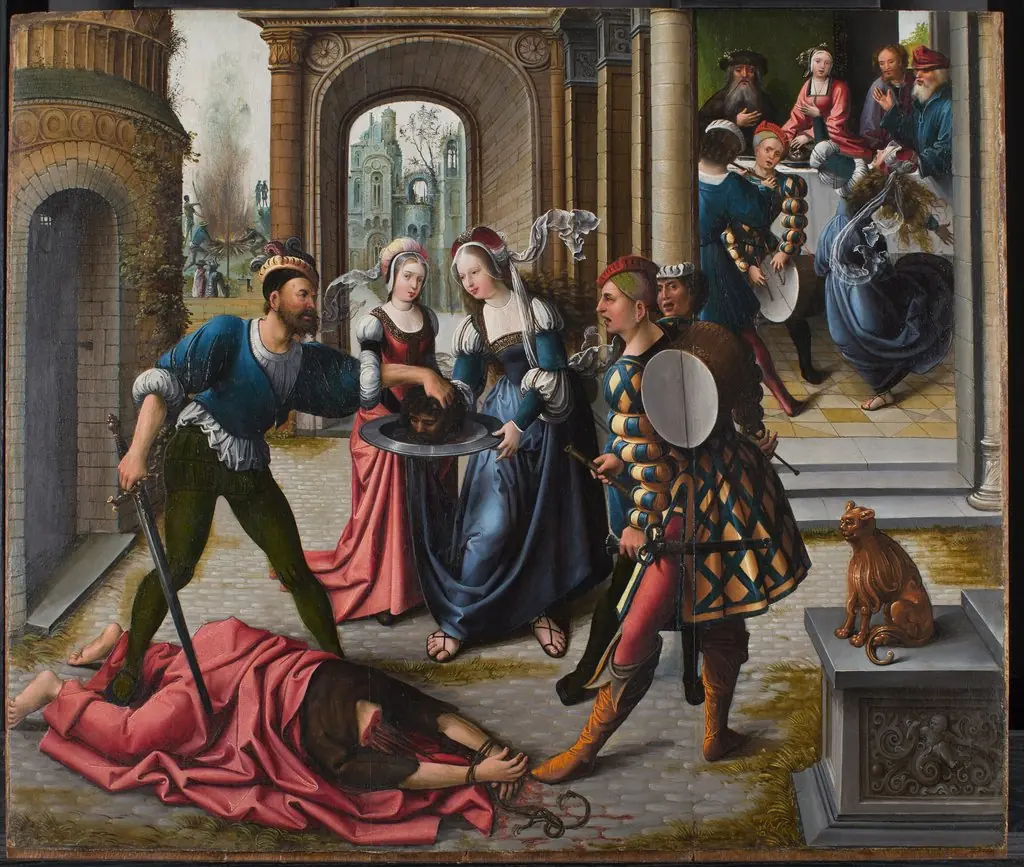 The Martyrdom of Saint John the Baptist
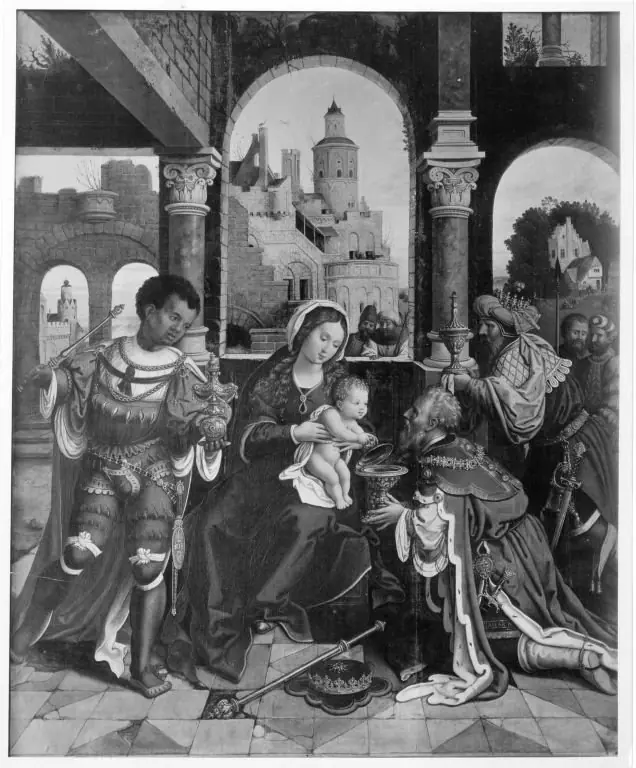 The Adoration of the Magi
![Christ among the Doctors [obverse], by Bernard Van Orley](https://artifactworldgallery.com/img/bernard-van-orley--christ-among-the-doctors-obverse--78795f311364e613-w320.webp) Christ among the Doctors [obverse]
Christ among the Doctors [obverse]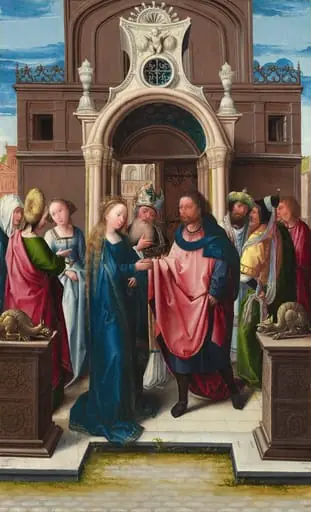 The Marriage of the Virgin
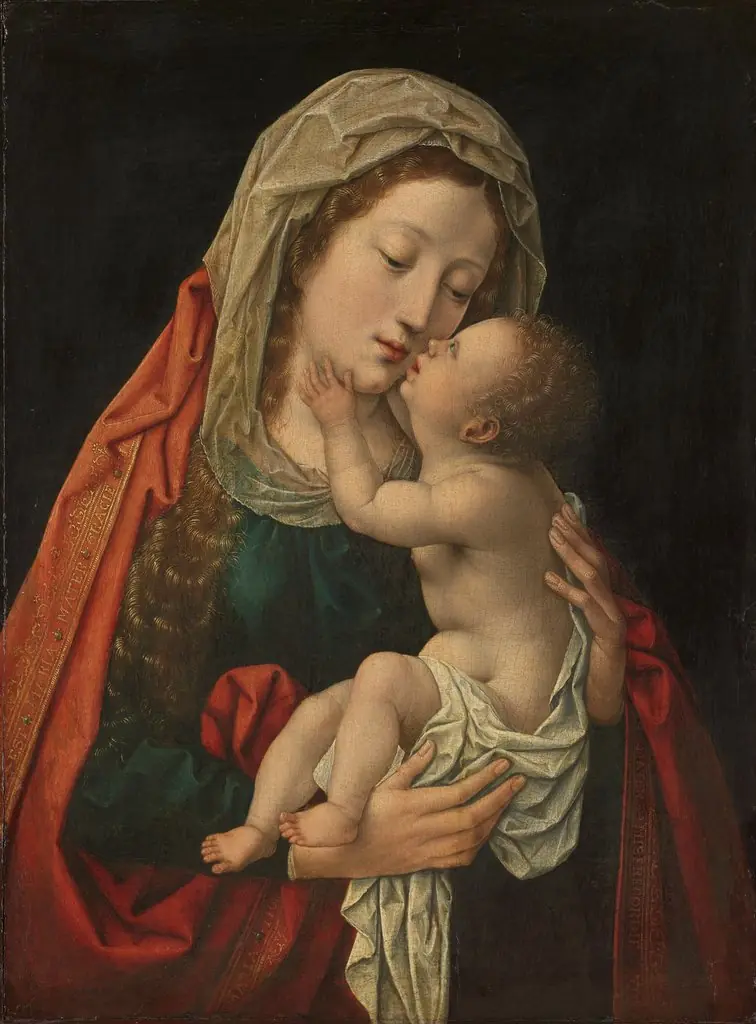 The Virgin and Child
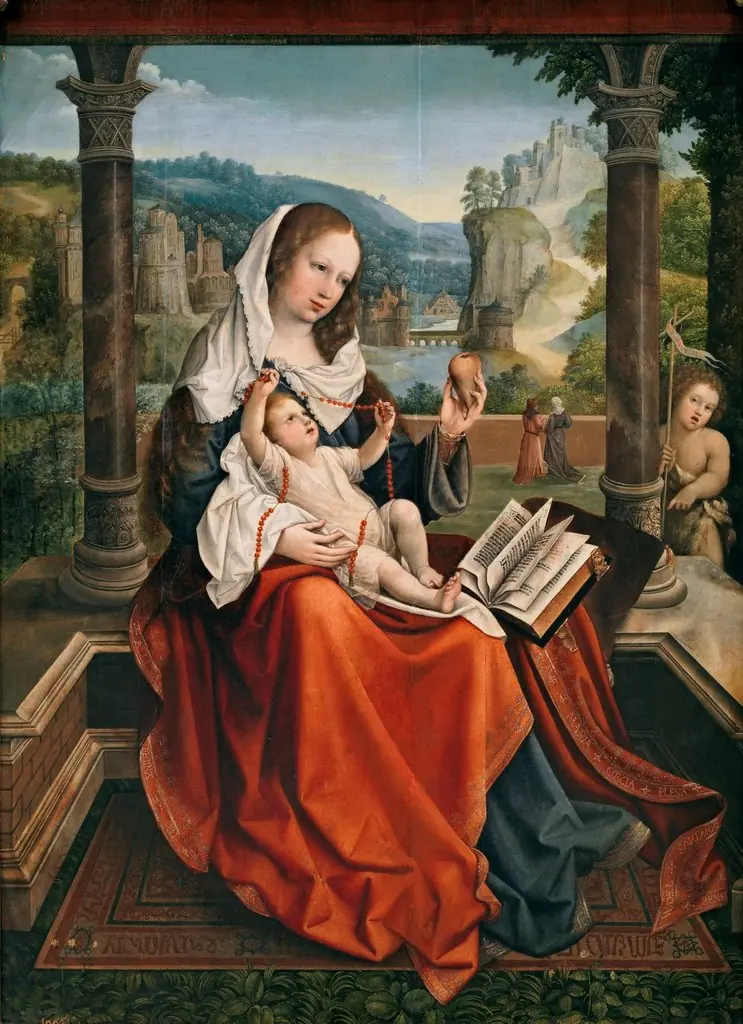 The Virgin and Child with the Infant Saint John the Baptist
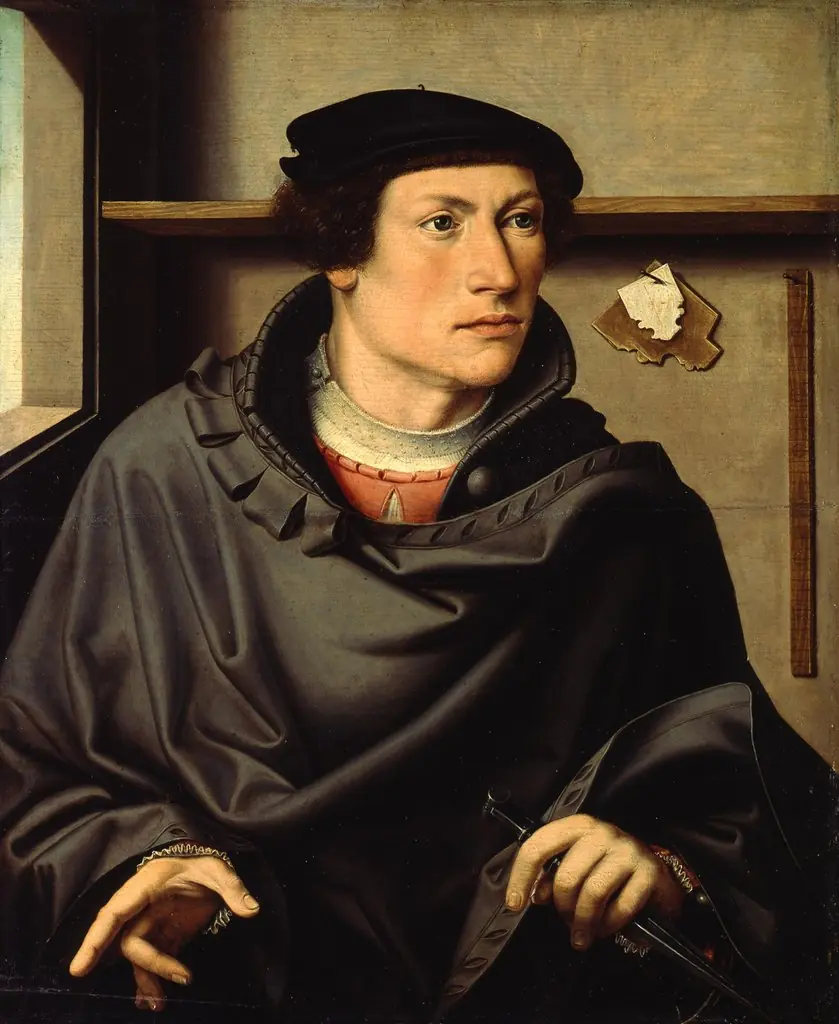 Portrait of an Architect
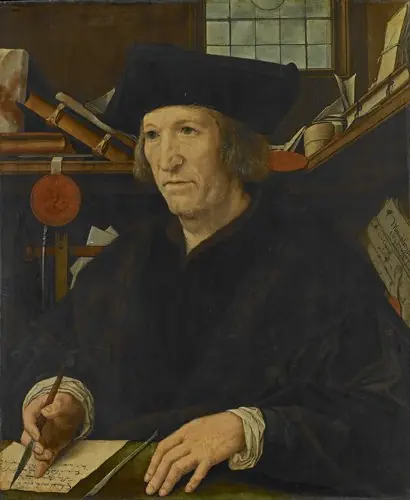 Portrait of a secretary of Emperor Charles V
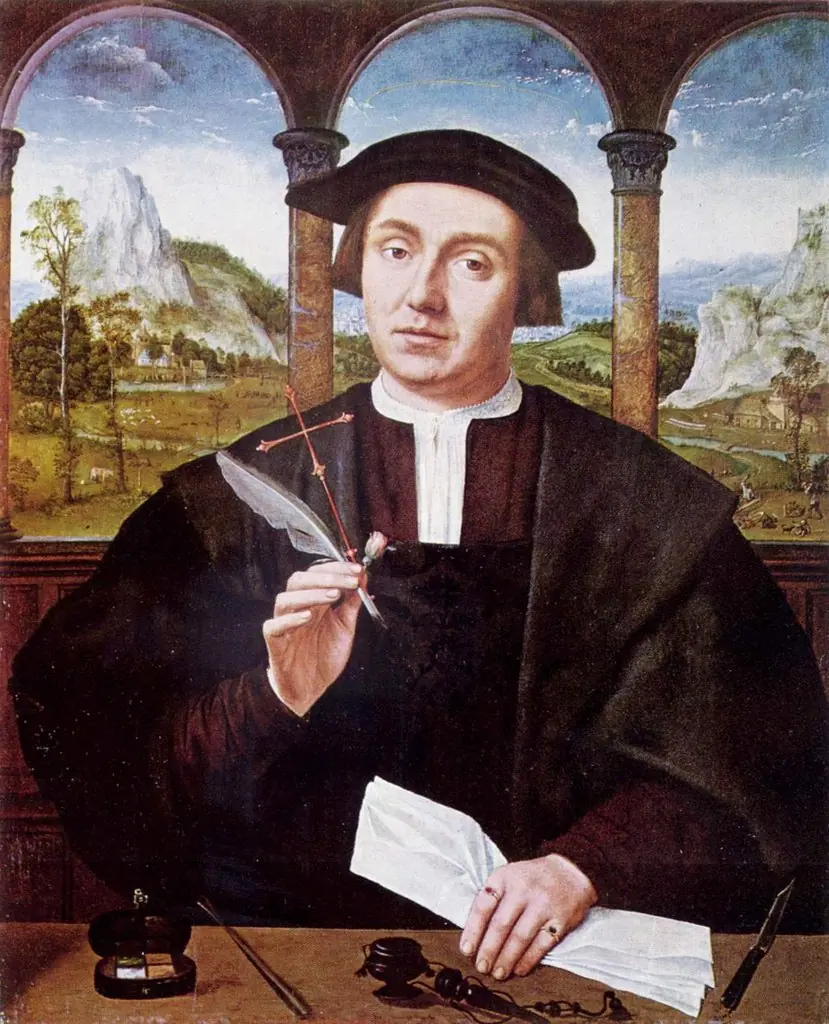 Portrait of a Man
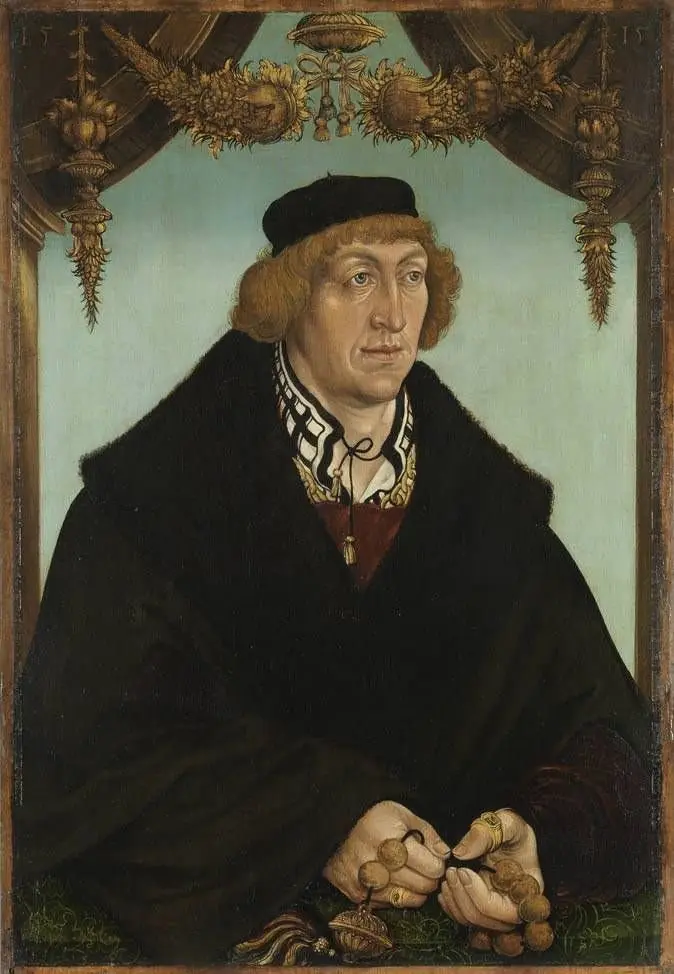 Pfalzgraf Philipp, Bischof von Freising
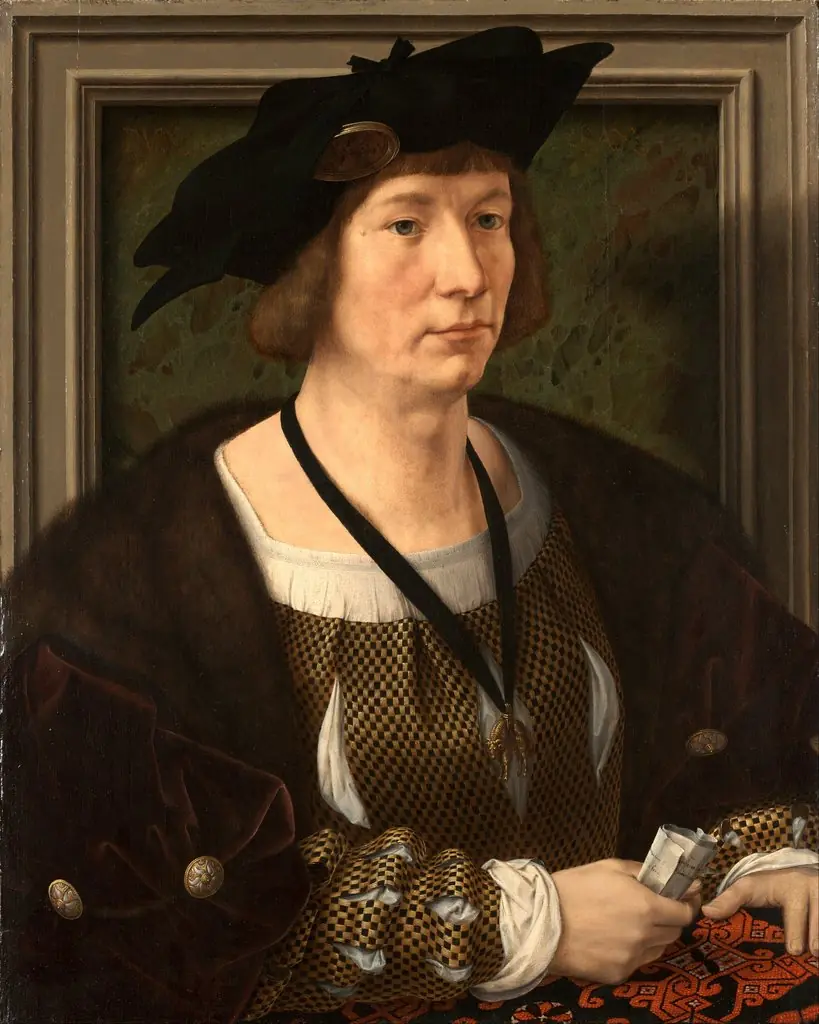 Portrait of Hendrik III, Count of Nassau-Breda
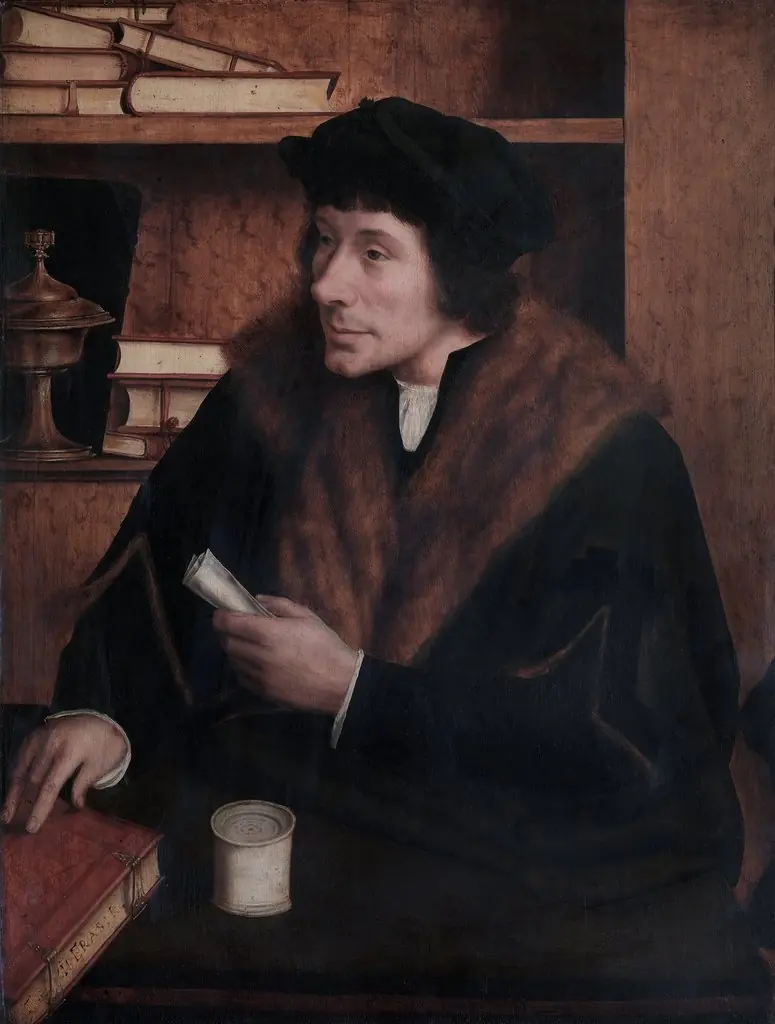 Pieter Gillis
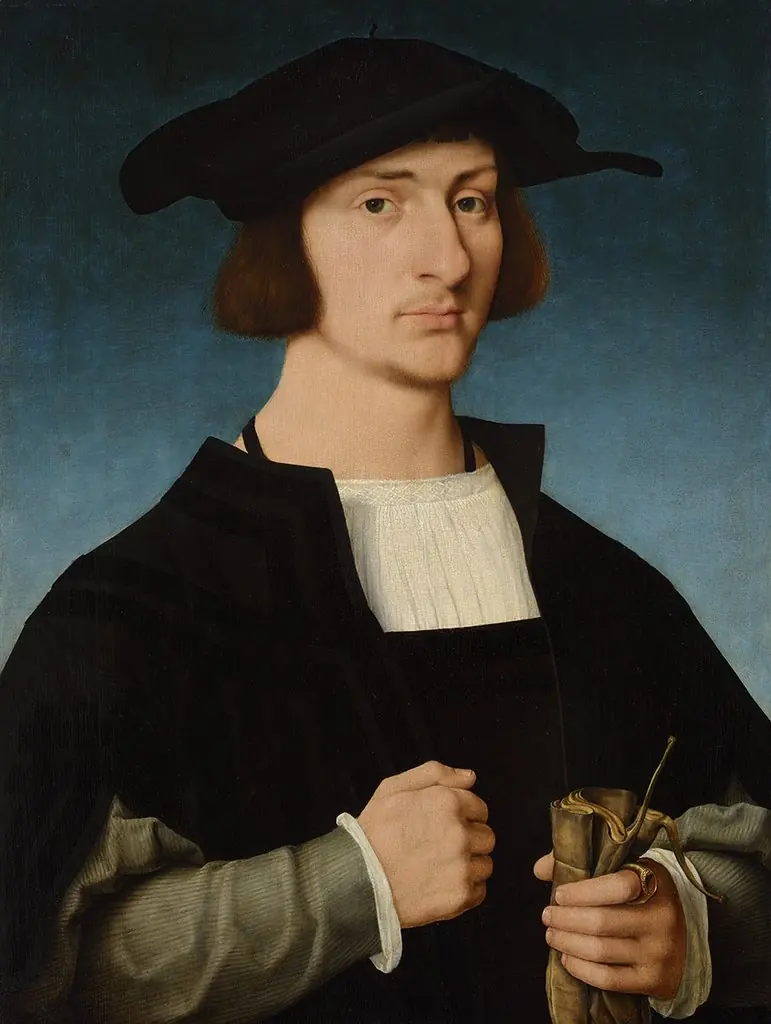 Portrait of a Young Man (Lyons)
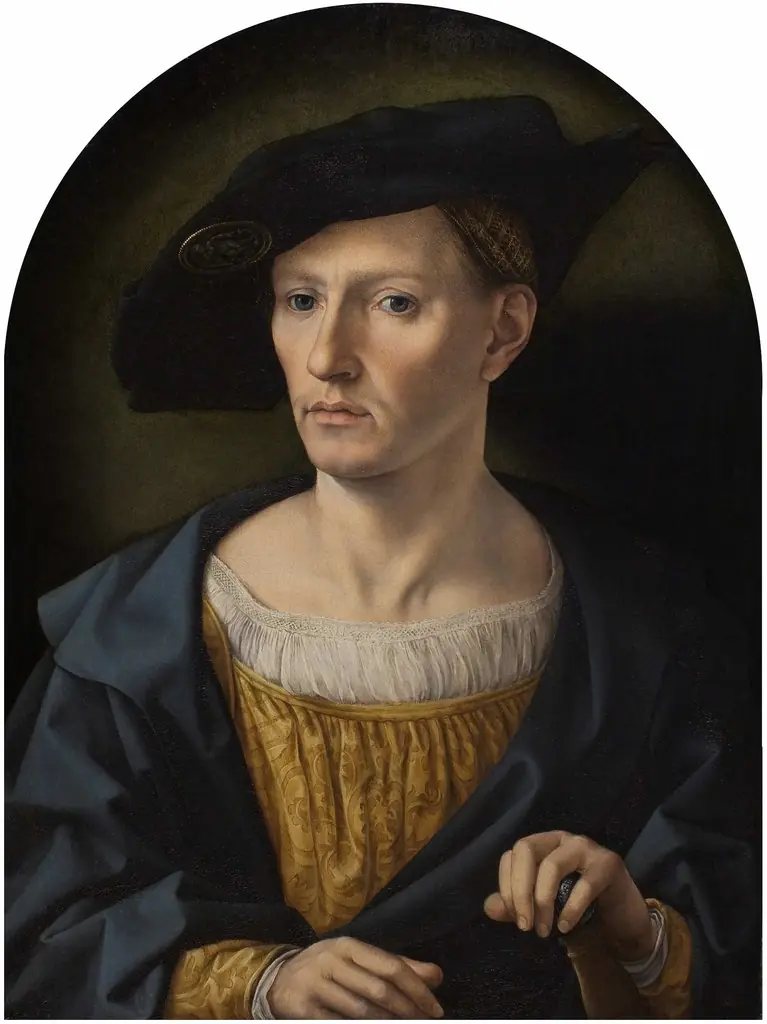 Portrait of a Man
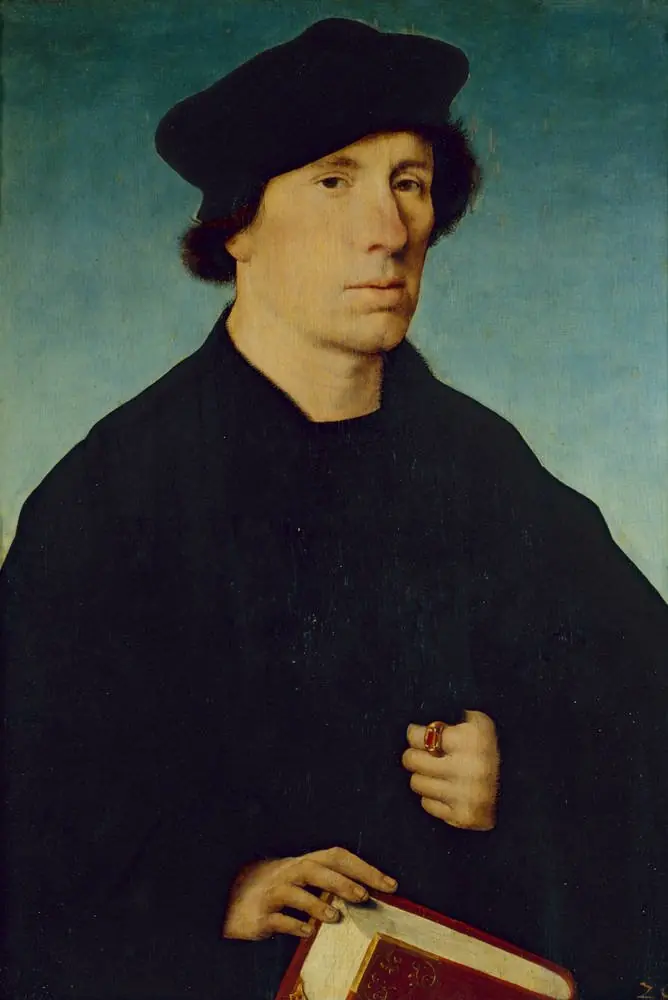 Portrait of a Beardless Man
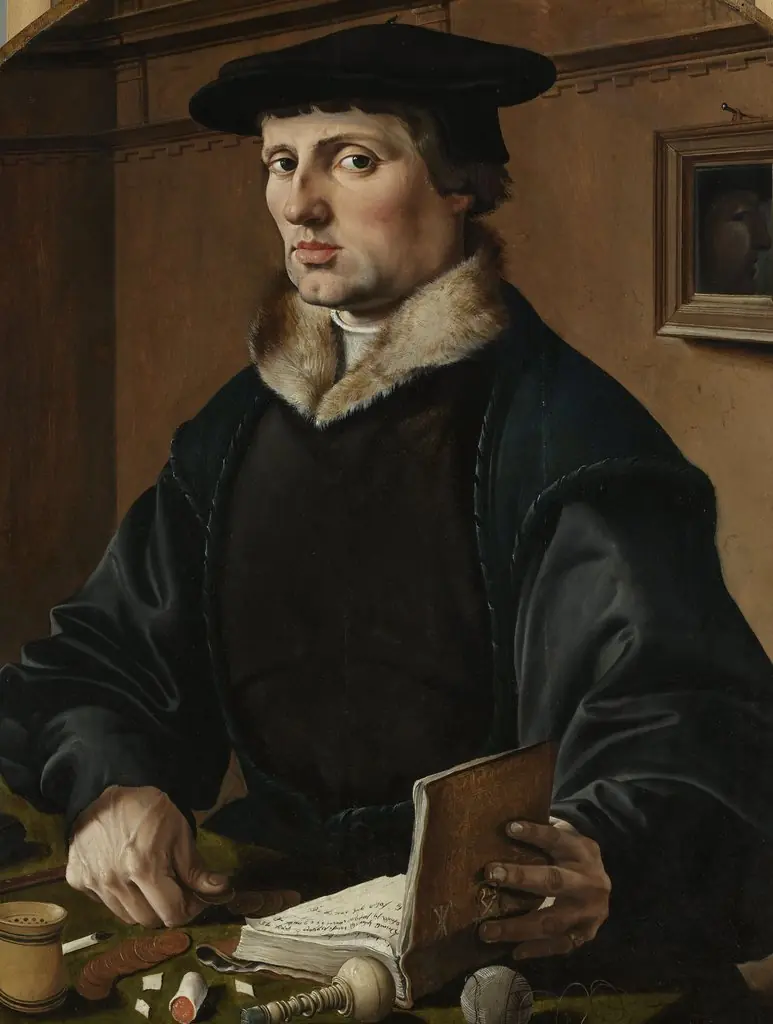 Portrait of (possibly) Pieter Gerritsz Bicker, pendant of (possibly) his wife Anna Codde
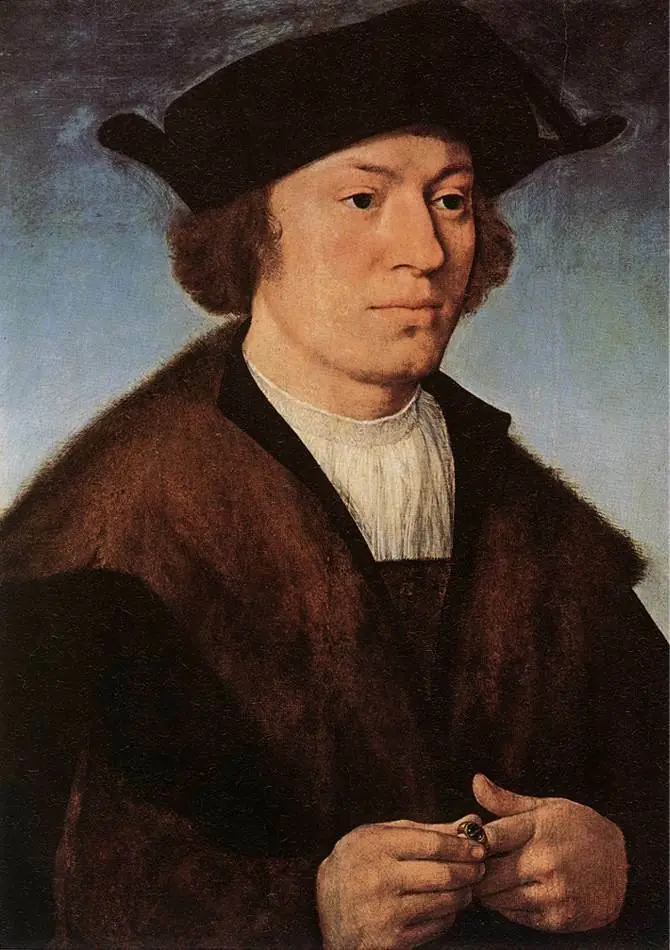 Portrait of a man
 Portrait of Joris Vezeleer