Artwork
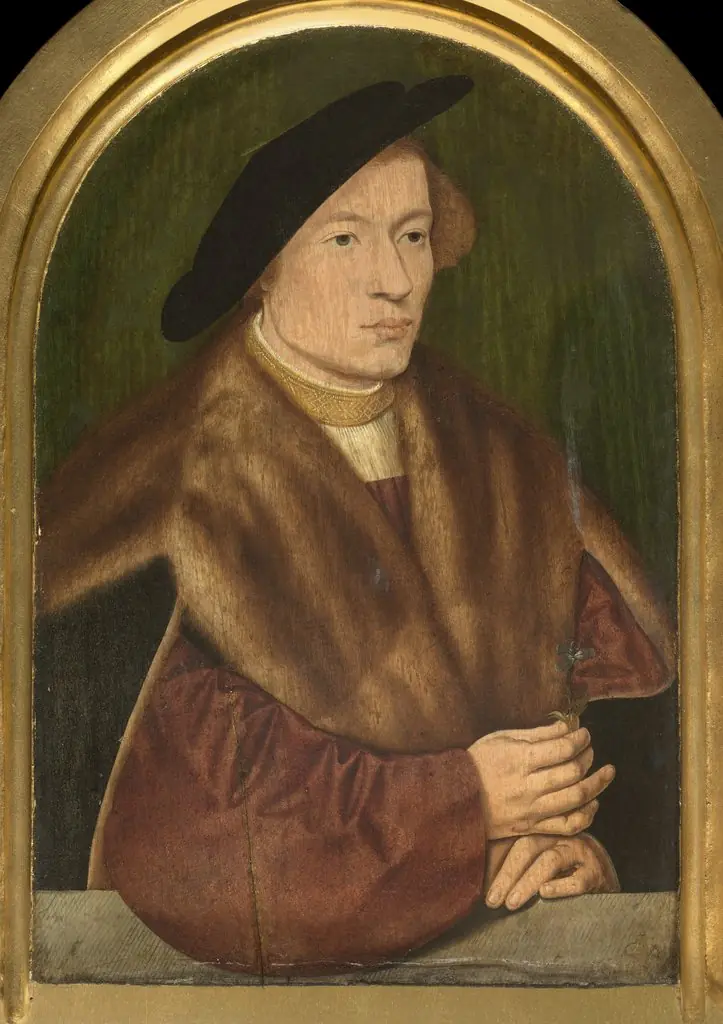
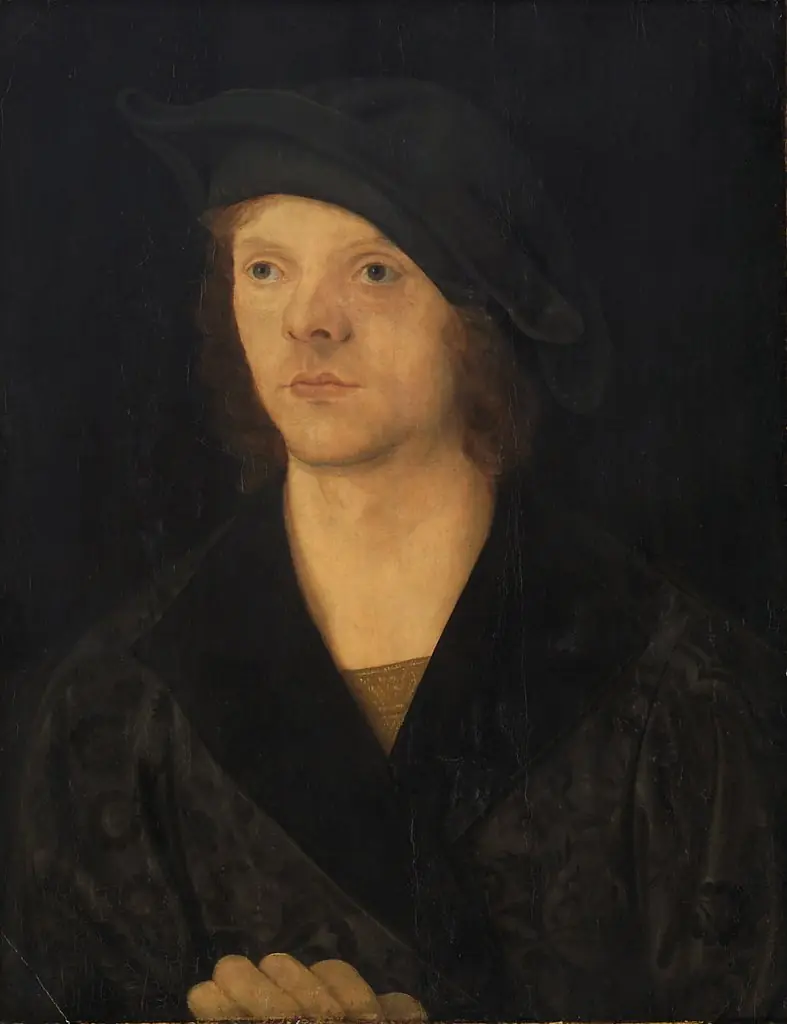
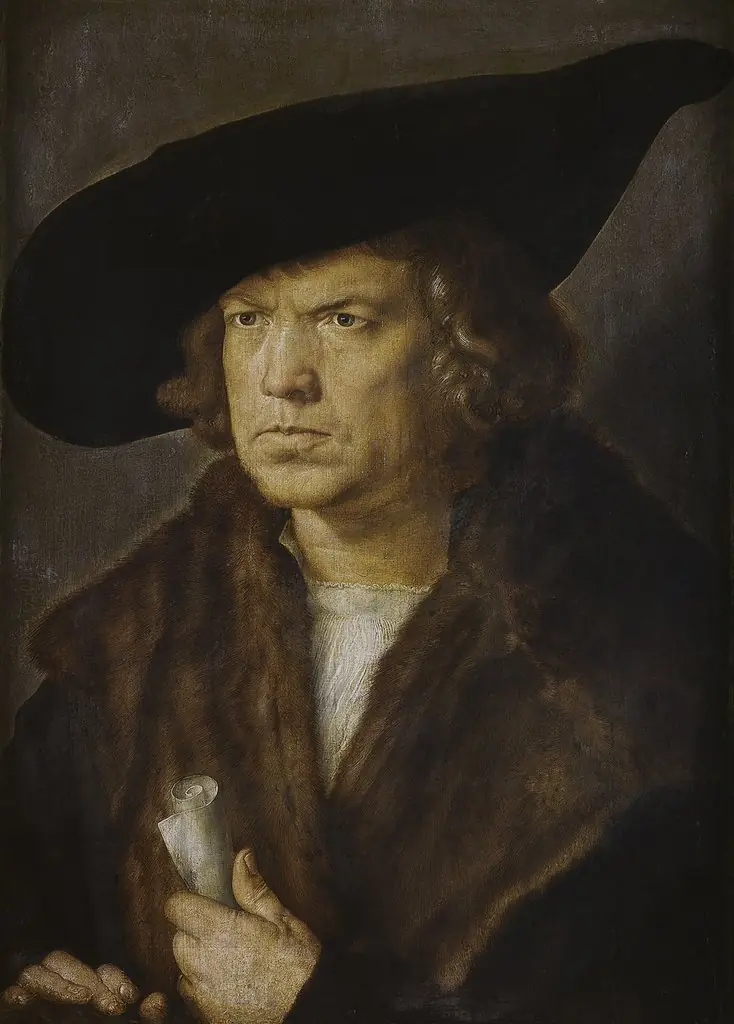
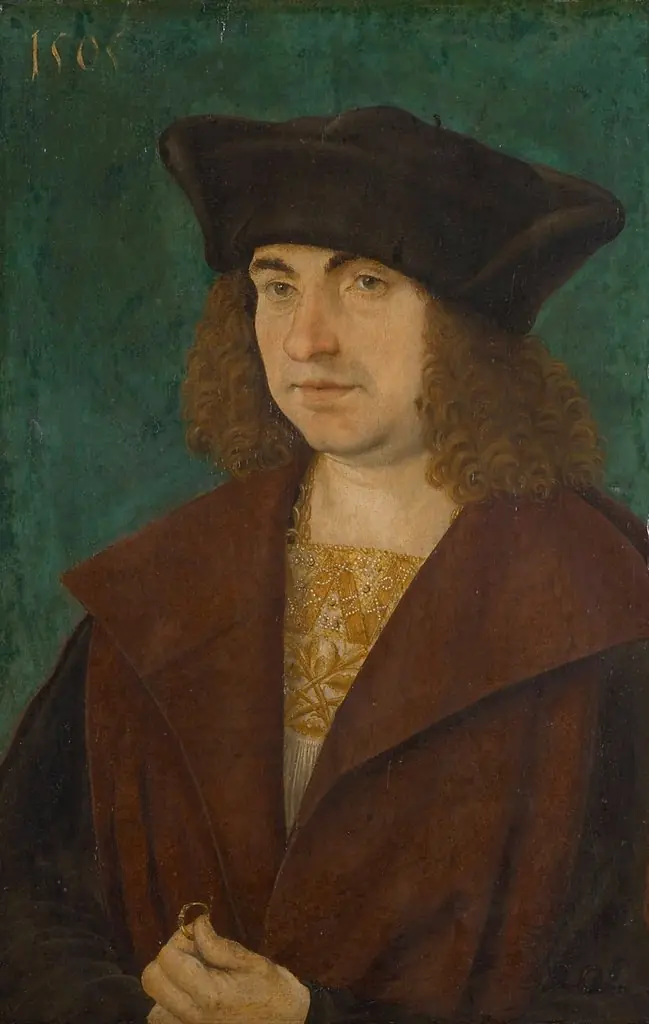
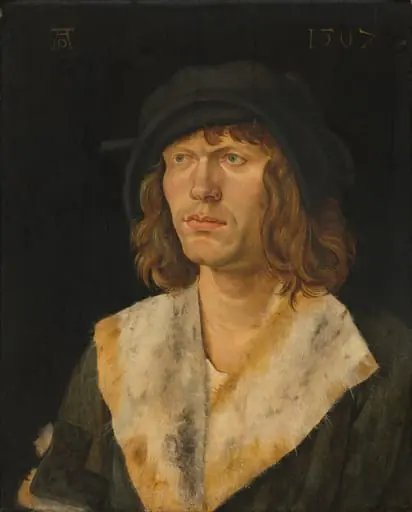
Portrait of a young Man
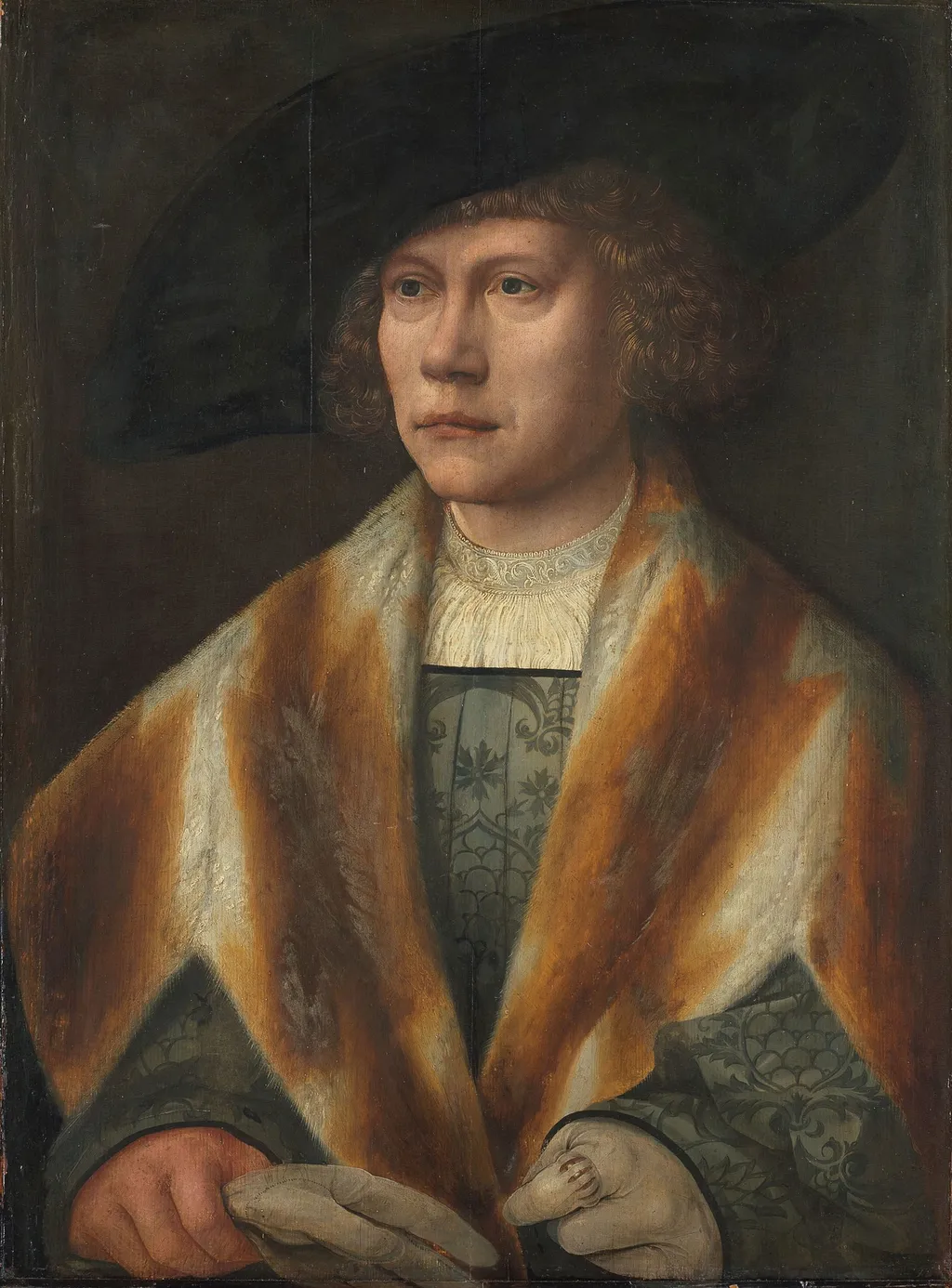
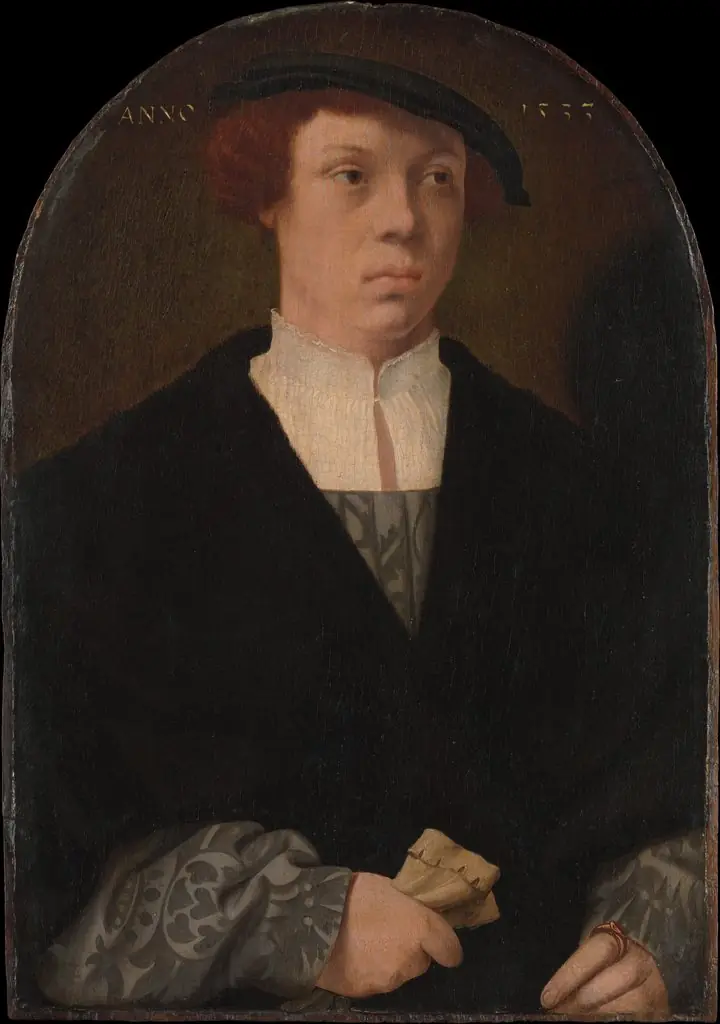
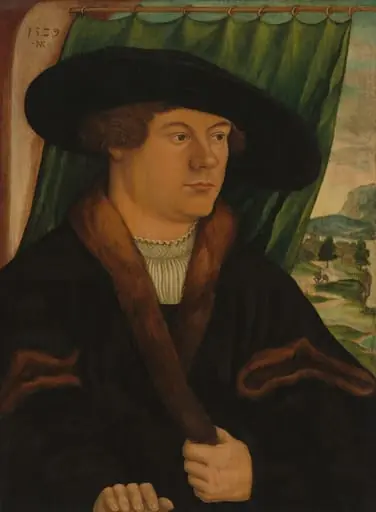
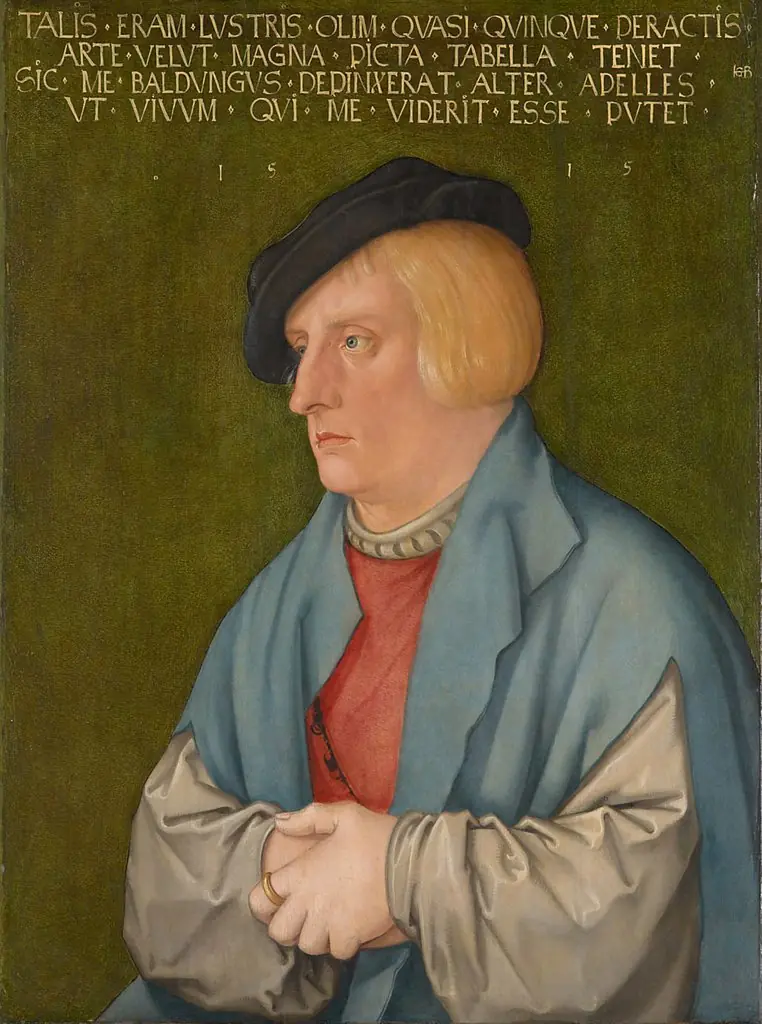
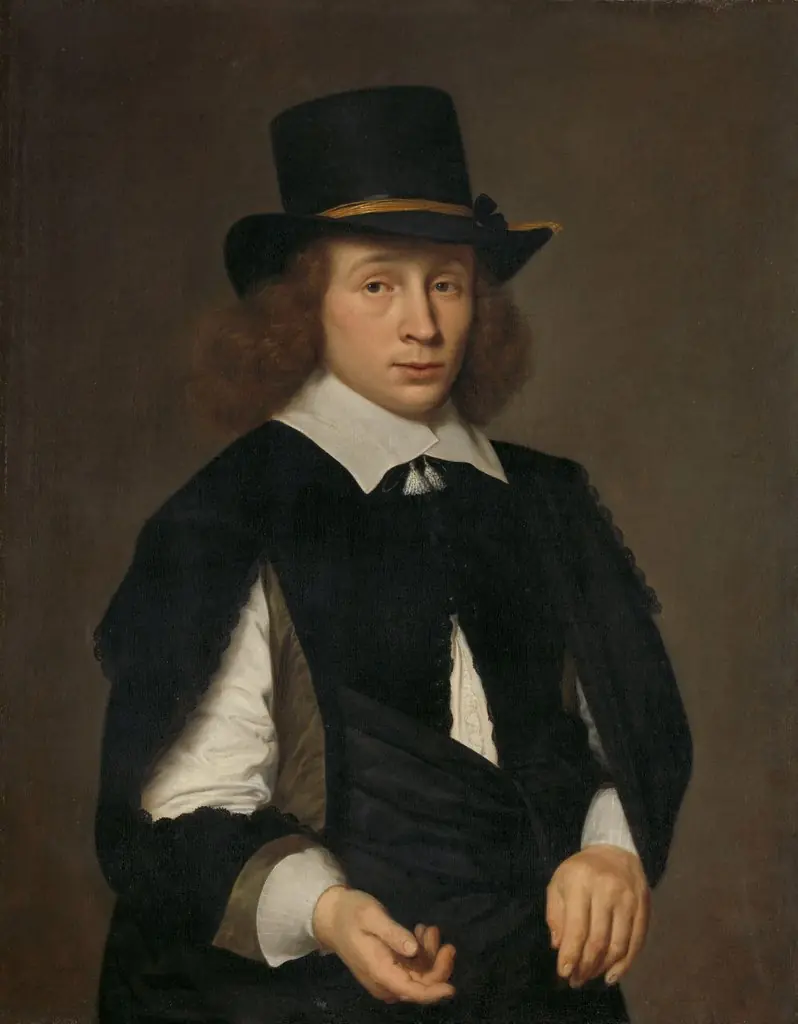
Portrait of a young Man is an oil painting by the Northern Renaissance artist Bernard Van Orley. It dates from 1520 and is held in the collection of the Kunsthistorisches Museum.
About this work
Overview
The work reflects the influence of Italian Renaissance ideals on Northern European artists, particularly through its refined modeling and restrained elegance.
Painted in 1520 by Bernard van Orley, this oil portrait captures a young man with quiet composure. Van Orley, based in Brussels, was known for his versatility across media, including tapestries and stained glass. The work reflects the influence of Italian Renaissance ideals on Northern European artists, particularly through its refined modeling and restrained elegance. It resides today in the Kunsthistorisches Museum in Vienna.
Subject & Meaning
The sitter, dressed in dark fur-lined attire and a white linen collar, conveys social standing and personal restraint. His clasped hands and downward gaze suggest introspection rather than performative display. The absence of overt symbols or background details focuses attention on his demeanor, aligning with humanist ideals of individual character and inner life that were gaining currency in early 16th-century Europe.
Technique & Style
Van Orley employs chiaroscuro to model the face and hands with subtle gradations of light and shadow, enhancing the three-dimensionality of the figure. The texture of the fur lining, the sheen of the silk collar, and the softness of the skin are rendered with precise brushwork. The composition is tightly framed, eliminating distractions and reinforcing the psychological intensity of the portrait.
History & Provenance
The painting entered the Habsburg collections in the 16th or early 17th century and has remained in Vienna since at least the 18th century. Its continuous presence in imperial holdings suggests it was valued as a work of quality, though its original commission and the identity of the sitter remain undocumented. It was cataloged in the Kunsthistorisches Museum’s early inventories as a work of Flemish origin.
Context
Van Orley was part of a generation of Northern artists who absorbed Italian compositional principles after travels to Rome or exposure to imported prints. The portrait’s emphasis on naturalism and psychological depth reflects the Romanist movement’s fusion of Flemish detail with Italian harmony. This synthesis marked a shift from earlier medieval conventions toward a more human-centered visual language.
Legacy
Though less celebrated than contemporaries like Titian or Holbein, van Orley’s portraits contributed to the evolution of Northern Renaissance portraiture by integrating Italianate structure with meticulous local technique. This work exemplifies how regional artists adapted broader artistic trends to express individual presence, influencing later generations in the Low Countries and beyond.
Own this work as a print
Artist & collection
Artist
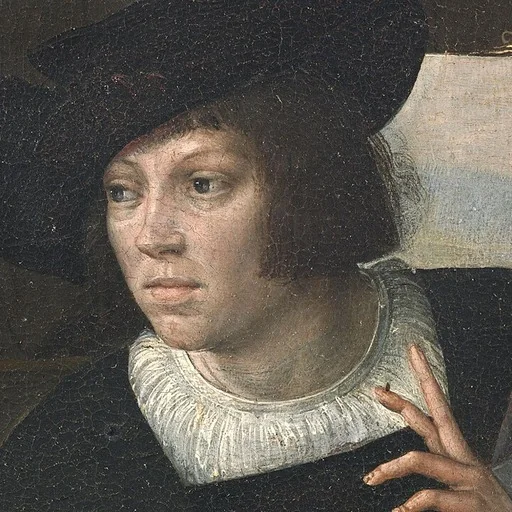
Bernard van Orley (between 1487 and 1491 – 6 January 1541), also called Barend or Barent van Orley, Bernaert van Orley or Barend van Brussel, was a versatile Flemish artist and representative of Dutch and Flemish…

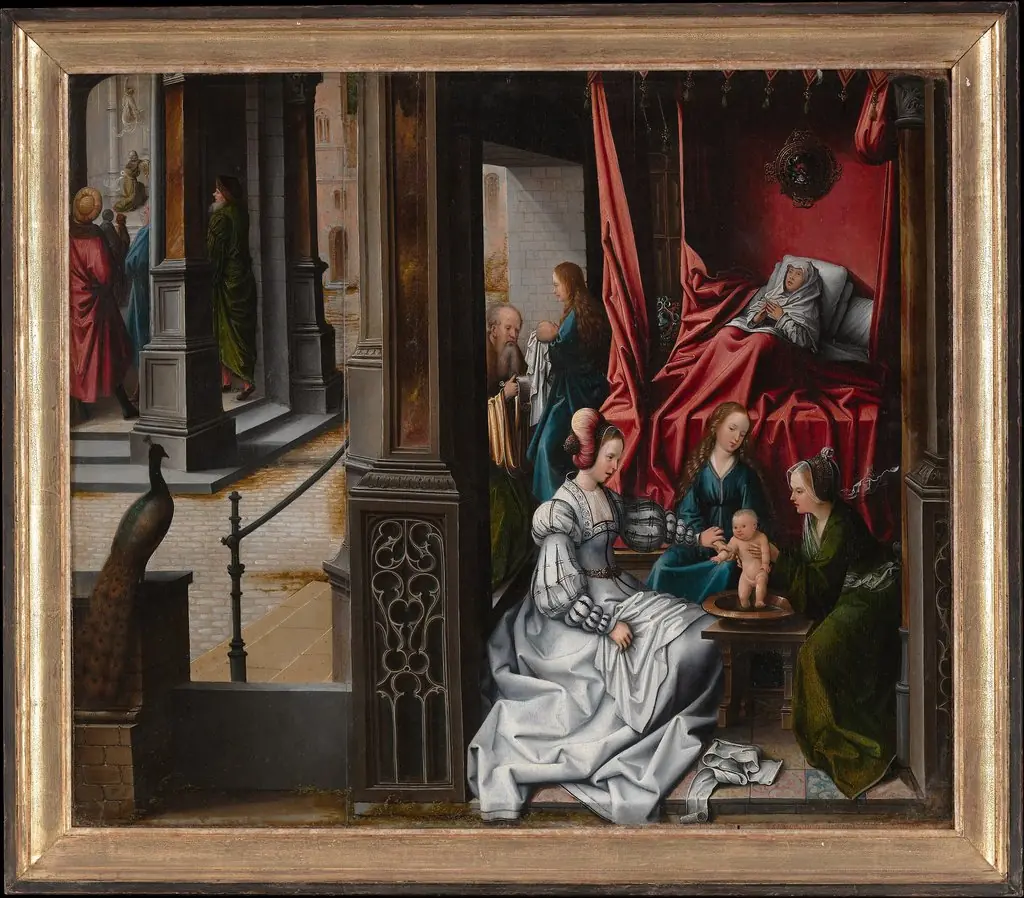 The Birth and Naming of Saint John the Baptist; (reverse) Trompe-l'oeil with Painting of The Man of Sorrows
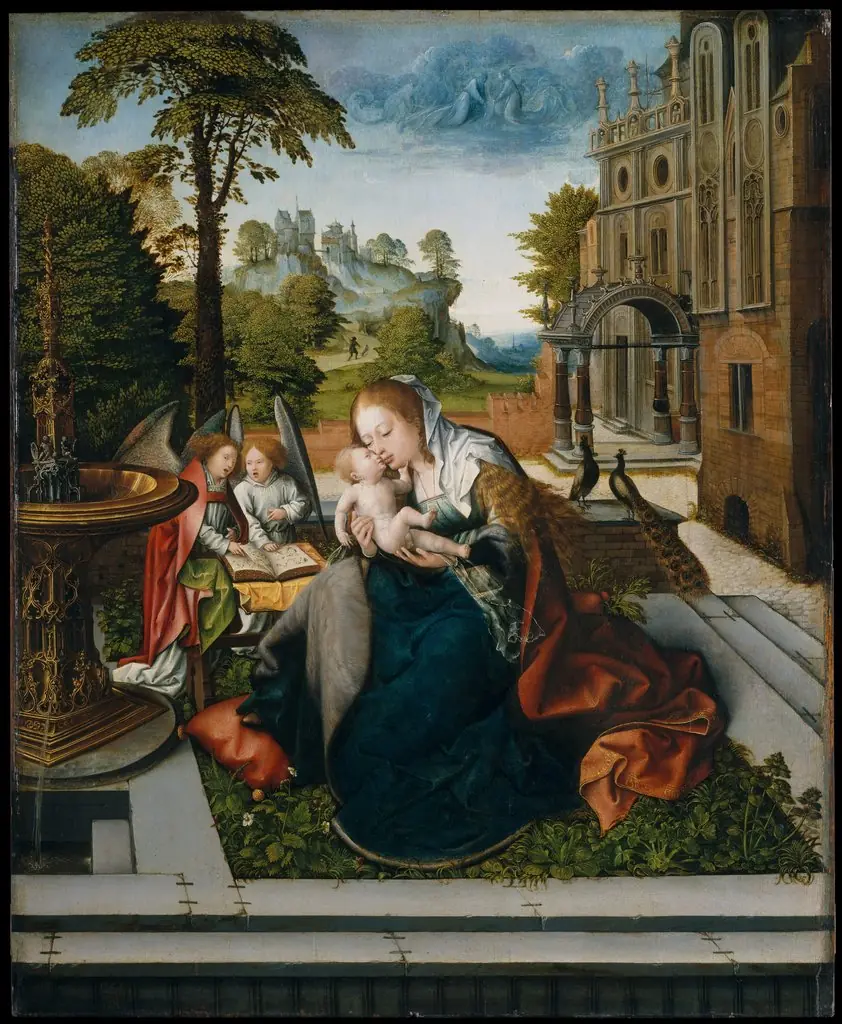 Virgin and Child with Angels
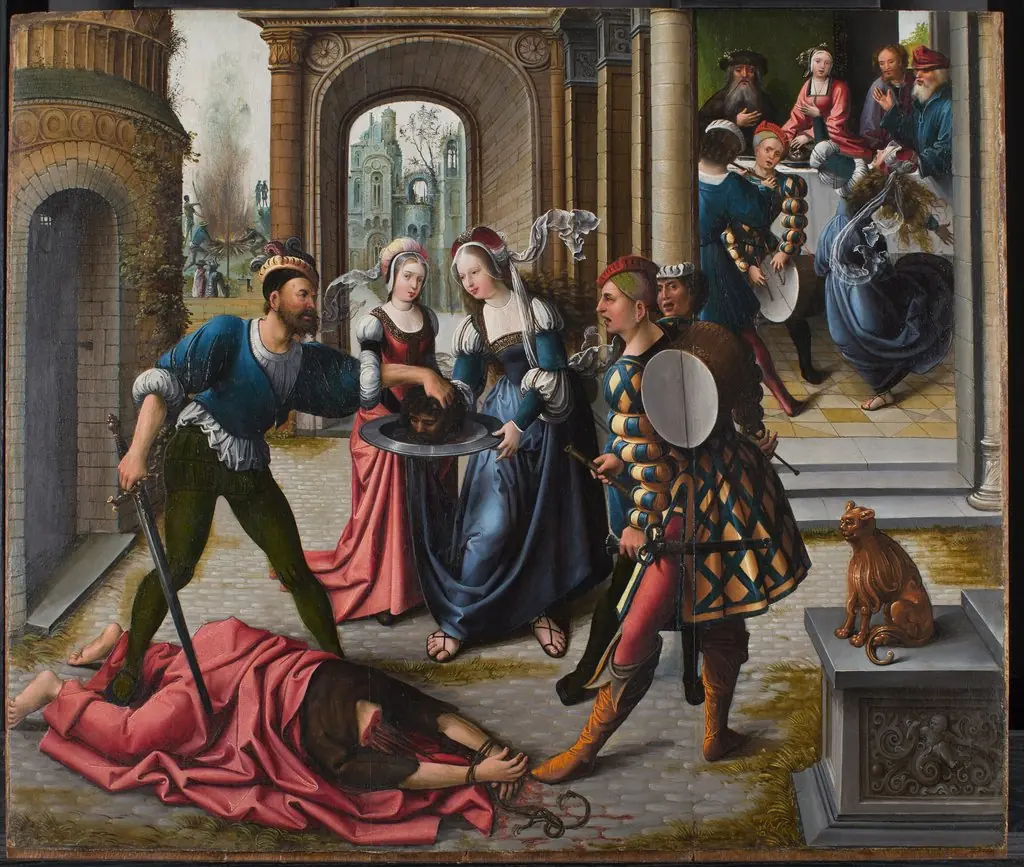 The Martyrdom of Saint John the Baptist
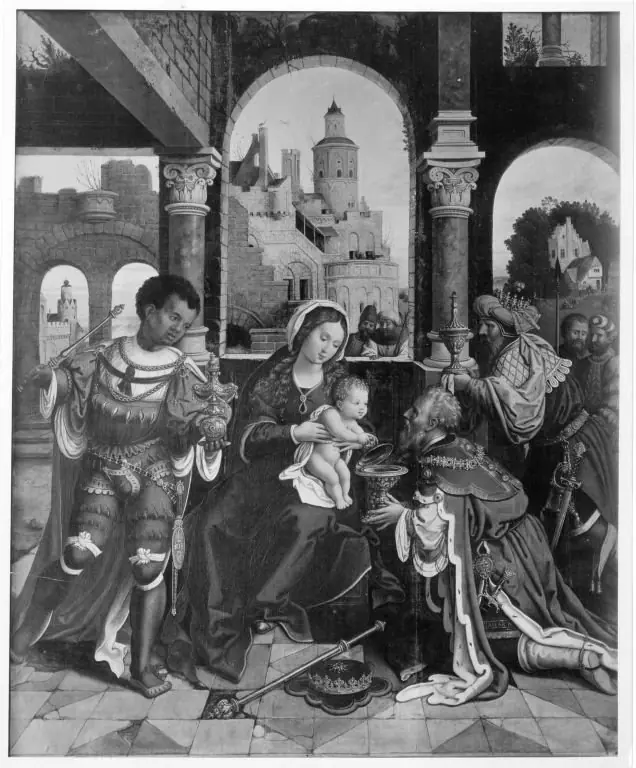 The Adoration of the Magi
![Christ among the Doctors [obverse], by Bernard Van Orley](https://artifactworldgallery.com/img/bernard-van-orley--christ-among-the-doctors-obverse--78795f311364e613-w320.webp) Christ among the Doctors [obverse]
Christ among the Doctors [obverse]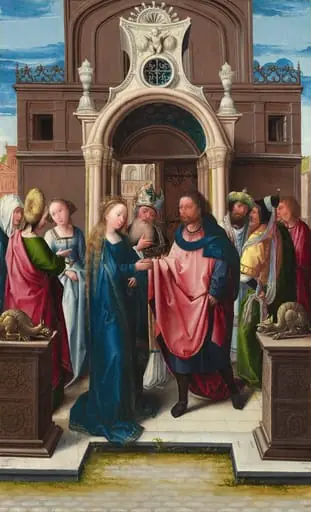 The Marriage of the Virgin
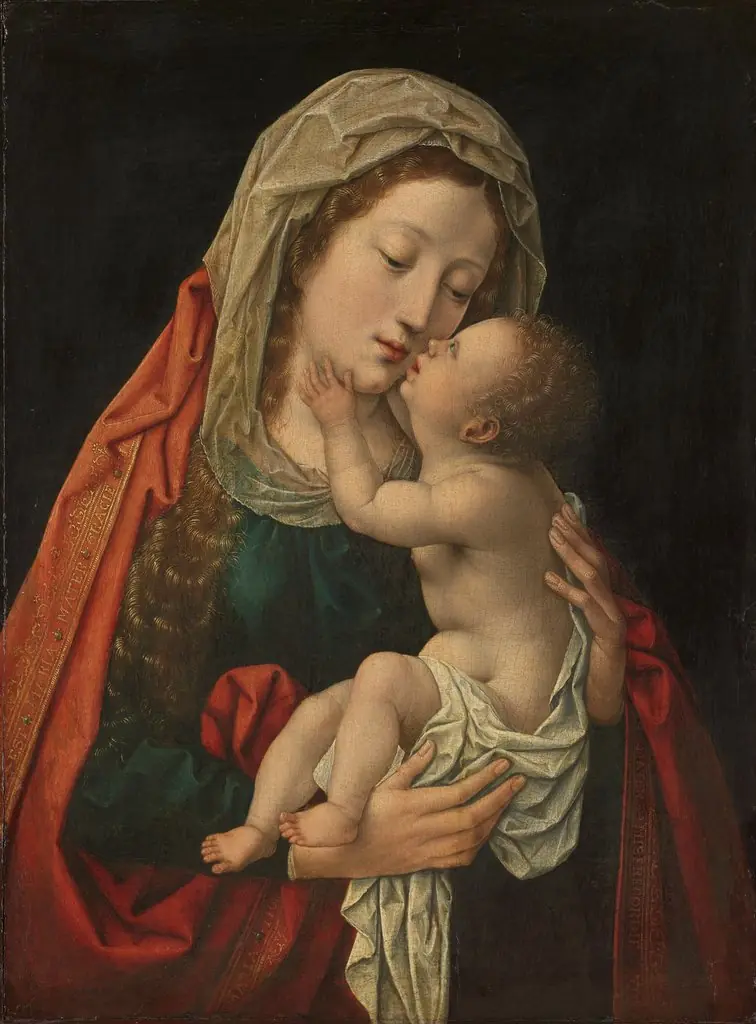 The Virgin and Child
 The Virgin and Child with the Infant Saint John the Baptist