Artwork
Portrait of a man with ring
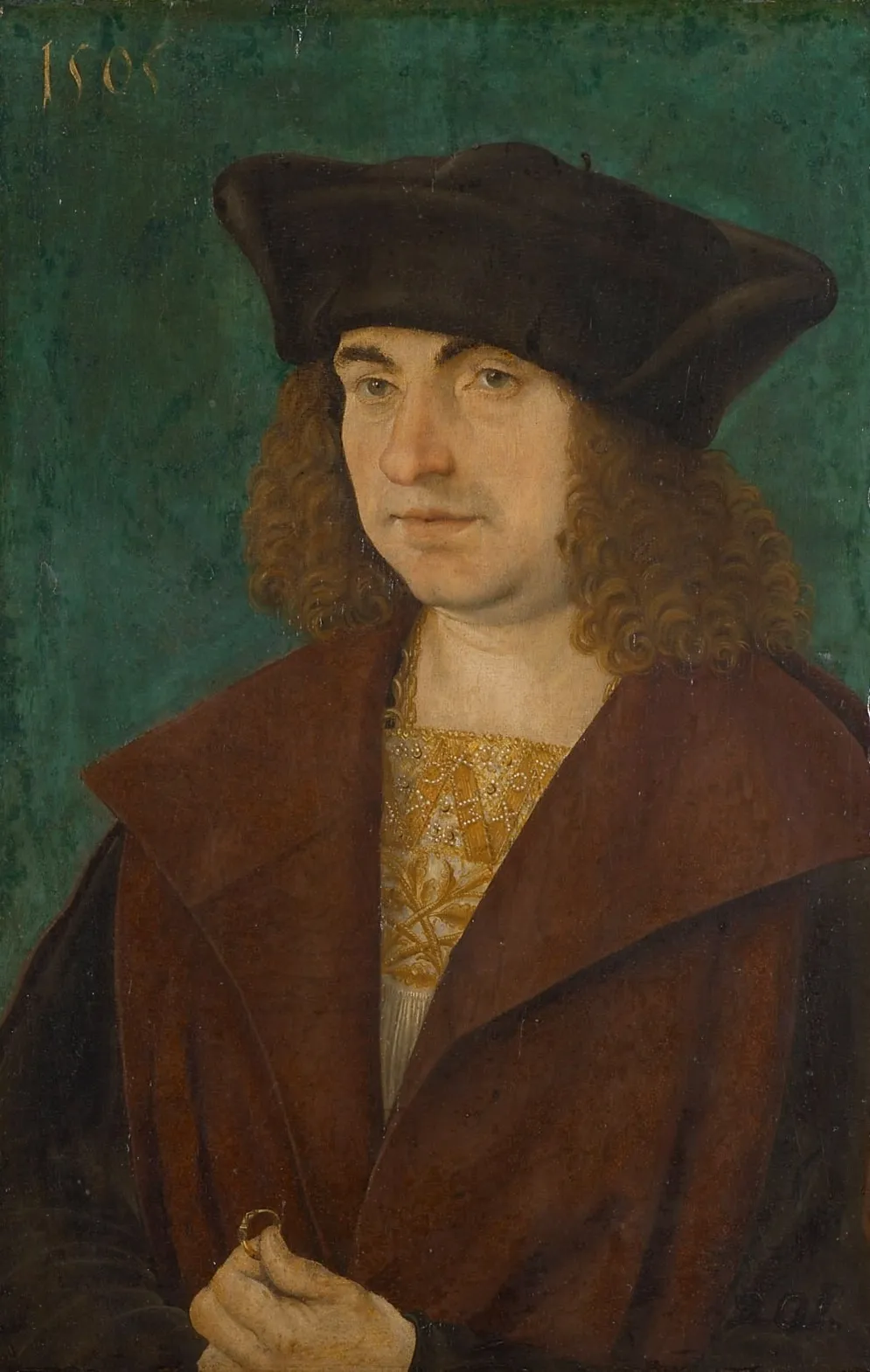
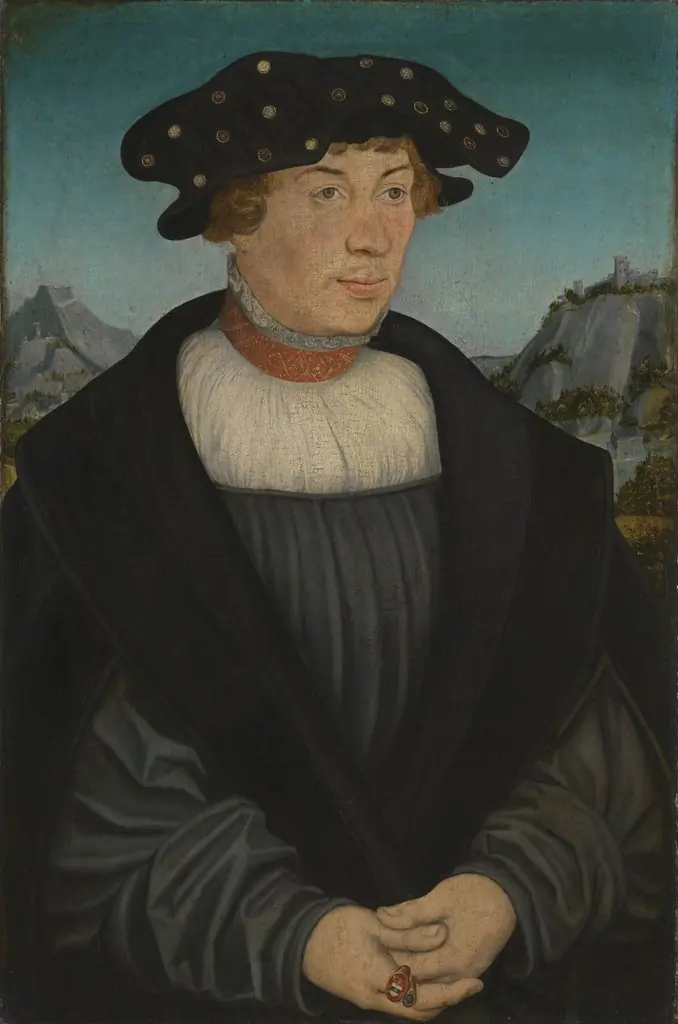
Portrait of a man with ring is an unspecified painting by the Northern Renaissance artist Leonhard Beck. It dates from 1505 and is held in the collection of the Kunsthistorisches Museum.
About this work
Overview
Beck, trained under Hans Holbein the Elder and active during the Northern Renaissance, specialized in both painting and woodcut design.
Painted in 1505 by Leonhard Beck, a German artist from Augsburg, this portrait captures a man in quiet composure. Beck, trained under Hans Holbein the Elder and active during the Northern Renaissance, specialized in both painting and woodcut design. The work belongs to the Kunsthistorisches Museum’s collection and exemplifies the period’s emphasis on individual identity through restrained, focused portraiture.
Subject & Meaning
The sitter holds a small gold ring in his left hand, resting it against his chest—a gesture that may signify status, commitment, or personal identity. His dark clothing and serious expression convey dignity rather than flamboyance. The ring, though modest in detail, is the painting’s sole focal point beyond the face, suggesting its symbolic importance. No overt religious or allegorical elements are present, grounding the image in secular individuality.
Technique & Style
Beck employs a flat, green background to isolate the figure, directing attention to the man’s attire and expression. The rendering of fabric—especially the textured brown coat and wide-brimmed hat—is precise but not ornate. Light falls evenly, avoiding dramatic chiaroscuro; instead, subtle modeling defines form. The curly hair and gold chain beneath the coat are rendered with careful attention to detail, reflecting the Northern Renaissance’s affinity for tactile realism.
History & Provenance
Leonhard Beck, son of the miniaturist Georg Beck, developed his career in Augsburg and later worked on imperial commissions for Emperor Maximilian I. This portrait, dated 1505, likely belonged to a wealthy merchant or minor noble. It entered the Kunsthistorisches Museum’s collection in the 19th century, where it remains as part of a broader assembly of early 16th-century German portraiture.
Context
In early 16th-century southern Germany, portraiture increasingly served as a vehicle for personal and social expression among the urban elite. Unlike Italian Renaissance ideals of harmony, Northern artists favored meticulous detail and psychological presence. Beck’s work reflects this trend, emphasizing the sitter’s material culture and quiet demeanor over idealization or grandeur.
Legacy
Though not widely known outside specialized circles, Beck’s portraits contribute to the understanding of regional German painting during the transition from late Gothic to Renaissance modes. His attention to texture, costume, and restrained gesture influenced later Augsburg artists. This portrait stands as a quiet testament to the era’s growing interest in the individual, captured without theatricality or embellishment.
Artist & collection
Artist
Leonhard Beck (c. 1480 – 1542) was a painter and woodcuts designer in Augsburg, Germany. He was the son of Georg Beck, a miniaturist who was active in Augsburg c. 1490–1512/15. Leonhard collaborated with his father on…

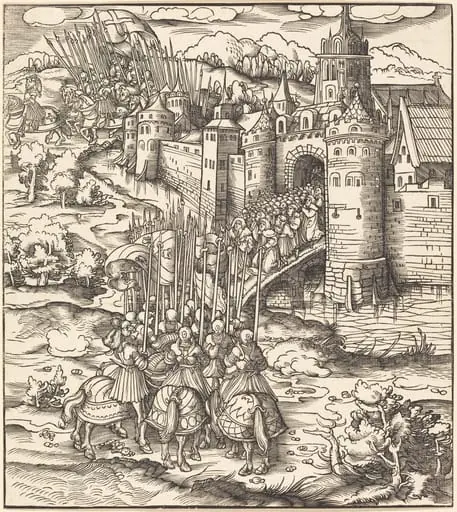
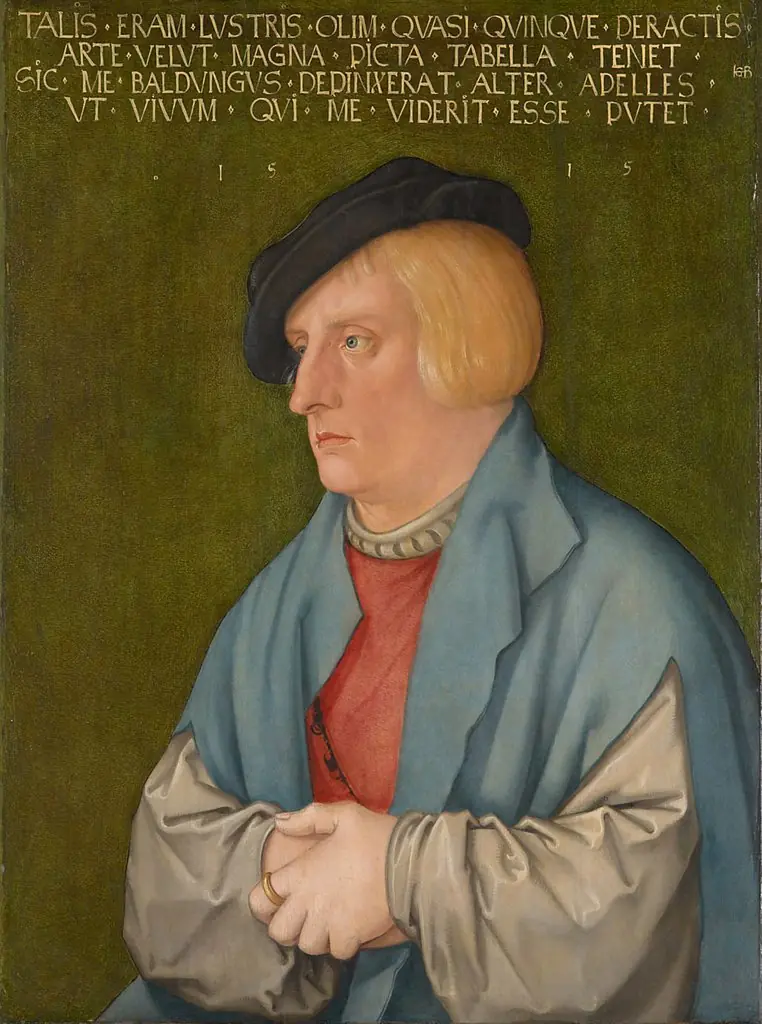 Portrait of a young man
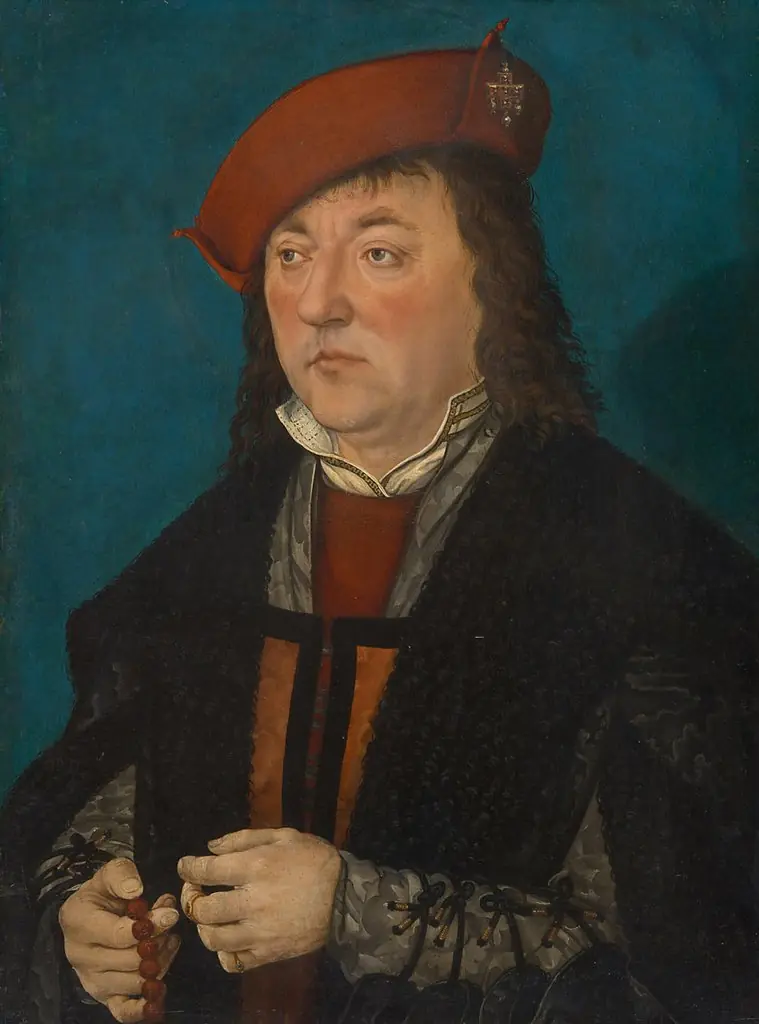 Bildnis eines Mannes mit Rosenkranz
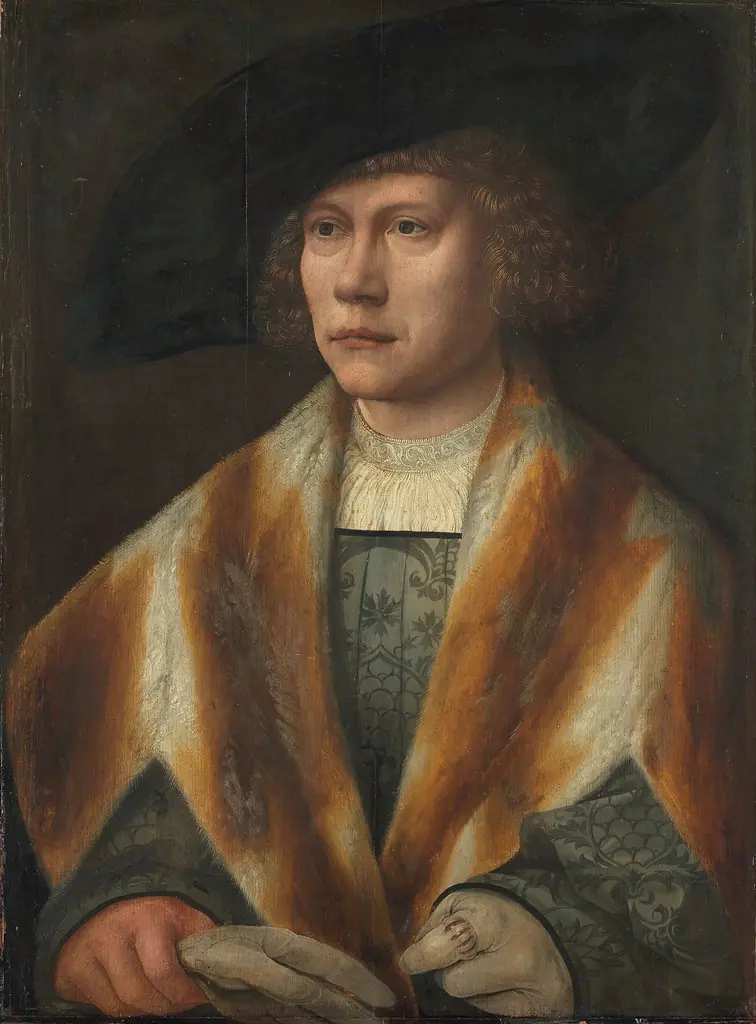 Portrait of a young Man
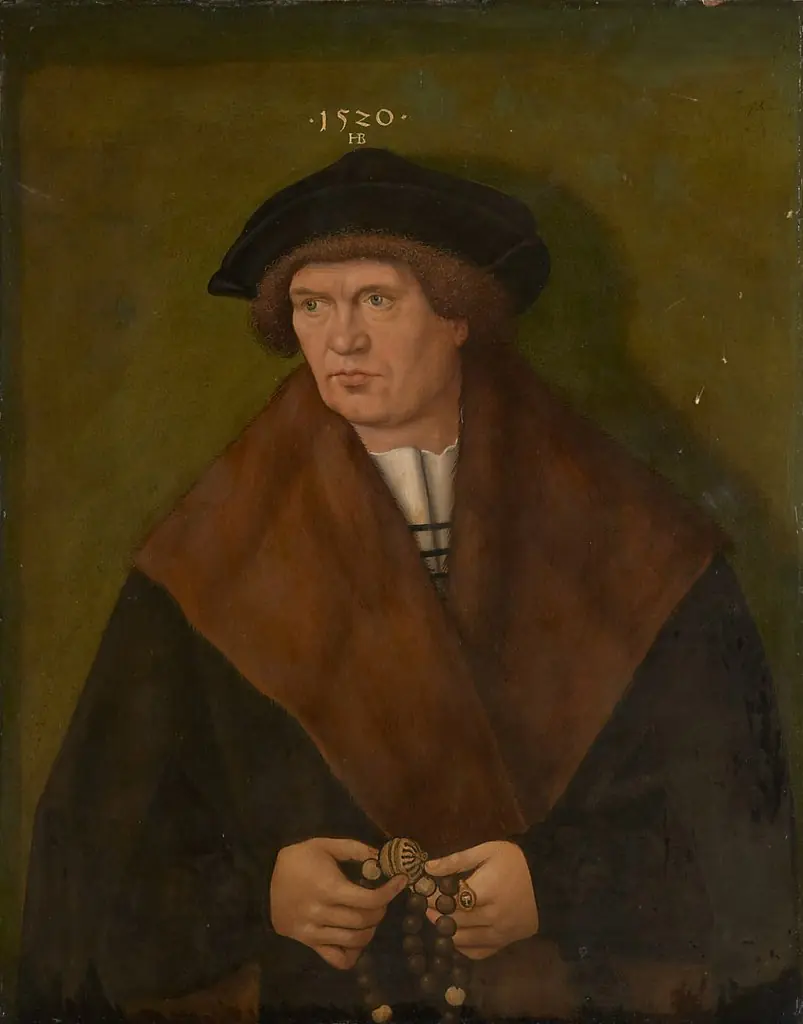 The Nuremberg dressmaker Hans Pirkel the Younger
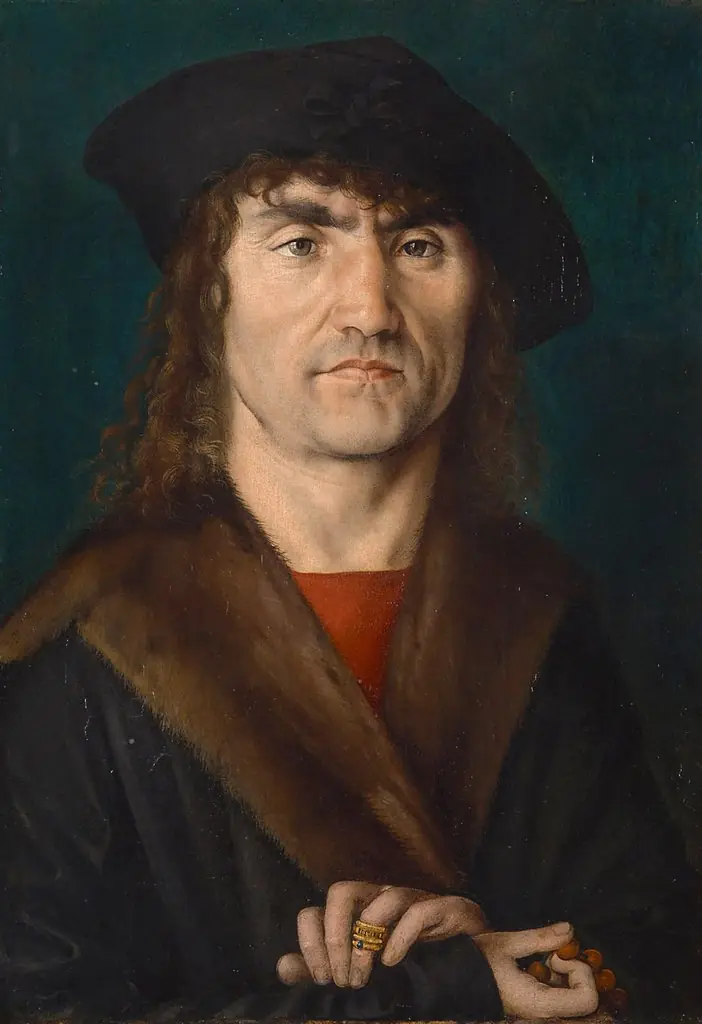 Bildnis eines Mannes mit Rosenkranz
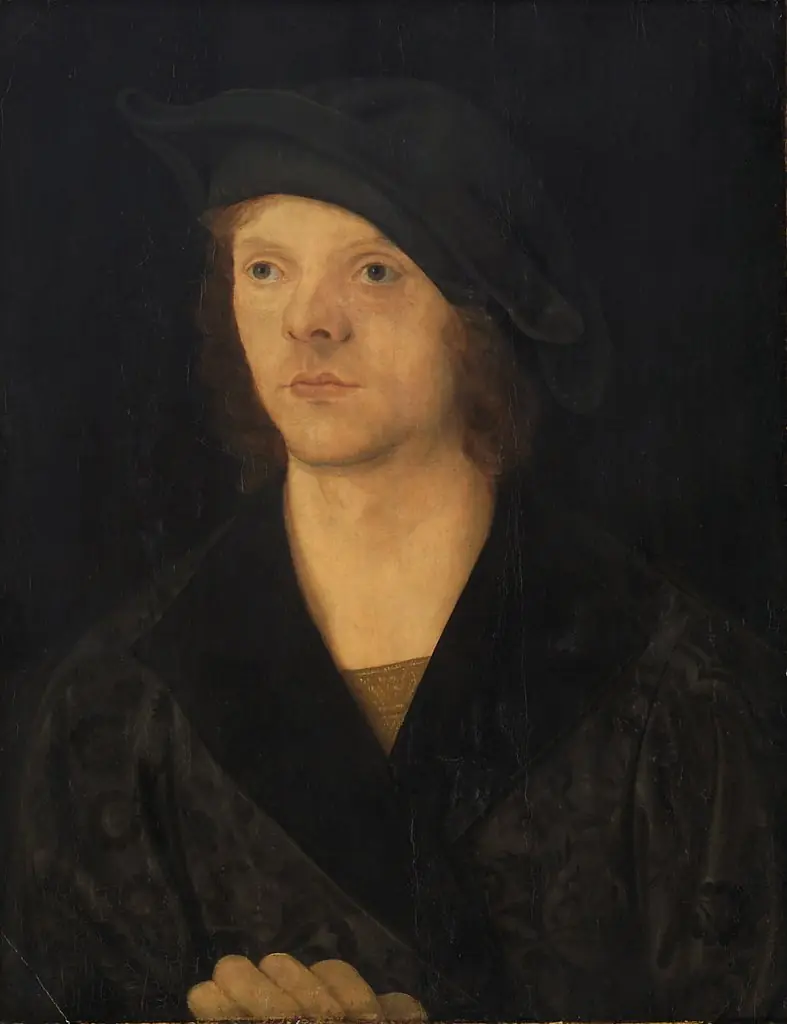 Bildnis eines jungen Mannes
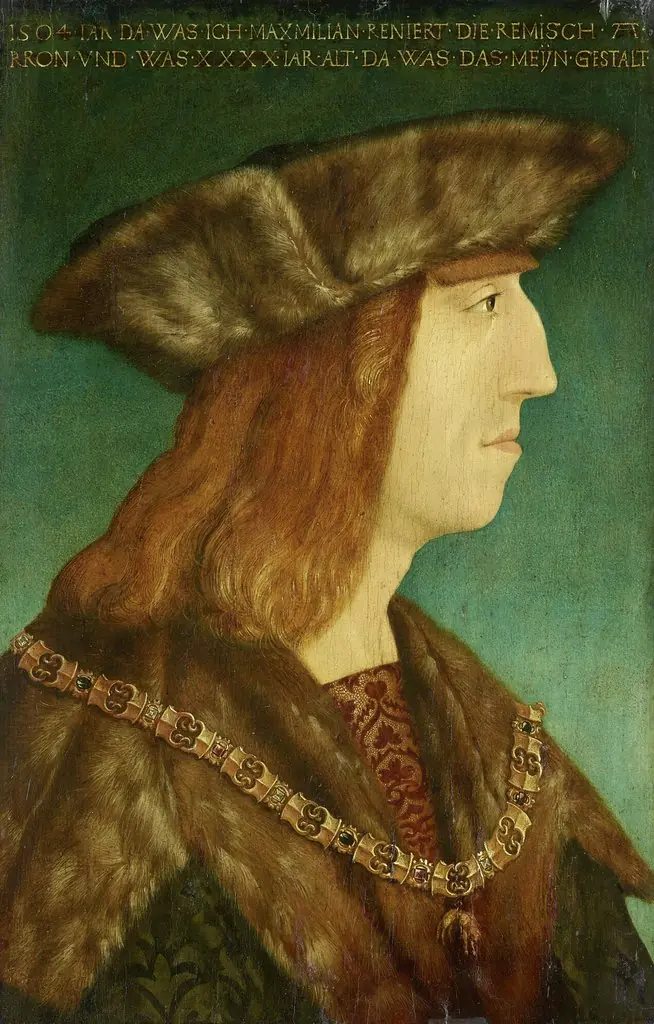 Emperor Maximilan I. (1459-1519)
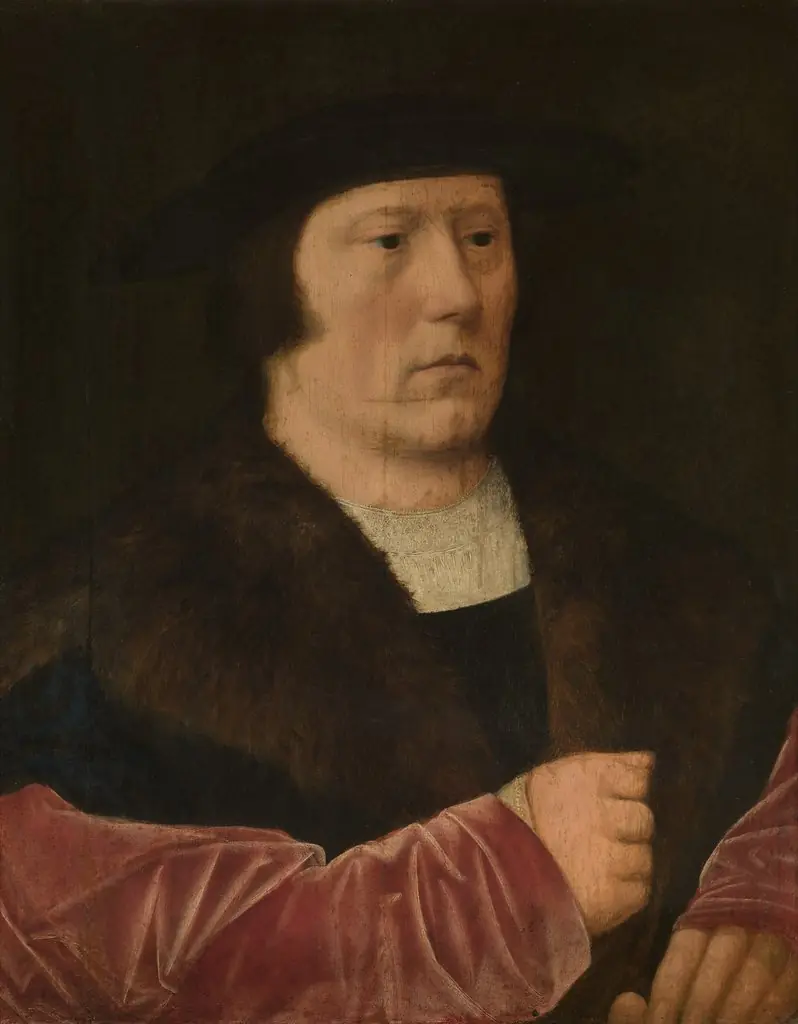 Portrait of a Man
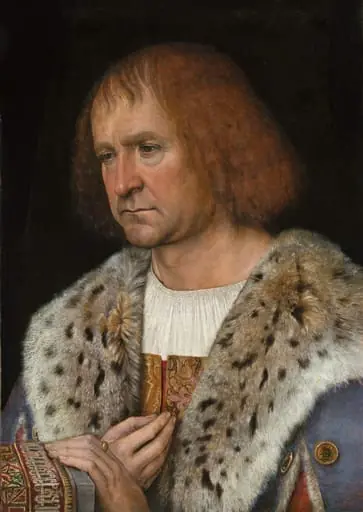 Portrait of Diego de Guevara (?)
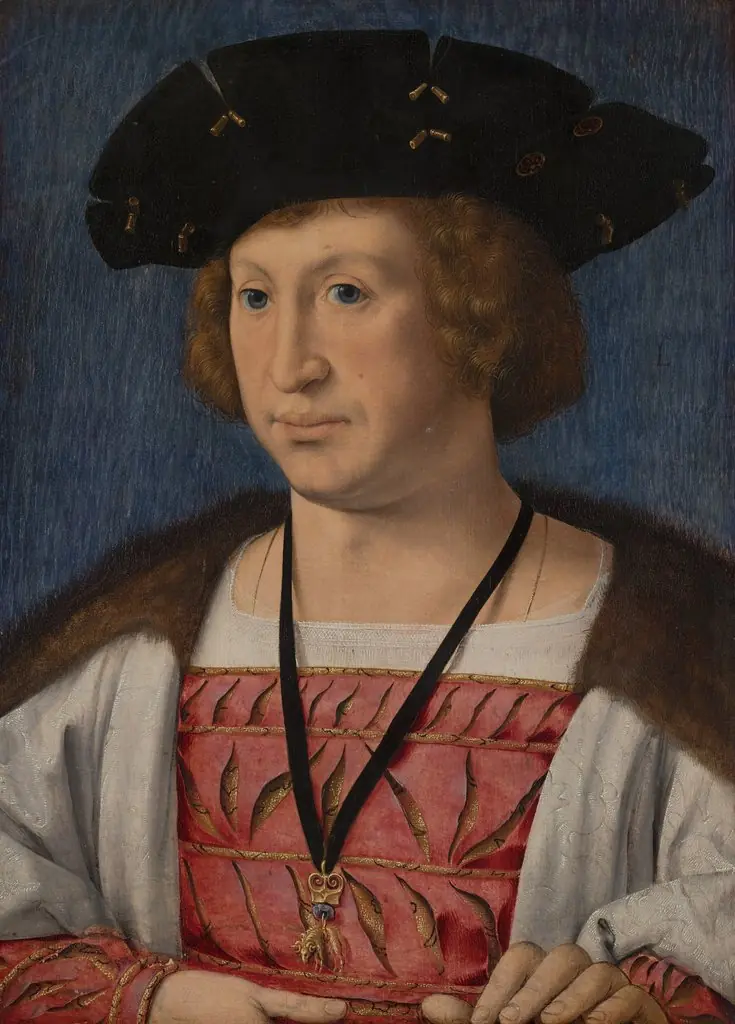 Portrait of Floris van Egmond (1469-1539), Count of Buren and Leerdam
 Untitled
 Hans Melber