Artwork
The last judgement and the seventh act of mercy
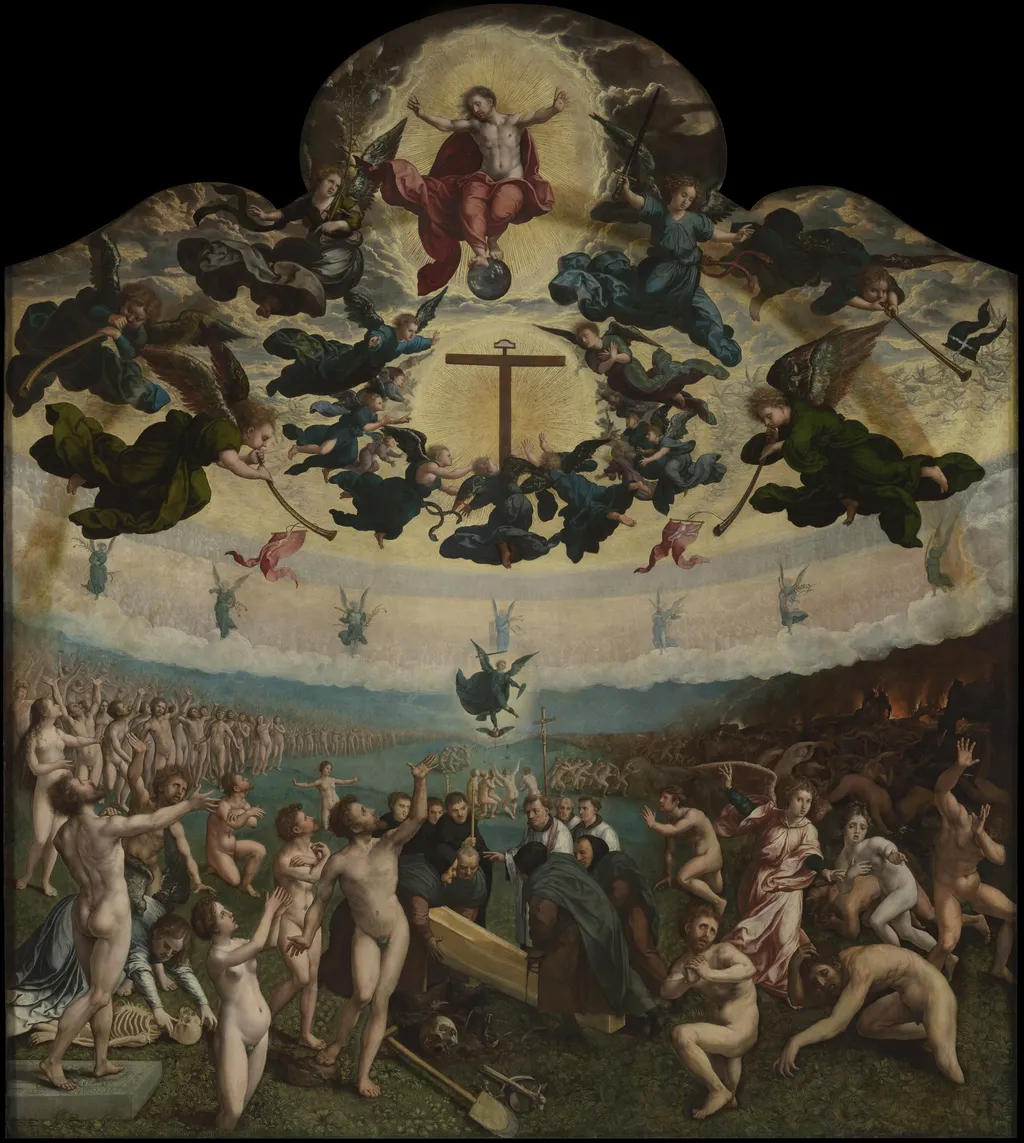
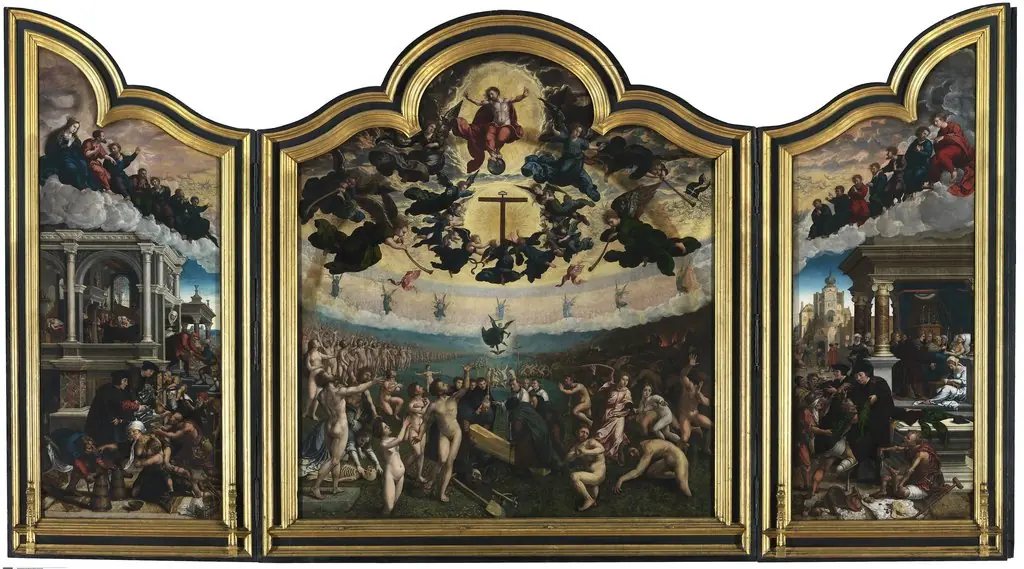
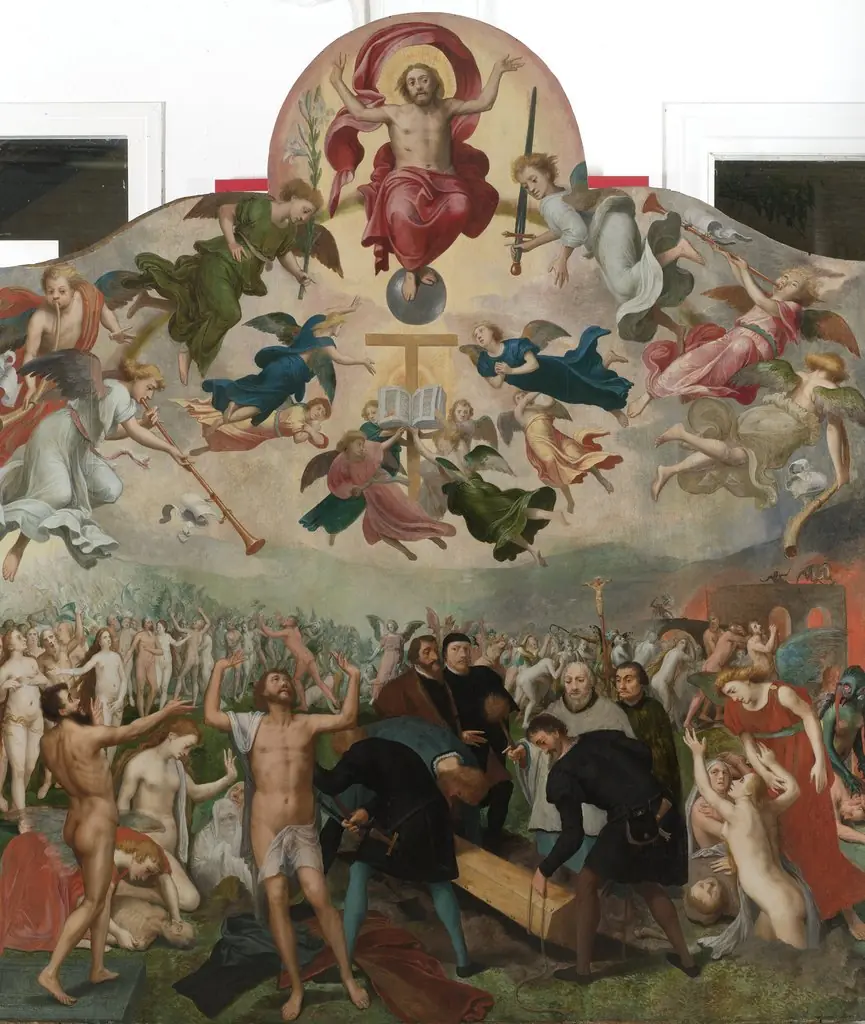
The last judgement and the seventh act of mercy is an oil painting by the Northern Renaissance artist Bernard Van Orley. It dates from 1521 and is held in the collection of the Royal Museum of Fine Arts Antwerp.
About this work
Overview
Van Orley, based in Brussels, was a leading figure in the Northern Renaissance, known for integrating Italian compositional ideas into Flemish traditions.
Painted in 1521 by Bernard van Orley, this oil-on-panel work combines the theme of the Last Judgement with the seventh act of mercy—burying the dead. Van Orley, based in Brussels, was a leading figure in the Northern Renaissance, known for integrating Italian compositional ideas into Flemish traditions. The painting resides in the Royal Museum of Fine Arts Antwerp, where it stands as a rare example of his large-scale religious panels.
Subject & Meaning
The upper register depicts Christ in judgment, flanked by angels and cherubs, while below, souls are divided between salvation and damnation. In the foreground, a funeral procession underscores the seventh act of mercy: the burial of the dead. This earthly ritual is framed within the cosmic drama of divine judgment, suggesting that compassion in life determines one’s eternal fate. The scene merges theological doctrine with moral instruction for the viewer.
Technique & Style
Van Orley employed oil paint to achieve rich color depth and fine detail, particularly in the textures of fabric, skin, and flame. His figures display a sculptural solidity influenced by Italian Renaissance ideals, though their expressions and gestures retain Northern European emotional intensity. The composition is tightly organized, with a stark contrast between the luminous heavens and the smoky, chaotic underworld, enhancing the moral dichotomy.
History & Provenance
Commissioned during the early 1520s, the painting likely originated as part of a devotional or ecclesiastical program in the Low Countries. It entered the collection of the Royal Museum of Fine Arts Antwerp in the 19th century, having passed through private and possibly monastic hands. Its survival through periods of iconoclasm and political upheaval reflects its perceived value as both religious artifact and artistic achievement.
Context
Van Orley belonged to the Romanists—a group of Northern artists who absorbed Italian Renaissance forms without traveling to Italy, relying instead on prints and engravings. This work reflects broader trends in early 16th-century Flanders, where religious imagery was increasingly complex and emotionally charged. The inclusion of the seventh act of mercy aligns with contemporary devotional practices emphasizing charitable deeds as paths to salvation.
Legacy
Though less widely known than contemporaries like Dürer or Titian, van Orley’s synthesis of Italian structure and Northern detail influenced later Flemish painters. This painting remains a significant example of how religious themes were visually codified in the decades before the Reformation. Its preservation allows study of how theological concepts were rendered accessible through narrative and symbolism in pre-Reformation art.
Artist & collection
Artist
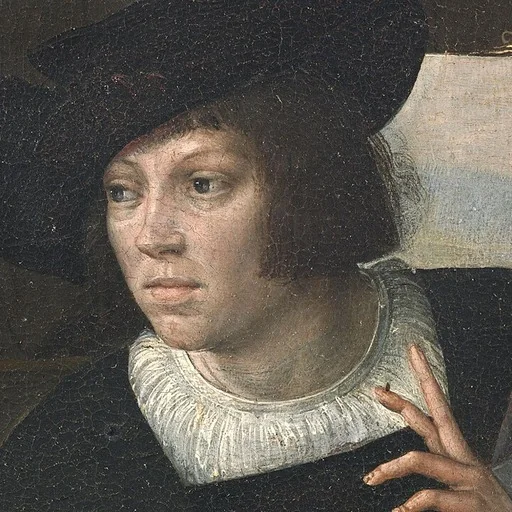
Bernard van Orley (between 1487 and 1491 – 6 January 1541), also called Barend or Barent van Orley, Bernaert van Orley or Barend van Brussel, was a versatile Flemish artist and representative of Dutch and Flemish…

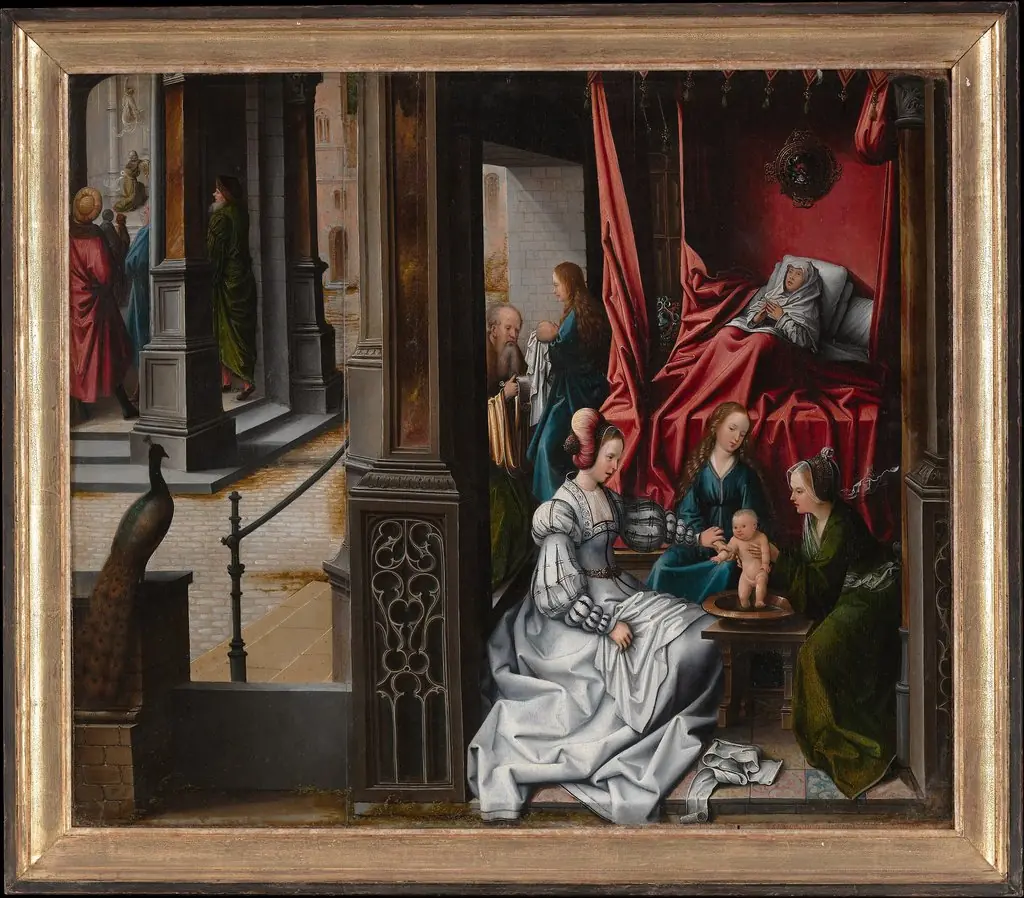 The Birth and Naming of Saint John the Baptist; (reverse) Trompe-l'oeil with Painting of The Man of Sorrows
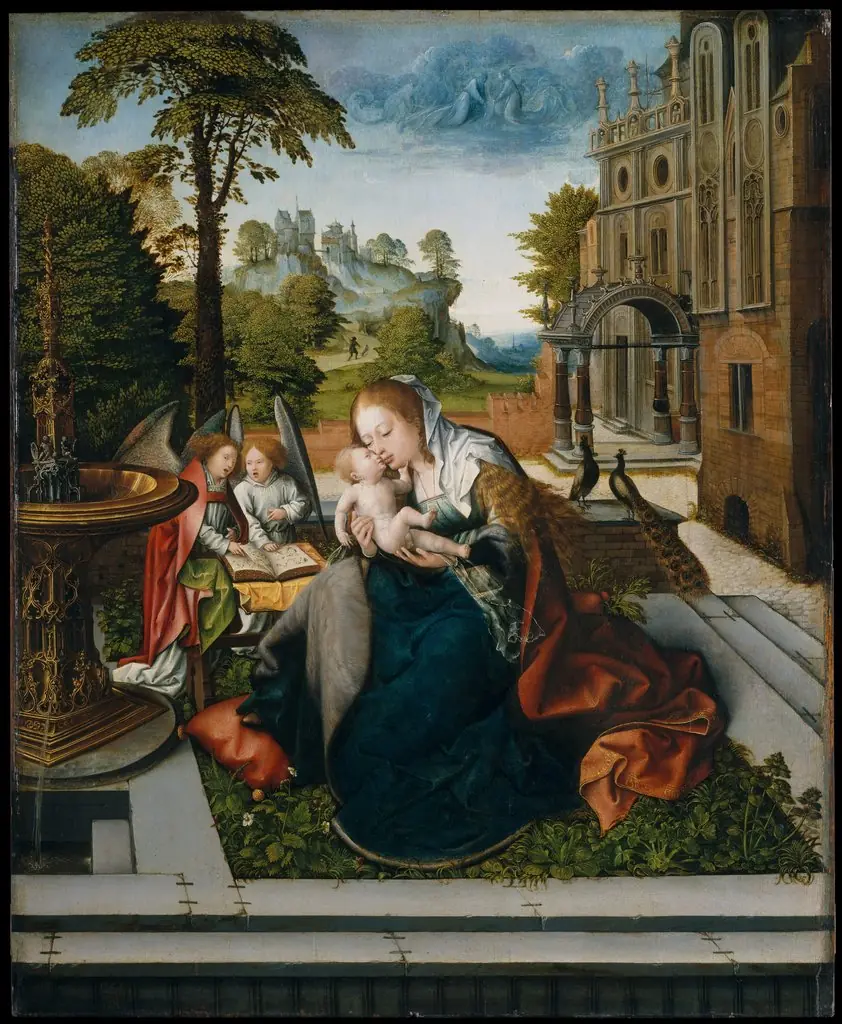 Virgin and Child with Angels
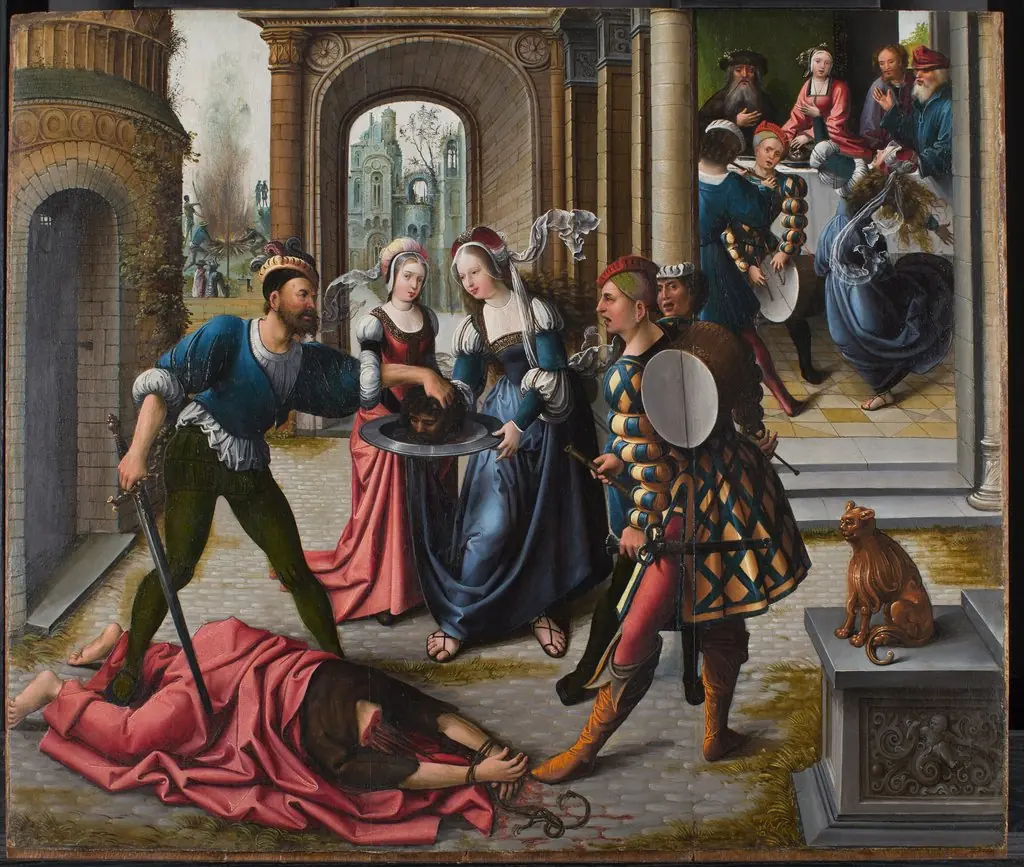 The Martyrdom of Saint John the Baptist
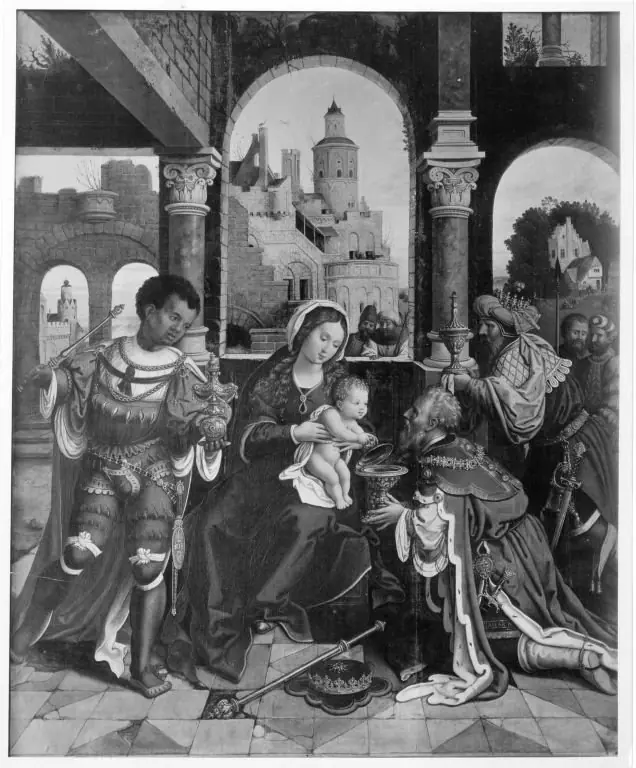 The Adoration of the Magi
![Christ among the Doctors [obverse], by Bernard Van Orley](https://artifactworldgallery.com/img/bernard-van-orley--christ-among-the-doctors-obverse--78795f311364e613-w320.webp) Christ among the Doctors [obverse]
Christ among the Doctors [obverse] The Marriage of the Virgin
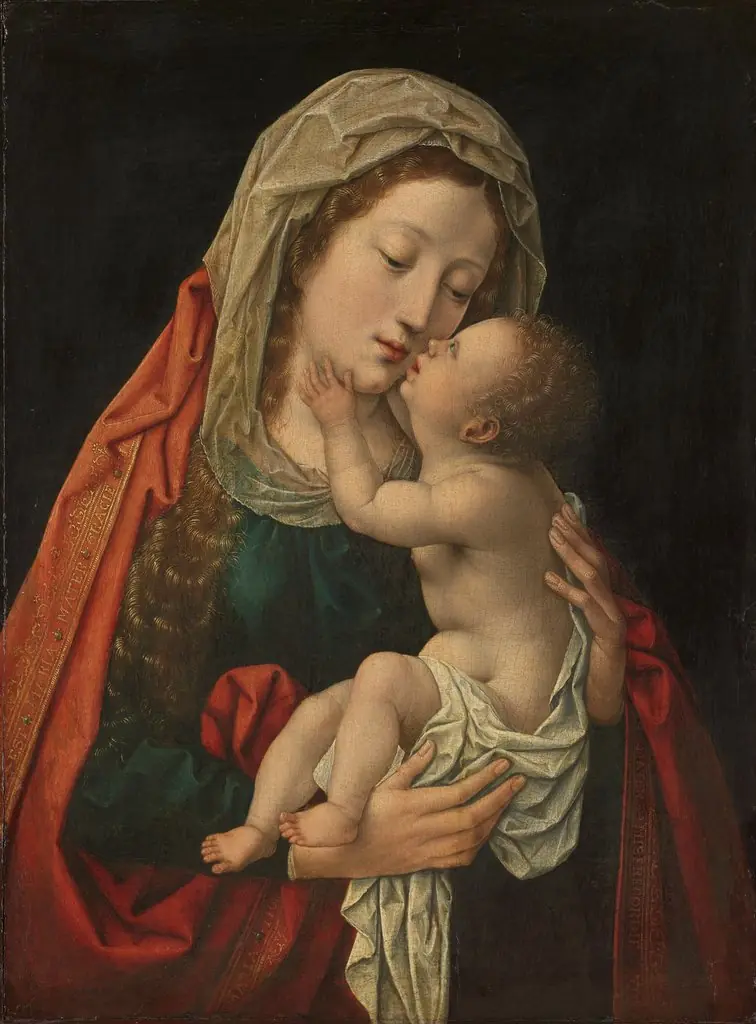 The Virgin and Child
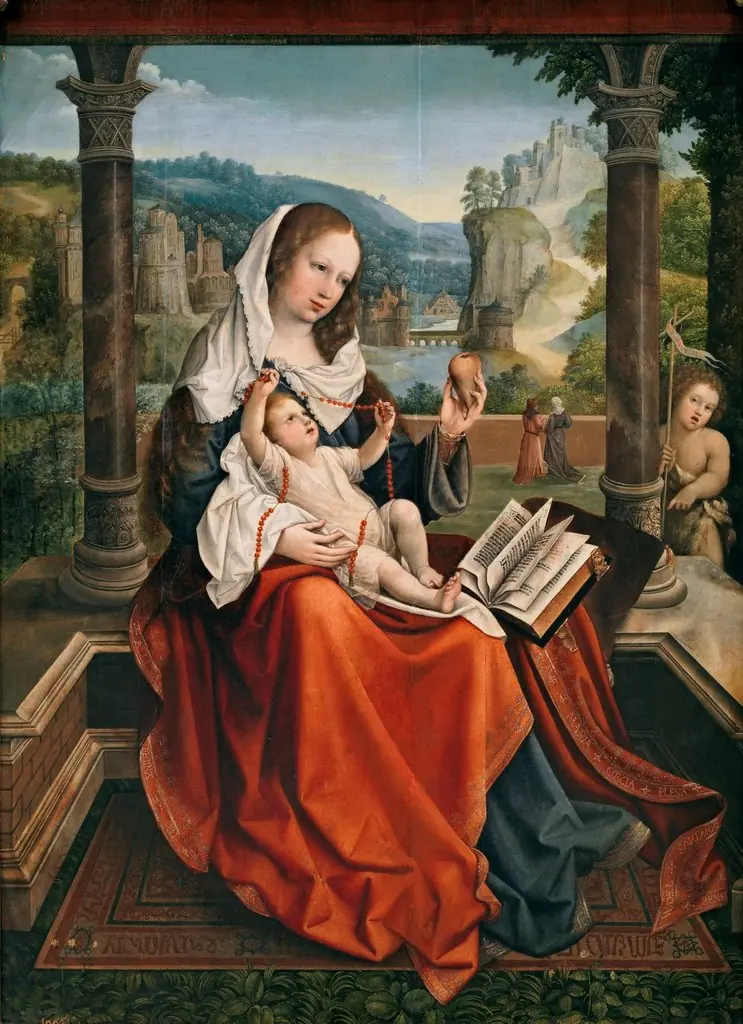 The Virgin and Child with the Infant Saint John the Baptist