Artwork
The Nativity
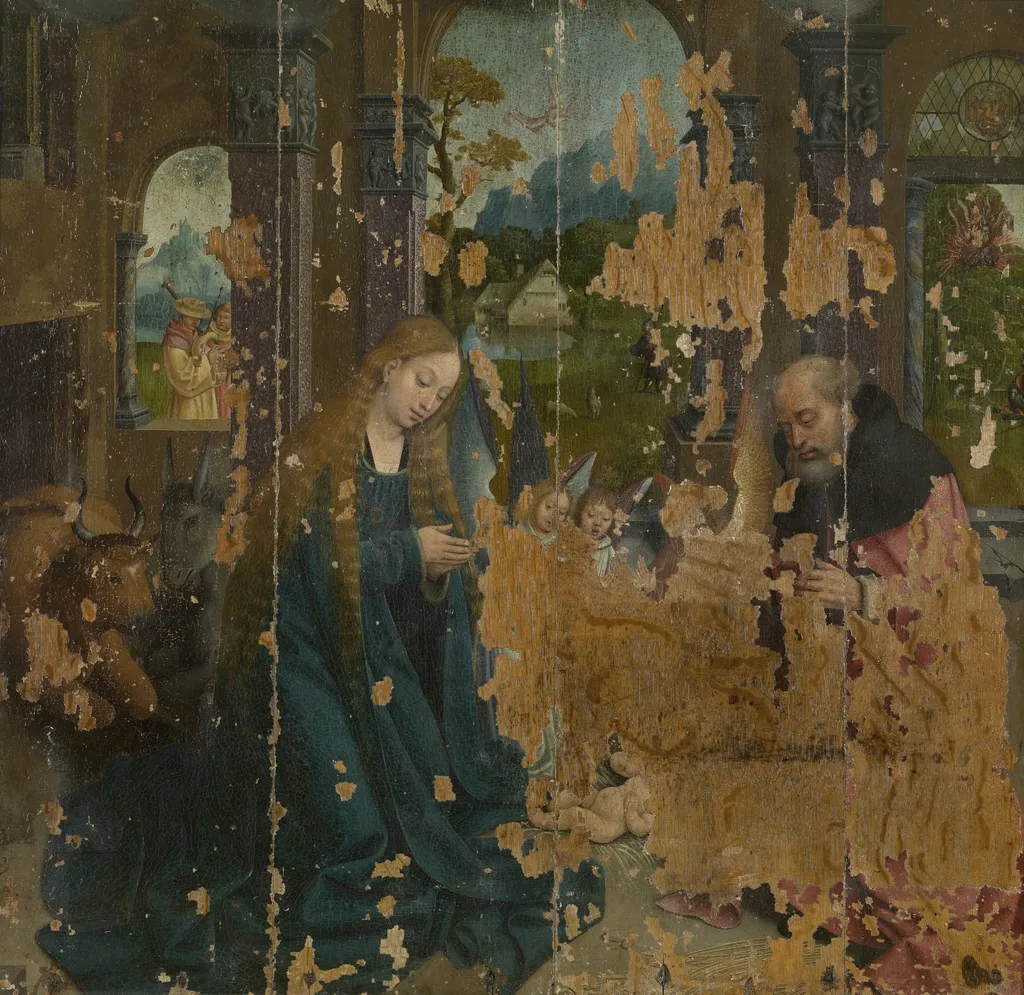
The Nativity is an oil painting by the Northern Renaissance artist Bernard Van Orley. It dates from 1524 and is held in the collection of the Royal Museum of Fine Arts Antwerp.
About this work
Overview
This piece reflects his engagement with Italian compositional ideals, absorbed indirectly through prints and drawings, rather than firsthand travel.
Painted around 1524 by Bernard van Orley, *The Nativity* is a panel work from the Northern Renaissance, executed in oil on wood. Van Orley, based in Brussels, was known for his versatility across media, including tapestries and stained glass. This piece reflects his engagement with Italian compositional ideals, absorbed indirectly through prints and drawings, rather than firsthand travel. It remains part of the Royal Museum of Fine Arts Antwerp’s collection.
Subject & Meaning
The scene centers on the birth of Christ in a humble manger, with the Virgin Mary and Joseph standing nearby in quiet reverence. Angels hover above, while shepherds gather at the periphery, acknowledging the divine event. The composition emphasizes solemnity over spectacle, aligning with devotional practices of the time. The quiet intimacy of the figures invites contemplation, reinforcing the spiritual significance of the moment rather than its grandeur.
Technique & Style
Van Orley employed fine brushwork to render textures in fabric and landscape, blending Flemish attention to detail with Italianate spatial harmony. The figures are arranged with balanced symmetry, echoing Raphael’s compositional grace. Despite the influence, the palette remains restrained, and the background landscape—hills, trees, and distant structures—is rendered with subtle atmospheric depth. The surface shows signs of aging: paint has faded and chipped, particularly along edges, yet the original tonal relationships remain legible.
History & Provenance
Commissioned during the height of van Orley’s career, the panel likely originated in a private or ecclesiastical setting in the Low Countries. It entered the Royal Museum of Fine Arts Antwerp’s collection in the 19th century, following the consolidation of religious artworks after the dissolution of monasteries. Its survival through centuries of environmental and political change reflects its enduring value to collectors and institutions.
Context
In early 16th-century Flanders, religious imagery remained central to artistic production, even as humanist ideas spread. Van Orley’s synthesis of Italianate form with northern realism mirrored broader cultural exchanges facilitated by printed images and trade. While Italian artists pursued idealized forms, northern painters retained a focus on tangible detail and emotional restraint—a balance evident in this Nativity’s quiet dignity.
Legacy
Though not widely reproduced, *The Nativity* exemplifies how Northern artists adapted Renaissance principles without direct exposure to Italy. Van Orley’s influence extended through his workshop, shaping regional styles for decades. The painting’s endurance, despite physical deterioration, underscores its role as a quiet witness to the spiritual and artistic currents of its time.
Artist & collection
Artist
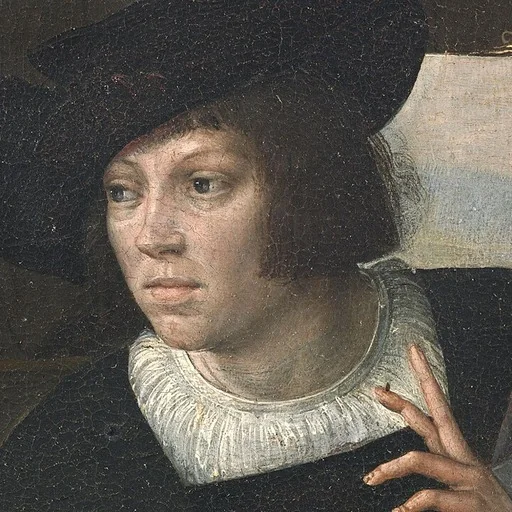
Bernard van Orley (between 1487 and 1491 – 6 January 1541), also called Barend or Barent van Orley, Bernaert van Orley or Barend van Brussel, was a versatile Flemish artist and representative of Dutch and Flemish…

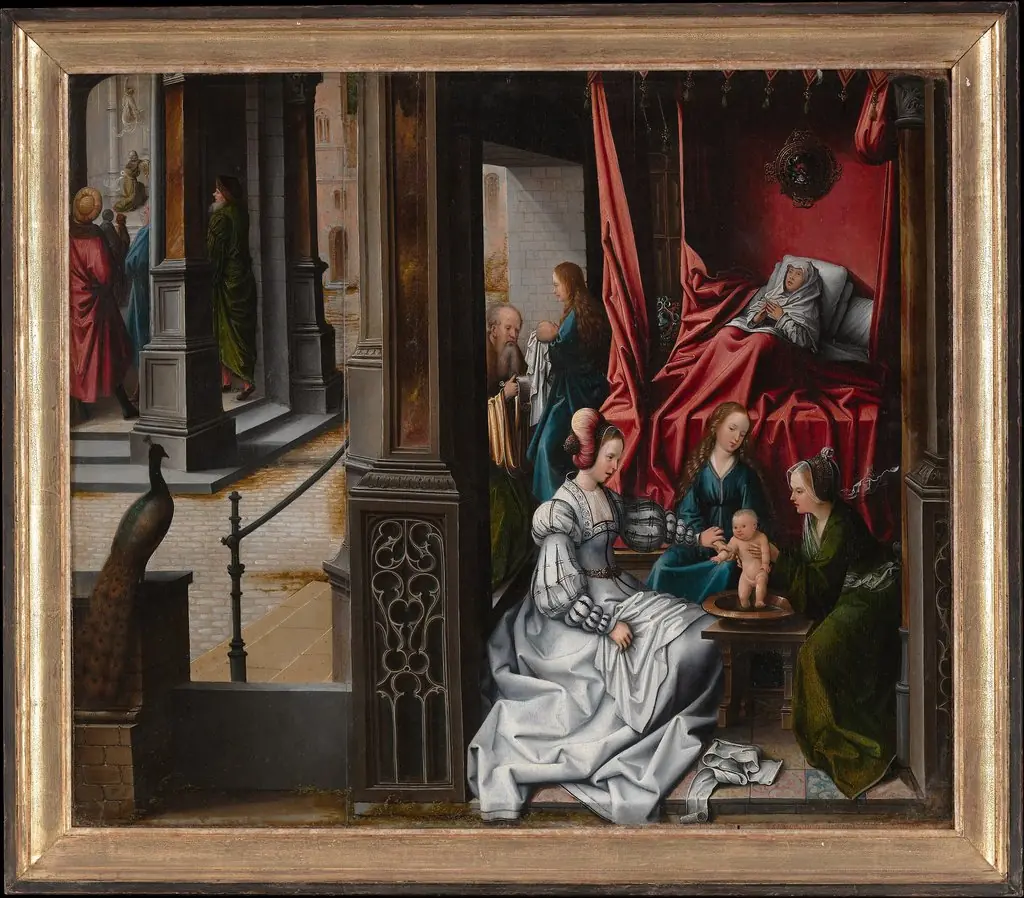 The Birth and Naming of Saint John the Baptist; (reverse) Trompe-l'oeil with Painting of The Man of Sorrows
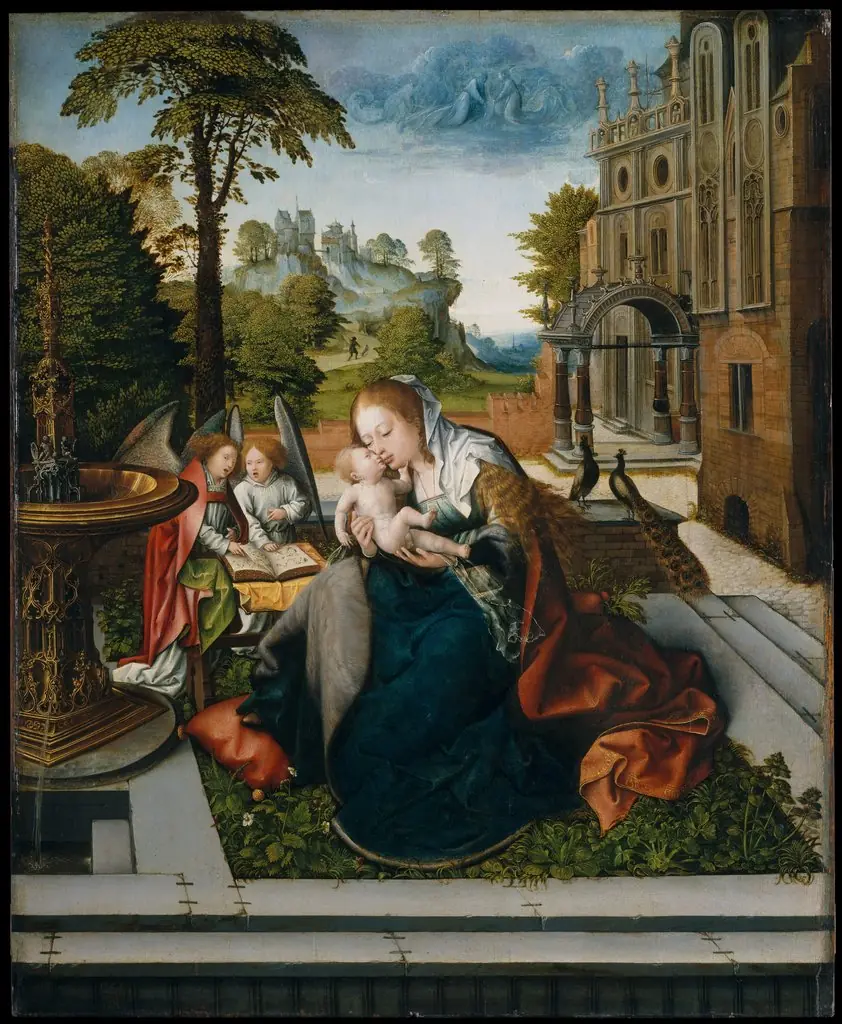 Virgin and Child with Angels
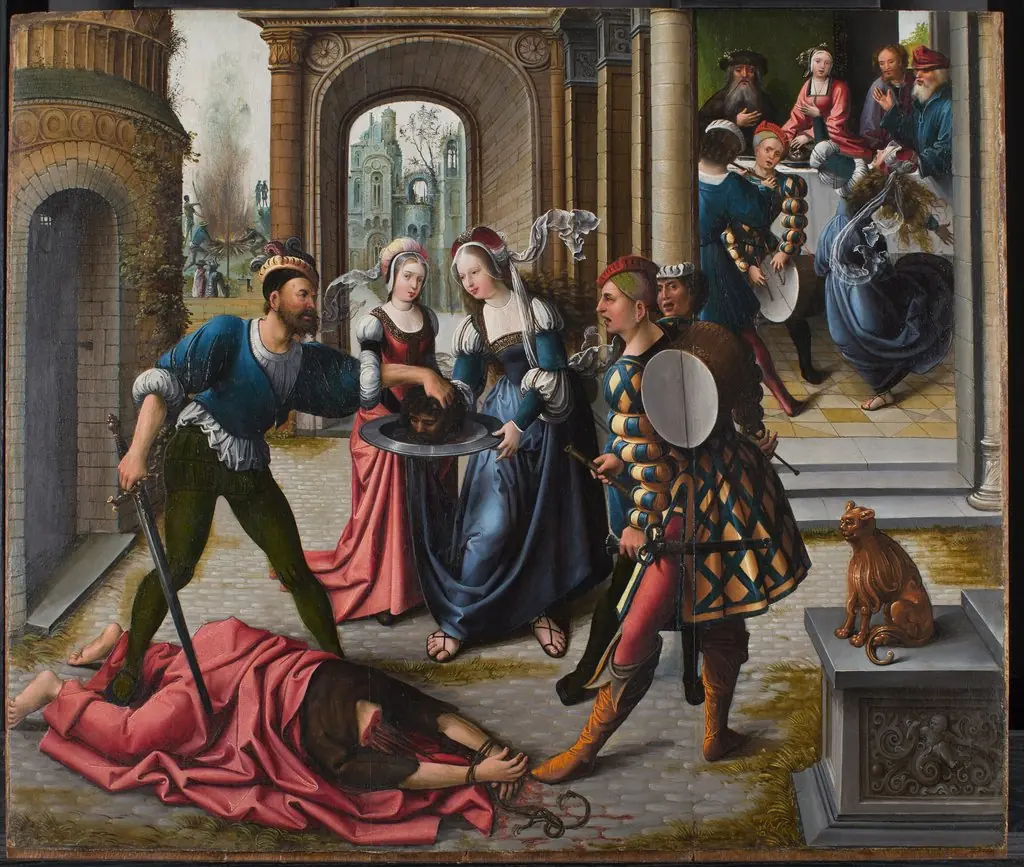 The Martyrdom of Saint John the Baptist
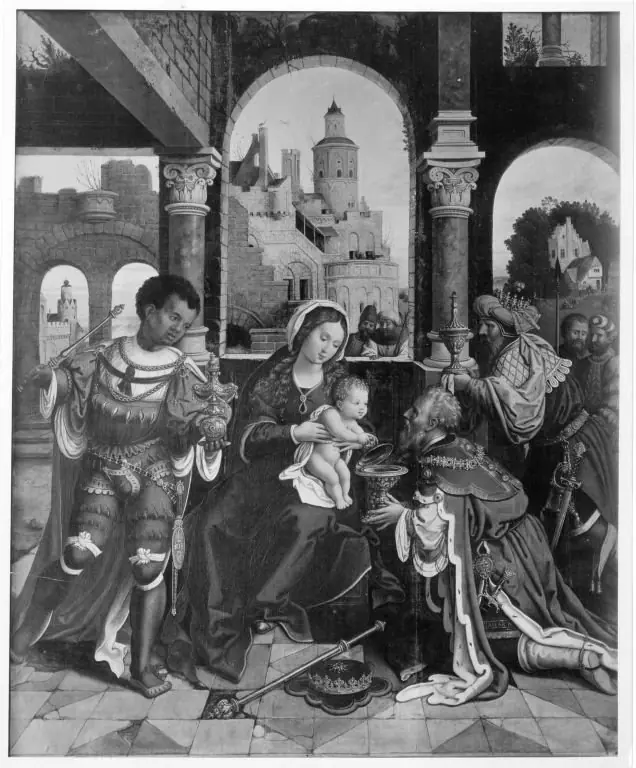 The Adoration of the Magi
![Christ among the Doctors [obverse], by Bernard Van Orley](https://artifactworldgallery.com/img/bernard-van-orley--christ-among-the-doctors-obverse--78795f311364e613-w320.webp) Christ among the Doctors [obverse]
Christ among the Doctors [obverse]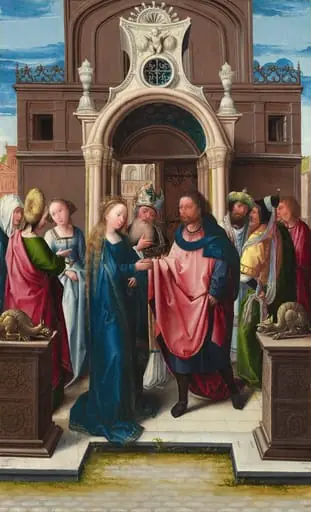 The Marriage of the Virgin
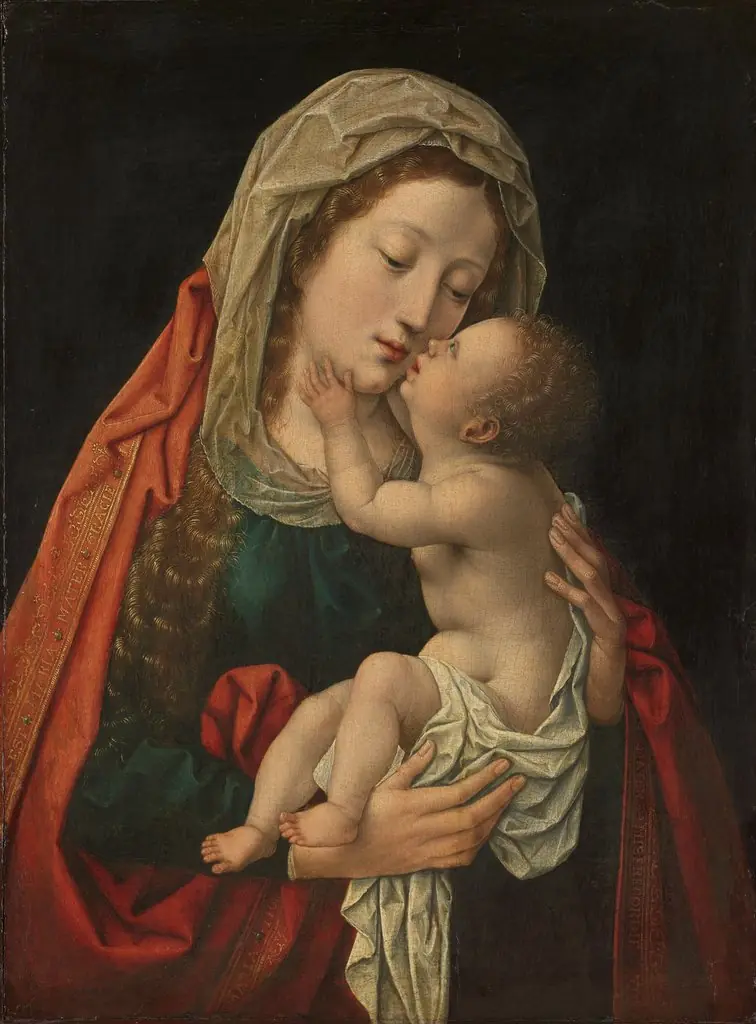 The Virgin and Child
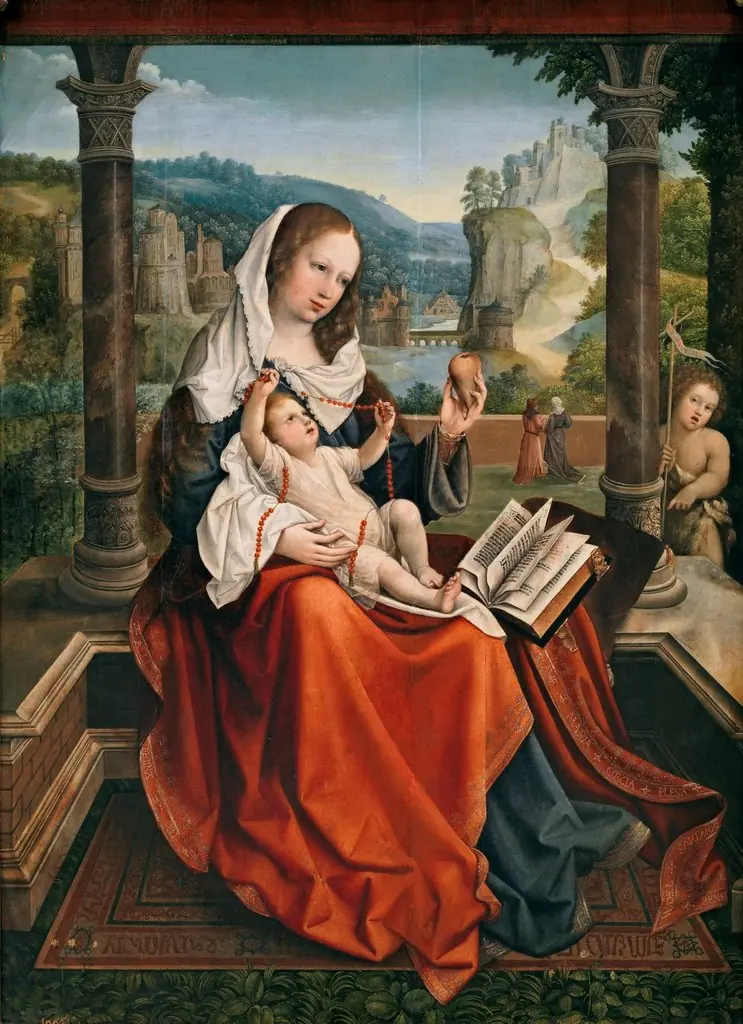 The Virgin and Child with the Infant Saint John the Baptist
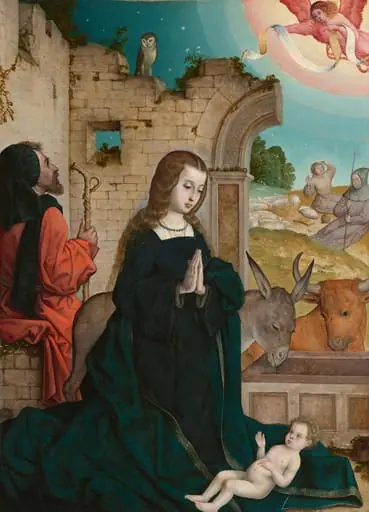 The Nativity
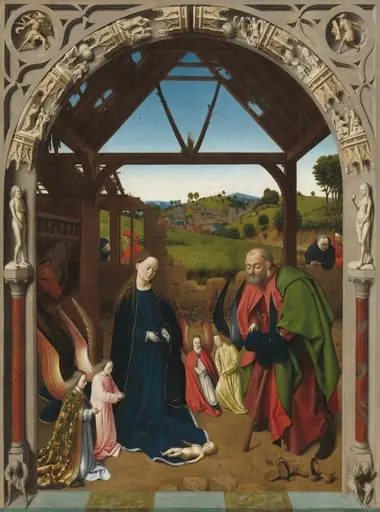 The Nativity
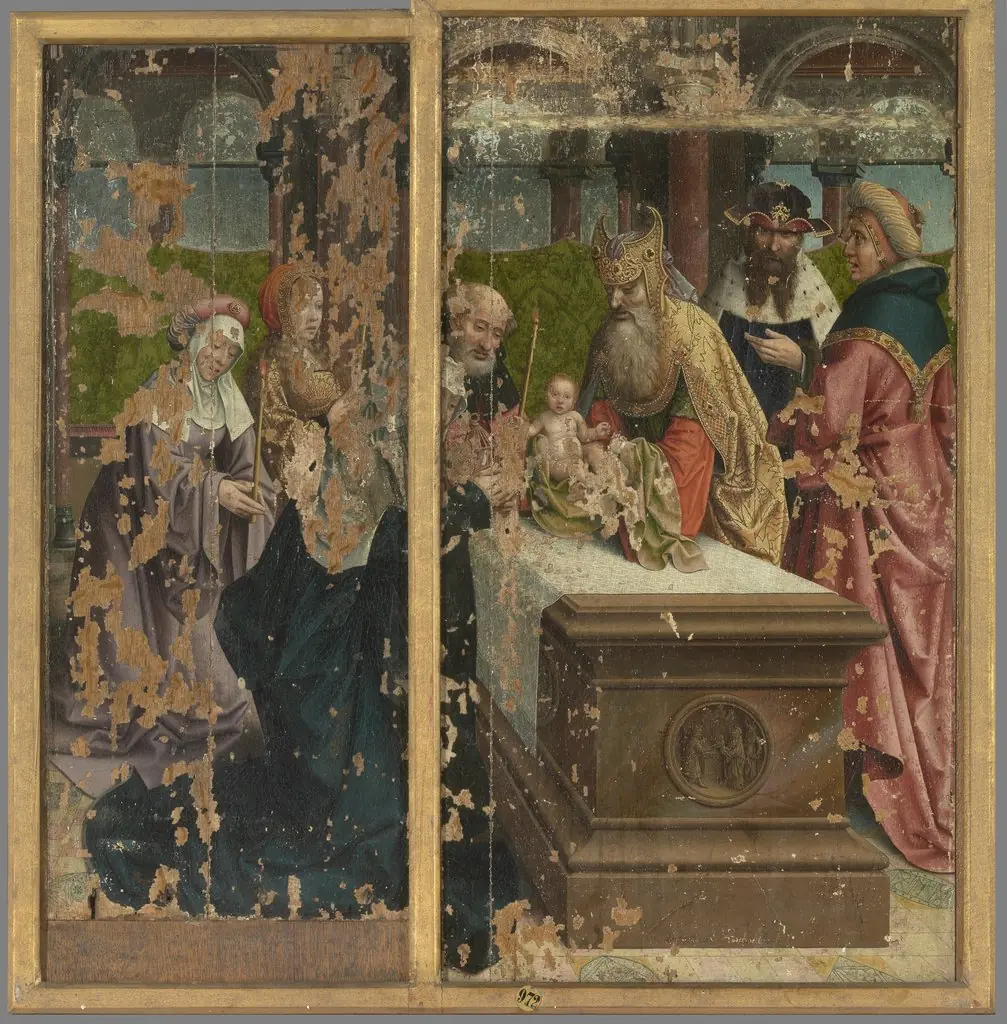 Presentation in the Temple
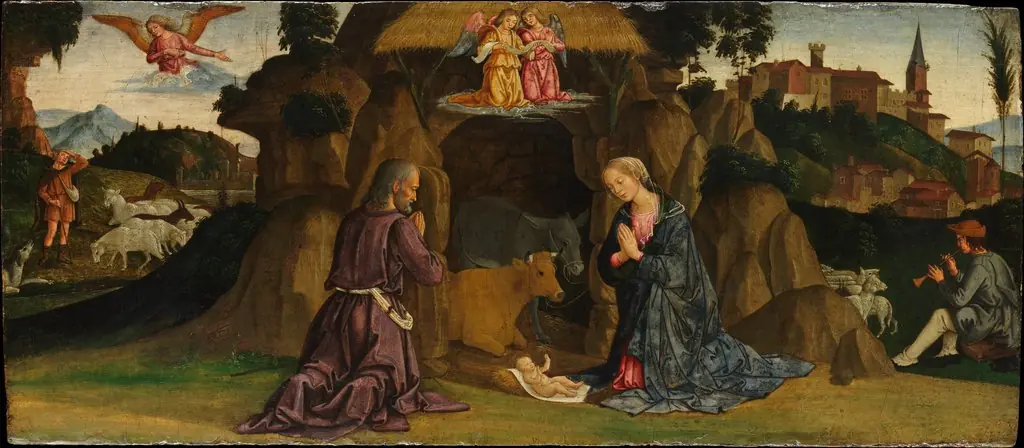 The Nativity
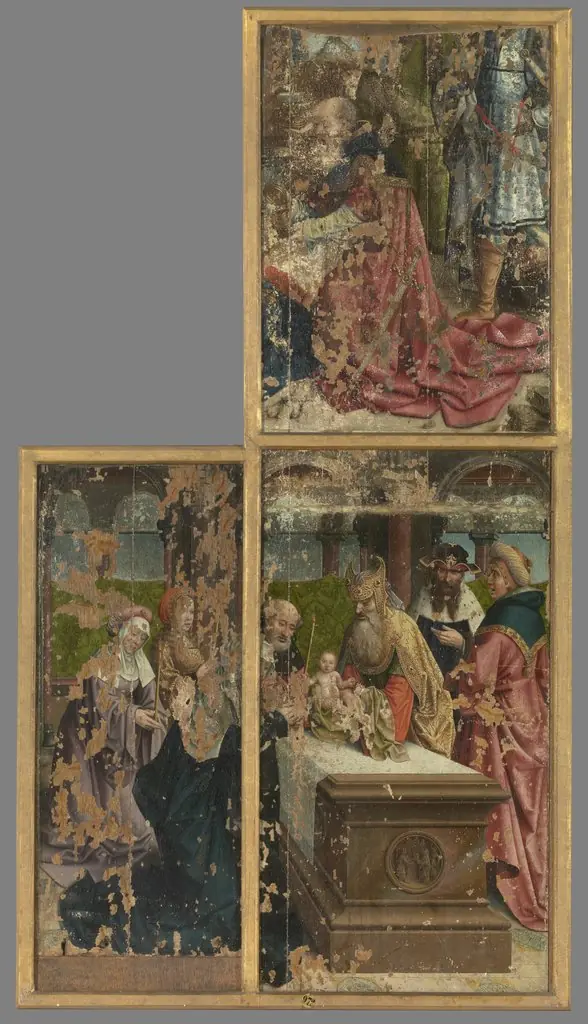 Adoration of the Magi; Presentation of the Christ-child in the temple
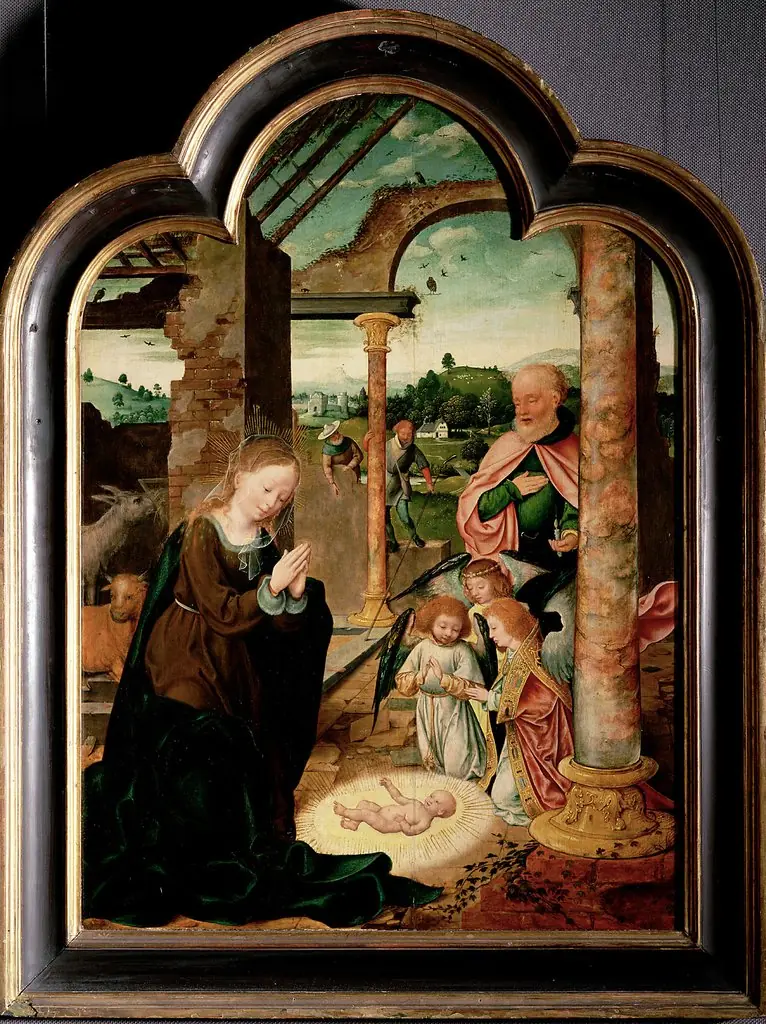 The Birth of Christ
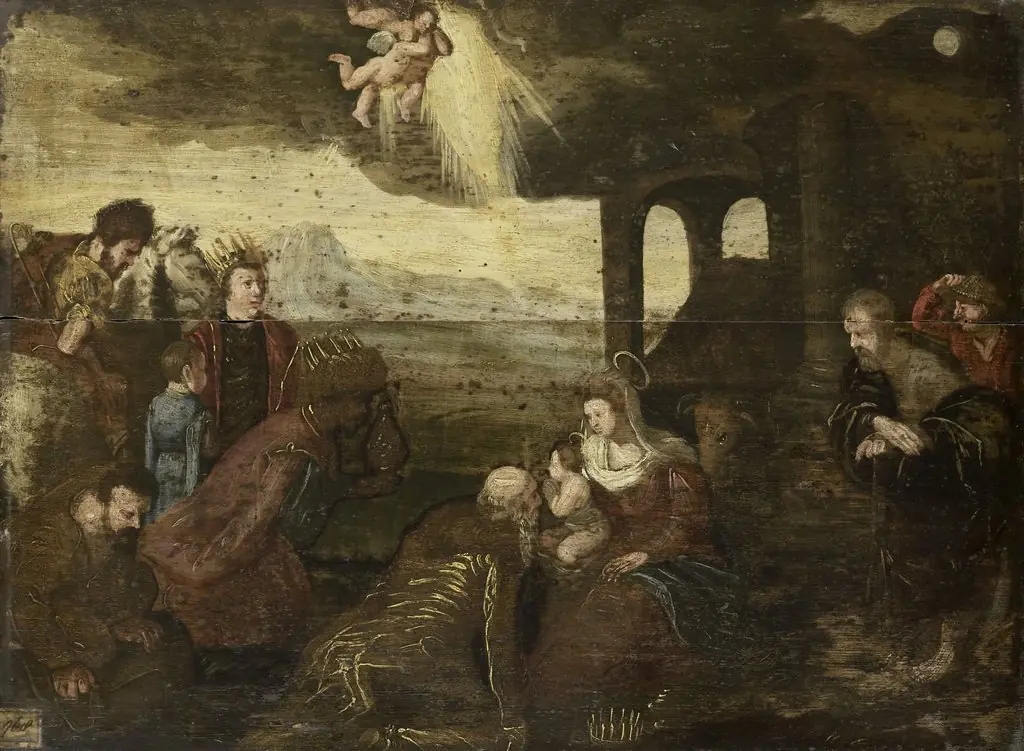 Adoration of the Magi
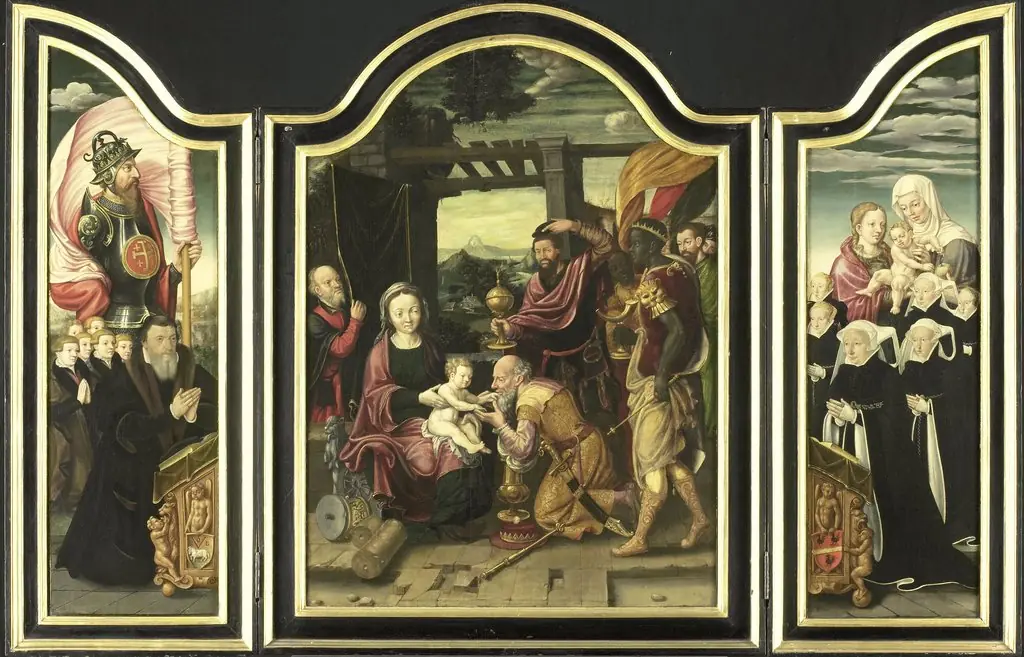 Triptych with the Adoration of the Magi
![Altarpiece showing scenes from the Infancy of Christ: The Adoration of the Magi [center]; The Annunciation; The Presentation of Christ in the Temple; The Flight into Egypt; The Nativity [clockwise from upper left], by Master of Hoogstraeten](https://artifactworldgallery.com/img/master-of-hoogstraeten--altarpiece-showing-scenes-from-the-infancy-of-christ-the-ado--6a236bfea3373486-w320.webp) Altarpiece showing scenes from the Infancy of Christ: The Adoration of the Magi [center]; The Annunciation; The Presentation of Christ in the Temple; The Flight into Egypt; The Nativity [clockwise from upper left]
Altarpiece showing scenes from the Infancy of Christ: The Adoration of the Magi [center]; The Annunciation; The Presentation of Christ in the Temple; The Flight into Egypt; The Nativity [clockwise from upper left]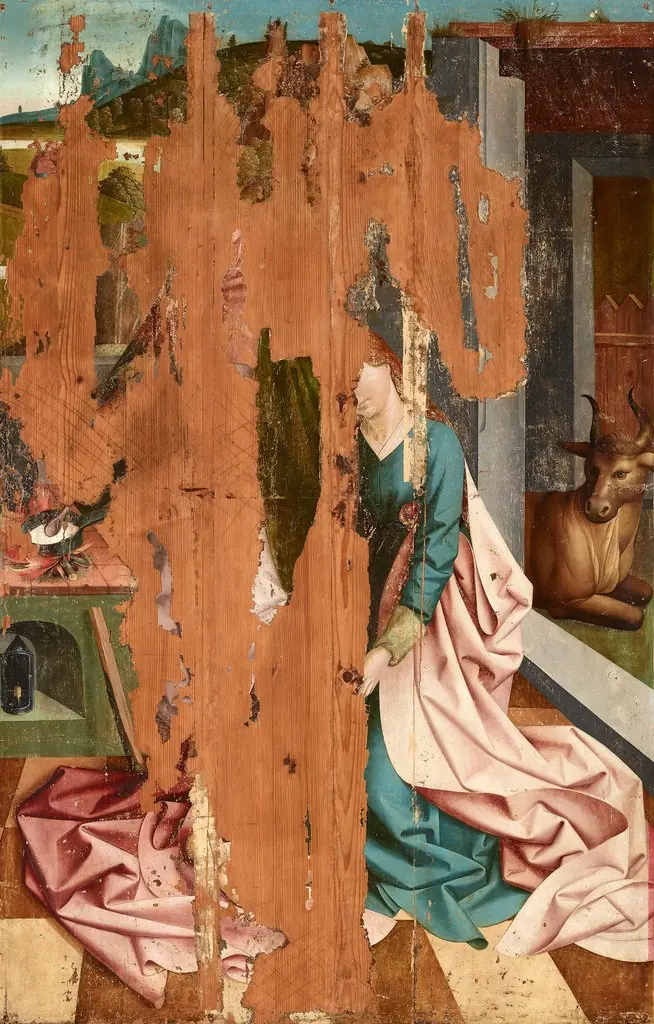 Geburt Christi
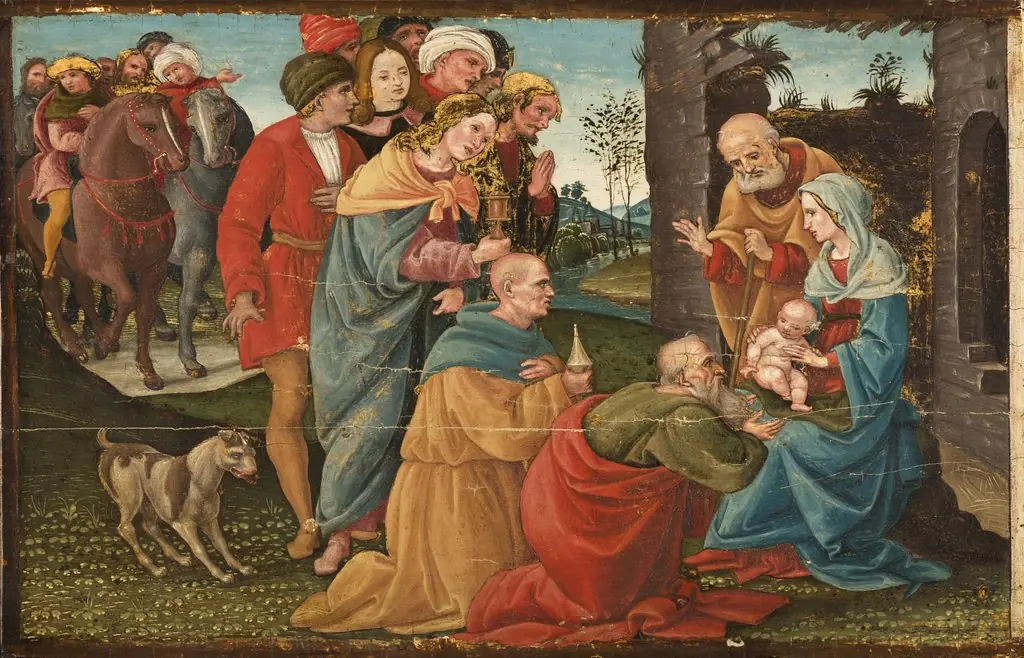 The Adoration of the Magi
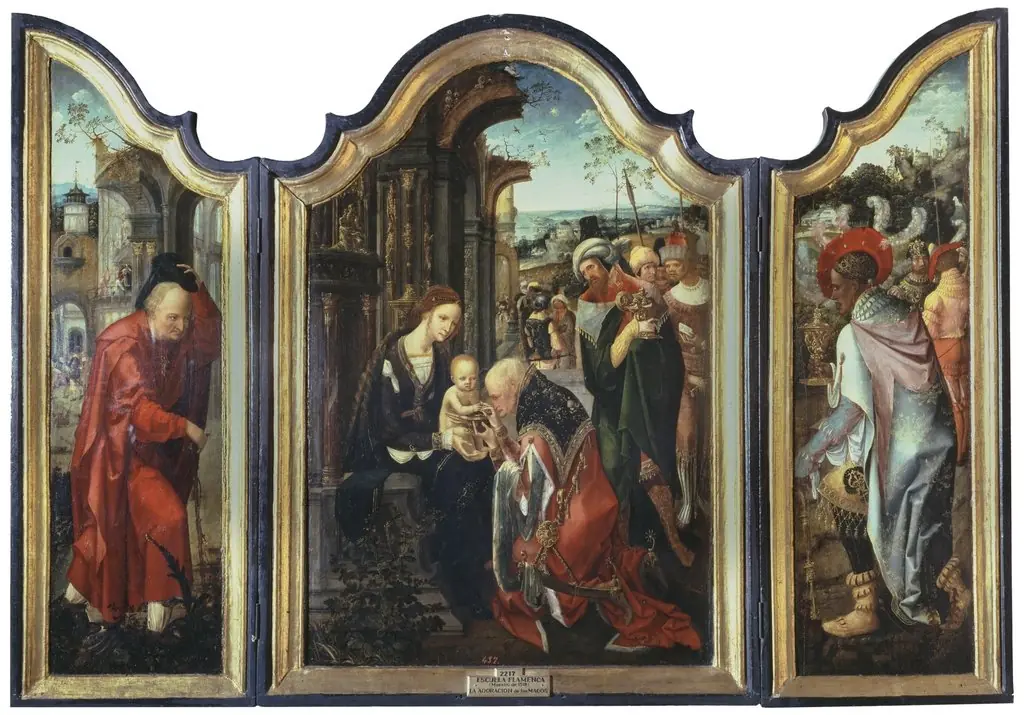 Adoration of the Magi