Artwork
Adoration of the Magi; Presentation of the Christ-child in the temple
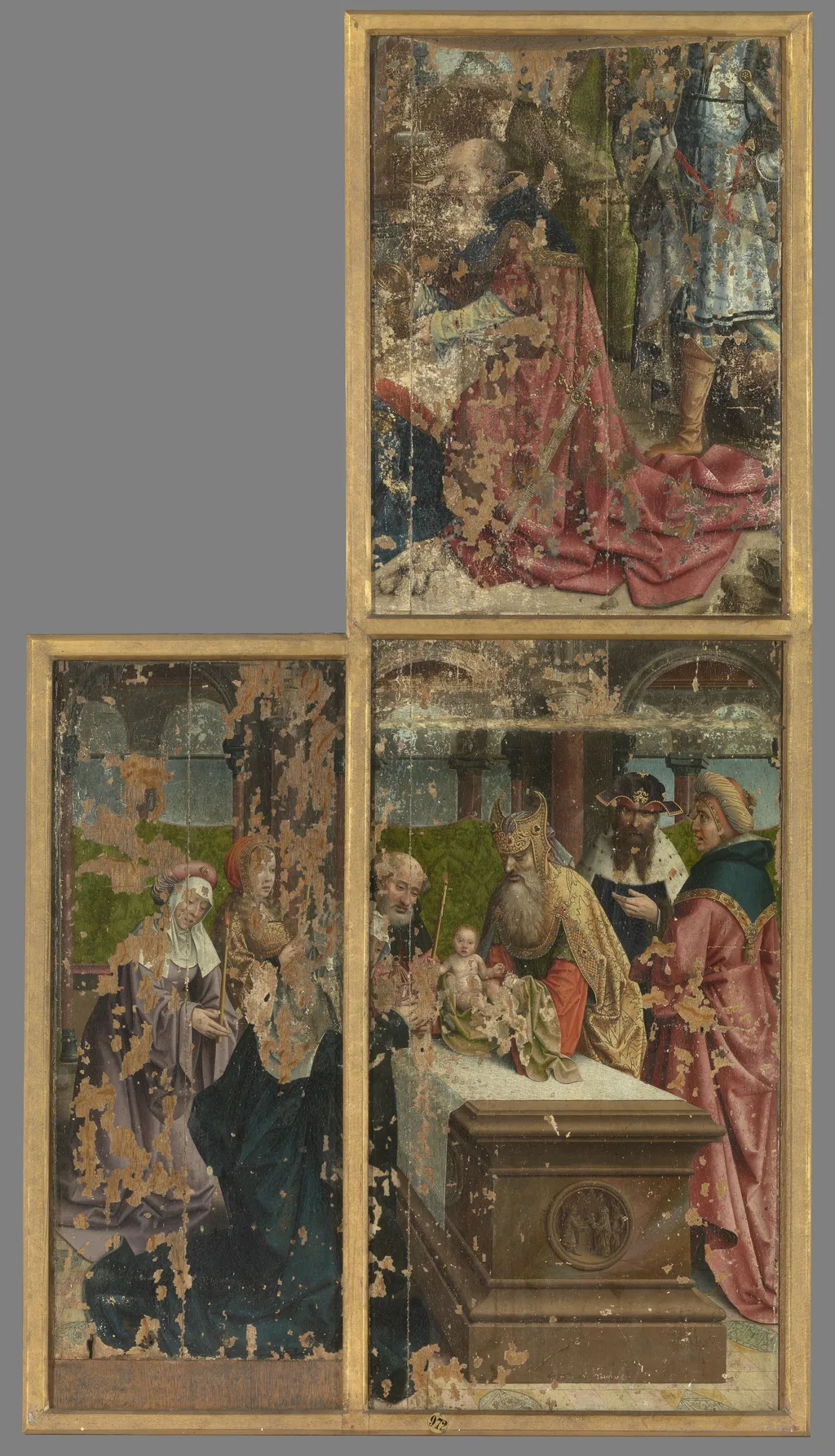
Adoration of the Magi; Presentation of the Christ-child in the temple is an oil painting by the Mannerist artist Bernard Van Orley. It dates from 1530 and is held in the collection of the Royal Museum of Fine Arts Antwerp.
About this work
Overview
Executed in oil on panel, it reflects the artist’s engagement with Italian Renaissance ideals, even though he never traveled to Italy.
Painted in 1530 by Bernard van Orley, this work combines two biblical scenes—Adoration of the Magi and the Presentation of Christ in the Temple—within a single triptych. Executed in oil on panel, it reflects the artist’s engagement with Italian Renaissance ideals, even though he never traveled to Italy. Van Orley, primarily known for tapestry and stained glass, applied his decorative sensibility to this religious panel, aligning with the Romanist movement in Northern Europe.
Subject & Meaning
The painting unites two moments from the infancy of Christ: the visit of the Magi and the ritual presentation at the Temple. The central figure, a man in gold robes holding a staff, represents Simeon, who recognizes the infant as the Messiah. The Magi, depicted in the upper register, offer gifts, while Mary and Joseph appear below. The dual narrative reinforces theological themes of revelation and fulfillment, common in devotional art of the period.
Technique & Style
Van Orley employed oil paint to achieve subtle gradations in skin tones and fabric textures, though the palette remains restrained, dominated by earthy browns, muted greens, and soft reds. Figures are arranged in a balanced, hierarchical composition, with formal poses and elongated proportions hinting at Mannerist tendencies. The three-panel structure allows for narrative clarity while maintaining visual unity through consistent lighting and spatial logic.
History & Provenance
The triptych has remained in the collection of the Royal Museum of Fine Arts Antwerp since at least the 19th century. Its attribution to Bernard van Orley is supported by stylistic parallels with his other religious works and documented commissions from Antwerp’s religious institutions. No significant changes in ownership are recorded, suggesting it was likely commissioned for a local church or private chapel and retained in the region.
Context
Created during the height of the Northern Renaissance, the painting reflects the growing influence of Italian composition and humanism among Flemish artists. Van Orley, though based in Brussels and Antwerp, absorbed elements from Raphael and other Italian masters through prints and drawings. The work exemplifies how Northern artists adapted classical ideals to devotional subjects without abandoning local traditions of detail and symbolism.
Legacy
Van Orley’s synthesis of Italianate form and Northern detail influenced later generations of Flemish painters. While not widely known outside specialist circles, this triptych remains a key example of Romanist practice in the Low Countries. Its preservation in Antwerp underscores the city’s role as a center for religious art production during the Reformation era, when such imagery retained cultural and spiritual significance.
Artist & collection
Artist
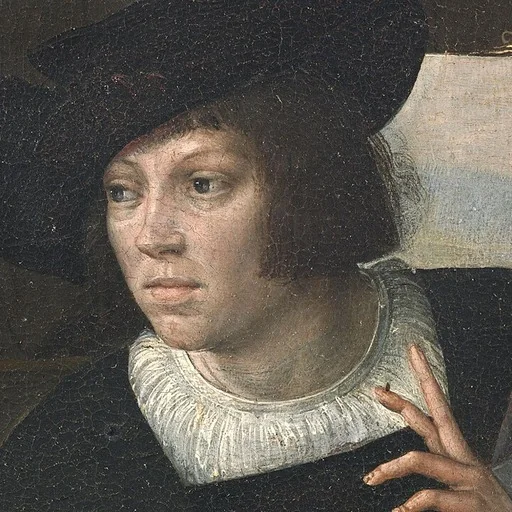
Bernard van Orley (between 1487 and 1491 – 6 January 1541), also called Barend or Barent van Orley, Bernaert van Orley or Barend van Brussel, was a versatile Flemish artist and representative of Dutch and Flemish…

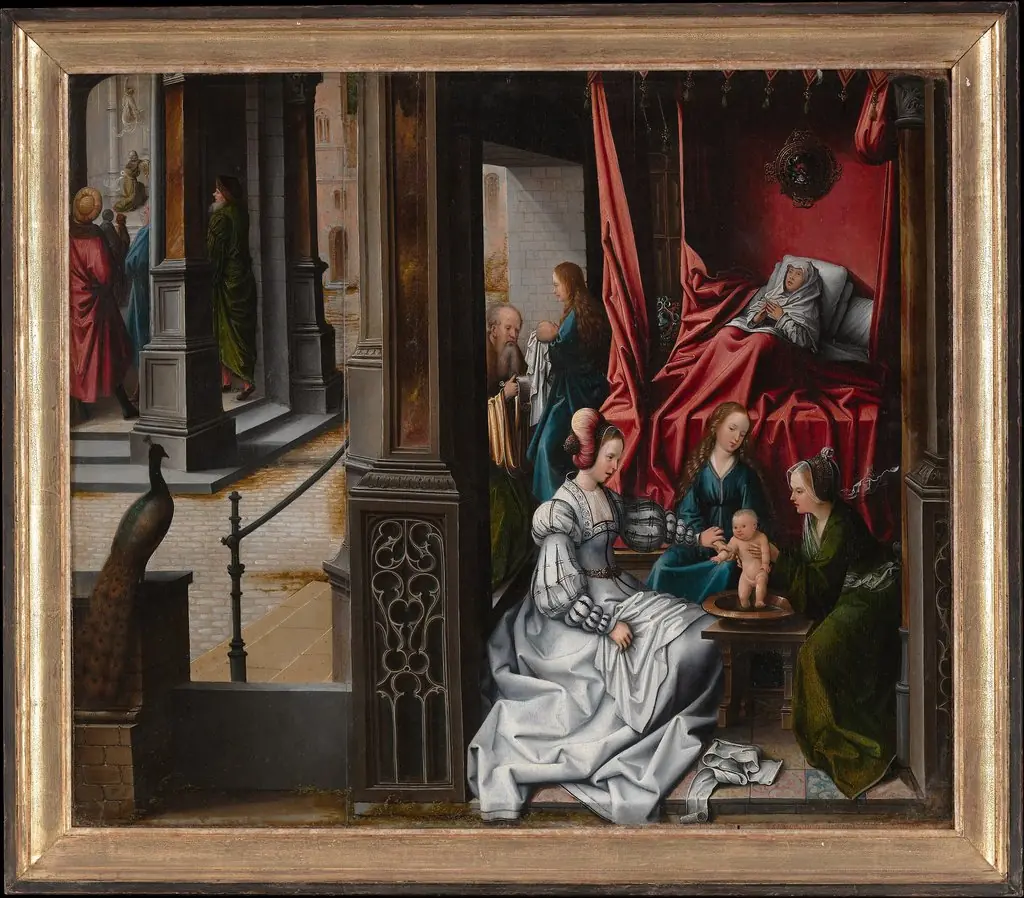 The Birth and Naming of Saint John the Baptist; (reverse) Trompe-l'oeil with Painting of The Man of Sorrows
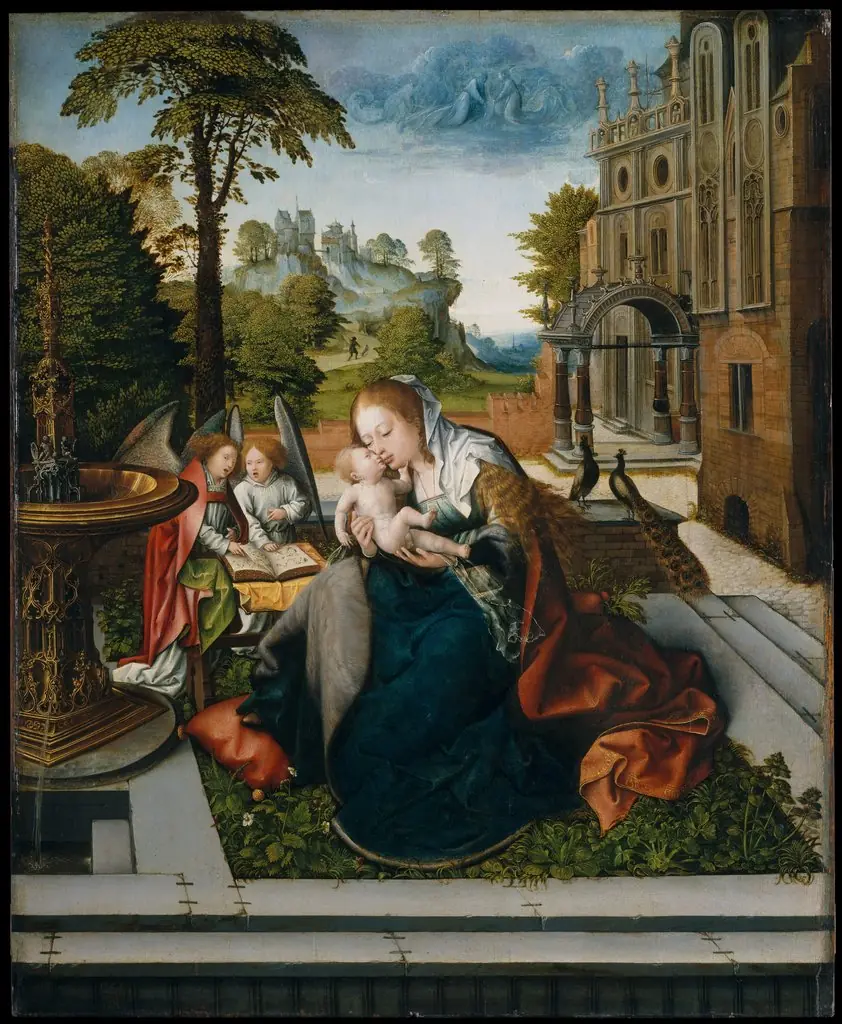 Virgin and Child with Angels
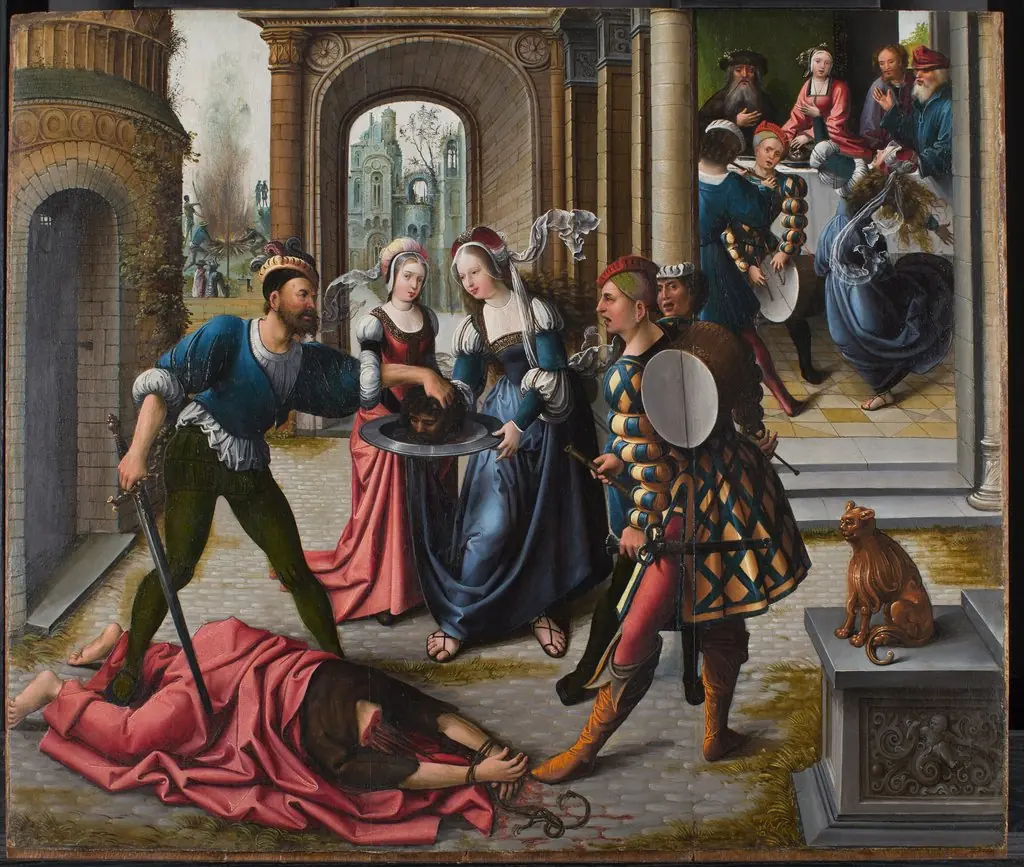 The Martyrdom of Saint John the Baptist
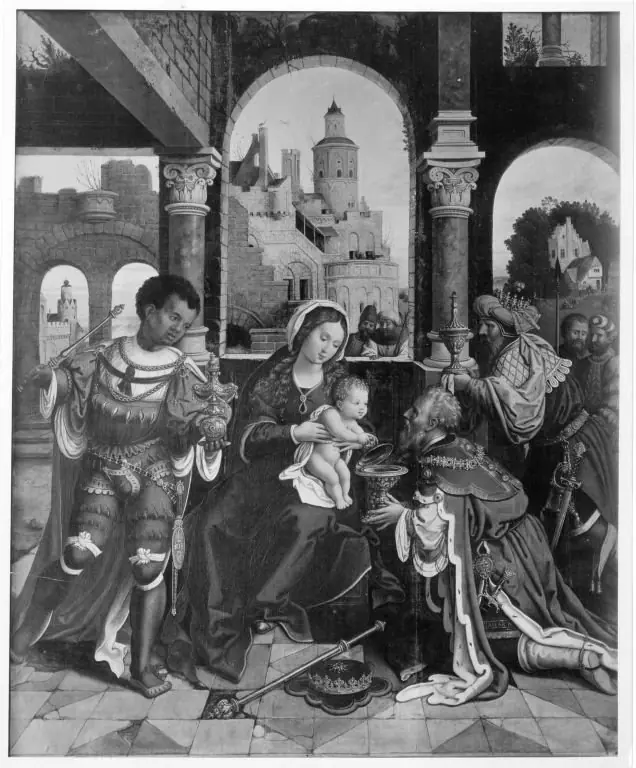 The Adoration of the Magi
![Christ among the Doctors [obverse], by Bernard Van Orley](https://artifactworldgallery.com/img/bernard-van-orley--christ-among-the-doctors-obverse--78795f311364e613-w320.webp) Christ among the Doctors [obverse]
Christ among the Doctors [obverse]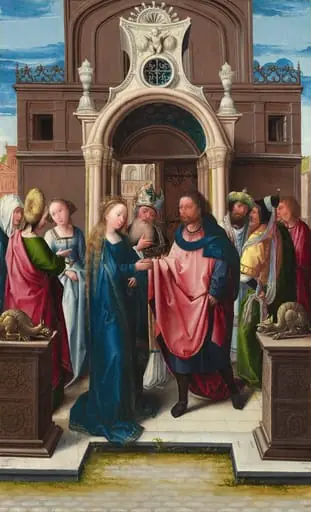 The Marriage of the Virgin
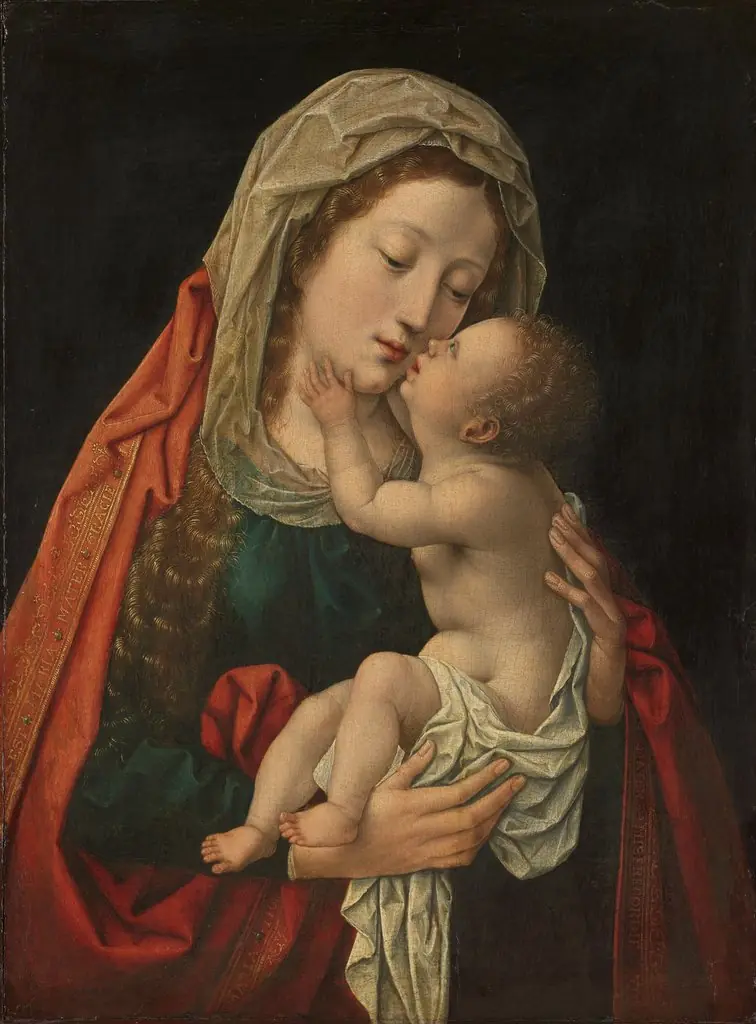 The Virgin and Child
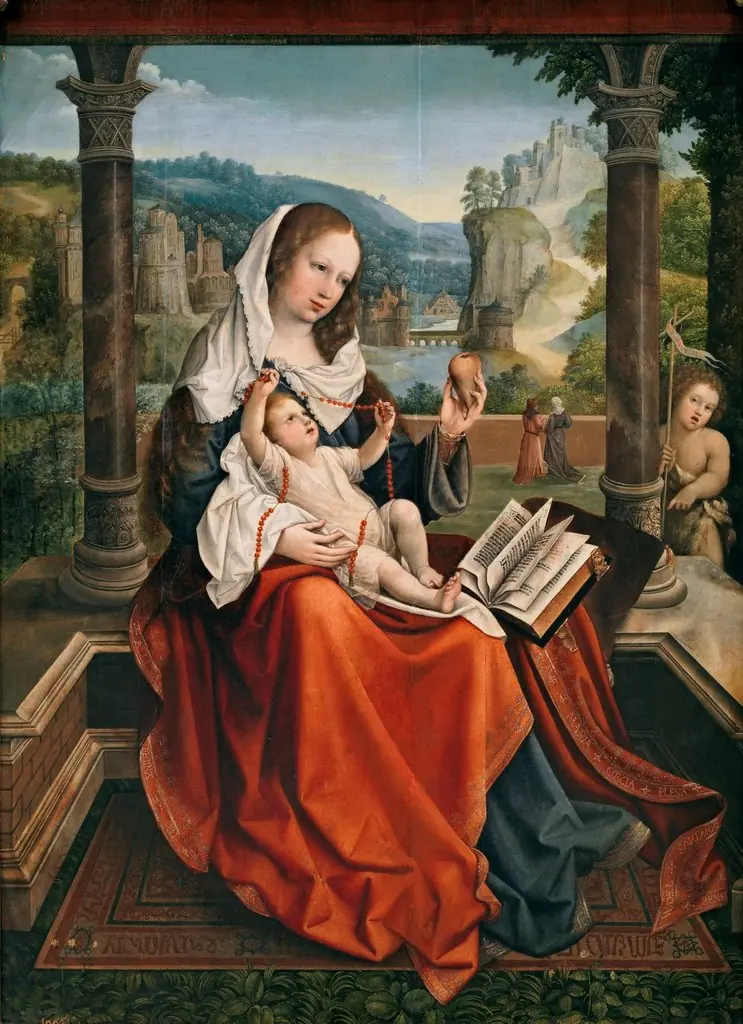 The Virgin and Child with the Infant Saint John the Baptist
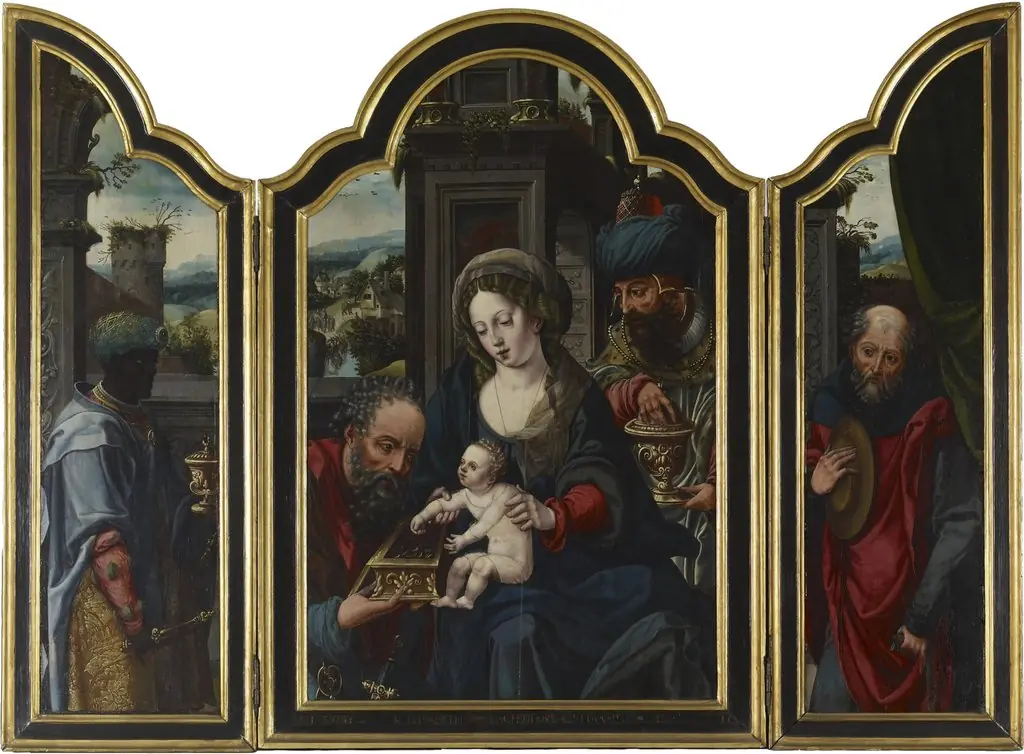 Adoration of the Magi
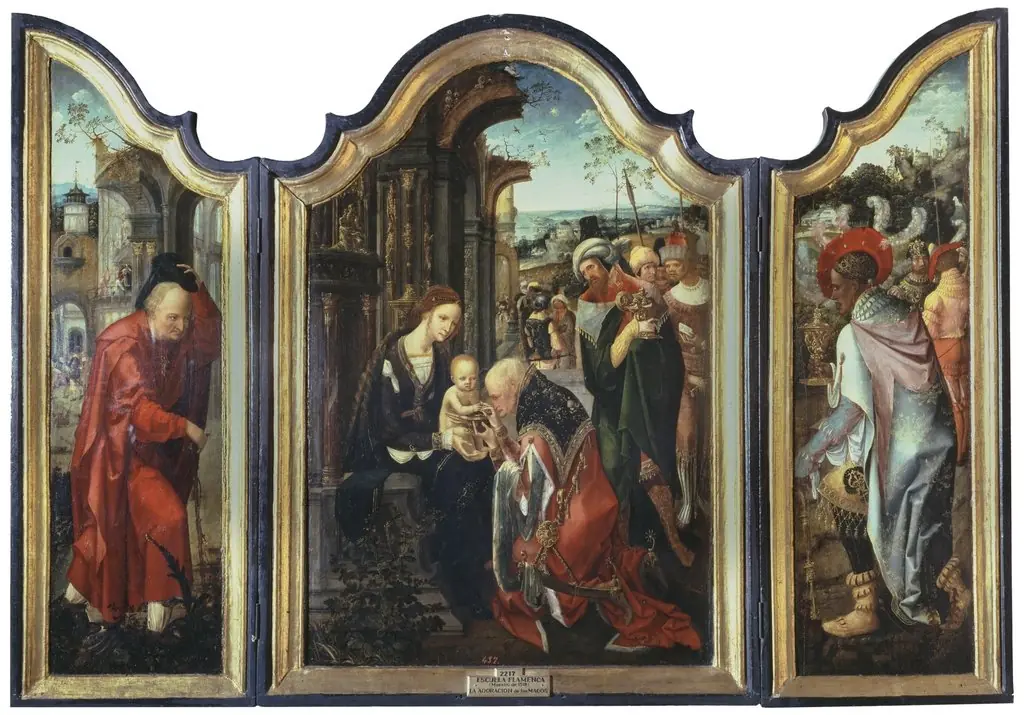 Adoration of the Magi
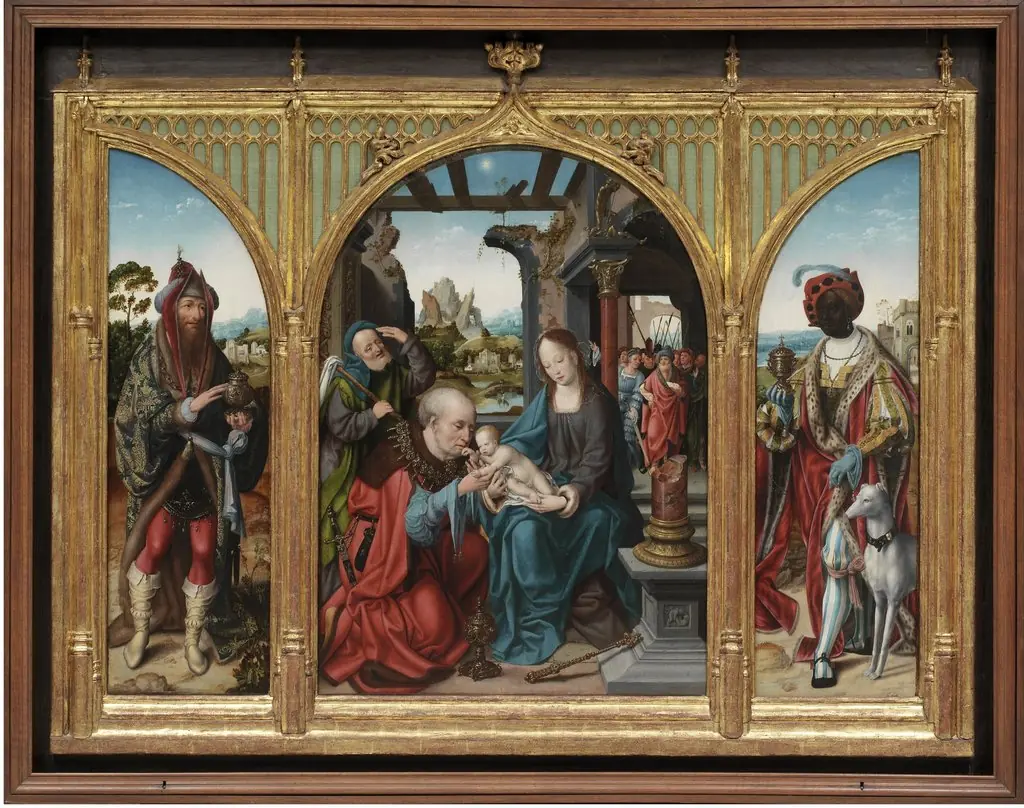 Adoration of the Magi
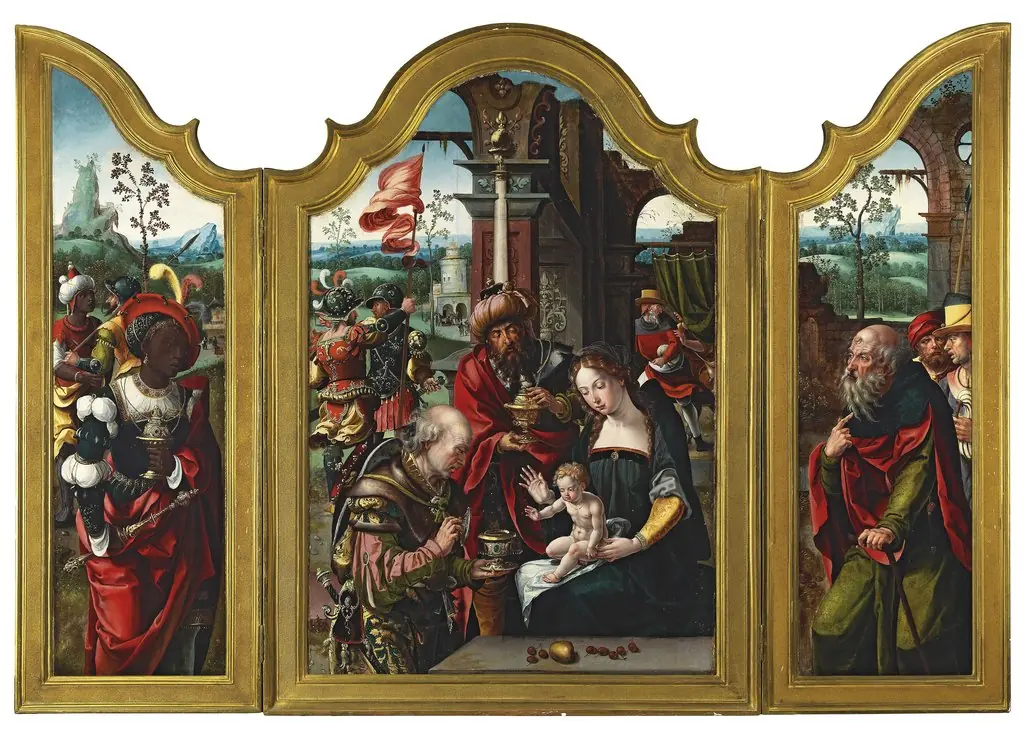 Adoration of the Magi
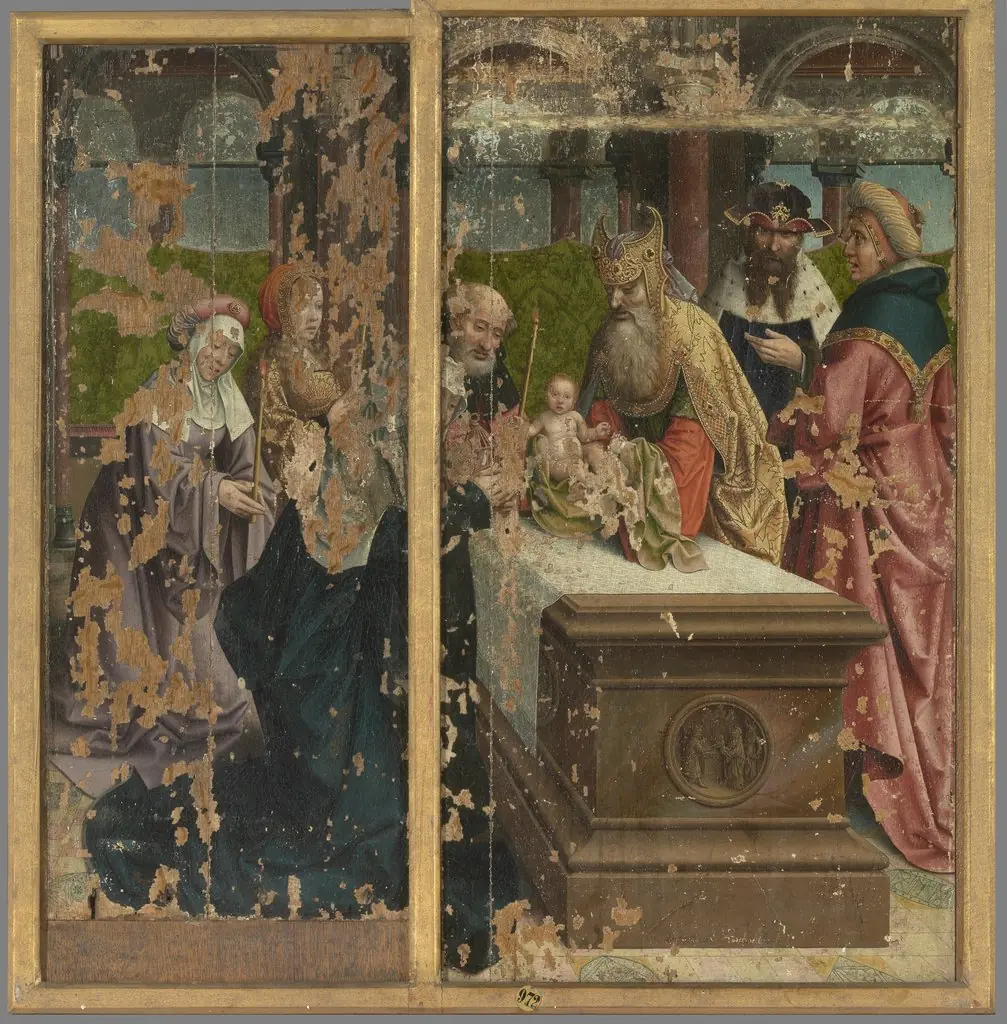 Presentation in the Temple
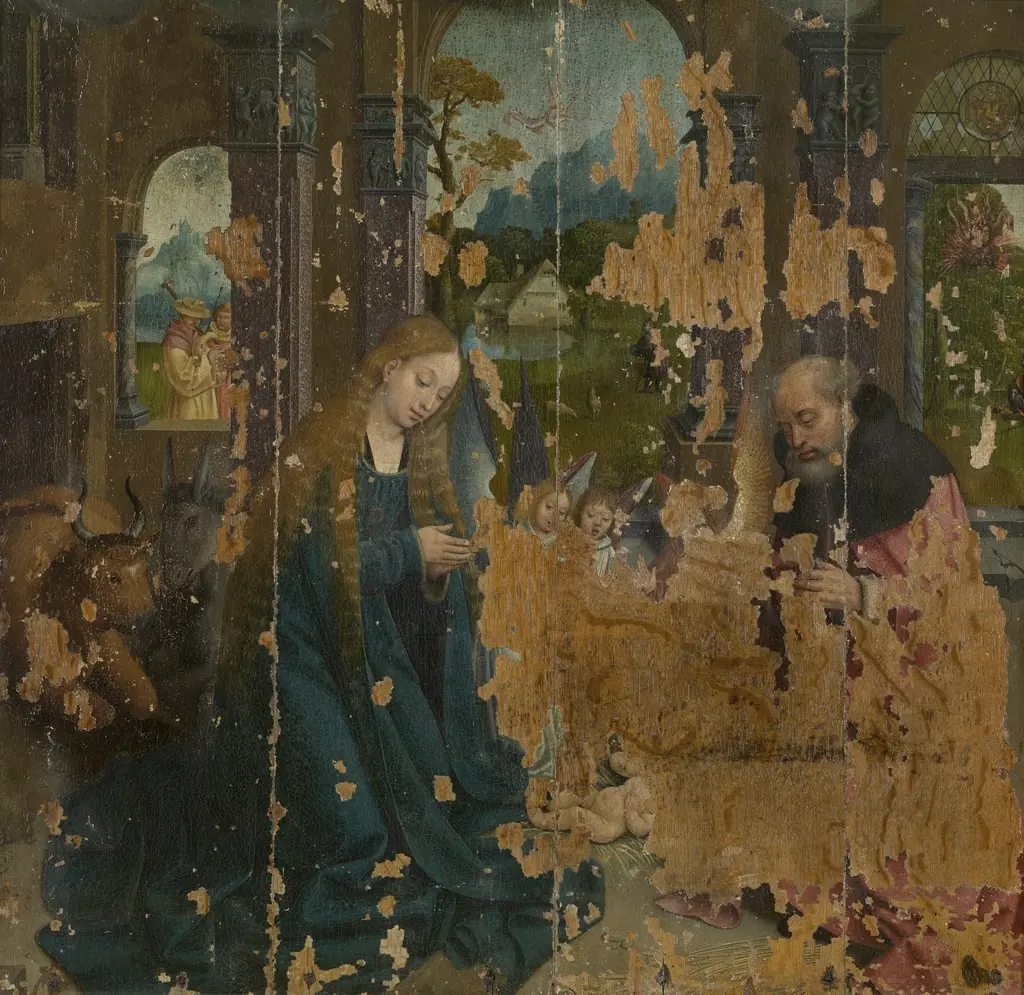 The Nativity
![Altarpiece showing scenes from the Infancy of Christ: The Adoration of the Magi [center]; The Annunciation; The Presentation of Christ in the Temple; The Flight into Egypt; The Nativity [clockwise from upper left], by Master of Hoogstraeten](https://artifactworldgallery.com/img/master-of-hoogstraeten--altarpiece-showing-scenes-from-the-infancy-of-christ-the-ado--6a236bfea3373486-w320.webp) Altarpiece showing scenes from the Infancy of Christ: The Adoration of the Magi [center]; The Annunciation; The Presentation of Christ in the Temple; The Flight into Egypt; The Nativity [clockwise from upper left]
Altarpiece showing scenes from the Infancy of Christ: The Adoration of the Magi [center]; The Annunciation; The Presentation of Christ in the Temple; The Flight into Egypt; The Nativity [clockwise from upper left]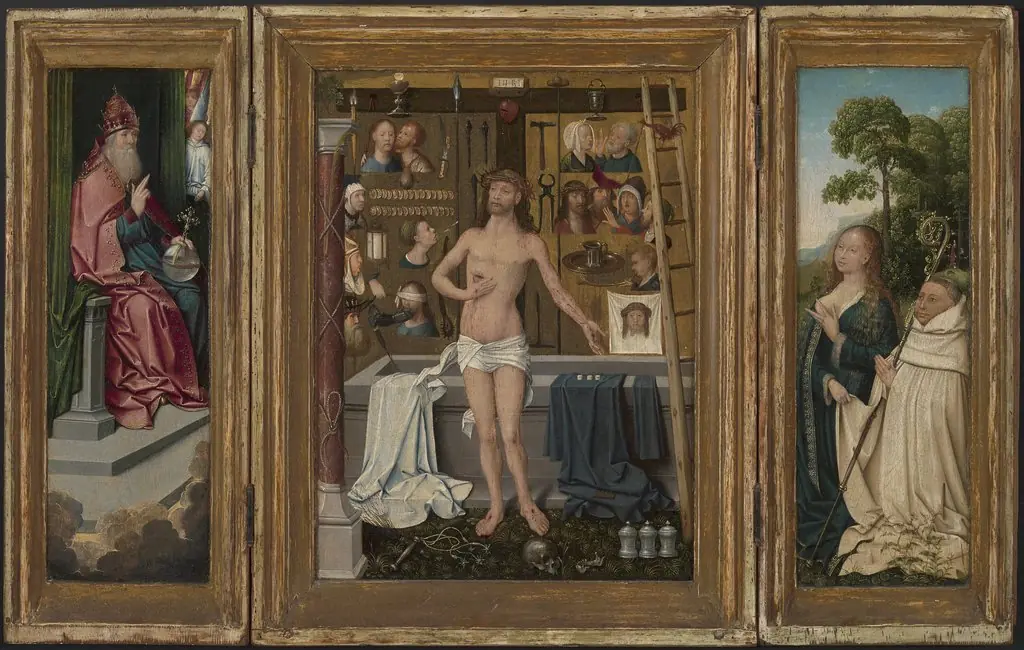 Triptych of Antonius Tsgrooten
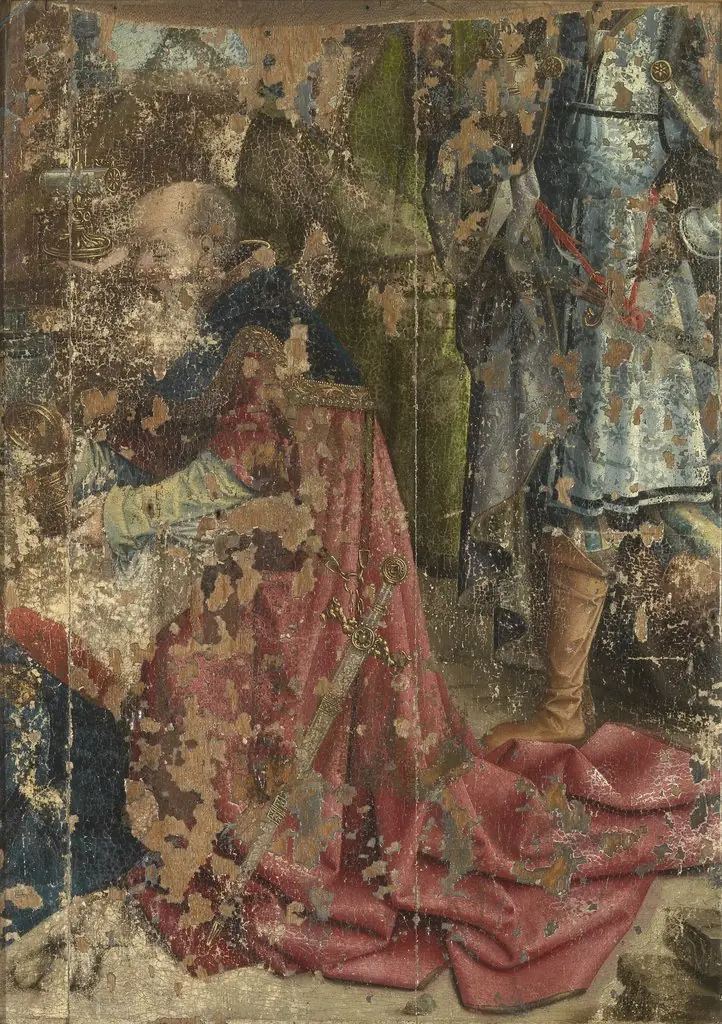 Aanbidding door de koningen
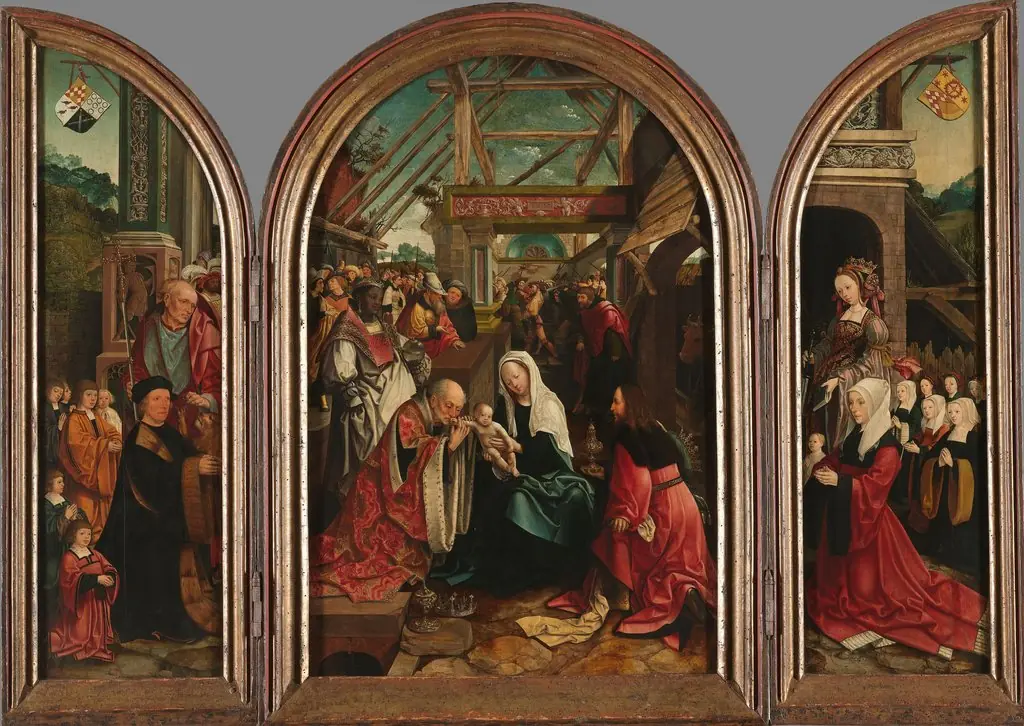 The Adoration of the Magi
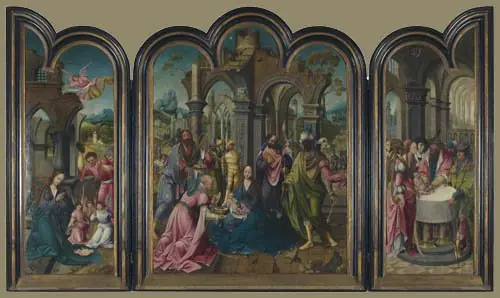 Triptych with adoration by the Magi
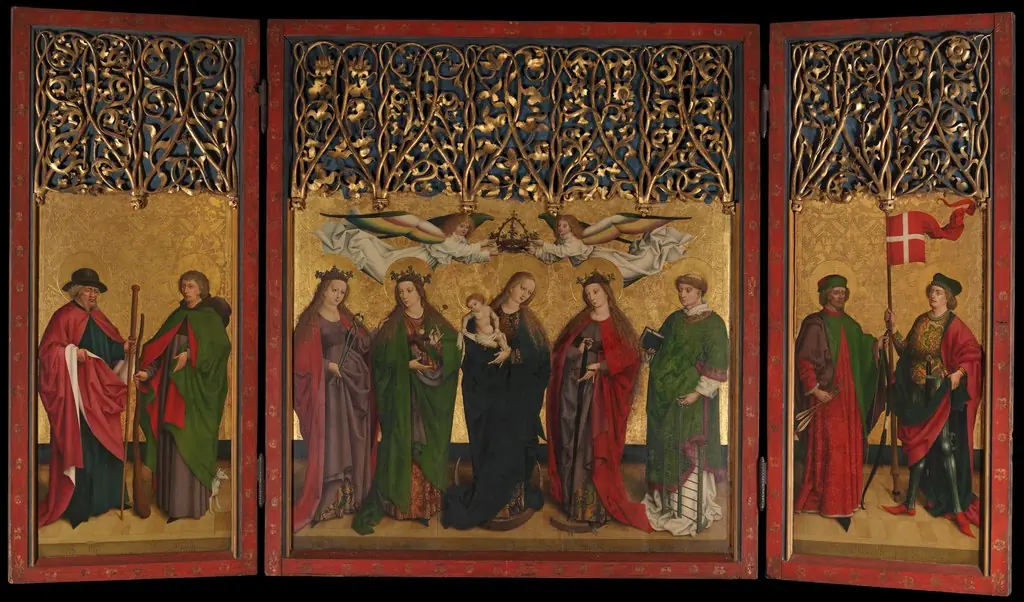 Burg Weiler Altar Triptych