Artwork
La Fornarina
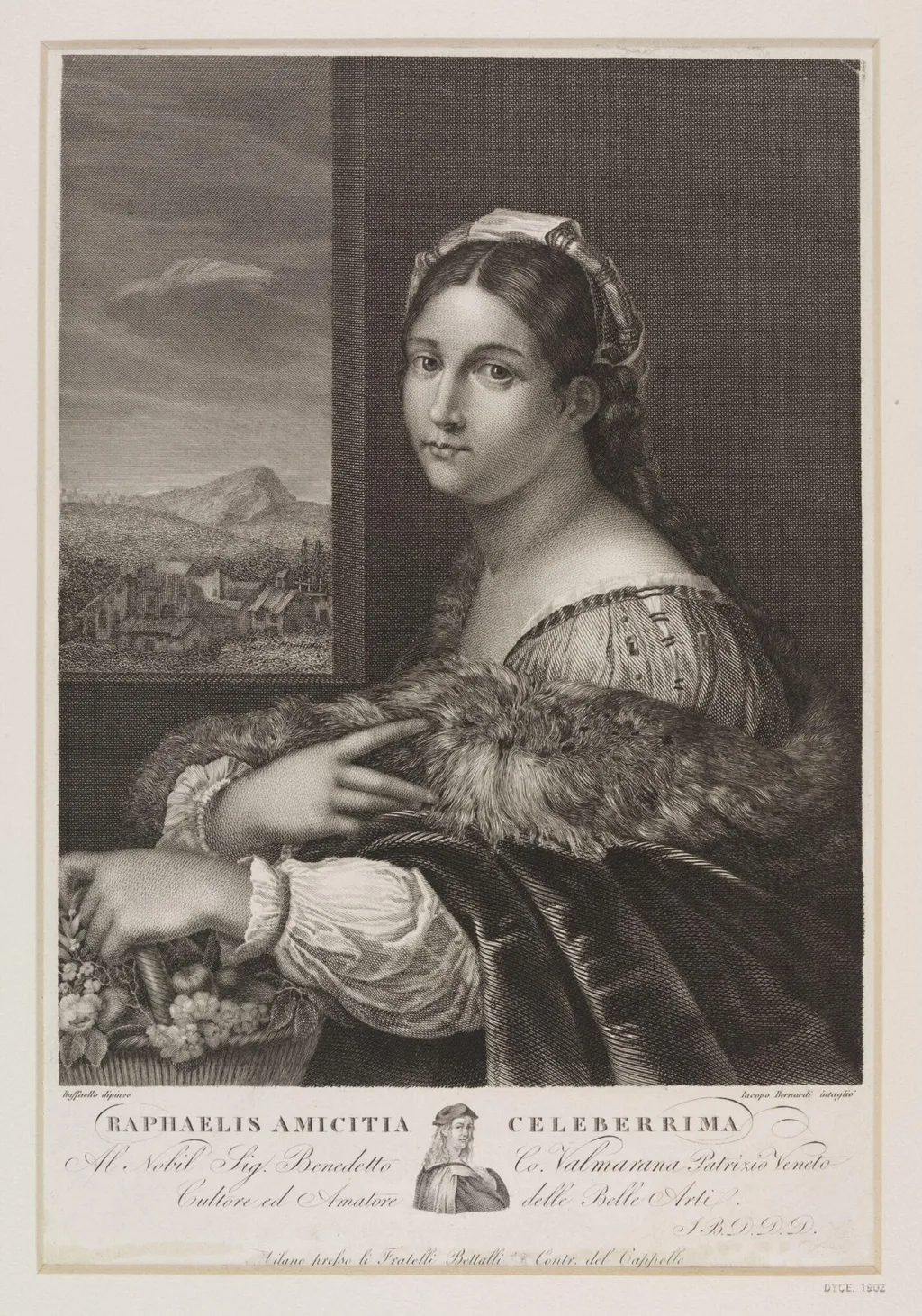
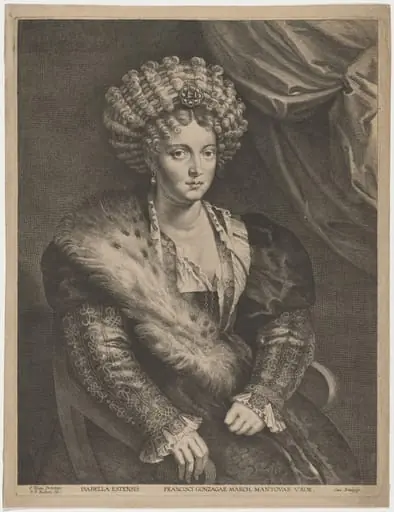
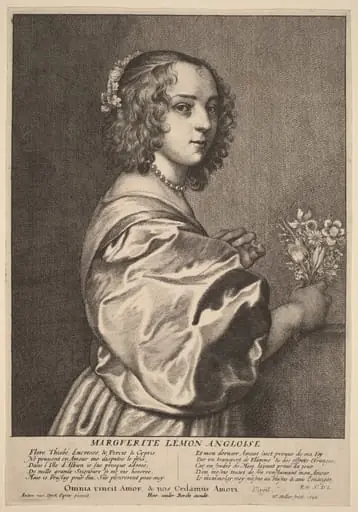
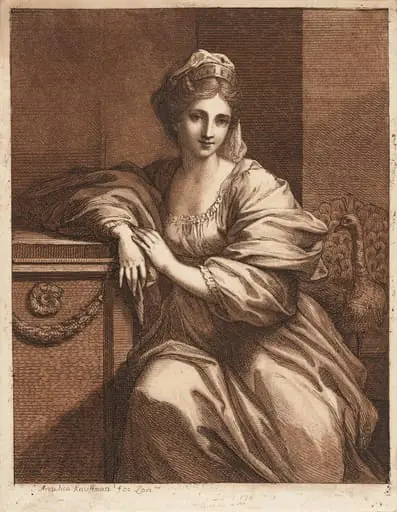
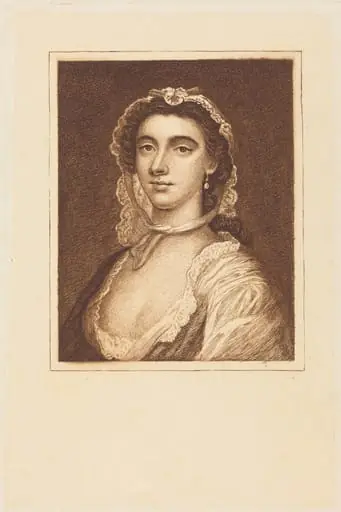
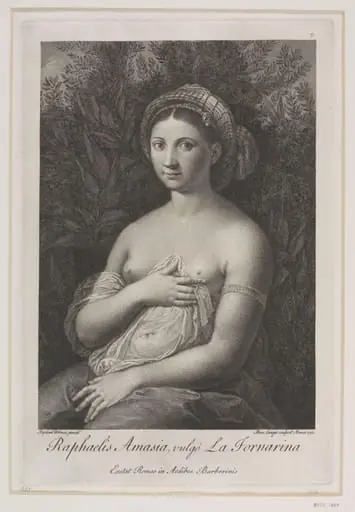
La Fornarina is a print by Jacopo Bernardi. It dates from 1850 and is held in the collection of the Victoria and Albert Museum. This paper print reproduces the composition known as *La Fornarina*, originally painted by Raphael.
About this work
Overview
This paper print reproduces the composition known as *La Fornarina*, originally painted by Raphael. Executed by Jacopo Bernardi, the image translates the Renaissance portrait into a monochrome medium, preserving the subject’s poised stance and the surrounding landscape while emphasizing tonal variation over color.
Subject & Meaning
The figure is a young woman with dark hair, clothed in a cloak edged with fur. She turns slightly to the right, her hands resting on a basket of flowers, and meets the viewer with a calm, direct gaze. The pose and serene expression echo the ideal of contemplative beauty common in early sixteenth‑century portraiture.
Technique & Style
Bernardi employs a range of gray tones to model form, using fine hatching and cross‑hatching to suggest texture in the fur trim, hair, and distant architecture. The print’s gradations create depth, allowing the landscape of buildings and mountains to recede while the figure remains sharply defined.
History & Provenance
The work is a later print after Raphael’s original, produced by Bernardi, an artist known for his skill in translating painted compositions into print. The piece reflects the early modern practice of disseminating celebrated paintings through reproducible media, extending the image’s reach beyond its singular painted source.
Context
*La Fornarina* belongs to a tradition of portraiture that celebrated both personal intimacy and idealized form. By rendering the image in print, Bernardi participated in the broader diffusion of Renaissance aesthetics, making a celebrated subject accessible to a wider audience of collectors and scholars.
Artist & collection
Artist
Jacopo Bernardi’s prints feel like overheard gossip frozen in time—tiny, precise, and full of secrets.