Artwork
Sisenando
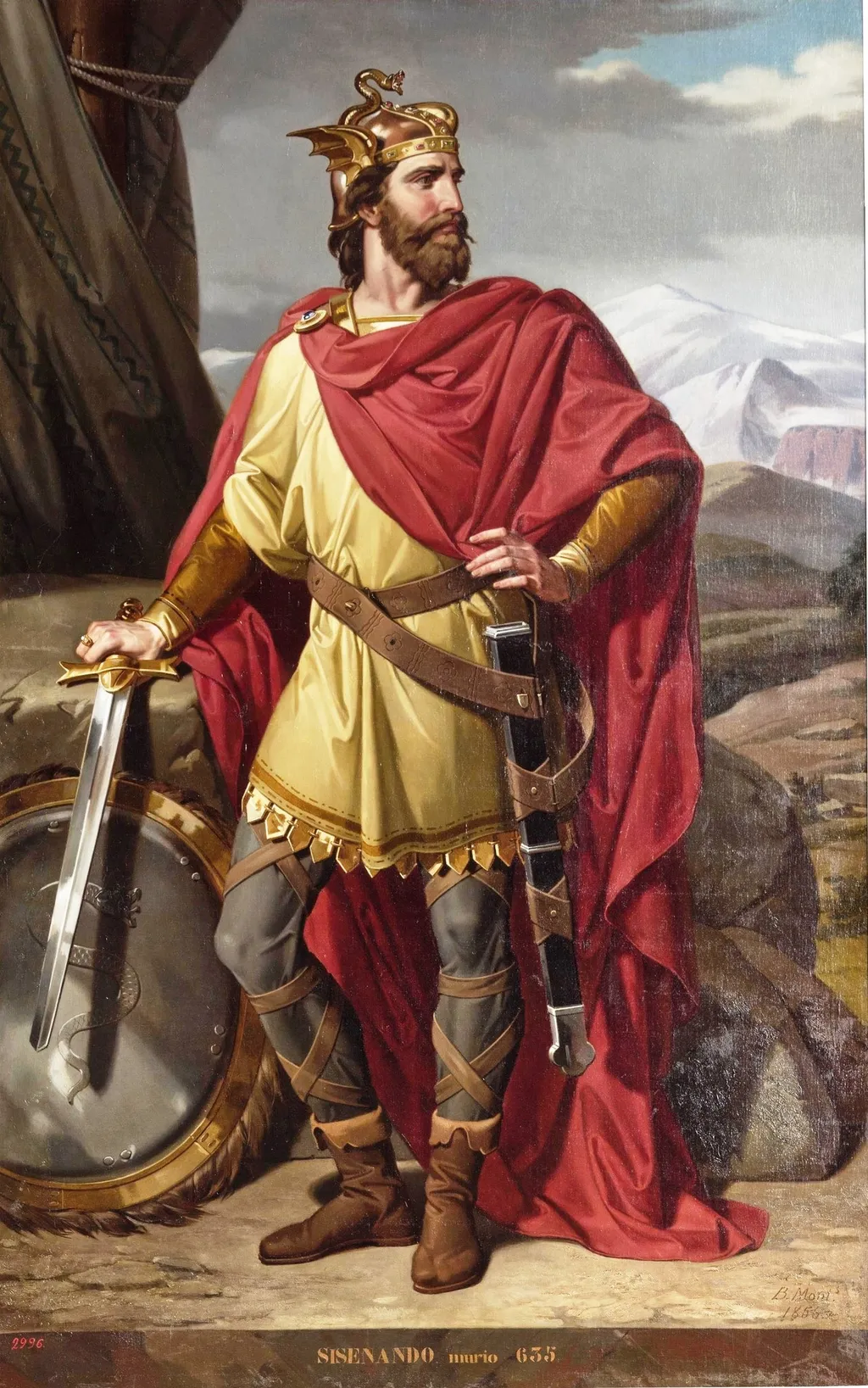
Sisenando is an oil painting by Bernardino Montañés. It dates from 1856 and is held in the collection of the Museo del Prado.
About this work
Overview
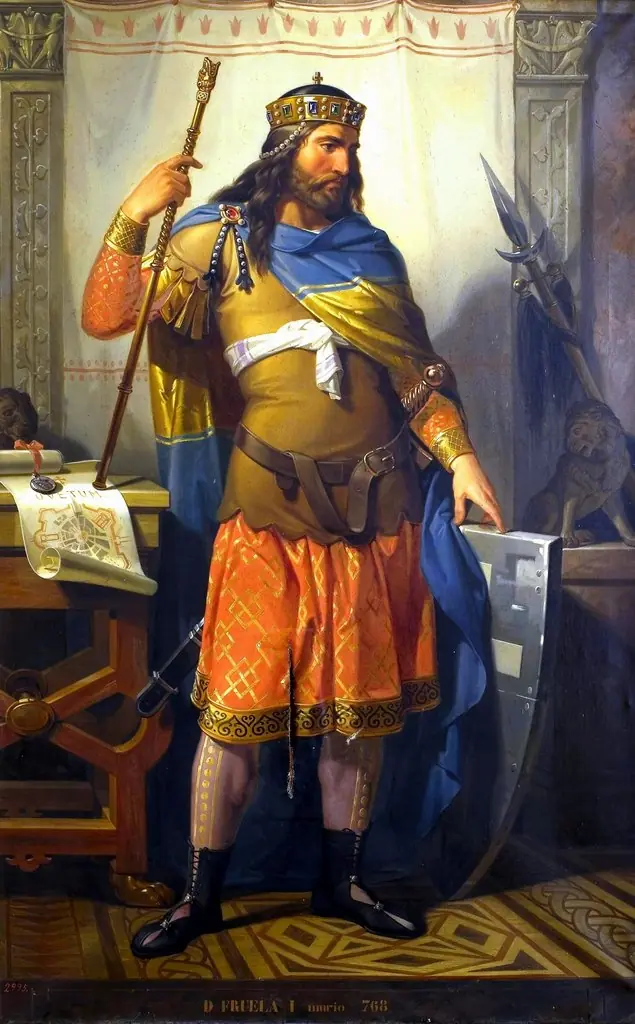
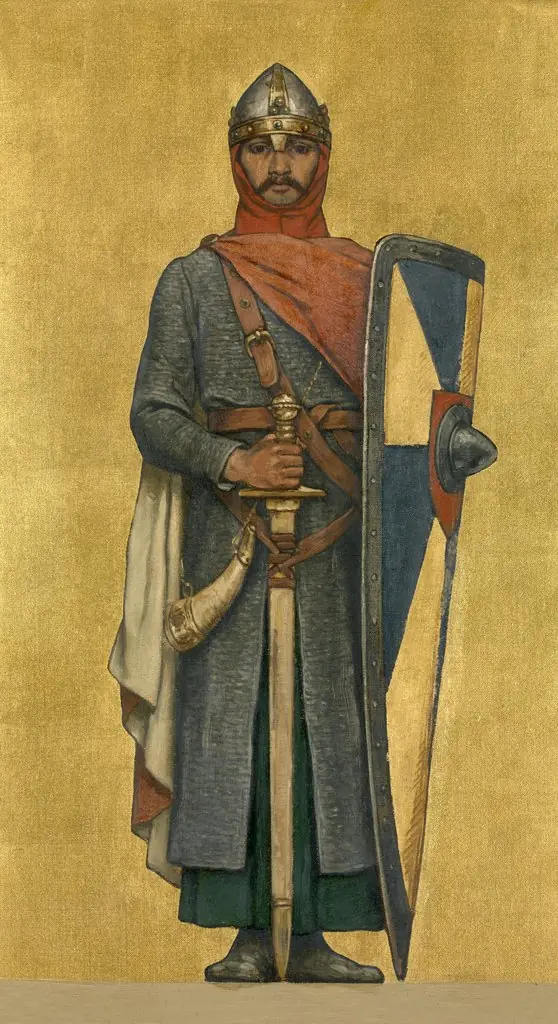
The composition centers on a man with a sword at his hip and a shield resting beside him, set against a dimly lit seascape and distant snow-capped peaks.
Painted in 1856 by Bernardino Montañés, this oil work portrays a solitary figure in military attire, standing before a somber landscape. The composition centers on a man with a sword at his hip and a shield resting beside him, set against a dimly lit seascape and distant snow-capped peaks. The painting resides in the Museo del Prado, where it reflects 19th-century Spanish academic traditions in portraiture and historical imagery.
Subject & Meaning
The figure, dressed in a gold tunic and crimson cloak, appears as a sentinel or noble warrior, his posture firm and expression grave. The shield and sword suggest readiness for defense or duty, while the barren, atmospheric backdrop evokes isolation or transition. No clear historical narrative is given, but the imagery aligns with romanticized ideals of honor and stoicism common in mid-19th-century Spanish art.
Technique & Style
Montañés employs a restrained palette dominated by muted grays and browns, allowing the gold trim of the shield and the red cloak to command attention. Brushwork is precise yet subdued, emphasizing texture in fabric and metal without overt flourish. The background fades into soft atmospheric perspective, guiding focus toward the figure’s stillness and the weight of his equipment.
History & Provenance
The painting entered the Museo del Prado’s collection shortly after its completion in 1856. It was likely acquired as part of the Spanish state’s efforts to document contemporary artistic production. No significant changes in ownership are recorded, and it has remained in the museum’s permanent holdings since the mid-19th century.
Context
Created during a period of political instability in Spain, the painting reflects a cultural turn toward symbolic, introspective figures rather than overt historical scenes. Montañés, trained in academic traditions, aligned with state-sponsored ideals that valued dignity and discipline. The work resonates with contemporaneous efforts to define national identity through quiet, emblematic imagery.
Legacy
Though not widely reproduced or studied today, the painting exemplifies the quiet, symbolic mode of Spanish academic art in the mid-1800s. It stands as a modest but deliberate expression of martial virtue, offering insight into how visual culture navigated themes of duty and solitude during a time of national transition.
Artist & collection