Artwork
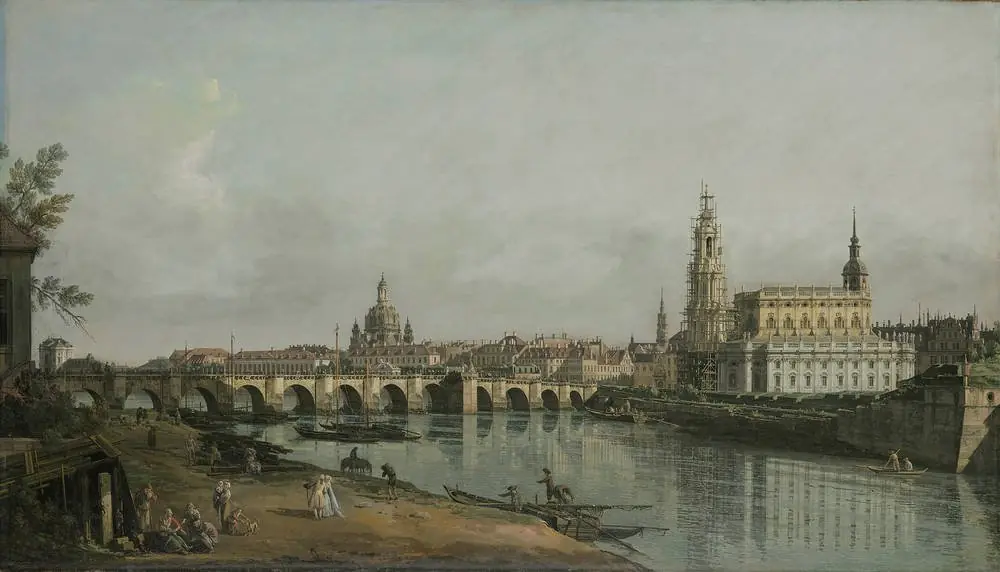
Dresden From the Right Bank of the Elbe Below the Augustus Bridge
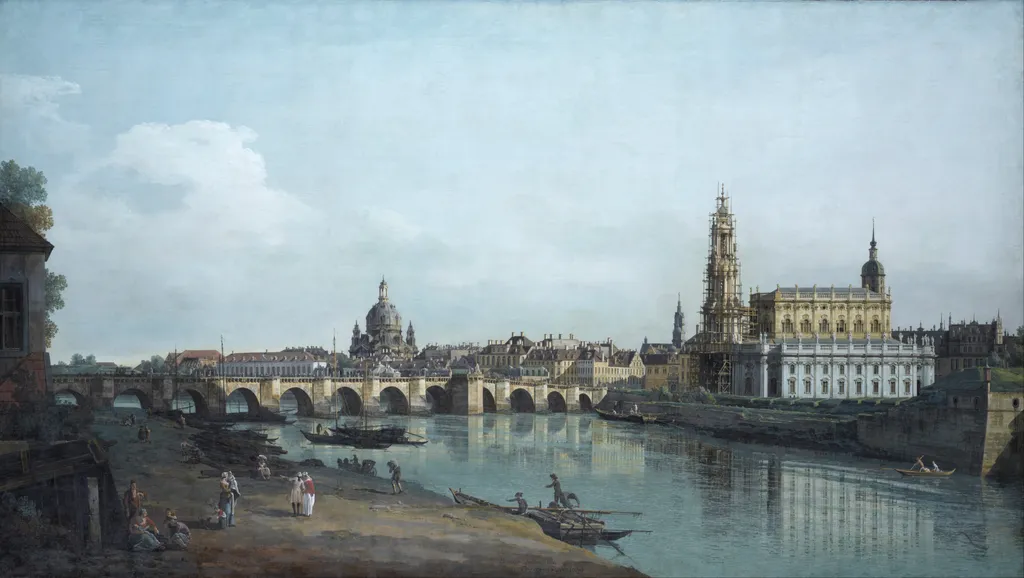
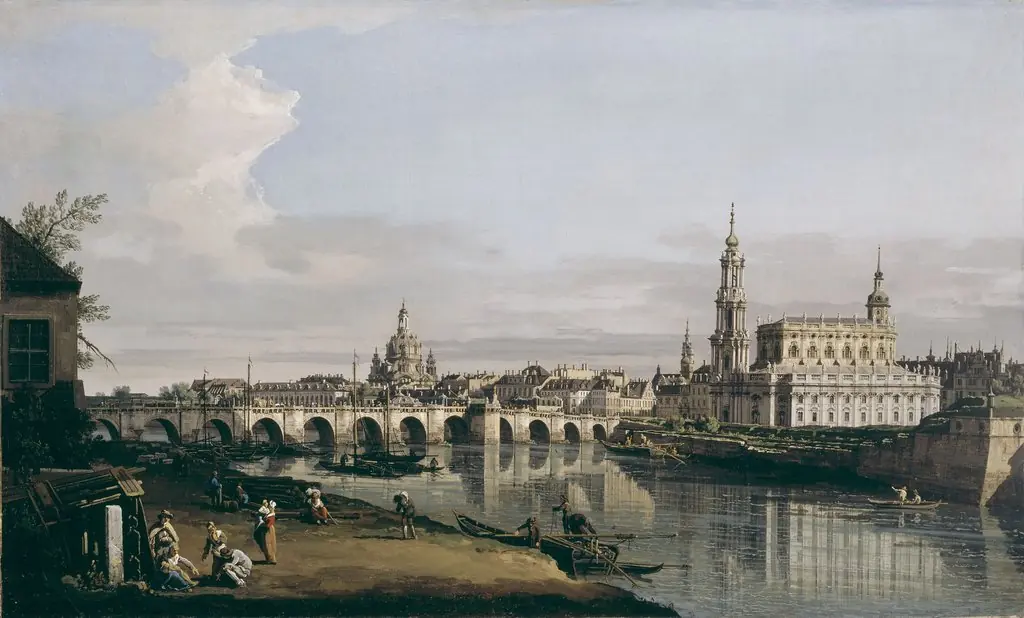
Dresden From the Right Bank of the Elbe Below the Augustus Bridge is an oil painting by the Rococo painting artist Bernardo Bellotto. It dates from 1748 and is held in the collection of the Staatliche Kunstsammlungen Dresden.
About this work
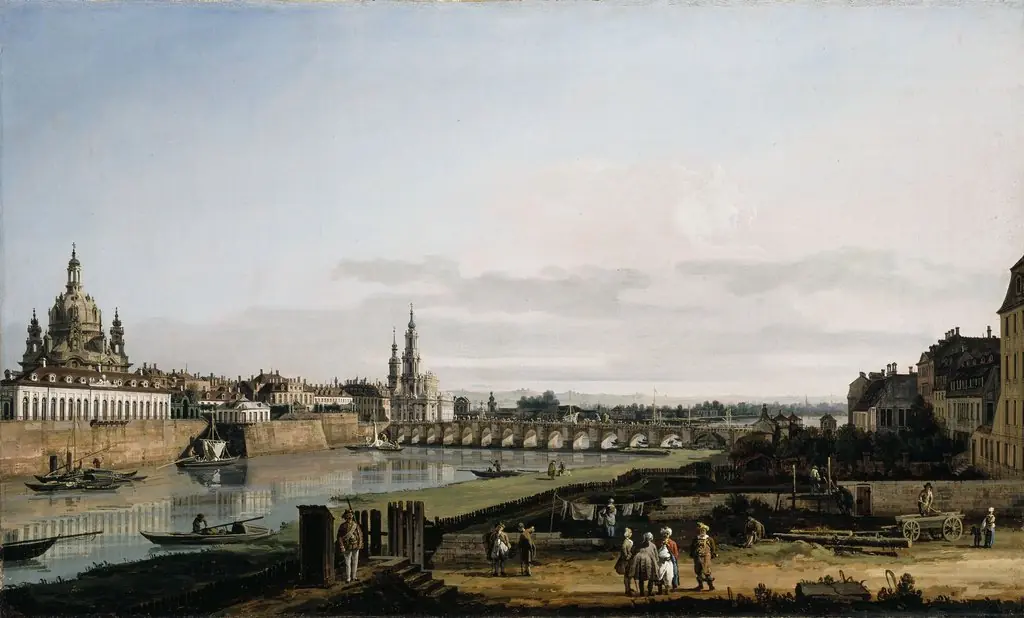
Bellotto made two paintings of Dresden from the Elbe’s banks—one from above the bridge, one from below.
This painting shows a wide river view of Dresden in 1748. Italian artist Bernardo Bellotto painted it with oil on canvas. The scene includes big landmarks like the Frauenkirche and Cathedral.
Bellotto made two paintings of Dresden from the Elbe’s banks—one from above the bridge, one from below. Both now sit in the same museum. Experts use these pictures to restore parts of Dresden after the war.
Look up the Gemäldegalerie Alte Meister.
Overview
Executed in 1748, this oil on canvas presents a panoramic view of Dresden as seen from the right bank of the Elbe, below the Augustus Bridge. The composition includes the city’s prominent baroque landmarks, notably the Frauenkirche and the Dresden Cathedral, framed by the river’s expanse and the bridge’s arches.
Subject & Meaning
The painting records a specific urban vista, emphasizing the relationship between Dresden’s architectural grandeur and its riverine setting. By focusing on the right bank, Bellotto highlights the civic pride embodied in the churches and bridge, offering a visual narrative of the city’s spatial organization in the mid‑18th century.
Technique & Style
Bernardo Bellotto employed meticulous linear perspective and a refined palette typical of his vedute tradition. His handling of light captures the reflective quality of the water, while fine brushwork renders architectural details with photographic precision, reflecting the Italian school’s influence on Northern European cityscapes.
History & Provenance
Created a year after Bellotto’s companion view from above the Augustus Bridge, the work entered the collection of Dresden’s Gemäldegalerie Alte Meister, where it remains. Both canvases have been retained in the museum’s permanent holdings, providing a continuous record of the city’s appearance before later destruction.
Legacy
The two Dresden vedute have served as essential reference material for post‑World War II reconstruction efforts. Architects and conservators consulted Bellotto’s precise depictions to restore the Frauenkirche, cathedral, and surrounding urban fabric, underscoring the painting’s practical value beyond its artistic merit.
Own this work as a print
Artist & collection
Artist
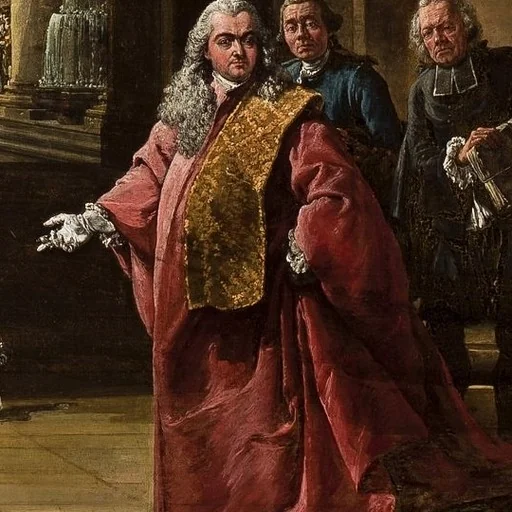
Bernardo Bellotto, was an Italian urban landscape painter or vedutista, and printmaker in etching famous for his vedute of European cities – Dresden, Vienna, Turin, and Warsaw.

 Dresden from the Right Bank of the Elbe below the Augustus Bridge
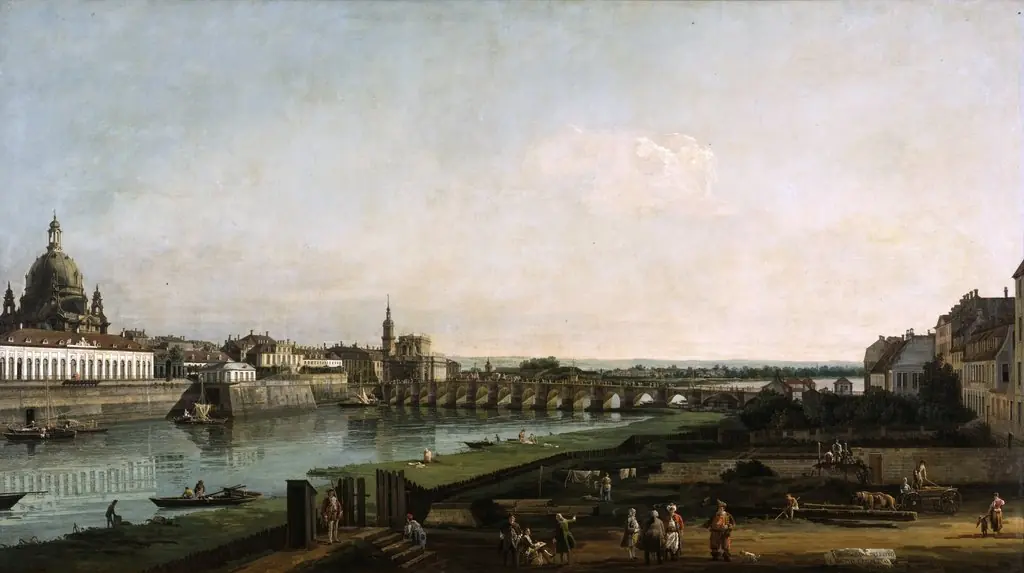 Dresden from the Right Bank of the Elbe, above the Augustusbrücke
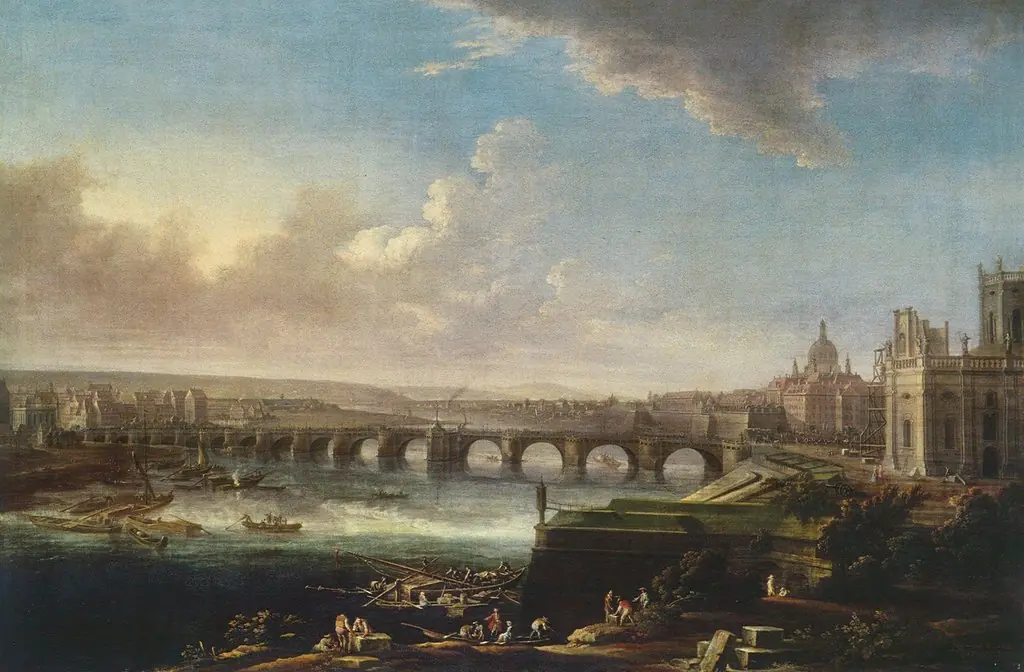 View of Dresden with the Augustus Bridge
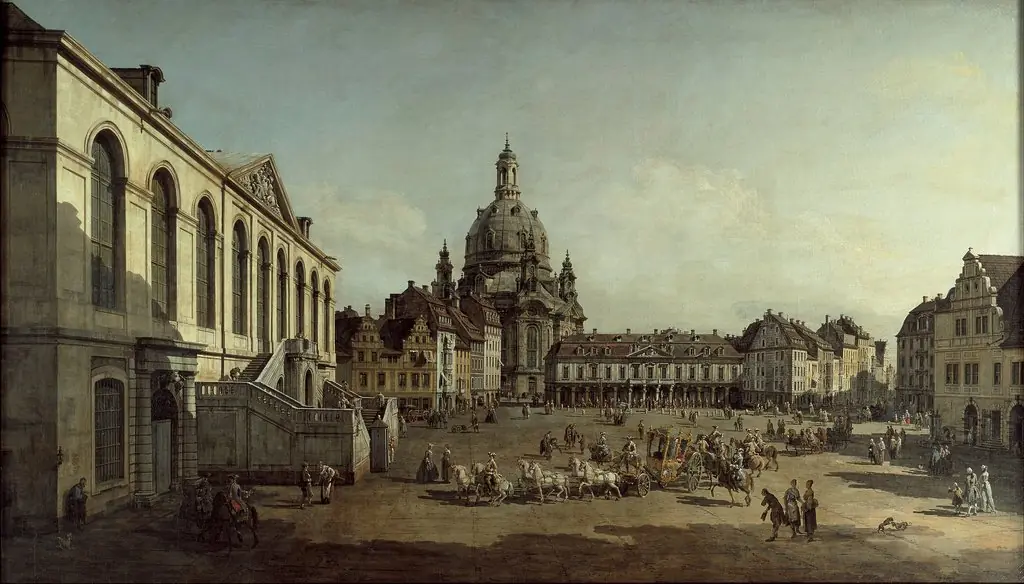 View of the Neumarkt in Dresden from the Jüdenhofe
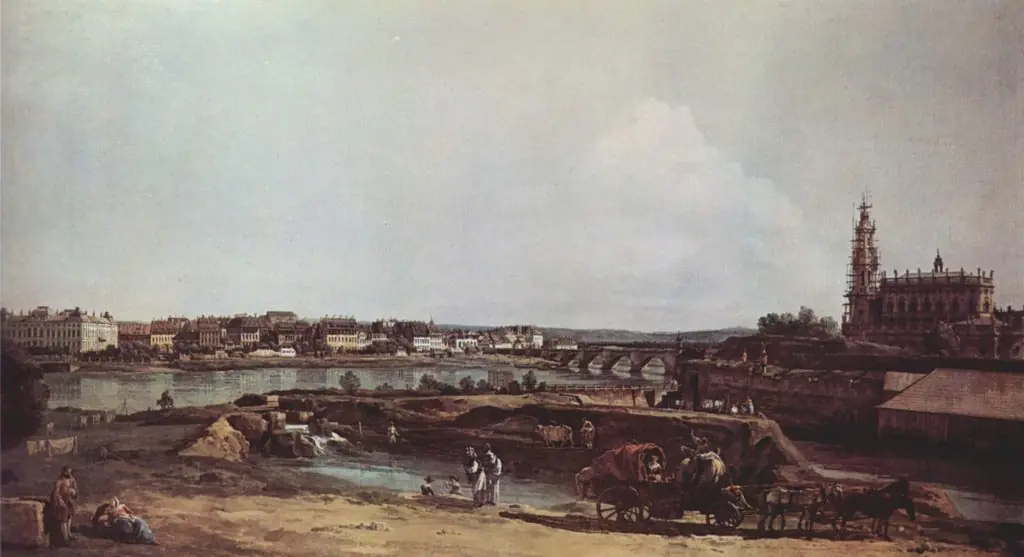 Dresden from the Left Bank of the Elbe, below the Fortifications
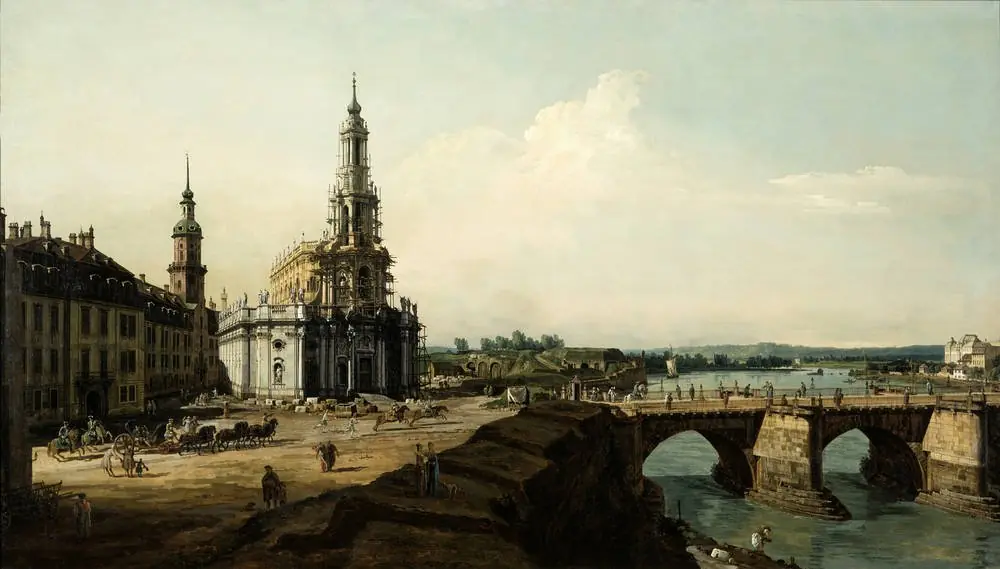 Dresden from the left Bank of the Elbe above the Bridgehead of the Old Town
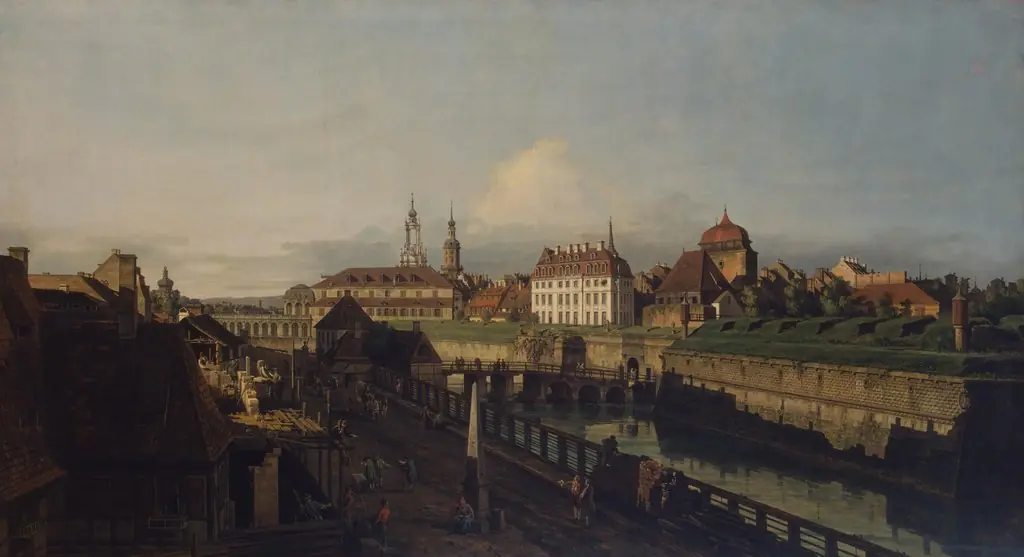 Old Fortifications of Dresden
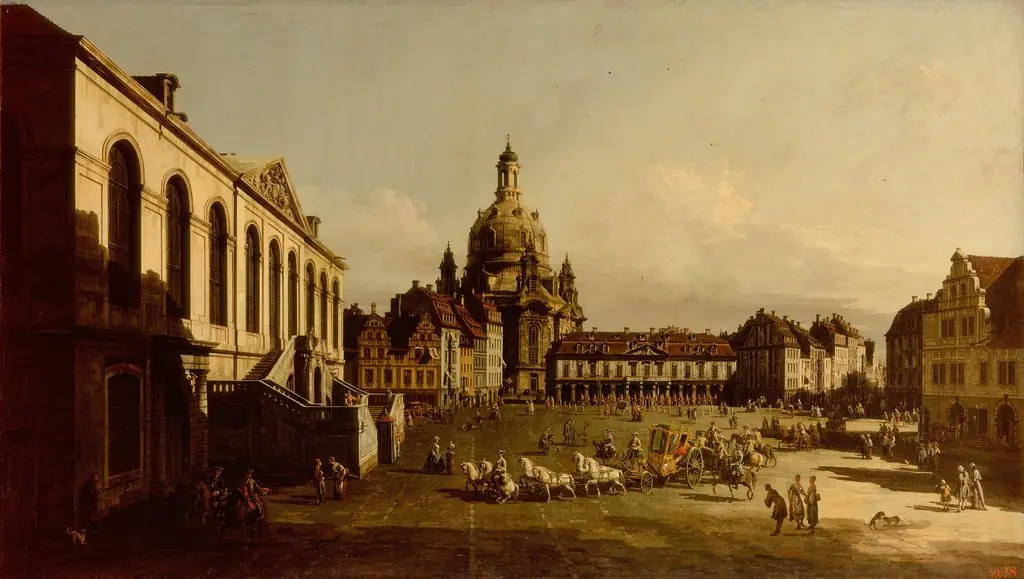 New Market Place in Dresden
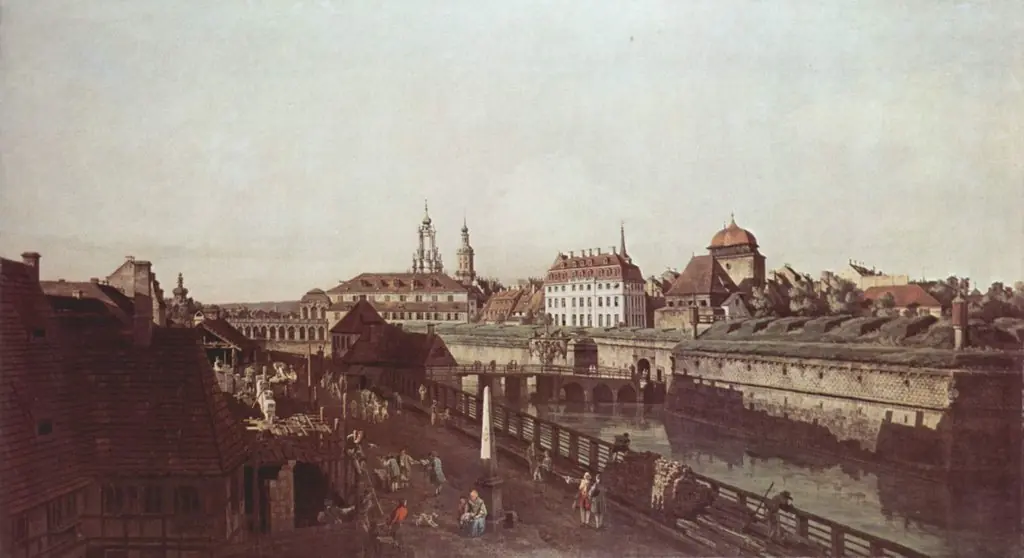 The Old Fortifications in Dresden
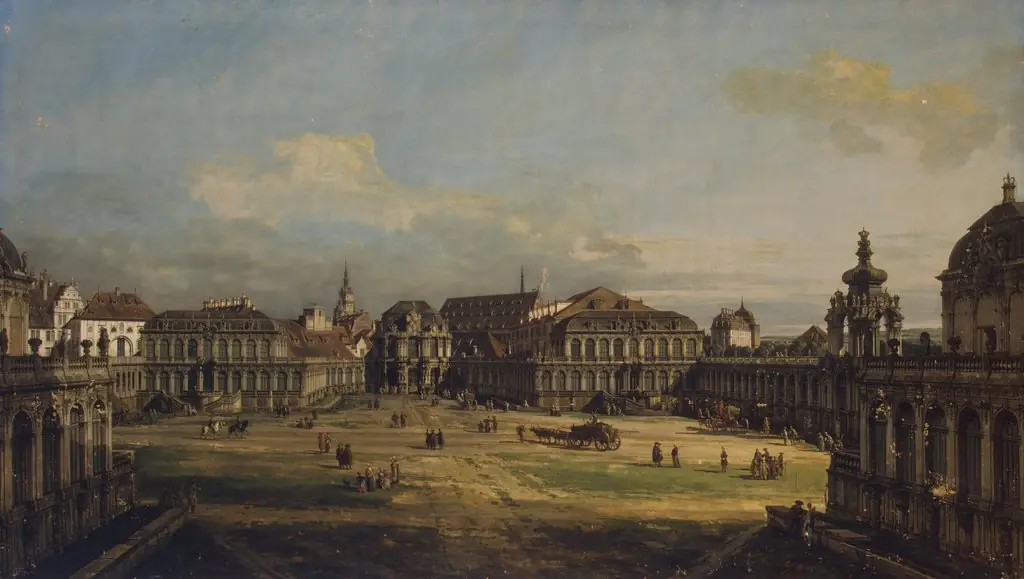 Zwinger in Dresden