Artwork
Massacre of the Innocents
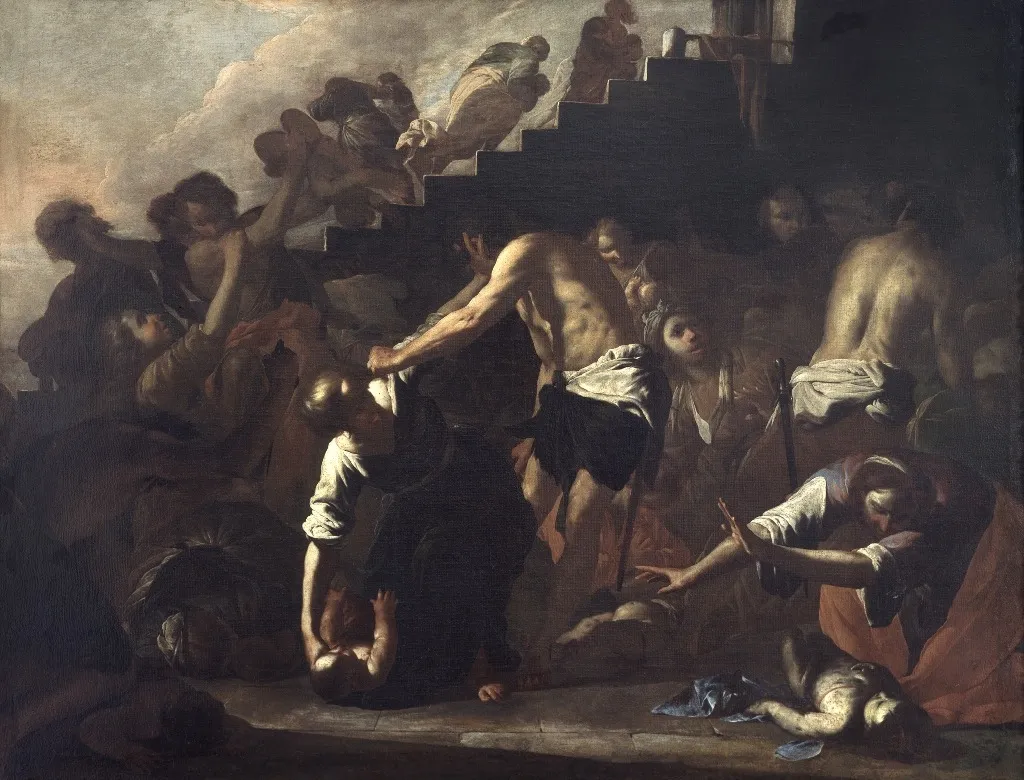
Massacre of the Innocents is an oil painting by the Early Baroque Italian artist Bernardo Cavallino. It dates from 1640 and is held in the collection of the Pinacoteca di Brera.
About this work
Overview
Painted in 1640 by Bernardo Cavallino, *Massacre of the Innocents* is an oil-on-canvas work rooted in the early Baroque tradition of Naples.
Painted in 1640 by Bernardo Cavallino, *Massacre of the Innocents* is an oil-on-canvas work rooted in the early Baroque tradition of Naples. It depicts a violent episode from the Gospel of Matthew, rendered with emotional gravity and dramatic lighting. The painting resides in the Pinacoteca di Brera in Milan, where it stands as a representative example of Cavallino’s mature style—marked by heightened expressiveness and a refined interplay of light and shadow.
Subject & Meaning
The scene illustrates Herod’s order to kill male infants in Bethlehem, a biblical act of terror meant to eliminate the newborn Christ. Cavallino captures the chaos of the moment: a soldier drags a child’s father away, while a mother reaches out in despair. The composition emphasizes helplessness and grief, transforming the narrative into a visceral meditation on power, innocence, and suffering, consistent with Counter-Reformation themes of martyrdom and divine tragedy.
Technique & Style
Cavallino employs chiaroscuro to sculpt forms and intensify emotional tension, drawing from Caravaggisti traditions while softening their harshness with a lyrical delicacy. Figures are arranged in intimate, gestural groupings, their poses charged with theatrical sorrow. His palette favors muted earth tones punctuated by warm highlights, and his brushwork balances precision with fluidity, reflecting influences from Van Dyck and Stanzione without direct imitation.
History & Provenance
Commissioned during Cavallino’s most productive years in Naples, the painting entered the Pinacoteca di Brera’s collection in the early 19th century, likely through the Napoleonic suppression of religious institutions. Its attribution has remained stable, though its emotional intensity once drew comparisons to more famous contemporaries. It has been exhibited periodically since its acquisition, consistently noted for its restrained yet powerful handling of a harrowing subject.
Context
Created amid the religious fervor of Counter-Reformation Italy, the painting responds to a cultural demand for emotionally engaging sacred narratives. Naples, then under Spanish rule, was a hub where Roman Baroque drama met local sensibilities. Cavallino’s version diverges from grandiose depictions by focusing on quiet, personal anguish—aligning with a trend toward intimate, psychologically nuanced religious scenes favored by Neapolitan patrons.
Legacy
Though less widely known than his peers, Cavallino’s *Massacre of the Innocents* influenced later Neapolitan painters through its synthesis of emotional subtlety and dramatic lighting. It remains a key example of how Baroque religious art could convey trauma without spectacle, prioritizing human vulnerability over grandeur. Scholars recognize it as a refined, understated contribution to the evolution of sacred painting in southern Italy.
Artist & collection

Artist
Bernardo Cavallino (25 August 1616 – 1656) was an Italian painter and draughtsman.

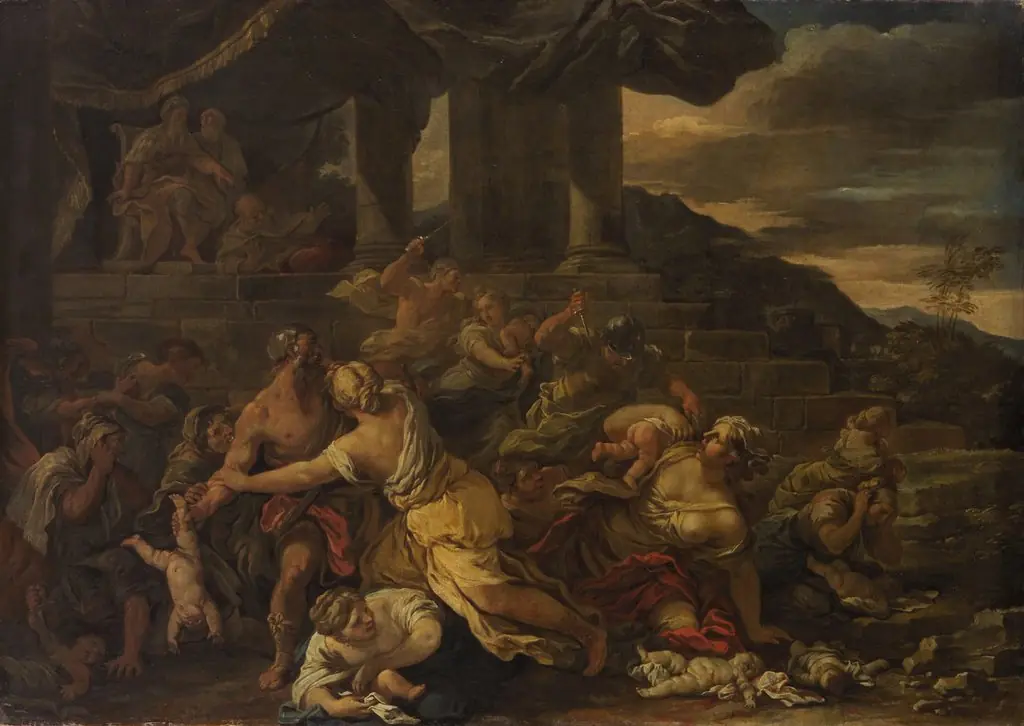 Killing of the Children in Bethlehem
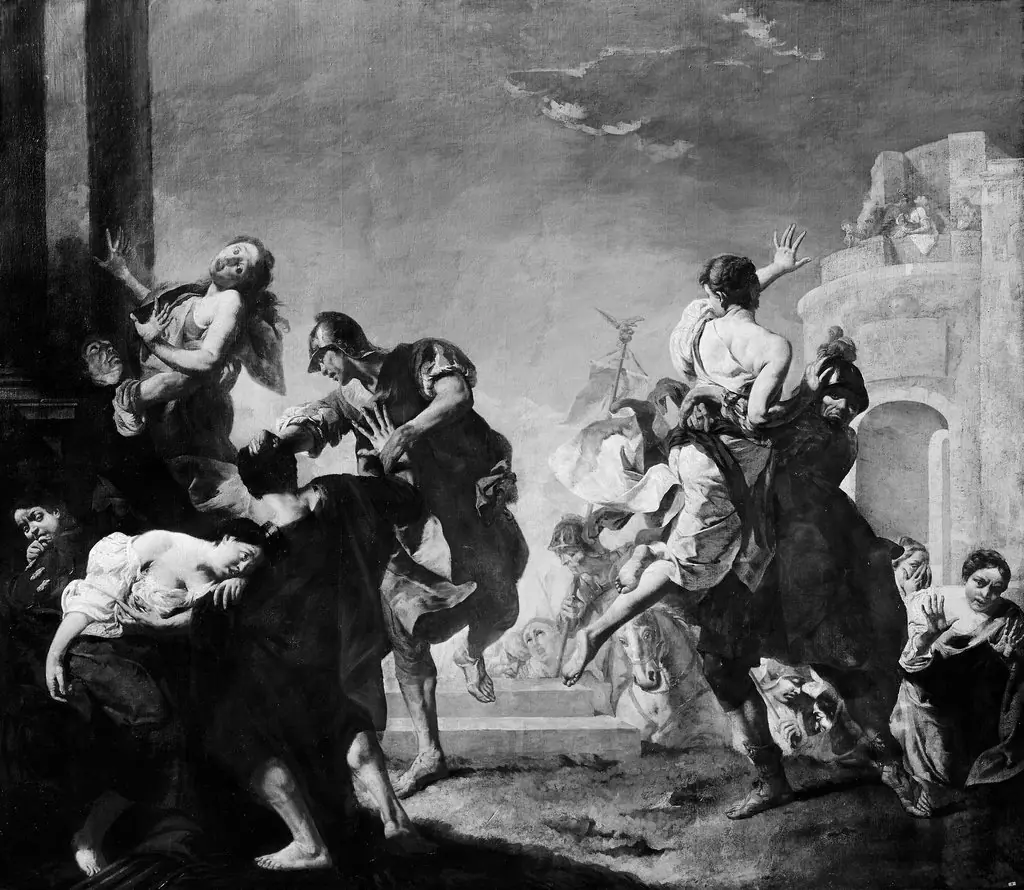 Rape of the Sabines
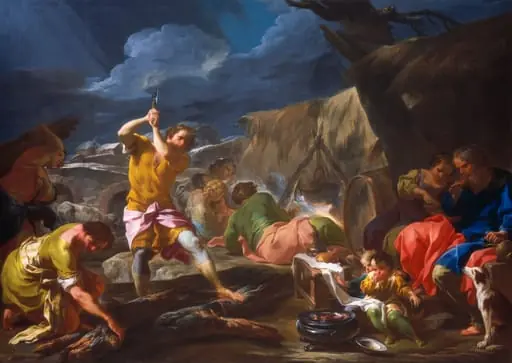 Winter
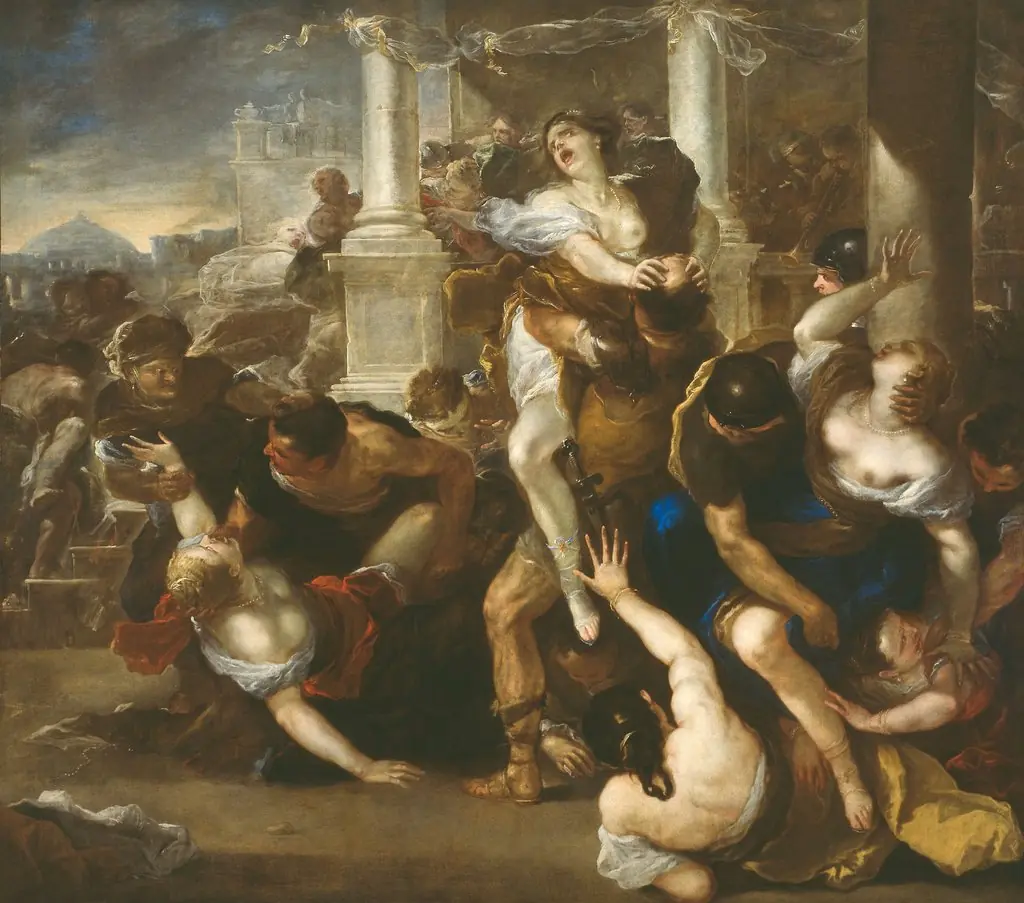 The Abduction of the Sabine Women
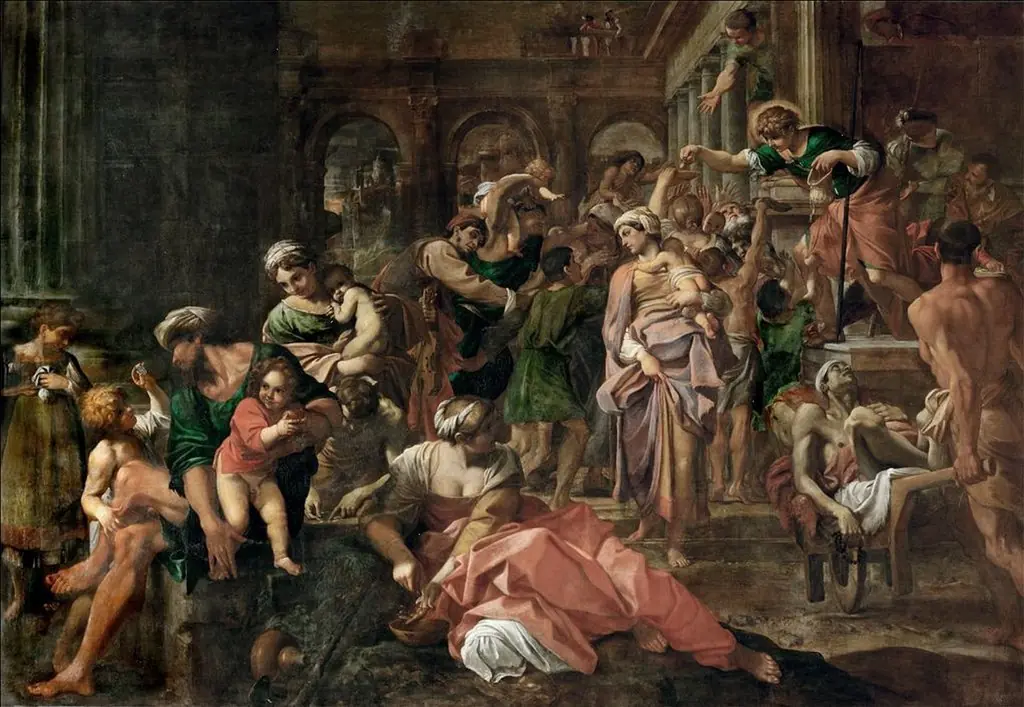 Saint Roch Distributing Alms
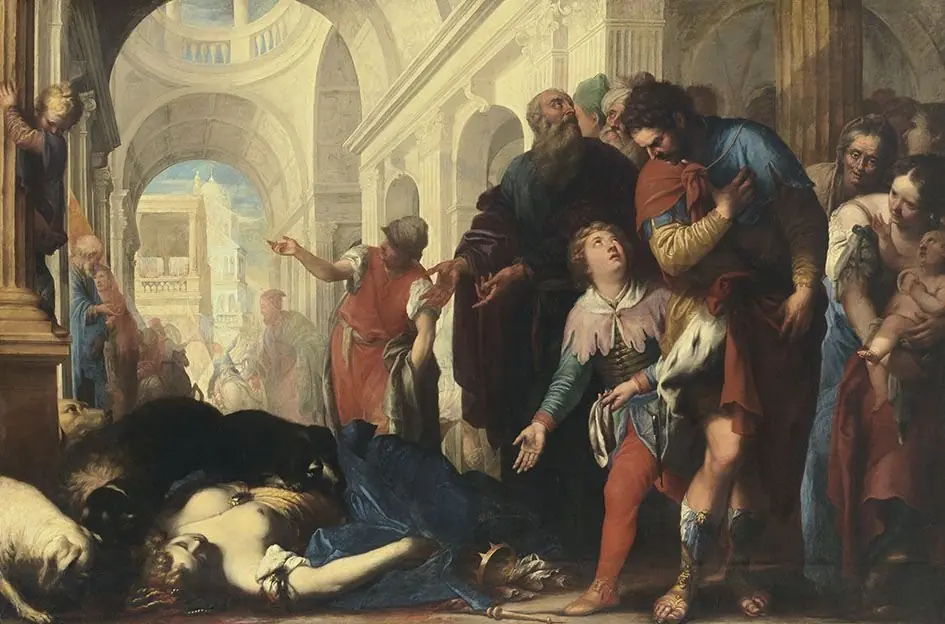 Königin Jezabel wird den Hunden vorgeworfen
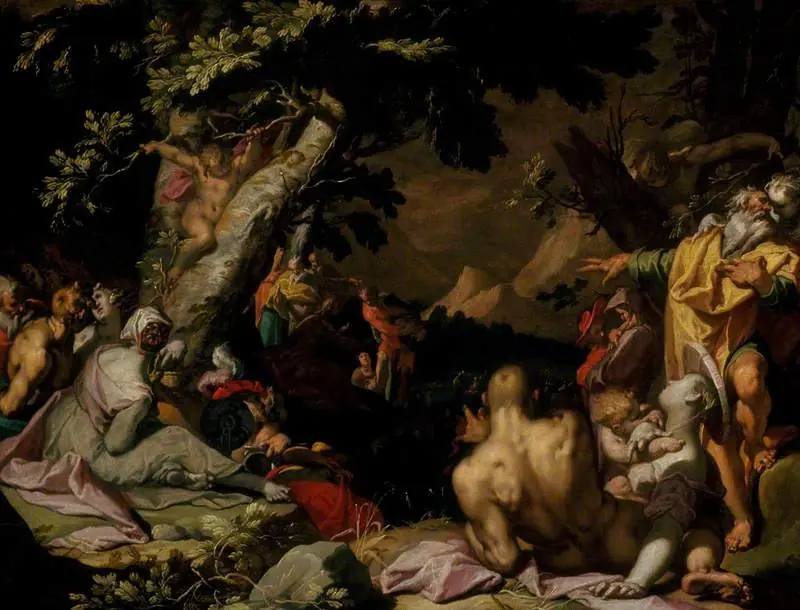 Miracle of the loaves (Jesus feeds the five thousand)
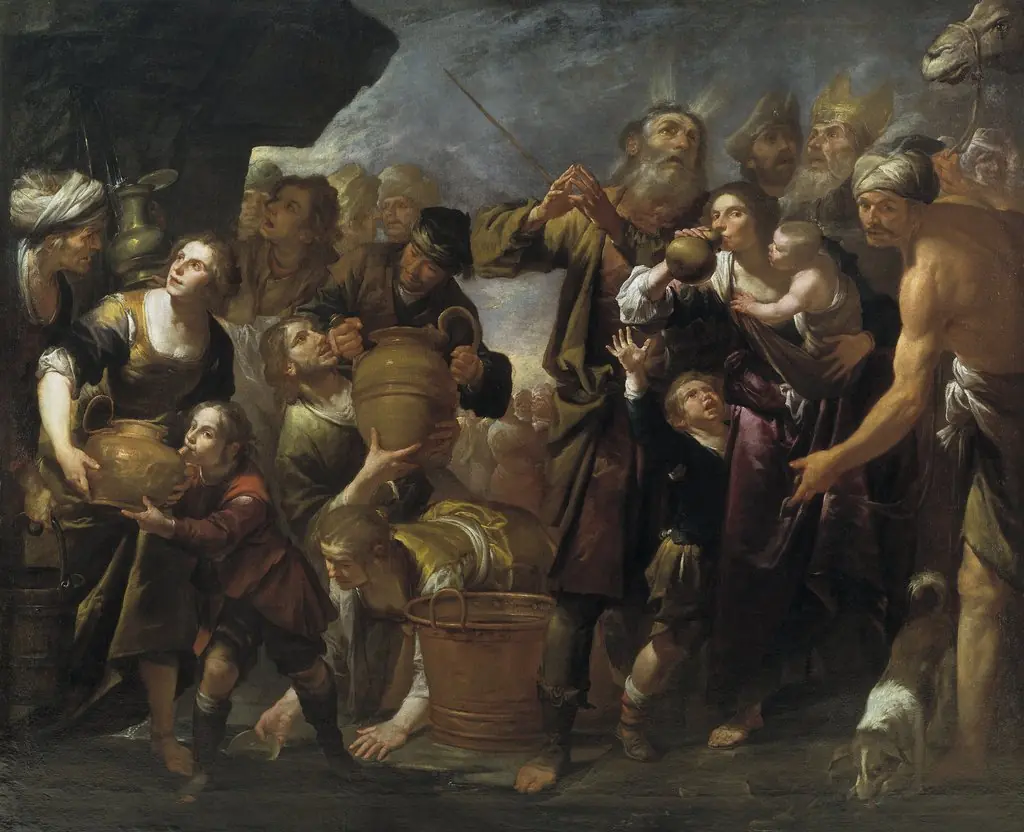 Moses striking the Water from the Rock
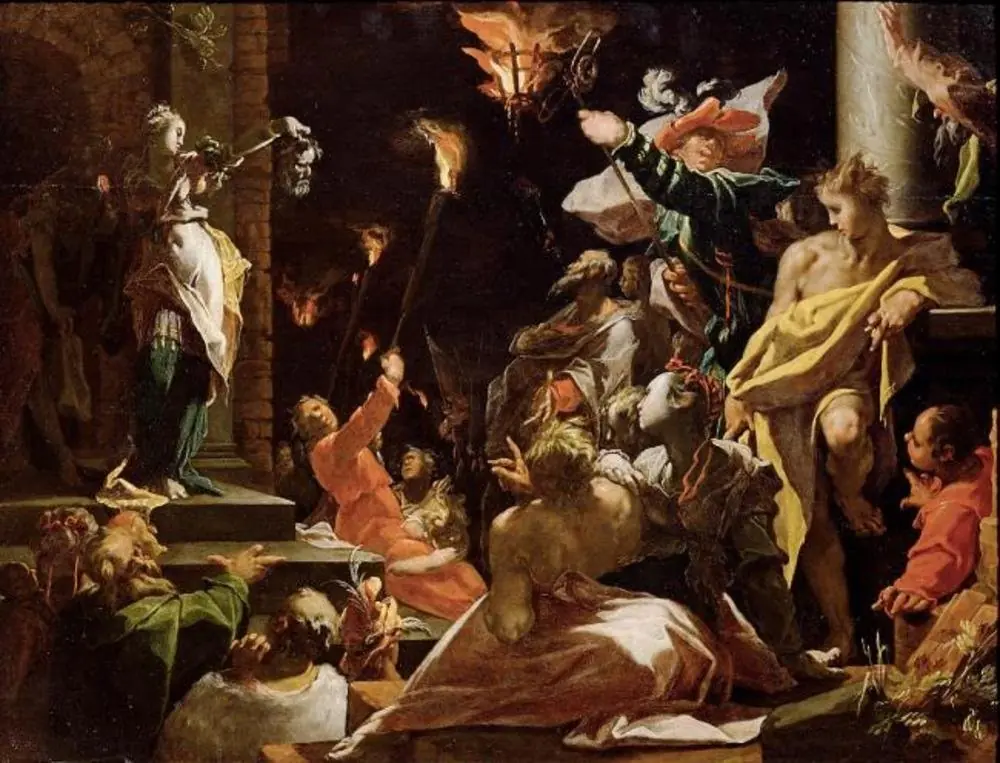 Judith shows Holofernes's head to the people (Judith 19)
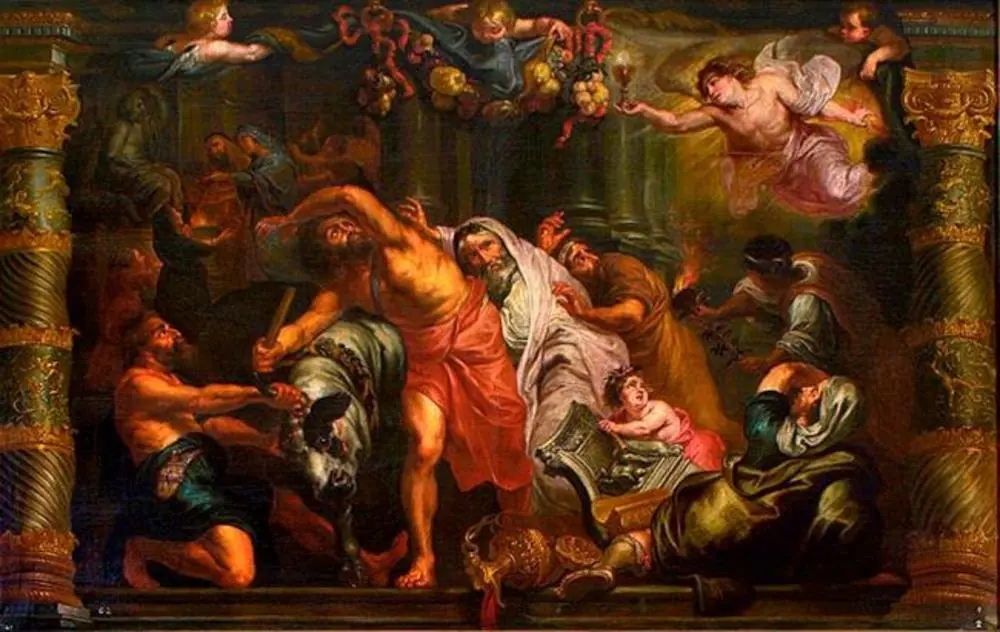 The Eucharist overcoming pagan sacrifices