Artwork
Triptych: the Nativity, the Coronation of the Virgin, and the Crucifixion
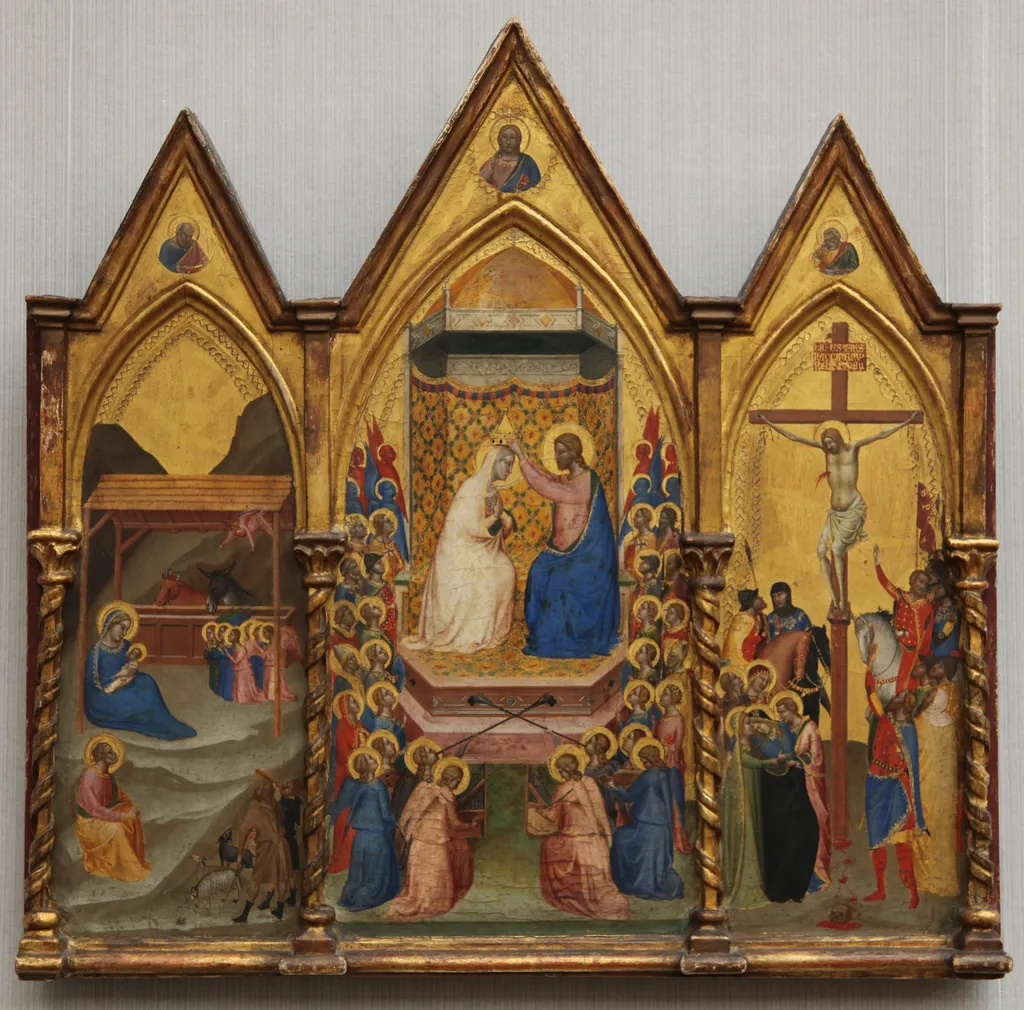
Triptych: the Nativity, the Coronation of the Virgin, and the Crucifixion is a paint painting by Bernardo Daddi. It dates from 1339 and is held in the collection of the Gemäldegalerie Berlin.
About this work
Overview
Created in 1339 by Florentine painter Bernardo Daddi, this painted triptych combines three central Christian episodes: the Nativity, the Coronation of the Virgin, and the Crucifixion. The work is divided into three adjoining panels, each illustrating a distinct narrative while maintaining a unified visual language. It is presently displayed in the Gemäldegalerie in Berlin.
Subject & Meaning
The left panel presents the birth of Christ, with the Virgin Mary cradling the infant amid shepherds and livestock, emphasizing humility and divine incarnation.
The left panel presents the birth of Christ, with the Virgin Mary cradling the infant amid shepherds and livestock, emphasizing humility and divine incarnation. The central scene shows a coronation ceremony on a throne resembling an altar, likely featuring the Virgin and the Christ Child surrounded by golden‑clad angels, symbolising heavenly authority. The right panel depicts the crucifixion, with Christ on the cross flanked by soldiers and grieving figures, underscoring sacrifice and redemption.
Technique & Style
Daddi employs a more naturalistic arrangement than the prevailing Gothic stylisation, arranging figures in a shallow spatial setting that suggests depth. The gold background unifies the panels and reinforces their sacred character, while the modest scale of the work reflects the artist’s skill in portable devotional formats. Fine brushwork and careful modelling give the figures a tangible presence within the limited pictorial space.
History & Provenance
The triptych was produced for private devotion, a common practice in early 14th‑century Florence where compact altarpieces served personal worship. Over the centuries it changed hands among collectors before entering the Berlin Gemäldegalerie’s collection, where it remains accessible to scholars and the public.
Context
Bernardo Daddi was a leading figure in the early Italian Renaissance, known for advancing realistic composition in religious paintings. His work on small‑scale altarpieces contributed to the wider acceptance of the triptych format, bridging Gothic conventions and the emerging naturalism that would define later Florentine art.
Artist & collection

Artist
Bernardo Daddi was active in Florence from around 1312 until his death in 1348, generally regarded as one of Giotto di Bondone's most important pupils.

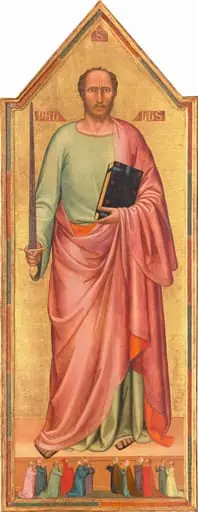
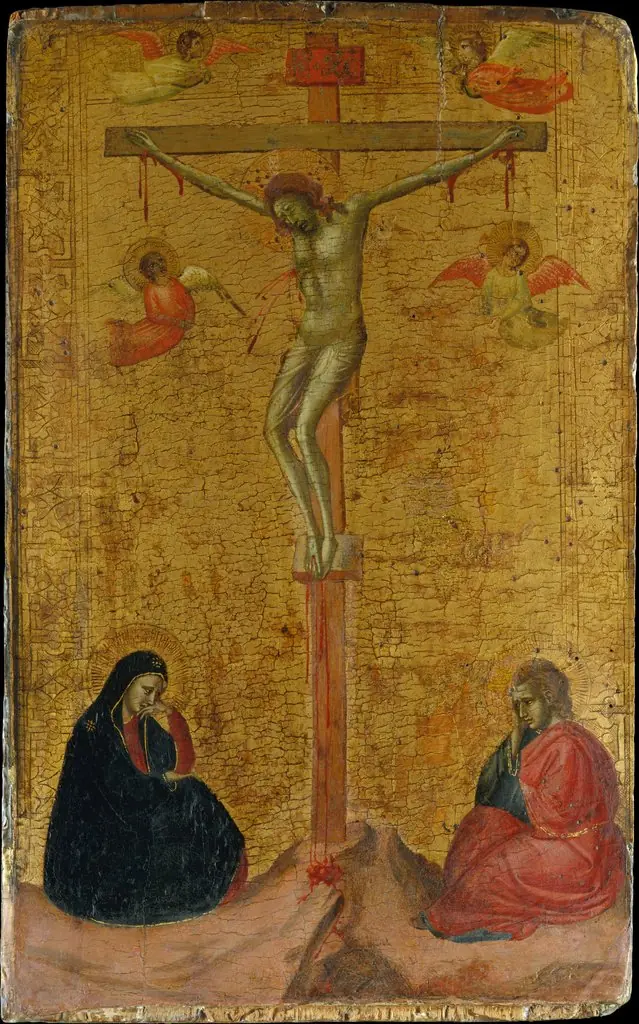
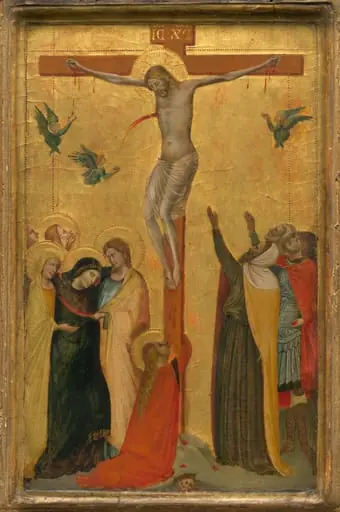
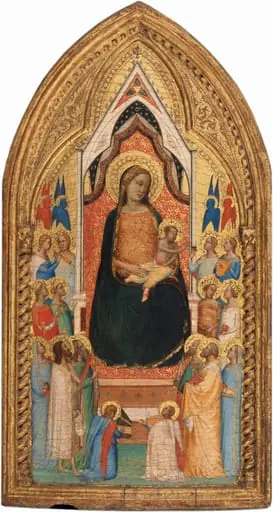
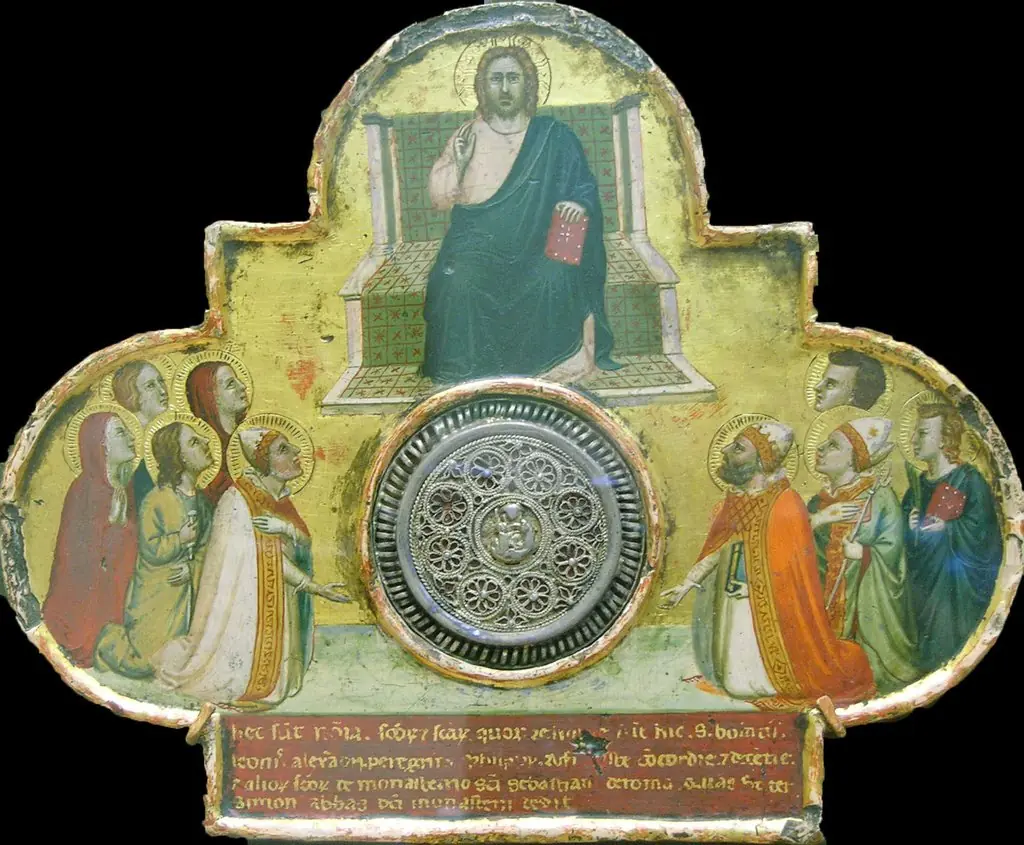
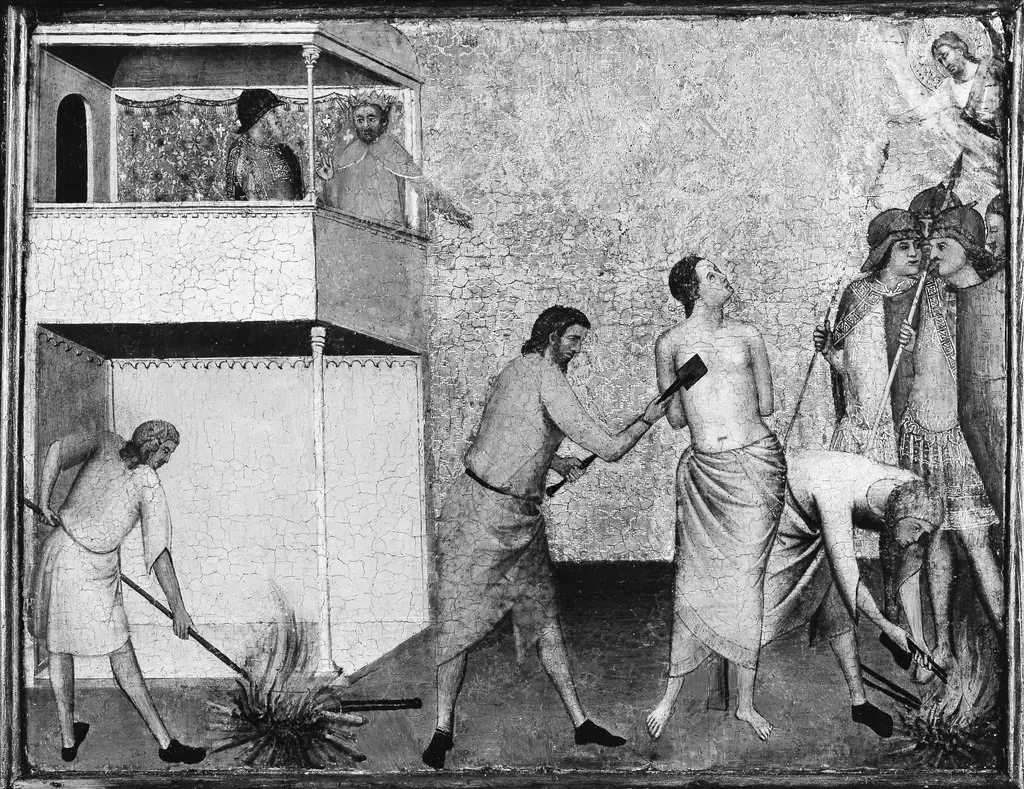
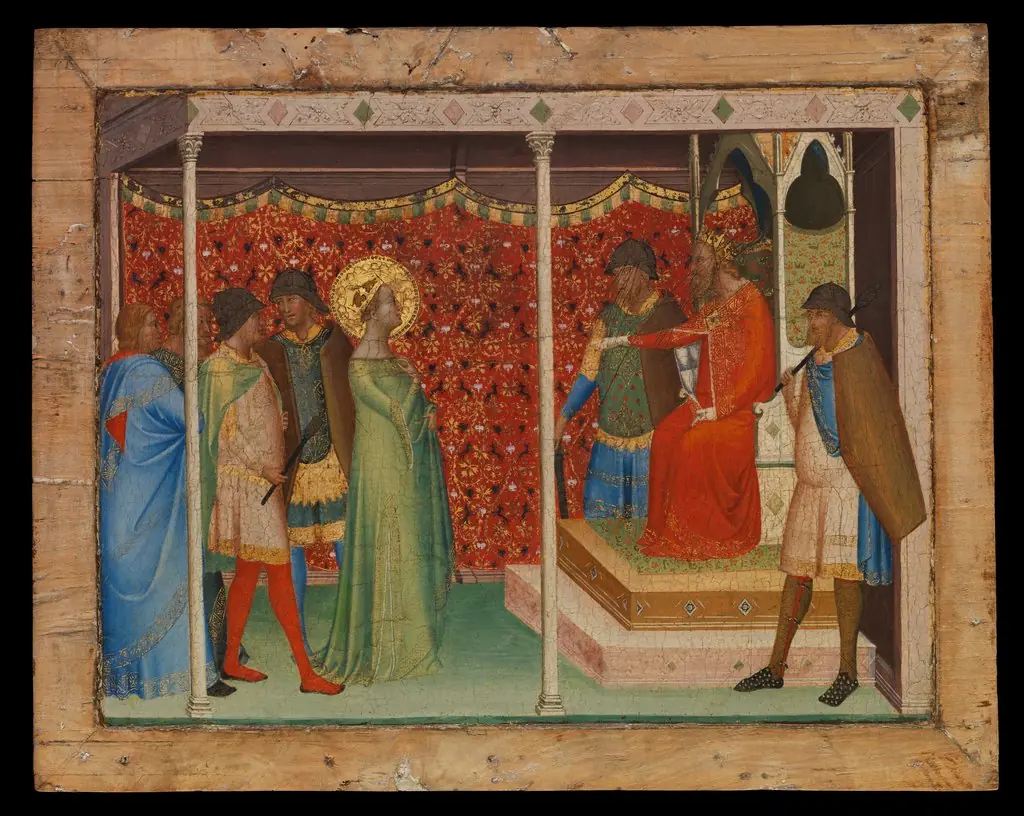
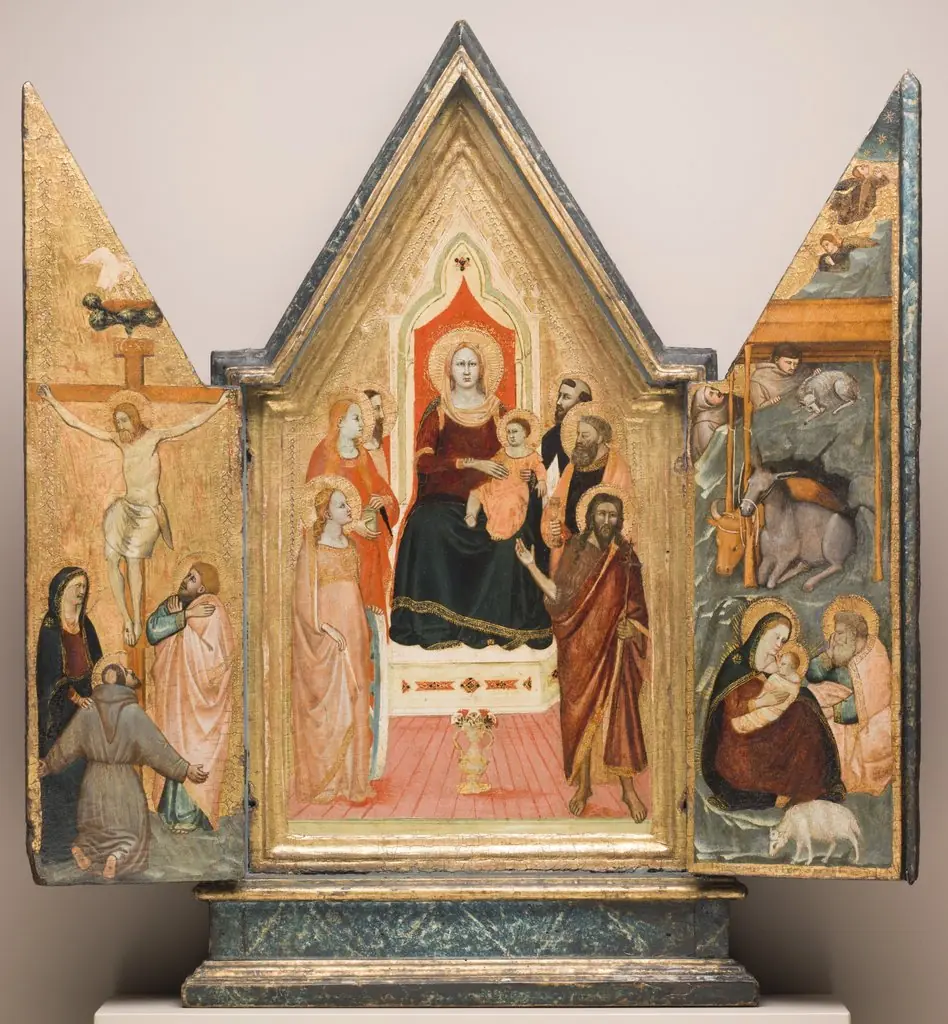 Virgin Enthroned with Saints, Nativity and Crucifixion
![Saint John the Evangelist [right panel], by Nardo di Cione](https://artifactworldgallery.com/img/nardo-di-cione--saint-john-the-evangelist-right-panel--fdd92c8ff7afceaf-w320.webp) Saint John the Evangelist [right panel]
Saint John the Evangelist [right panel]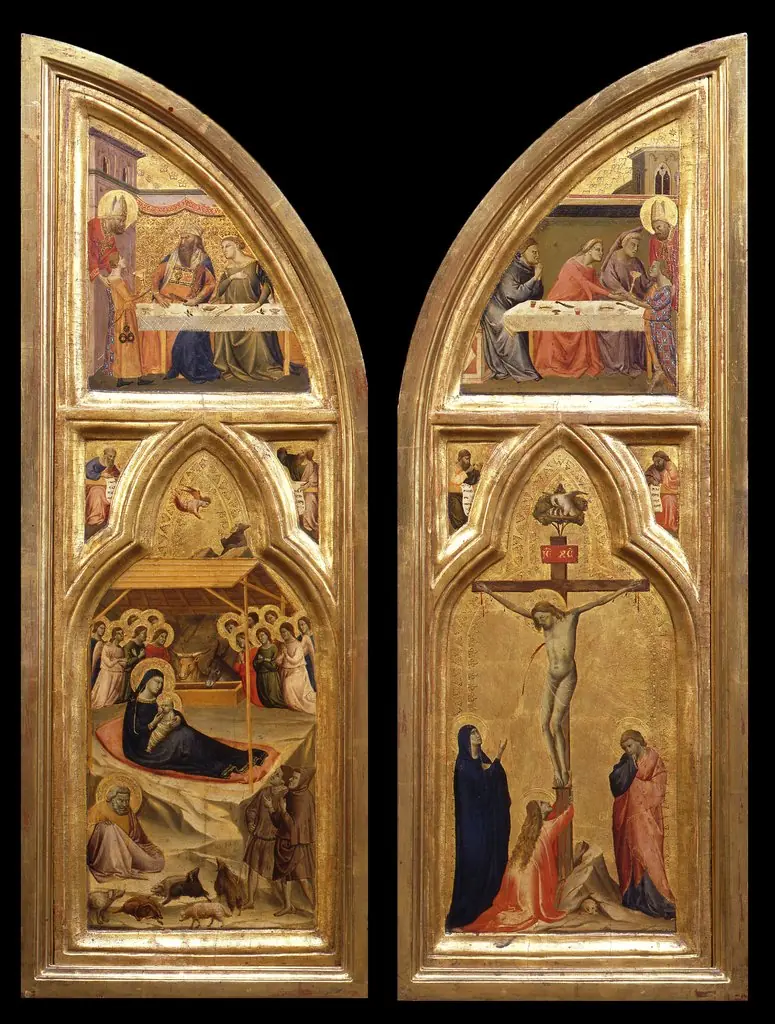 Interior view of wings of the triptych
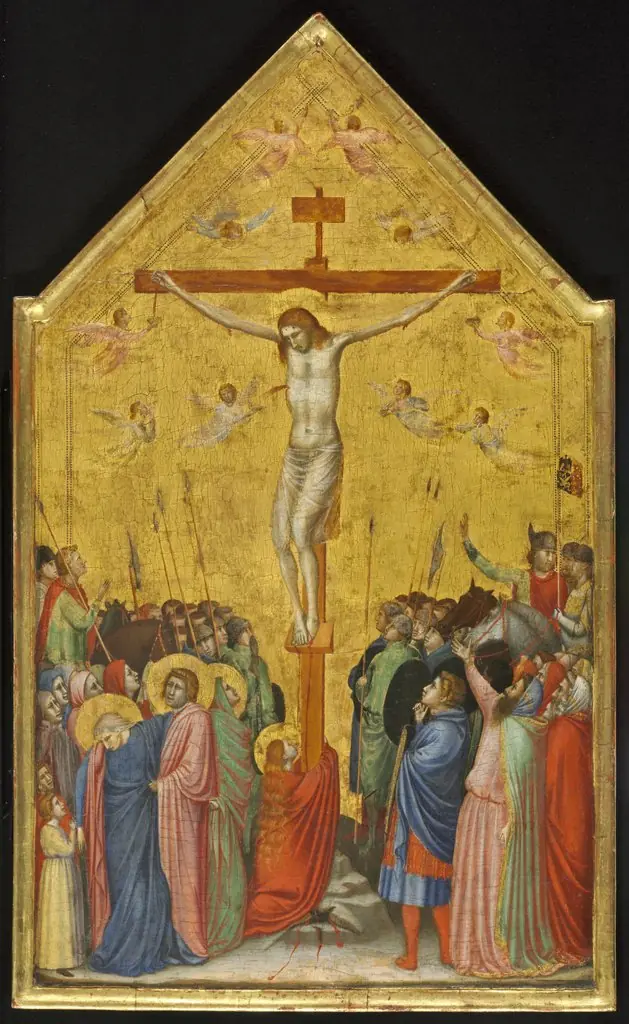 The Crucifixion of Christ
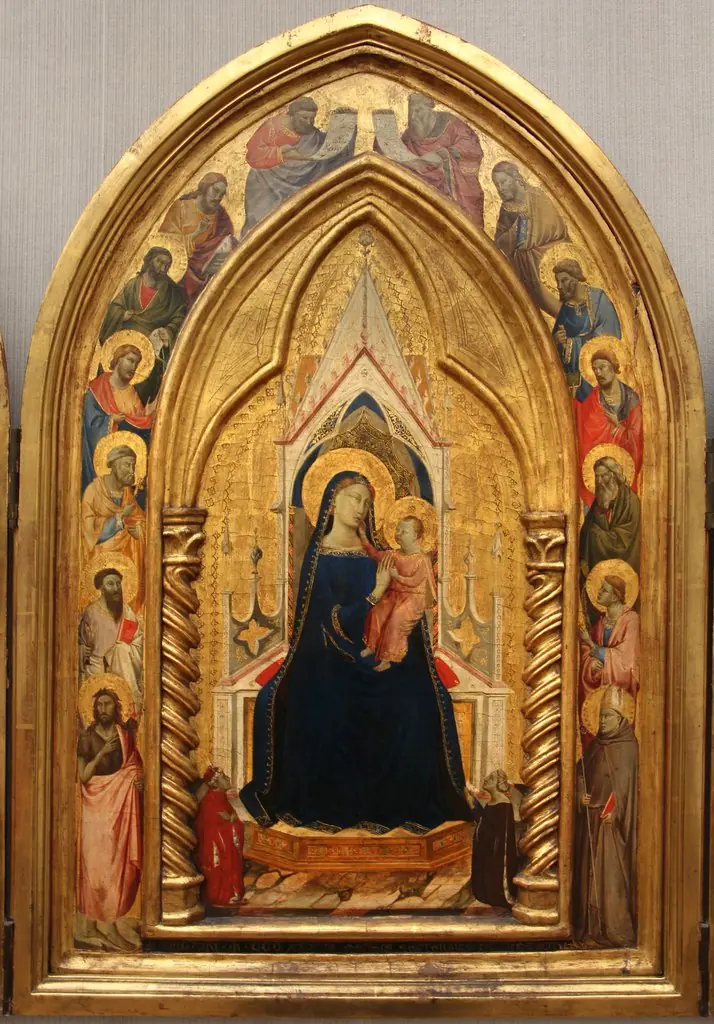 Central panel of the triptych
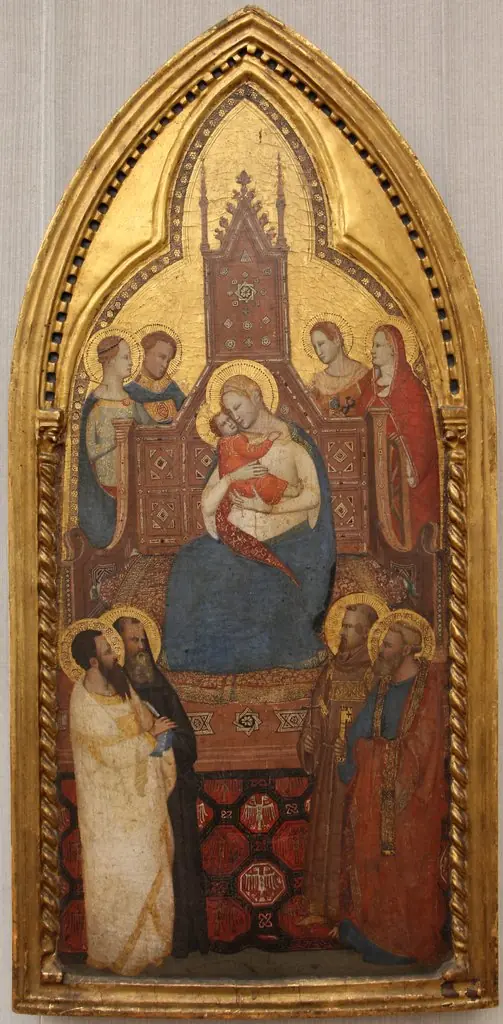 Virgin and Child enthroned with eight saints
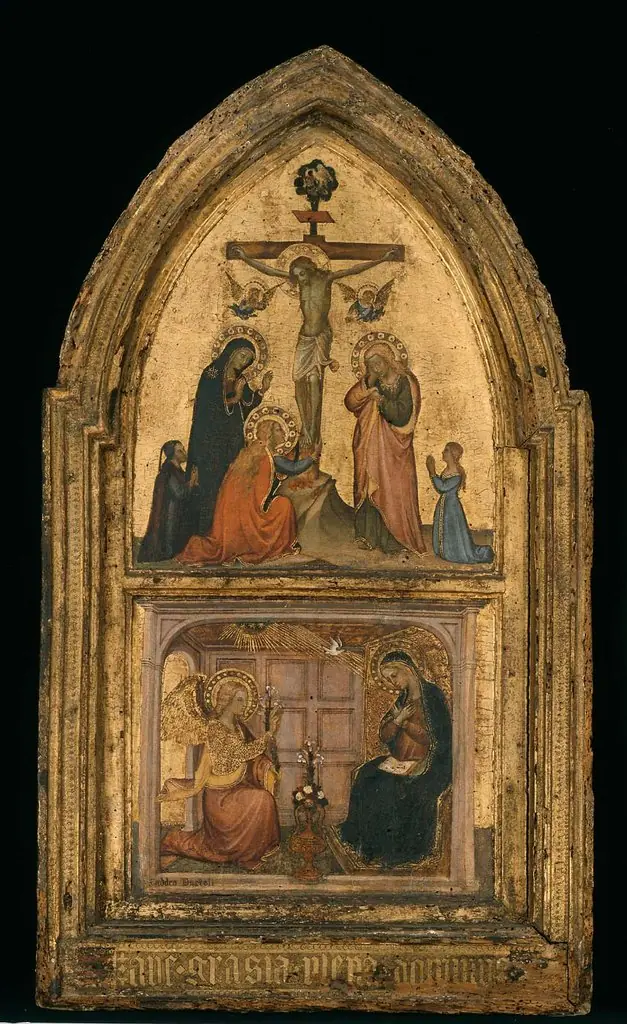 Annunication; Crucifixion
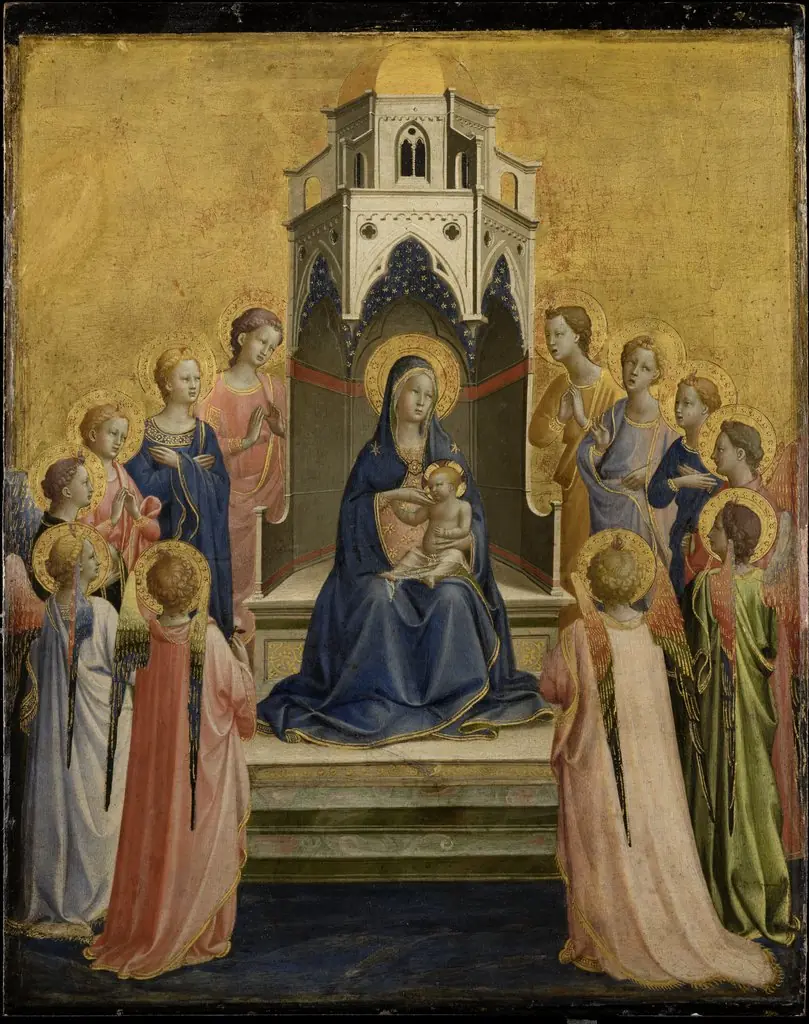 Madonna and Child Enthroned and Twelve Angels
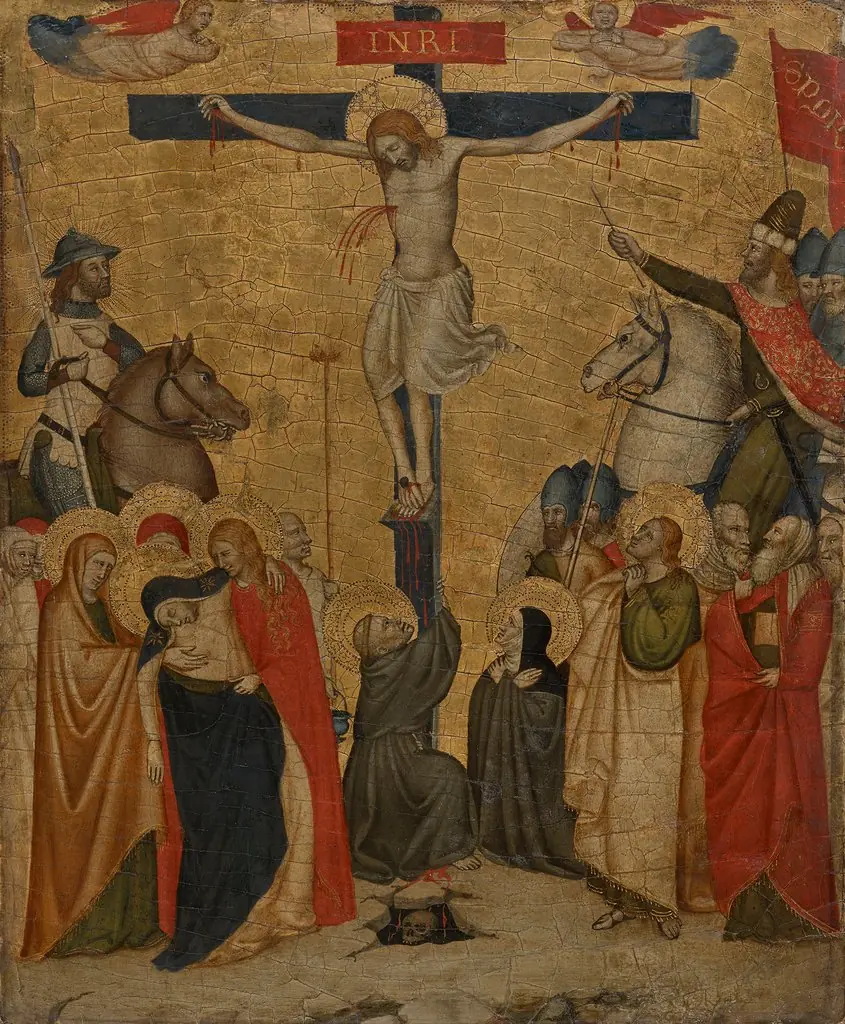 The Crucifixion of Christ