Artwork
Portrait of Giovanni Battista Brignole
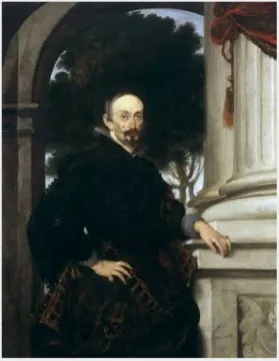
Portrait of Giovanni Battista Brignole is an oil painting by the Early Baroque Italian artist Bernardo Strozzi. It dates from 1622 and is held in the collection of the National Gallery of Ireland.
About this work
Overview
Strozzi, known for his dual identity as a Capuchin friar and a painter, was active in Genoa during this period before relocating to Venice.
Painted circa 1622 by Bernardo Strozzi, this oil portrait captures Giovanni Battista Brignole, a nobleman from Genoa. Strozzi, known for his dual identity as a Capuchin friar and a painter, was active in Genoa during this period before relocating to Venice. The work exemplifies his early Baroque approach, blending naturalism with a heightened sensitivity to texture and atmosphere. It is now part of the National Gallery of Ireland’s collection.
Subject & Meaning
Giovanni Battista Brignole is portrayed as a man of status, dressed in dark, refined attire with a high collar and patterned skirt, suggesting aristocratic rank. His poised stance—one hand on his hip, the other resting on a stone ledge—conveys quiet authority. The architectural archway and distant tree frame him within a controlled, contemplative space, reinforcing his social presence without overt symbolism. The portrait emphasizes dignity over narrative, typical of Genoese elite portraiture of the era.
Technique & Style
Strozzi employs chiaroscuro to model the figure with dramatic lighting, illuminating the face and hands against a shadowed background. His brushwork is both precise and fluid, capturing the sheen of fabric, the texture of stone, and the softness of skin. Rich, warm tones in the clothing contrast with the cool grays of the architecture, enhancing spatial depth. The handling of light reveals Strozzi’s growing mastery of Venetian colorism, even before his move to Venice.
History & Provenance
The portrait was likely commissioned by the Brignole family, prominent Genoese patricians known for their patronage of the arts. It remained in Genoa for centuries before entering the National Gallery of Ireland’s collection in the 20th century. Its journey reflects broader patterns of art dispersal from Italian noble households to international institutions. No significant alterations or restorations are documented, preserving its original tonal harmony.
Context
In early 17th-century Genoa, portraiture served as a tool for asserting familial prestige. Strozzi, influenced by Caravaggio’s realism and Titian’s color, synthesized these elements into a distinctive local style. This portrait aligns with other Genoese works of the period that favored psychological presence over grandeur. It reflects a cultural moment when civic elites used art to project stability and refinement amid political and economic change.
Legacy
Strozzi’s approach in this portrait helped shape the evolution of Genoese and later Venetian painting. His ability to merge emotional subtlety with luminous color influenced a generation of artists in northern Italy. Though less celebrated than some contemporaries, his work, including this portrait, remains a key reference for understanding the transition from Mannerism to Baroque naturalism in Ligurian art.
Artist & collection
Artist
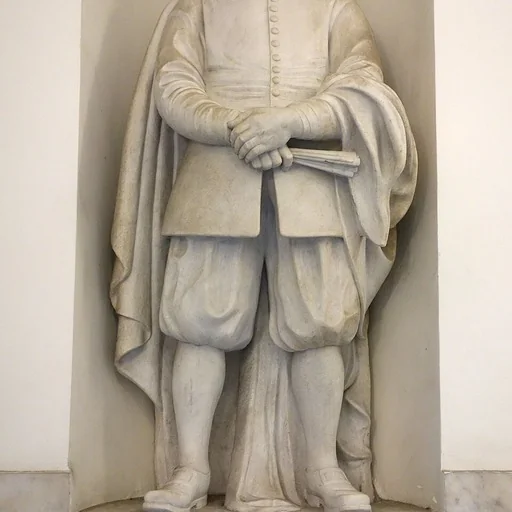
Bernardo Strozzi, named il Cappuccino and il Prete Genovese (c. 1581 – 2 August 1644), was an Italian Baroque artist who was a painter and engraver. A canvas and fresco artist, his wide subject range included history,…

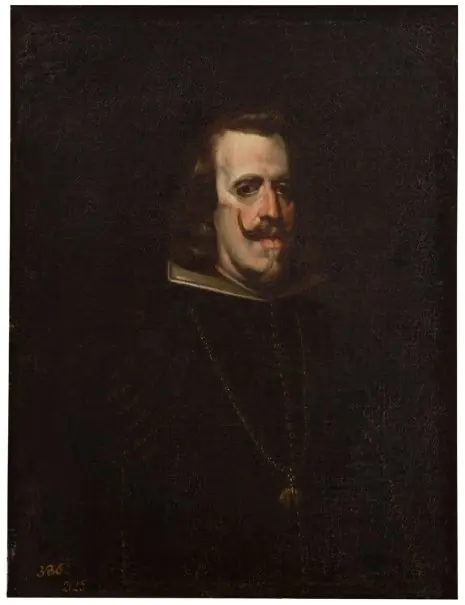 King Philip IV at half-length
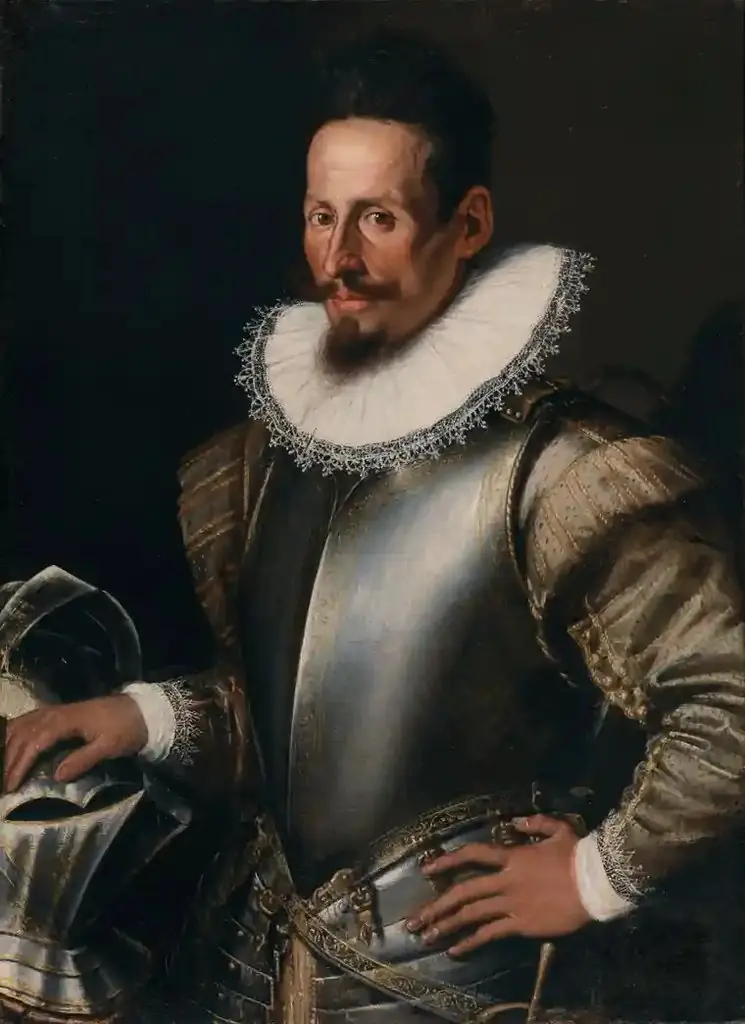 Portrait of a Gentleman in Armour
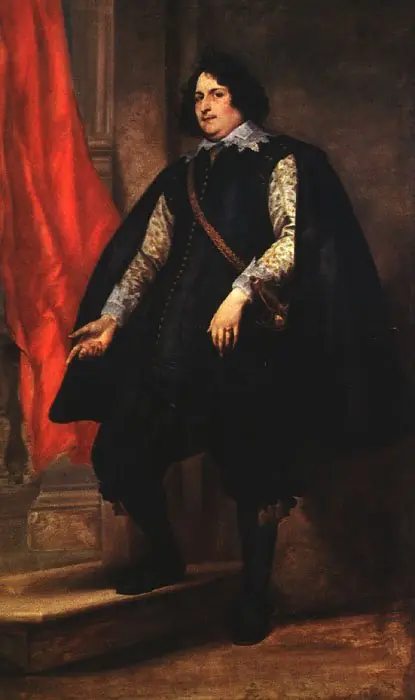 Portrait of Filips de Godines
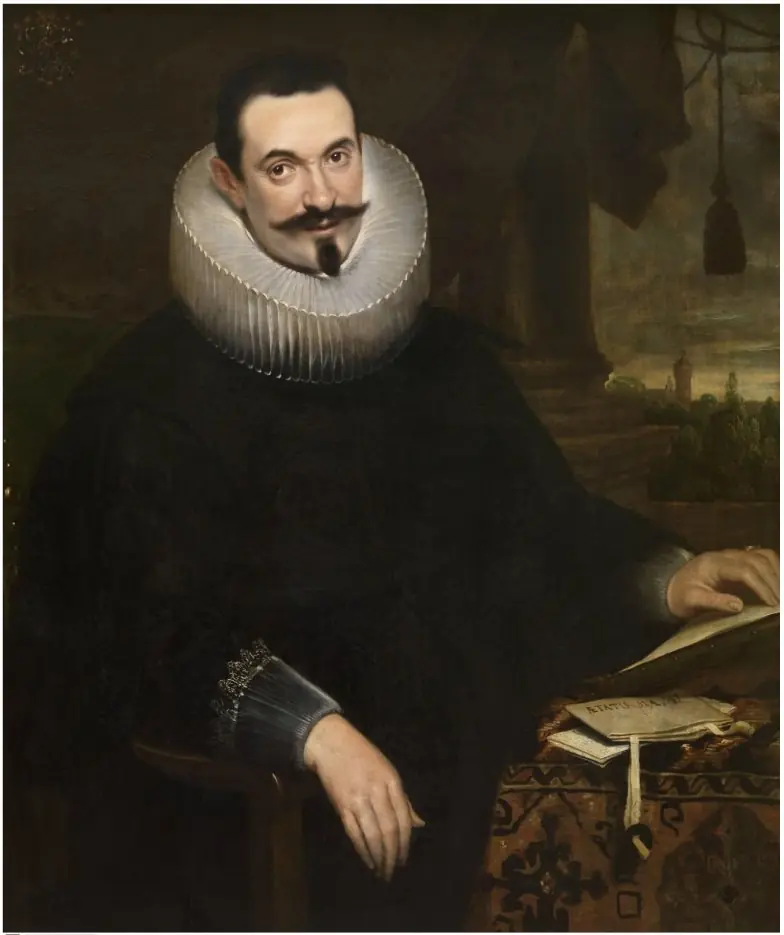 The Notary Barthel van den Berghe
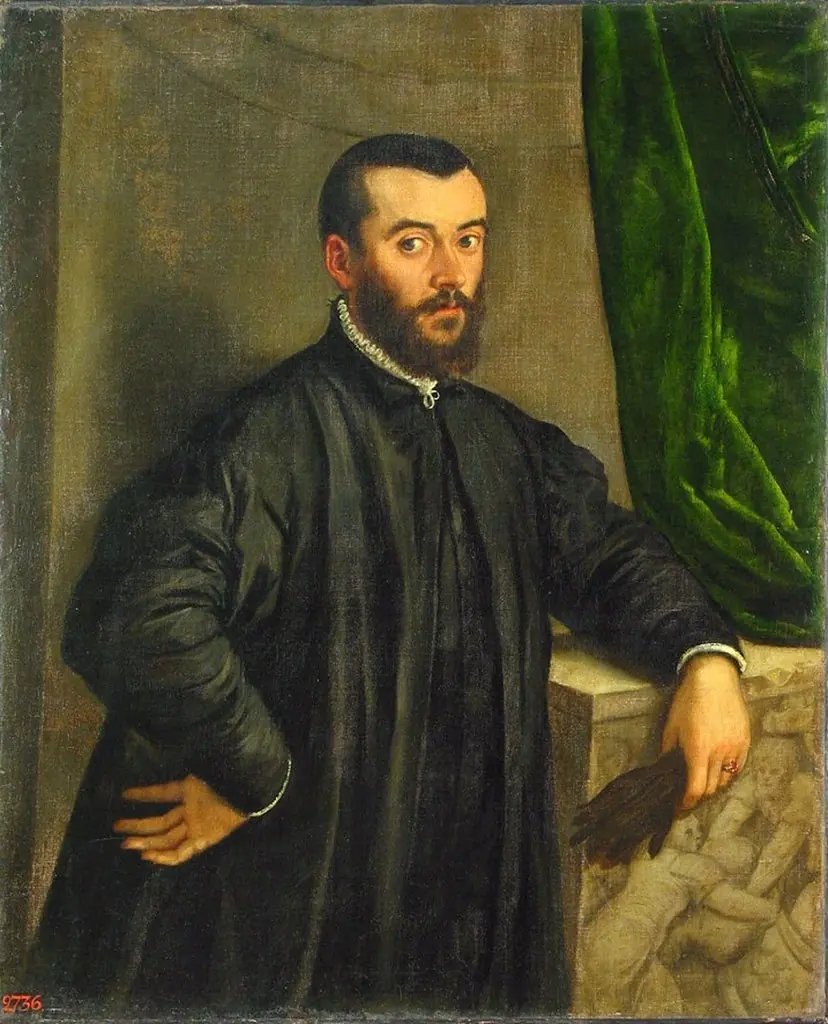 Portrait of a Man Dressed in Black
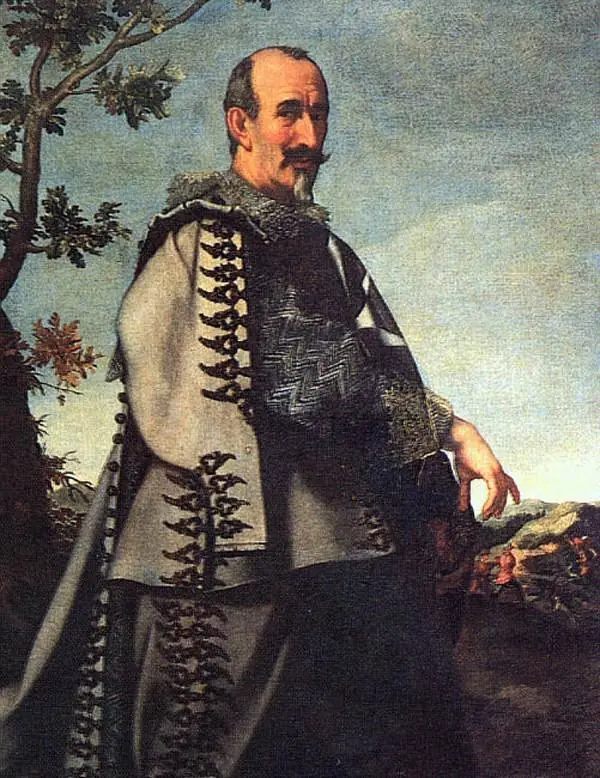 Portrait of Ainolfo de Bardi
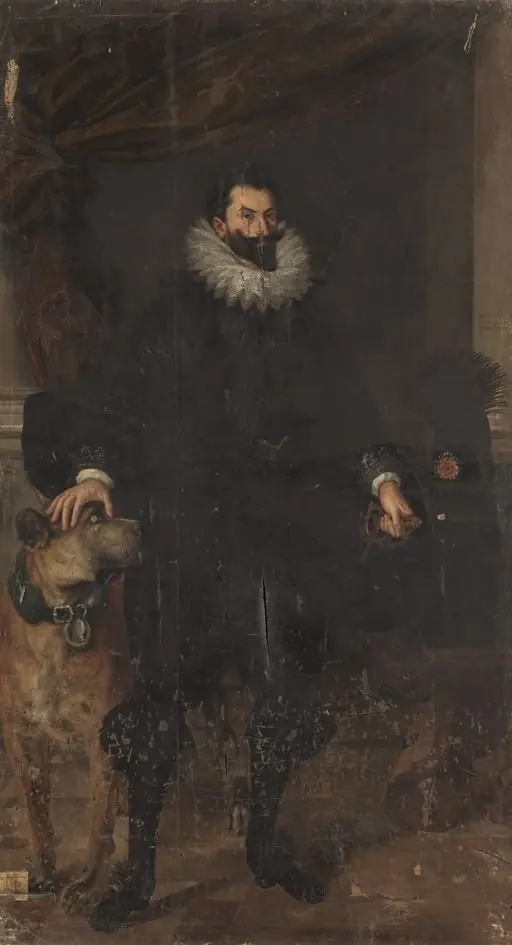 Bildnis des Herzogs Albrecht VI. von Bayern, der "Leuchtenberger" (1584-1666)
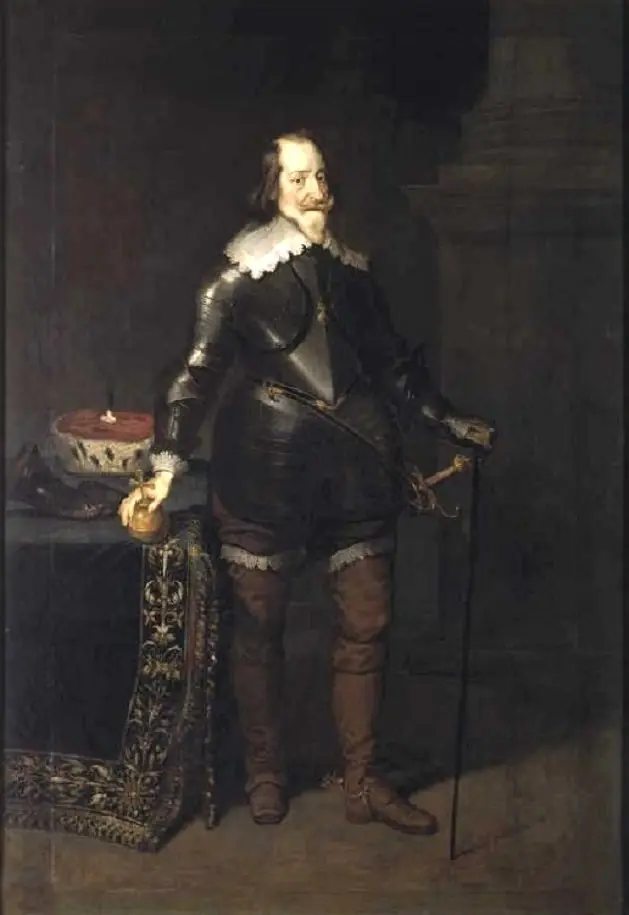 Portrait of Maximilian I, Duke, later Elect of Bavaria (1573-1651)
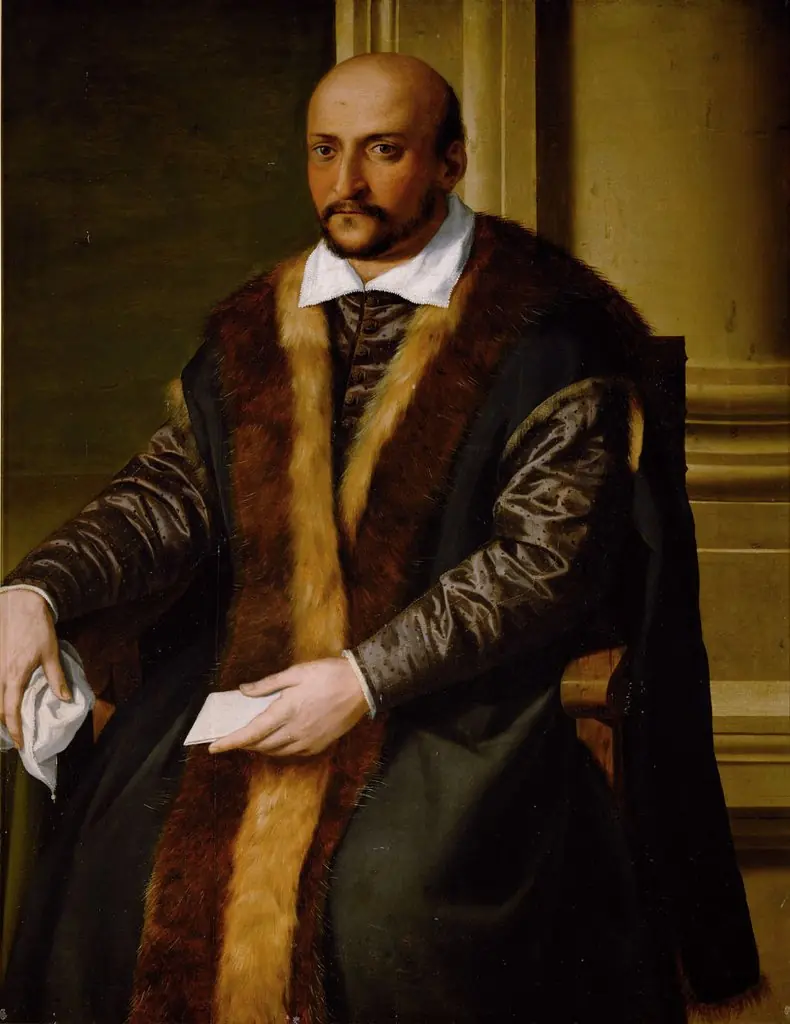 Bildnis eines Mannes im Lehnstuhl
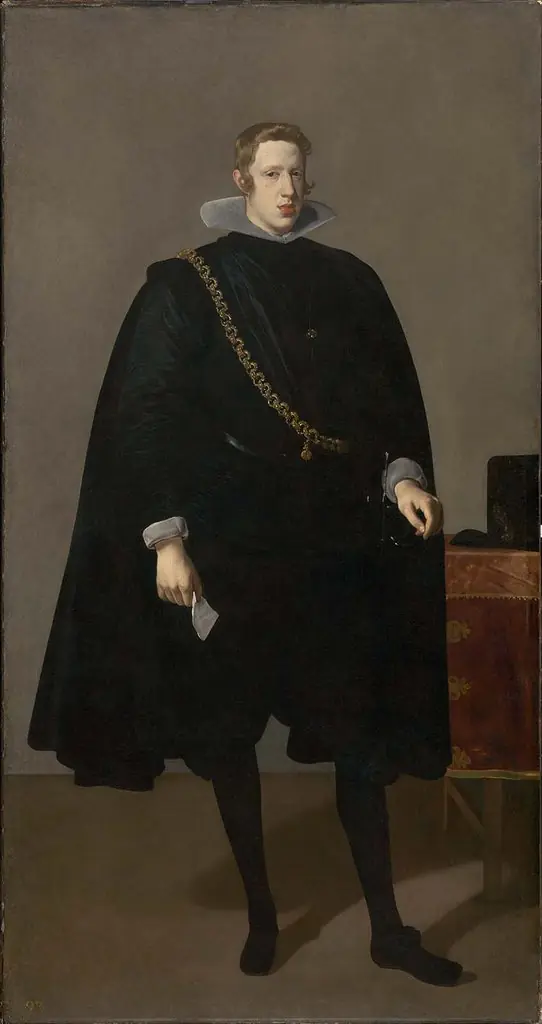 Philip IV, King of Spain
 Portrait of Jean Fourmenois
 Portrait of Jacopo Foscarini