Artwork
Das Gleichnis vom Zinsgroschen
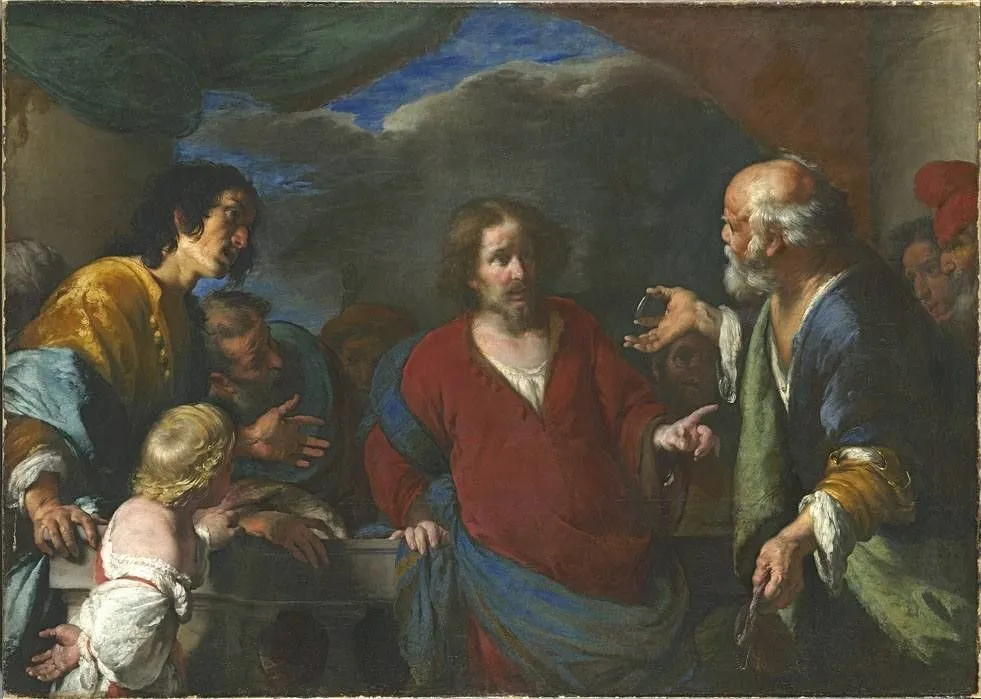
Das Gleichnis vom Zinsgroschen is an oil painting by the Early Baroque Italian artist Bernardo Strozzi. It is held in the collection of the Bavarian State Painting Collections.
About this work
Overview
Though often associated with Venice’s Baroque scene, Strozzi’s work reflects a synthesis of northern Italian and Venetian traditions.
Painted in oil on canvas around 1700, *Das Gleichnis vom Zinsgroschen* is attributed to Bernardo Strozzi, a Genoese artist known for his versatility across religious, genre, and portrait subjects. Though often associated with Venice’s Baroque scene, Strozzi’s work reflects a synthesis of northern Italian and Venetian traditions. The painting resides in the Alte Pinakothek in Munich, where it is cataloged as part of the museum’s early Baroque holdings.
Subject & Meaning
The painting illustrates the Parable of the Penny, drawn from the Gospel of Matthew, in which a man pays laborers equally regardless of when they began work. The central figure, clad in red, likely represents the landowner addressing a mixed crowd of workers. Their varied ages and attire suggest social diversity, emphasizing the parable’s theme of grace over merit. The composition invites contemplation of fairness and divine generosity.
Technique & Style
Strozzi employs chiaroscuro to model forms with dramatic light and shadow, enhancing the three-dimensionality of the figures and their garments. The red robe of the central figure contrasts with the muted tones of surrounding clothing, drawing the eye without overt theatricality. Brushwork is loose yet deliberate, particularly in the rendering of fabric and sky, revealing influences from both Caravaggio’s realism and Venetian colorism.
History & Provenance
The painting entered the Alte Pinakothek’s collection in the 19th century, likely through royal Bavarian acquisitions of Italian Baroque works. Its attribution to Strozzi has been consistently supported by stylistic analysis, though its exact provenance before the 1800s remains undocumented. No significant restorations are recorded, preserving the original surface and tonal balance.
Context
Strozzi worked during a period when Genoa and Venice were cultural crossroads, blending northern European naturalism with Venetian luminosity. This painting reflects the era’s interest in biblical narratives rendered with psychological realism and everyday detail. Unlike grand altarpieces, it presents sacred text through intimate, human-scale drama, aligning with Counter-Reformation goals of accessible religious storytelling.
Legacy
Strozzi’s influence extended to later Venetian painters through his synthesis of emotional immediacy and atmospheric color. While *Das Gleichnis vom Zinsgroschen* is not among his most widely reproduced works, it exemplifies his ability to elevate genre scenes with spiritual resonance. It remains a quiet testament to his role in shaping Baroque narrative painting beyond the major centers of Rome and Florence.
Artist & collection
Artist
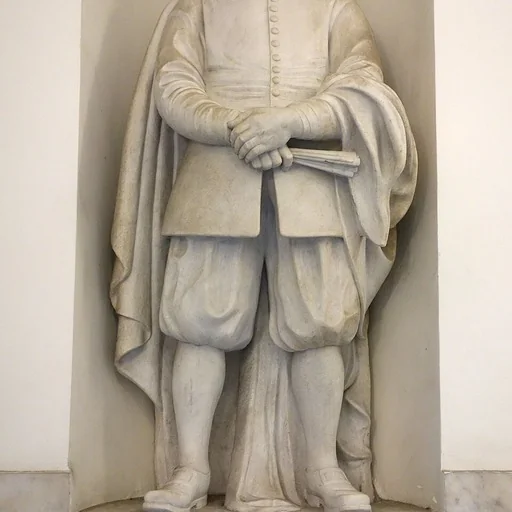
Bernardo Strozzi, named il Cappuccino and il Prete Genovese (c. 1581 – 2 August 1644), was an Italian Baroque artist who was a painter and engraver. A canvas and fresco artist, his wide subject range included history,…

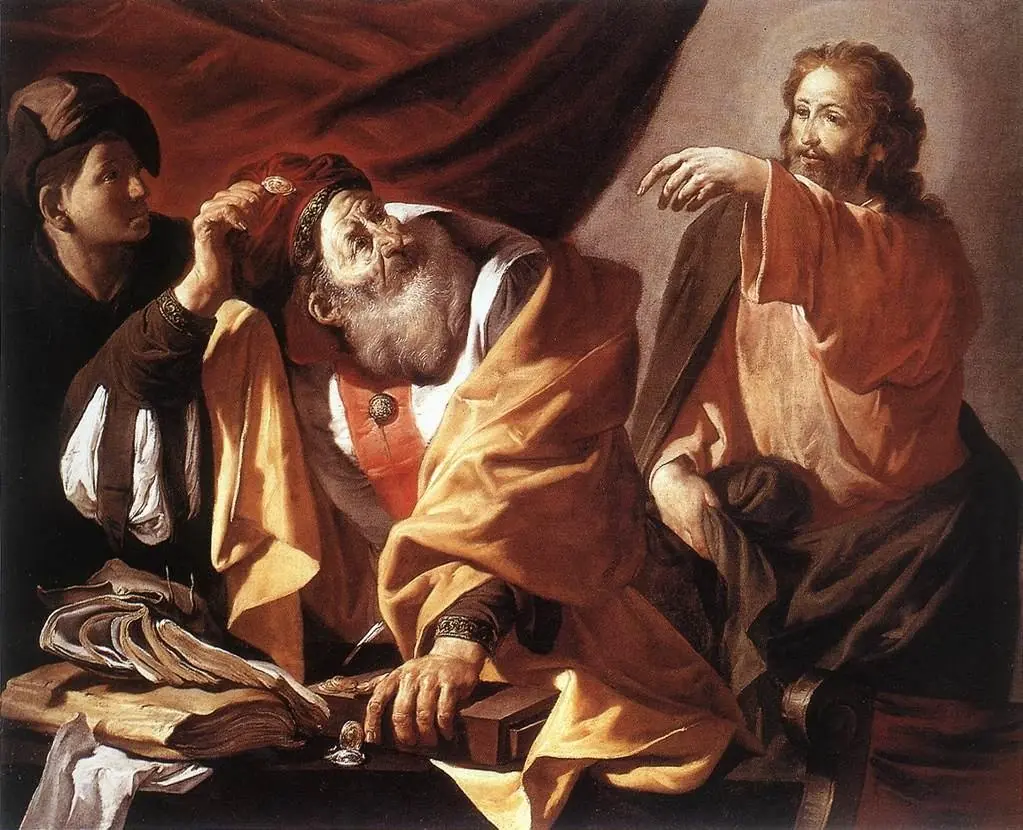 The Calling of St Matthew
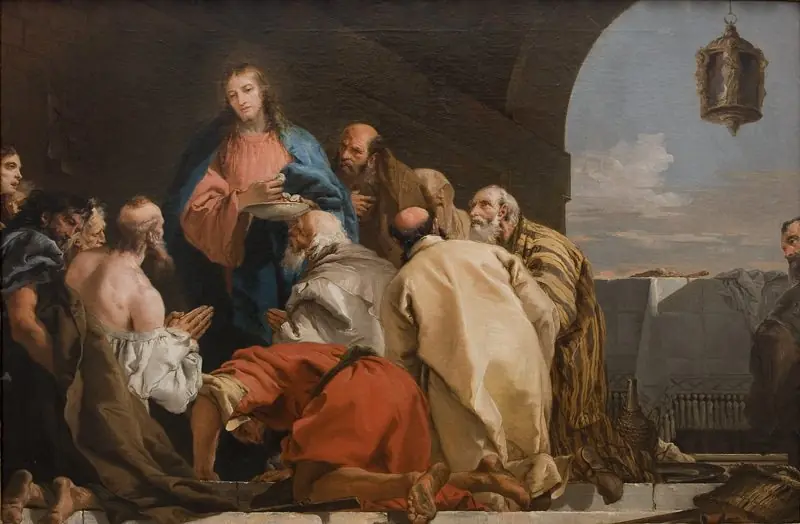 The Institution of The Eucharist
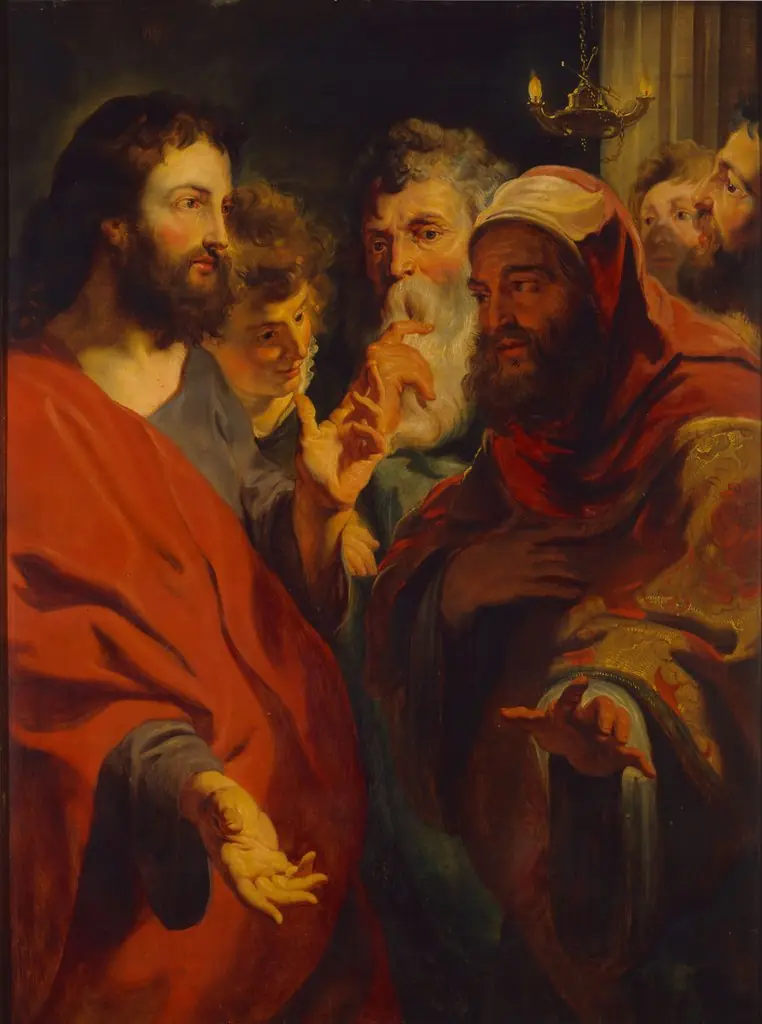 Christ instructing Nicodemus
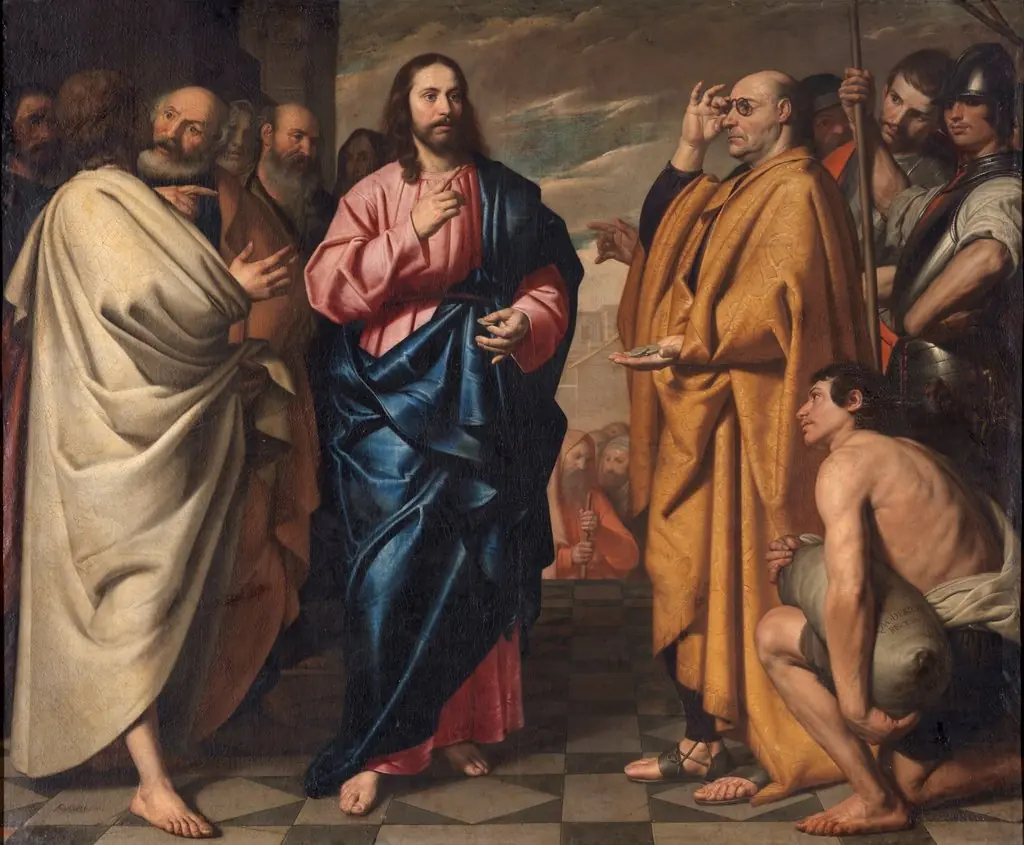 La moneda del César
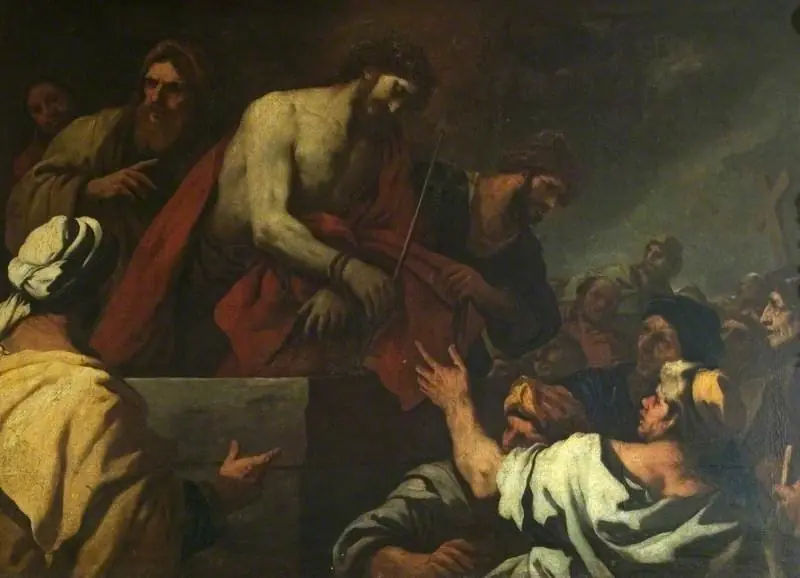 Christ Led to Calvary
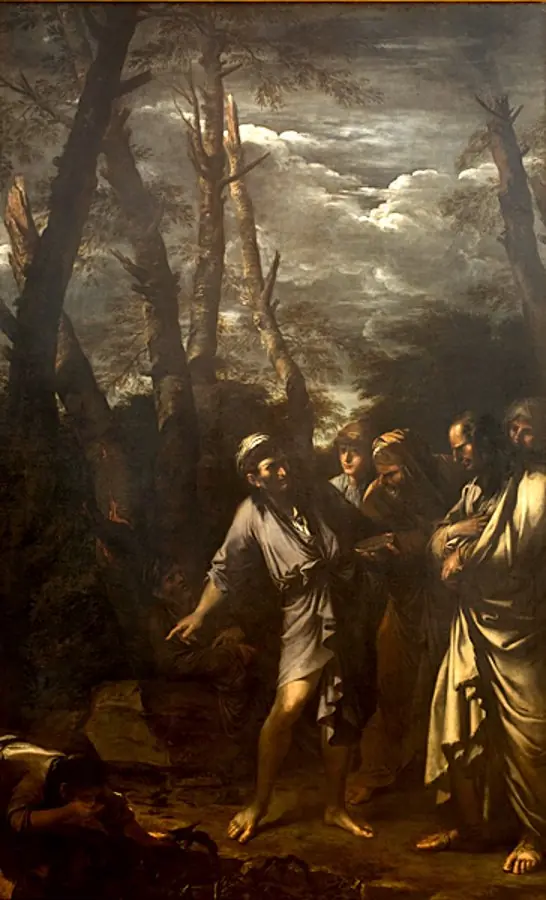 Diogenes Throwing away his Drinking Cup
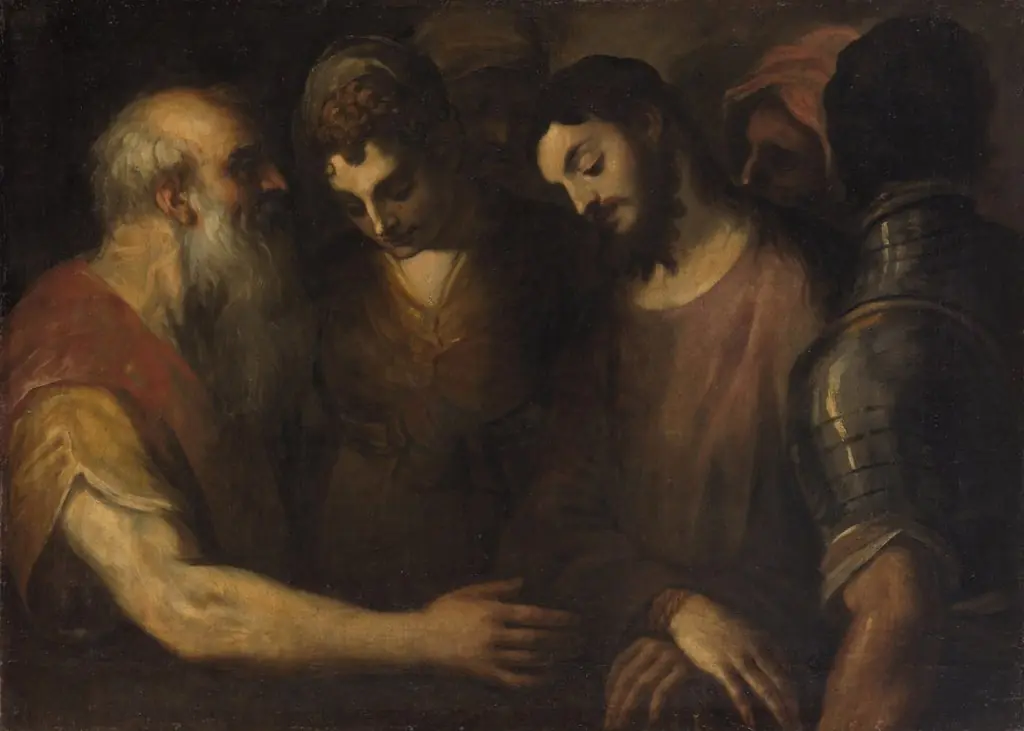 Christ before Pilate
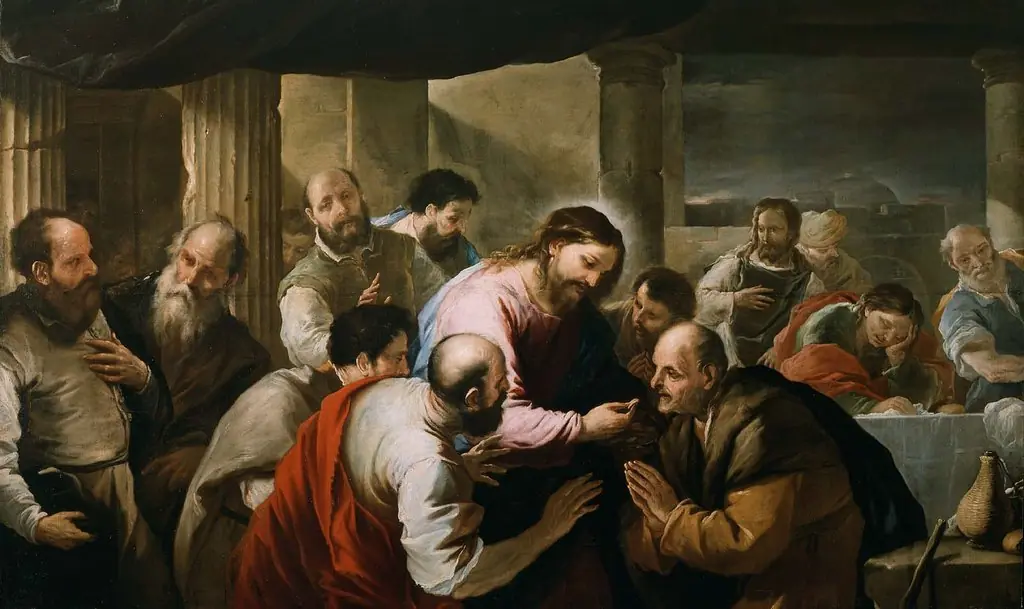 The Communion of the Apostles
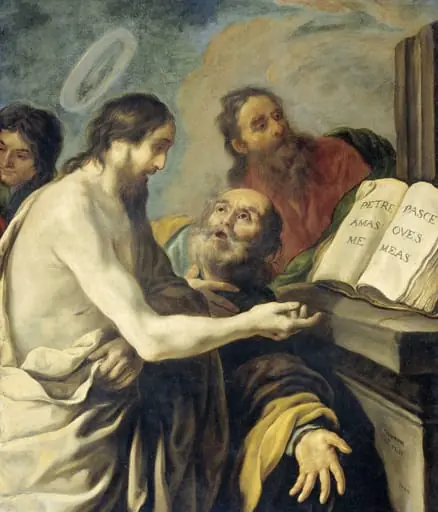 Christ Instructs Peter to Feed My Sheep
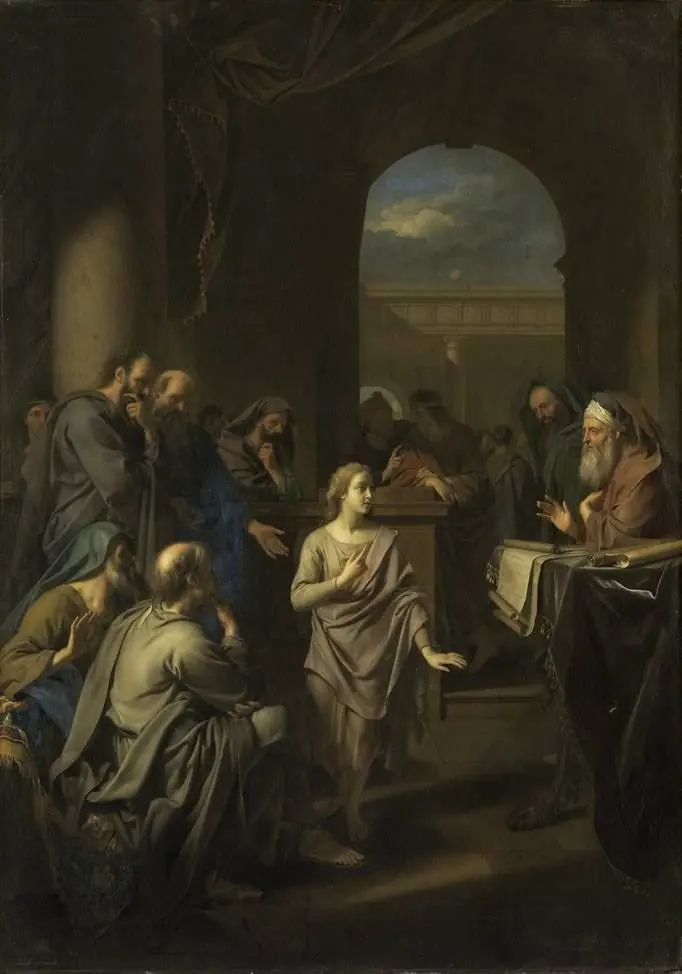 The 12-year-old Jesus in the Temple
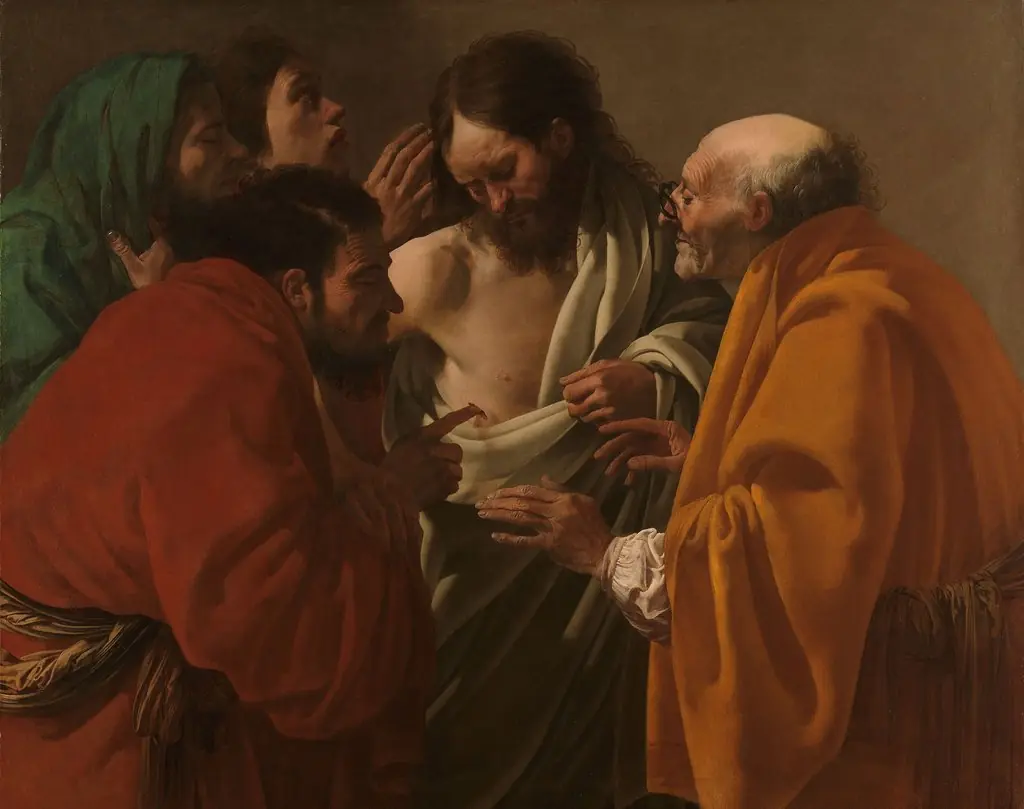 The Incredulity of Thomas
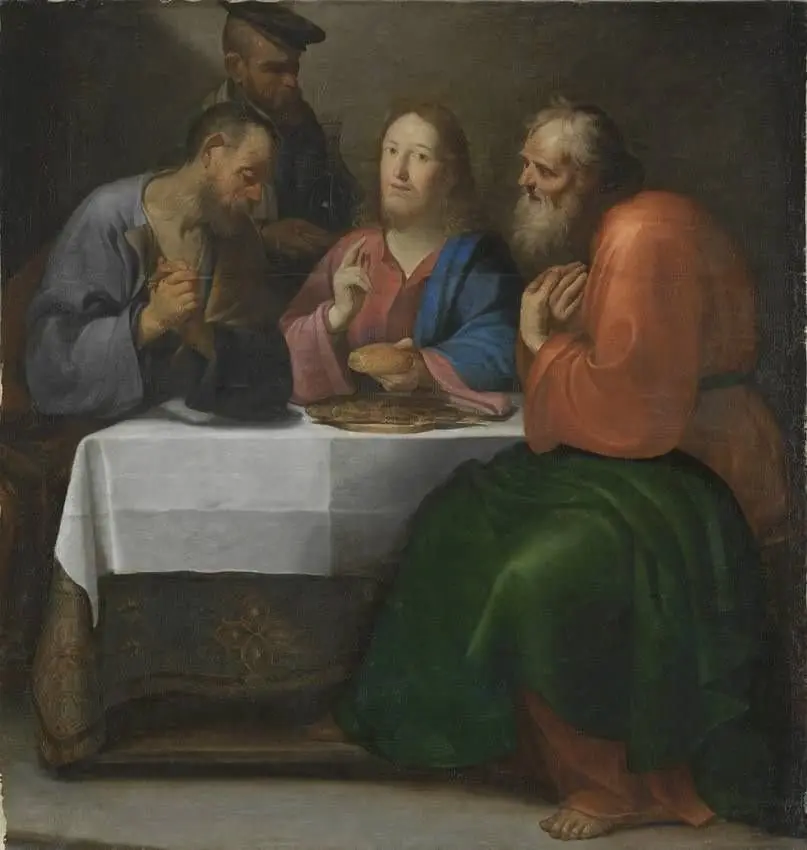 Emmausmahl