Artwork
The Emperor of China Ploughs the First Furrow in Honour of Agriculture
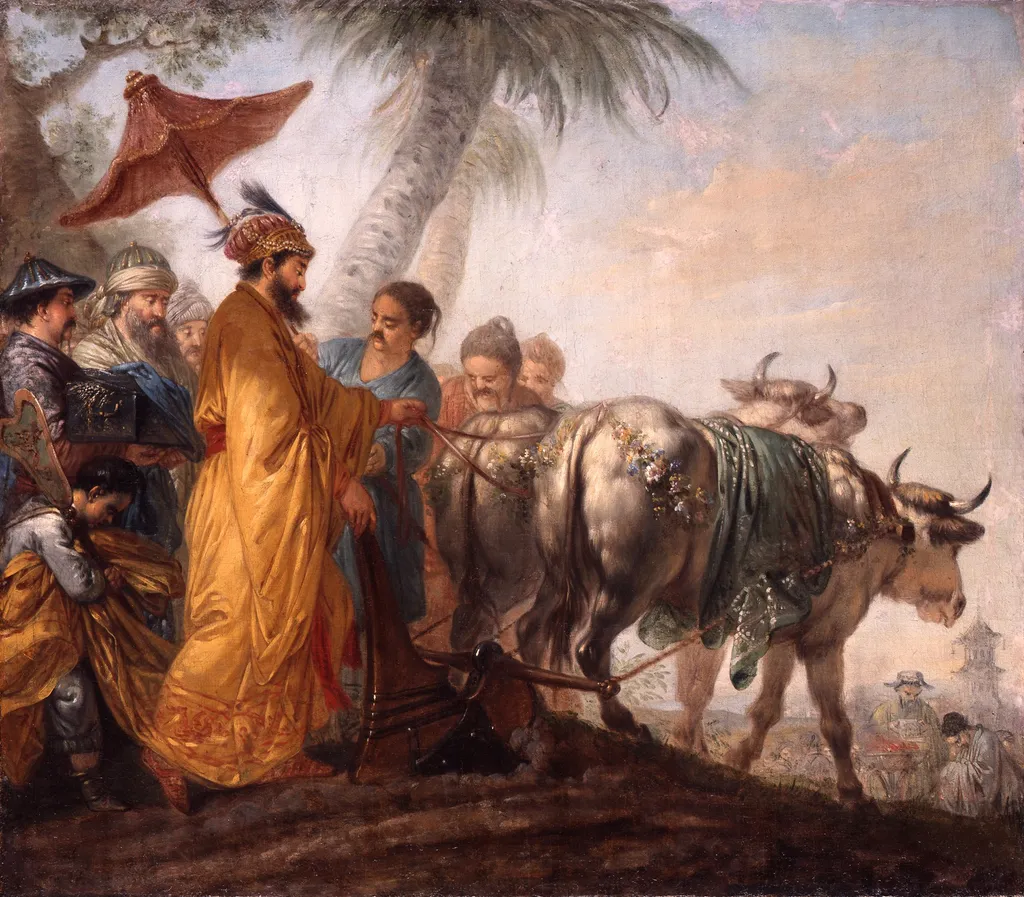
The Emperor of China Ploughs the First Furrow in Honour of Agriculture is an oil painting by the Rococo painting artist Bernhard Rode. It dates from 1771 and is held in the collection of the Gemäldegalerie Berlin.
About this work
Overview
The Emperor of China Ploughs the First Furrow in Honour of Agriculture is an oil painting created by Bernhard Rode in 1771. It is a representative work of the Rococo style and is currently held in the Gemäldegalerie Berlin.
Subject & Meaning
The painting depicts a ceremonial scene in which a Chinese emperor, dressed in traditional attire, plows a furrow accompanied by attendants. The scene is rich in agricultural symbolism, conveying a sense of harmony between the ruler and nature.
Technique & Style
Executed in oil paint, the work showcases Rode's skill in capturing atmosphere and detail. The intricate designs on the emperor's robe and the serene background, featuring trees and a cloudy sky, exemplify the Rococo style's emphasis on elegance and refinement.
History & Provenance
Bernhard Rode, a Prussian artist associated with the Berlin Enlightenment, created this painting. His connections to intellectuals like Friedrich Nicolai and Gotthold Lessing influenced his work, which often reflected contemporary philosophical and political ideas.
Own this work as a print
Artist & collection
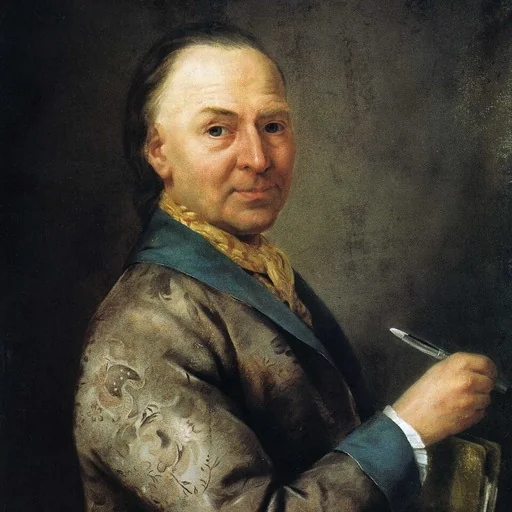
Artist
Bernhard Rode (25 July 1725 – 28 June 1797) was a Prussian artist and engraver well known for portraying historical scenes and allegorical works.

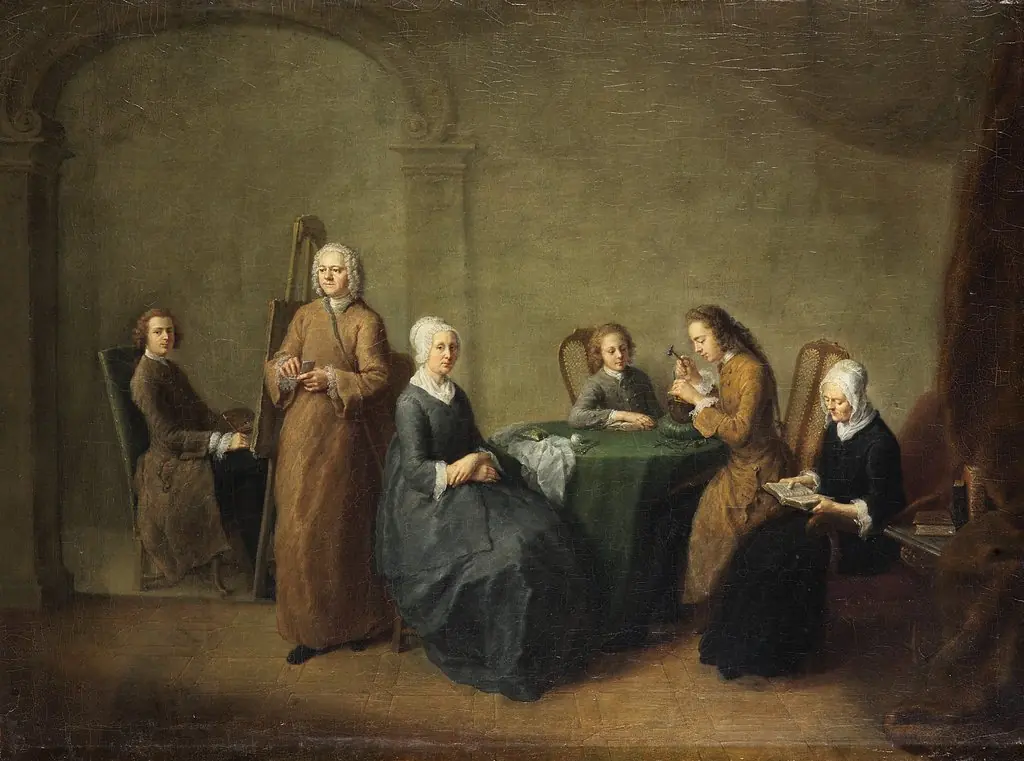 The Artist with his Family
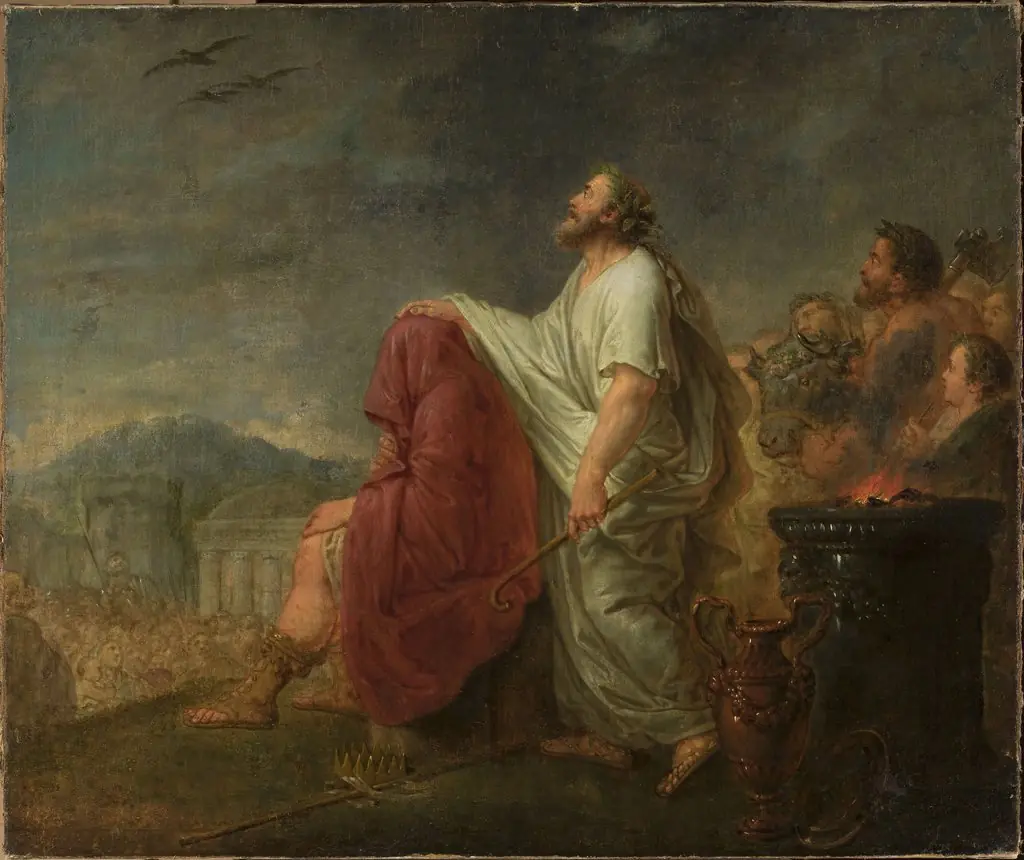 Ancient scene of sacrifice
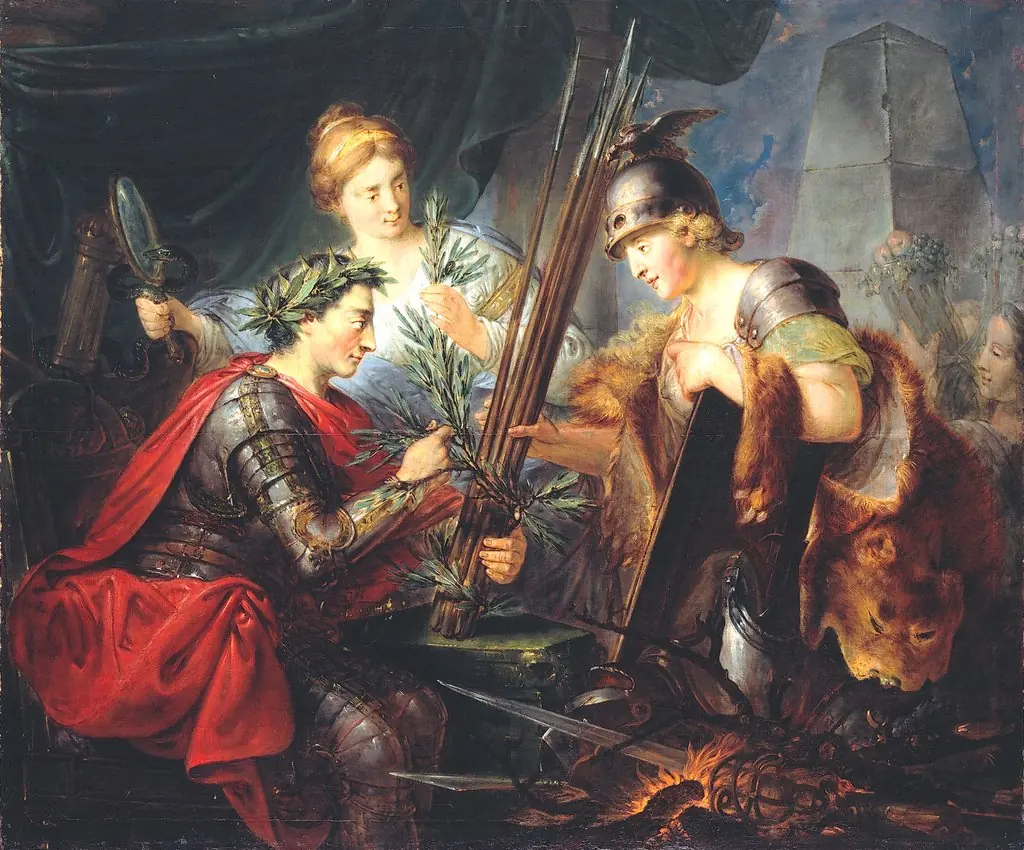 Allegory of Frederick the Great as the founder of the German Prince League
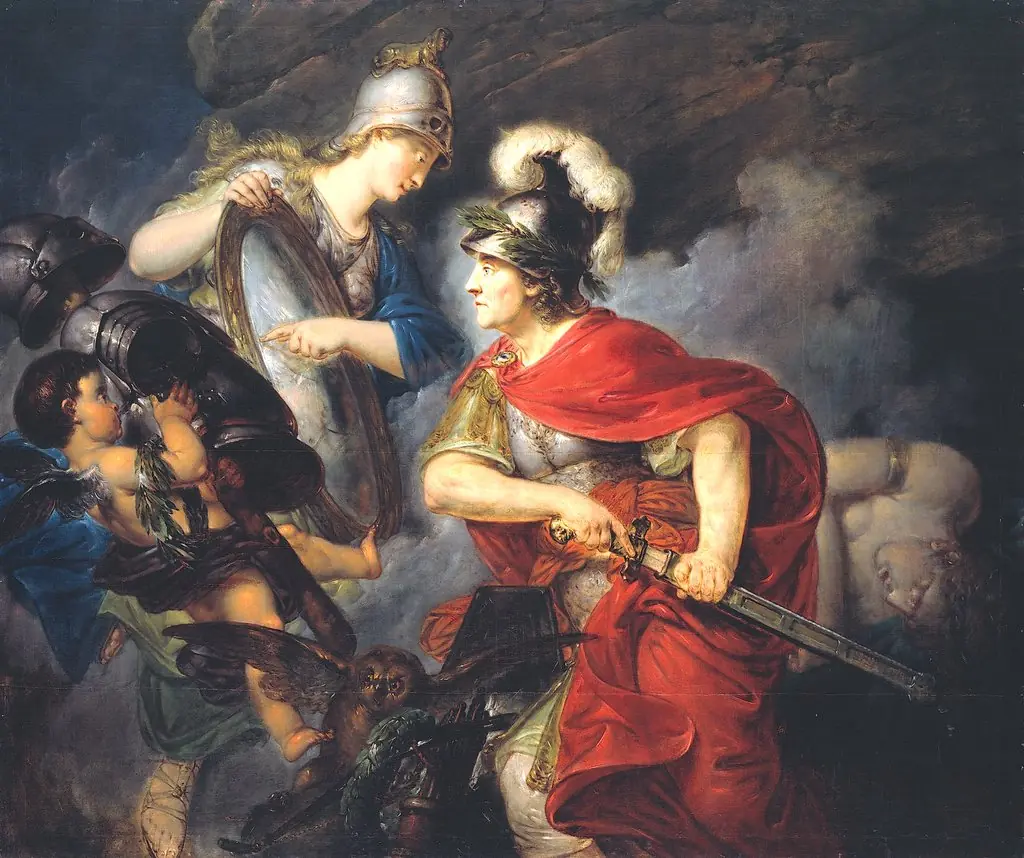 Allegory of Frederick the Great as Perseus
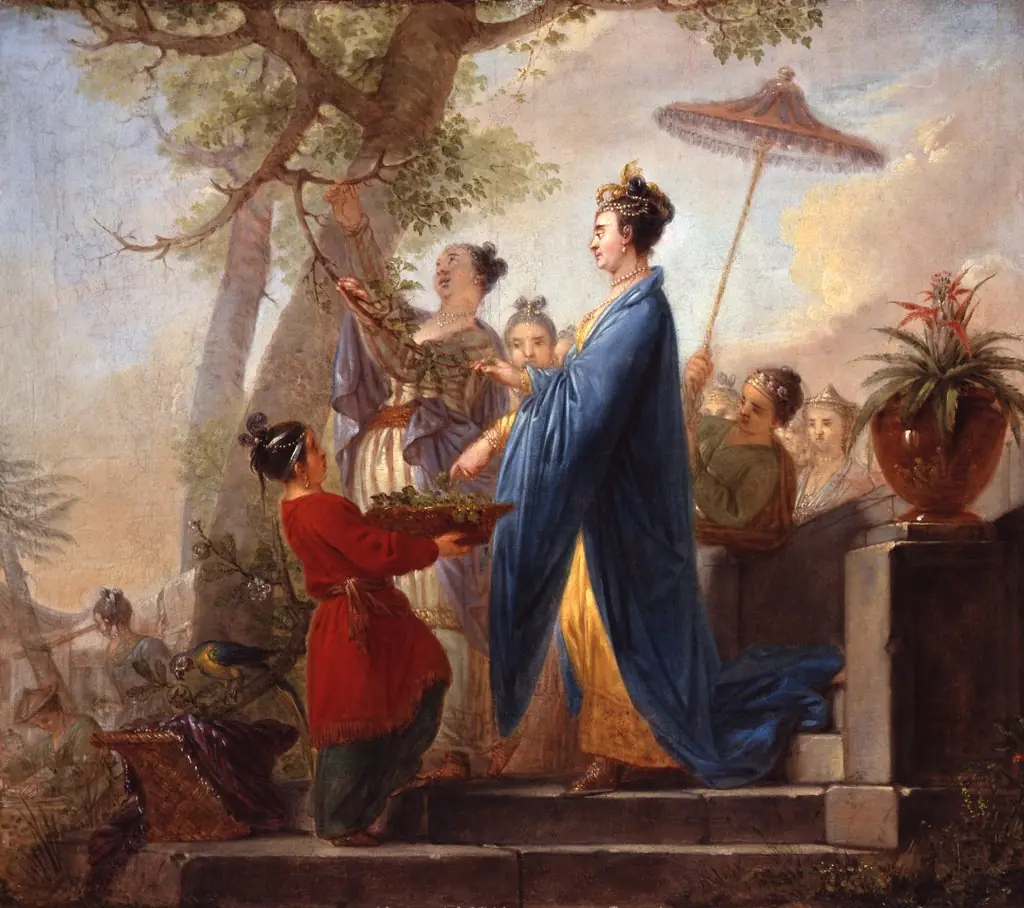 The Empress of China Picks the First Mulberry Leaves in Honour of Silk Cultivation
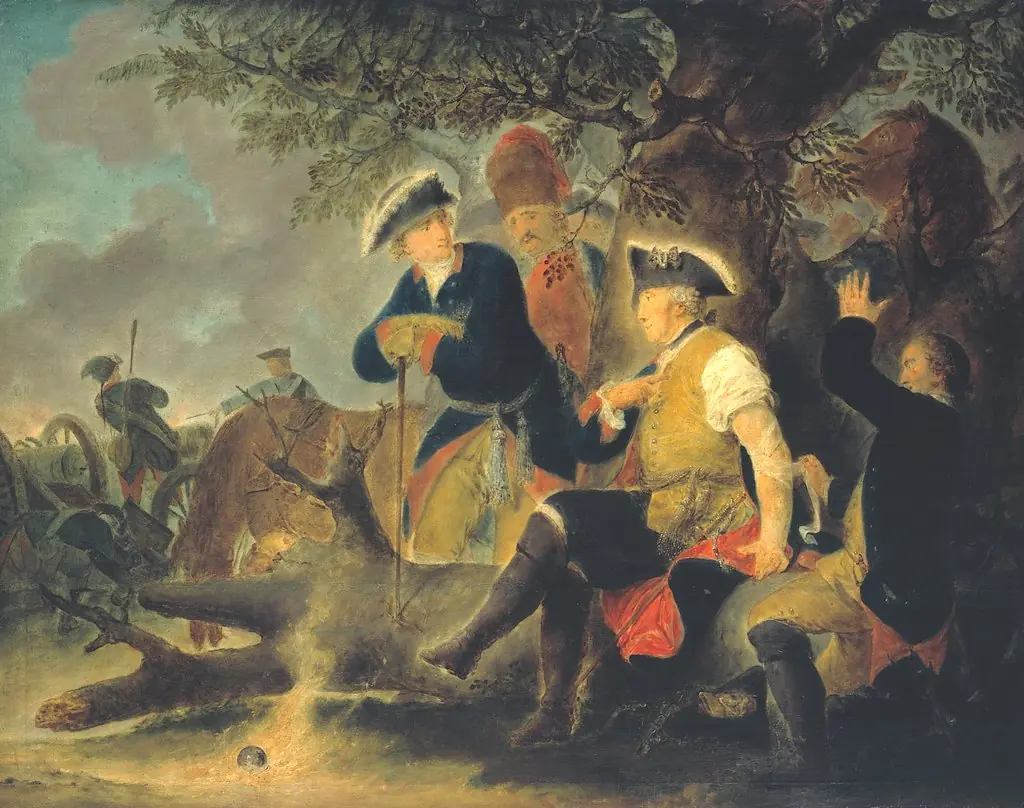 Friedrich und der Feldscher
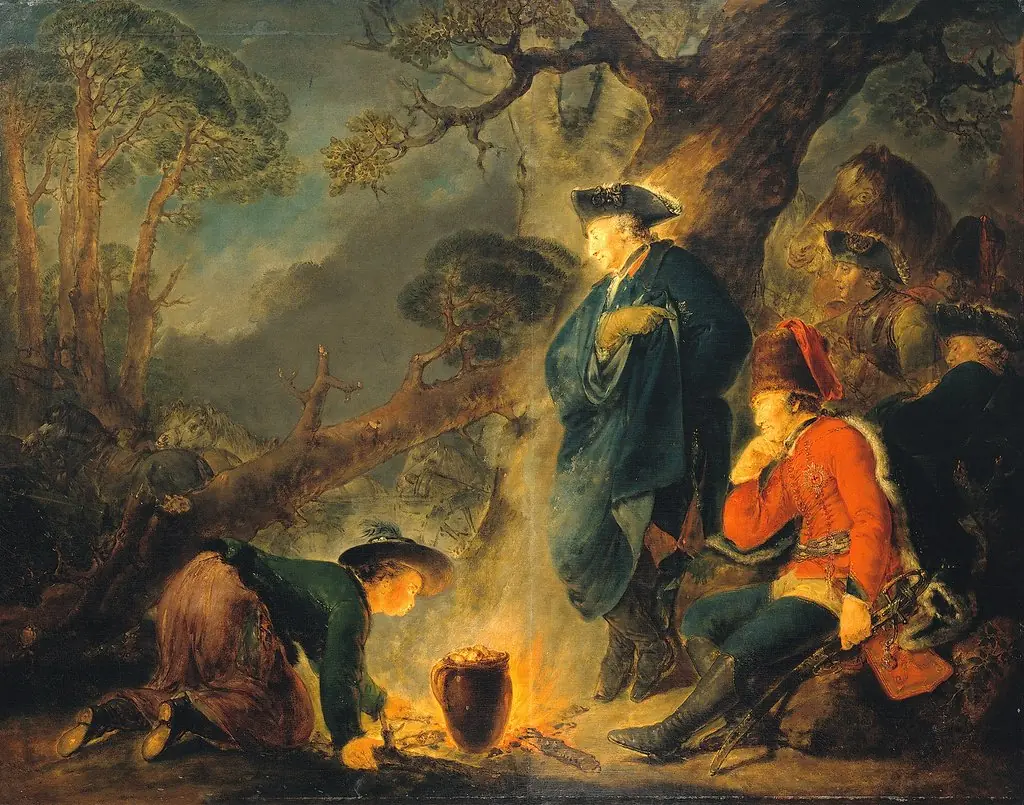 Frederick the Great before the Battle of Torgau
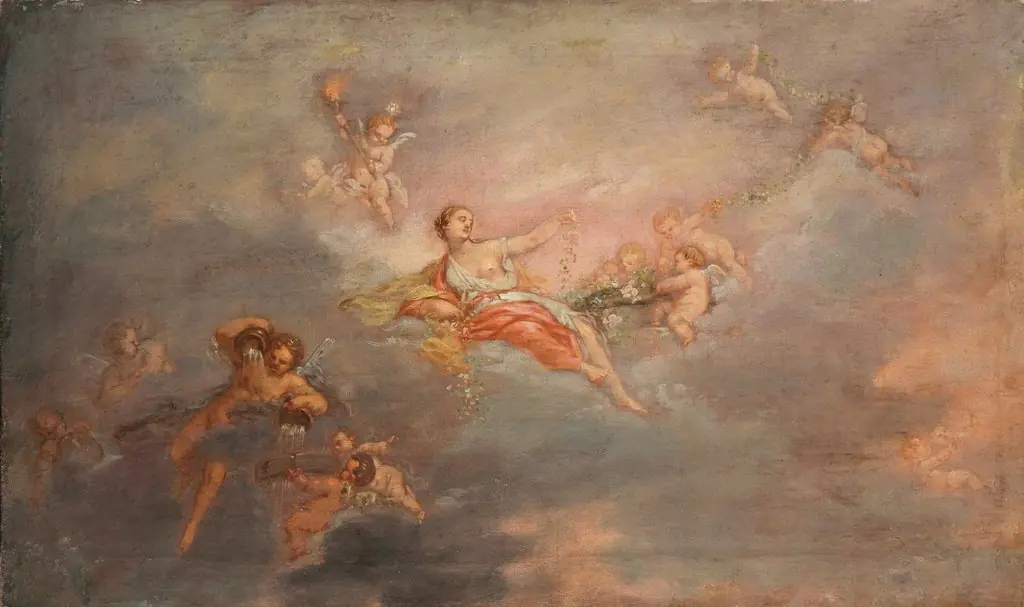 Der Morgen / Aurora blumenstreuend