Artwork
Alexandru cel Mare și Diogene
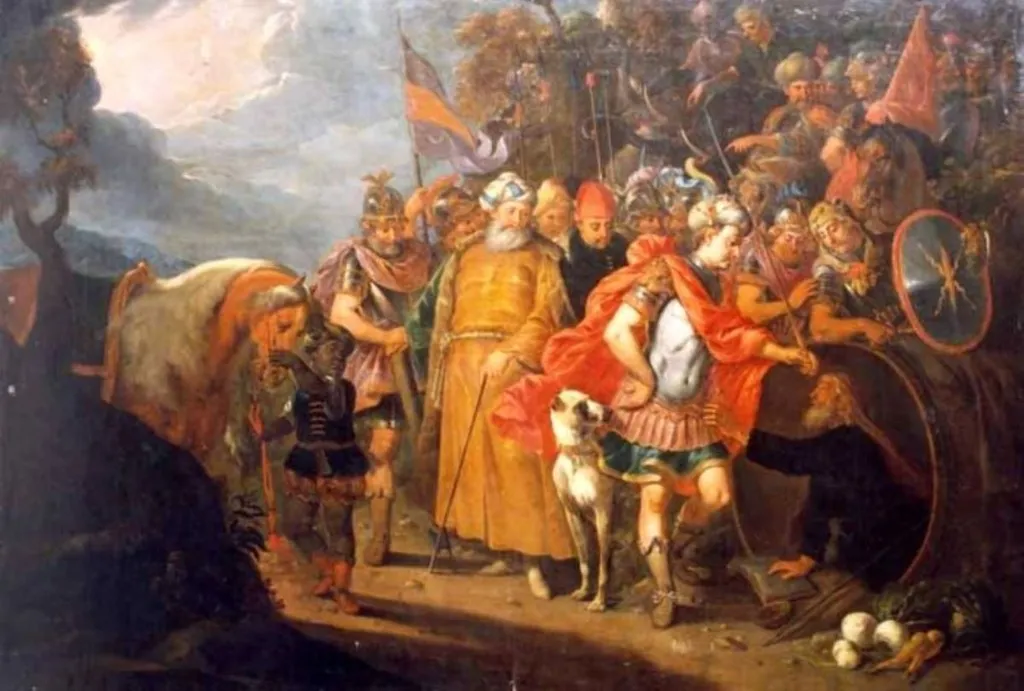
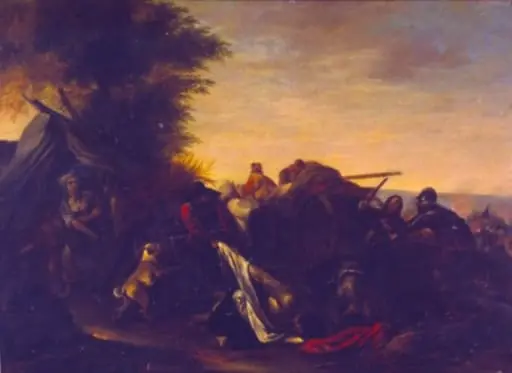
Alexandru cel Mare și Diogene is an unspecified painting by the Barbizon school artist Jan Thomas. It dates from 1672 and is held in the collection of the Brukenthal National Museum.
About this work
Overview
Jan Thomas’s 1672 canvas, titled Alexandru cel Mare şi Diogene, presents a dramatic encounter between the famed ruler Alexander the Great and the philosopher Diogenes. Executed as a history painting, the work captures a moment of confrontation set against a turbulent seascape, employing the theatricality characteristic of late‑Baroque narrative art.
Subject & Meaning
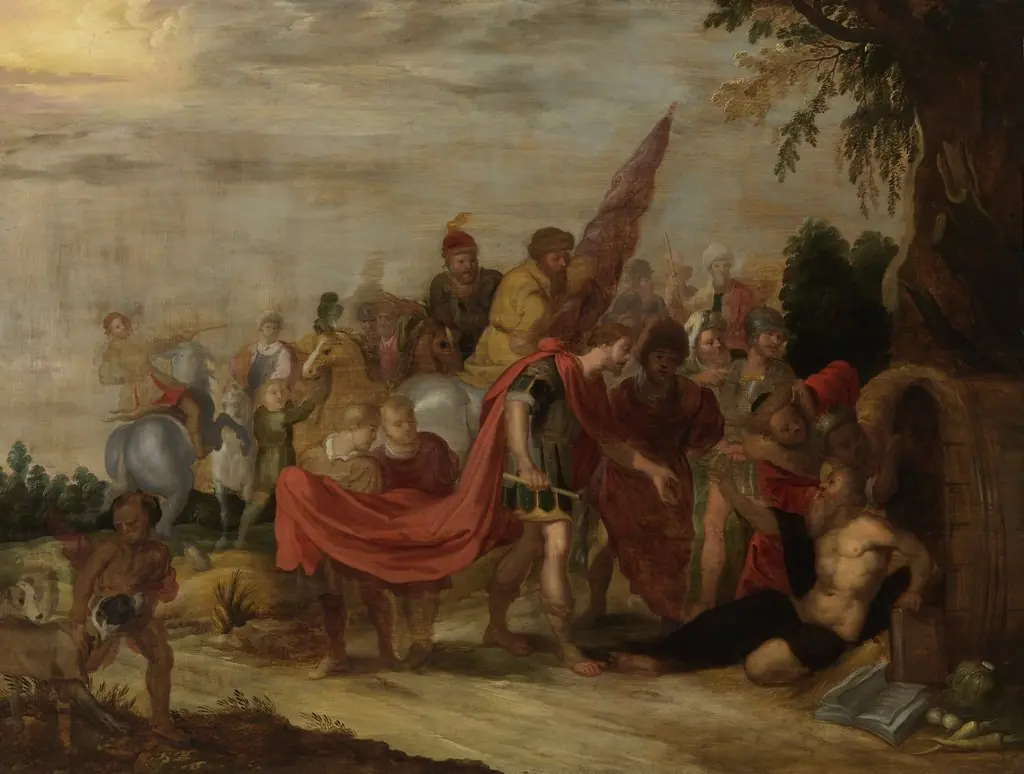
The central narrative depicts Alexander, attired in regal armor, approaching the austere Diogenes, who reclines on a simple stone while a dog lies at his feet.
The central narrative depicts Alexander, attired in regal armor, approaching the austere Diogenes, who reclines on a simple stone while a dog lies at his feet. The composition suggests the legendary anecdote in which the conqueror asks Diogenes what he desires, to which the philosopher replies, “Leave me alone.” The juxtaposition of power and asceticism invites reflection on the limits of authority and the value of philosophical detachment.
Technique & Style
Thomas renders the scene with vigorous brushwork and a palette of saturated reds, yellows, and deep greens that heighten the emotional intensity. Strong chiaroscuro models the figures, while the storm‑clouded sky and marching soldiers in the background amplify the sense of movement. The contrast between the richly ornamented courtly attire and Diogenes’s plain garb underscores the thematic opposition.
History & Provenance
Created in 1672, the painting was likely commissioned for a private collector interested in classical themes popular among European aristocracy. Documentation traces its ownership through several noble families before entering a public collection in the early twentieth century, where it has remained on display as an exemplar of Baroque historical narrative.
Context
During the late seventeenth century, artists frequently revisited ancient anecdotes to comment on contemporary power structures. Thomas’s work aligns with this trend, employing the Baroque emphasis on drama and emotional engagement to reinterpret a timeless moral story for a courtly audience.
Legacy
Although not as widely reproduced as other Baroque history paintings, Alexandru cel Mare şi Diogene continues to be studied for its synthesis of classical subject matter and the period’s dynamic visual language, offering insight into the era’s cultural preoccupations with authority, virtue, and artistic expression.
Artist & collection


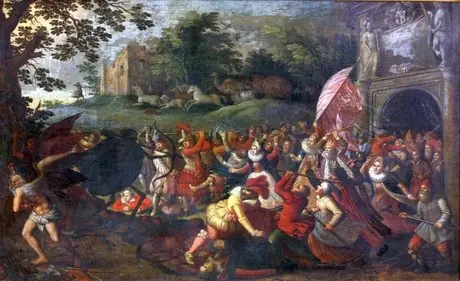 The victory of death
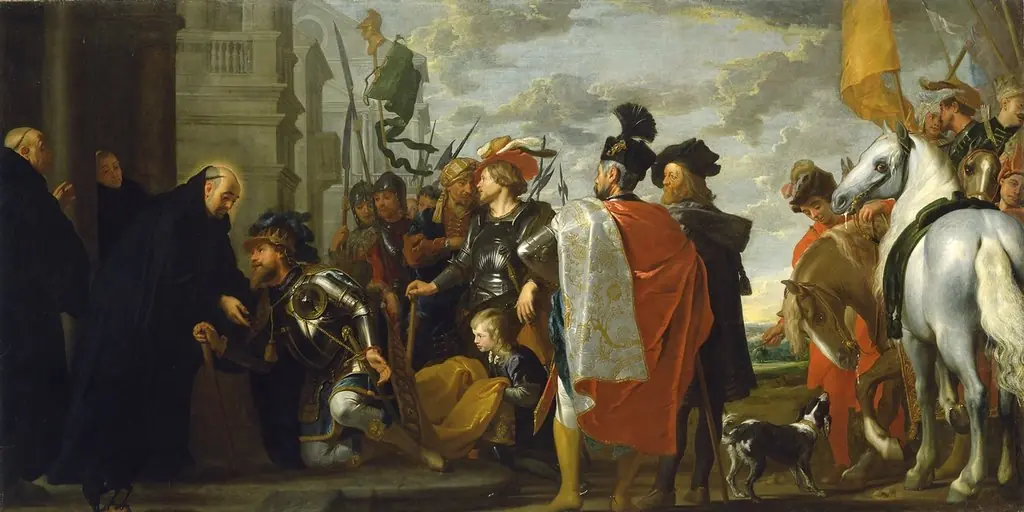 Saint Benedict receiving Totila, King of the Ostrogoths
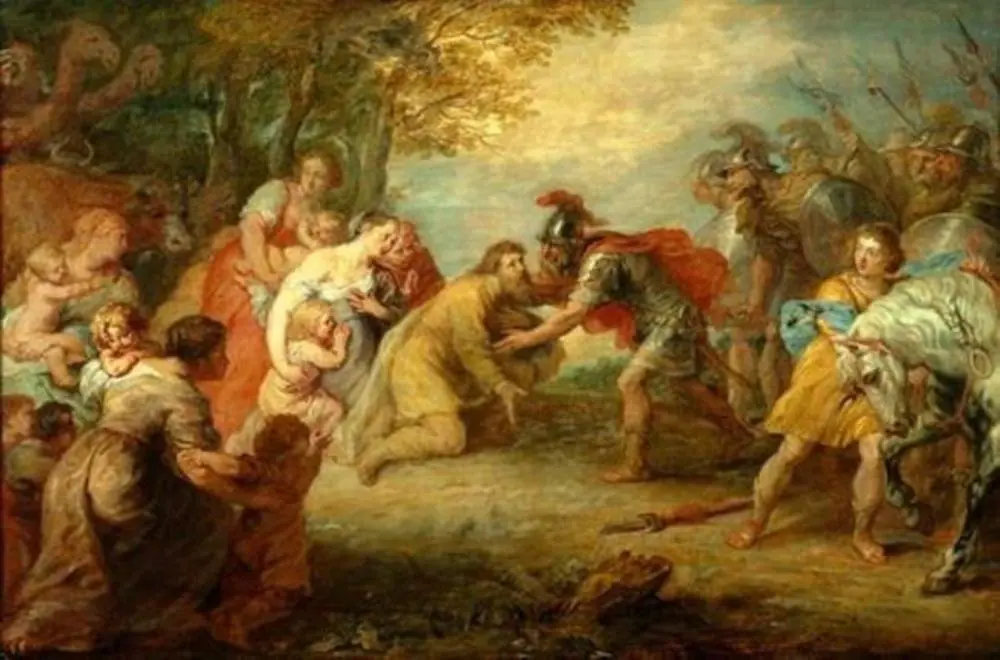 The reconciliation of Jacob and Esau: Esau runs to meet Jacob and kisses him (Genesis 33:3-4)
 Saul uns rege de către Samuel
 Römischer Triumphzug
 John the Baptist Preaching in the Forest
 Enthaltsamkeit des Scipio
 Indische Könige huldigen Alexander dem Großen
 Meeting of King Ferdinand and Cardinal-infante Ferdinand at Nördlingen
 Fools Have the Most Fun
 Alexander en Diogenes
 Atac la drumul mare