Artwork
Guy Little Theatrical Photograph
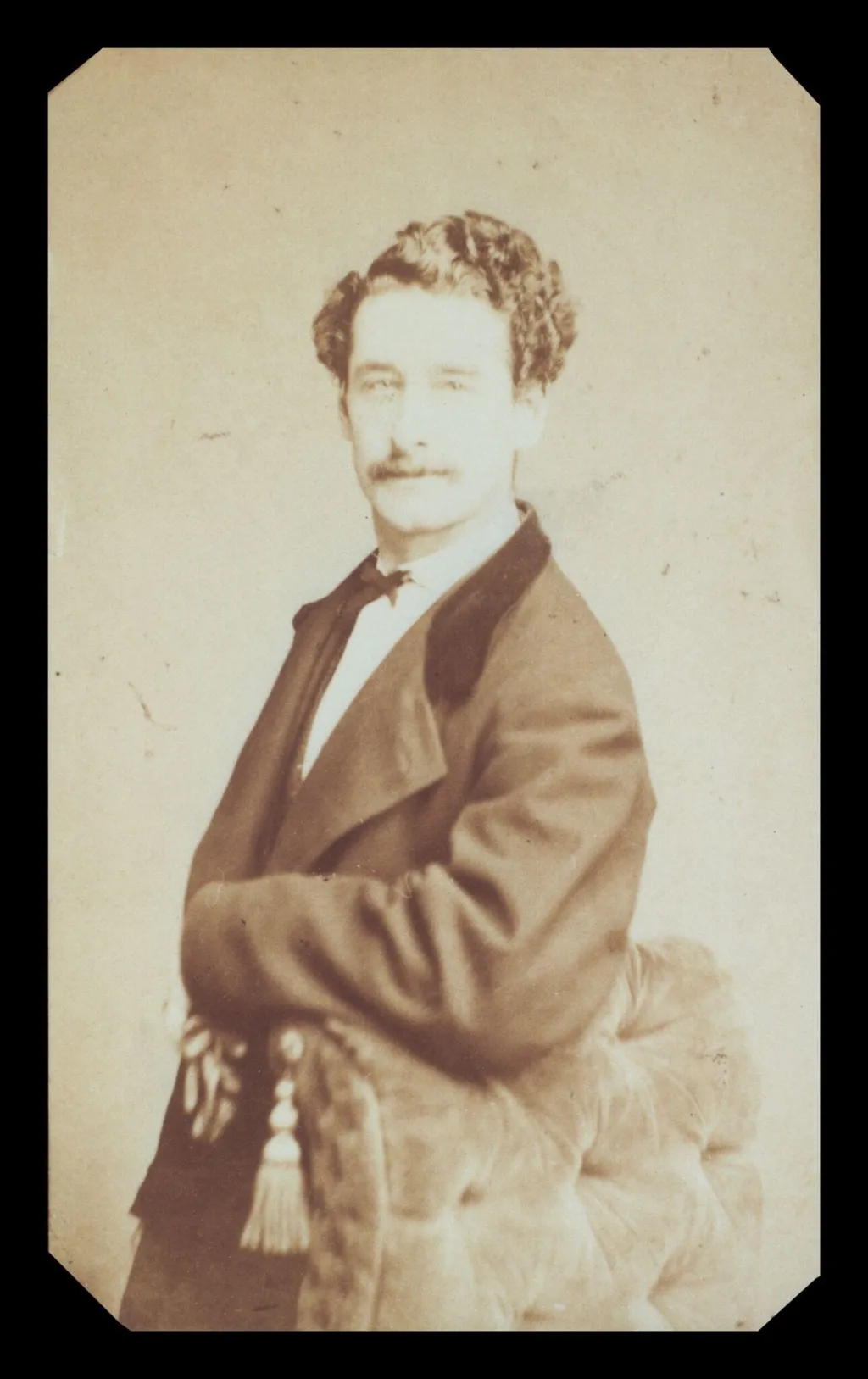
Guy Little Theatrical Photograph is a photographic photography by the Impressionist artist George Cooper. It dates from 1864 and is held in the collection of the Victoria and Albert Museum.
About this work
Overview
Little later removed such images from their original backings and mounted them systematically in albums, which he bequeathed to the Victoria and Albert Museum.
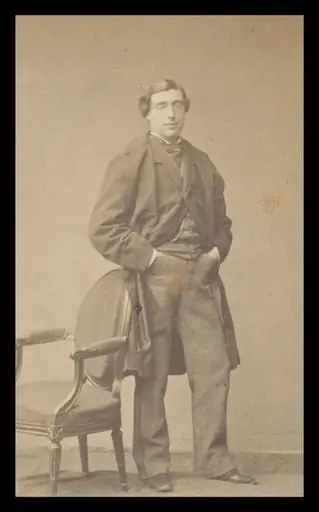
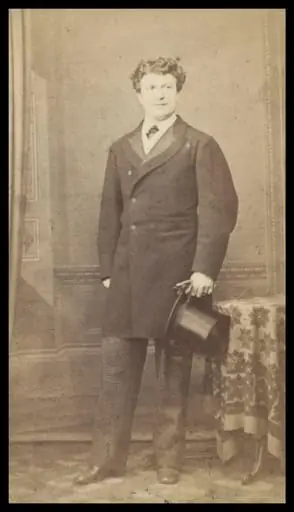
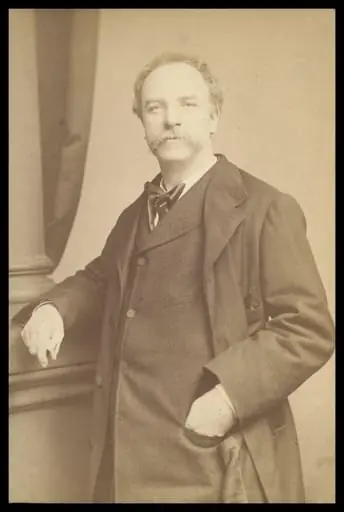
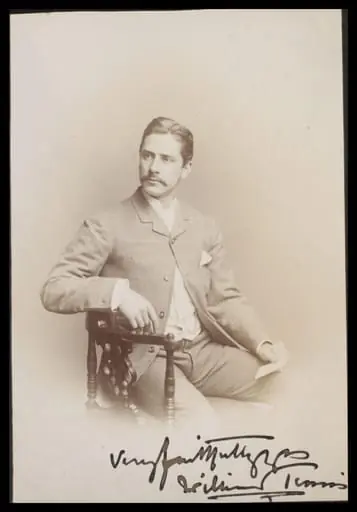
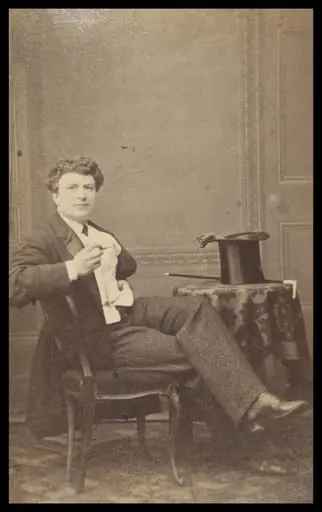
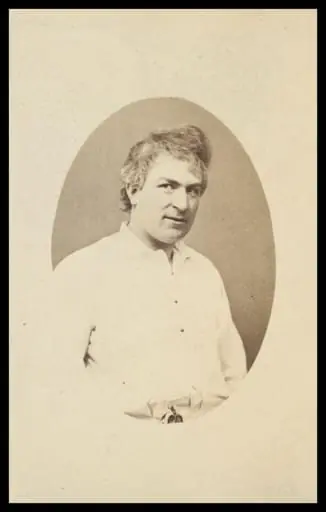
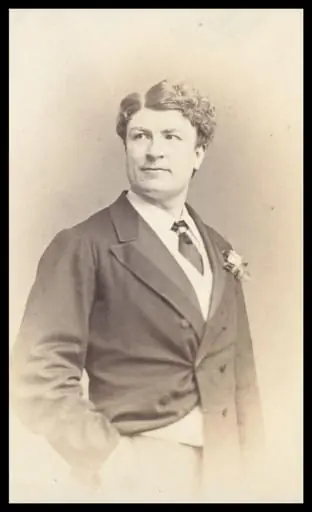
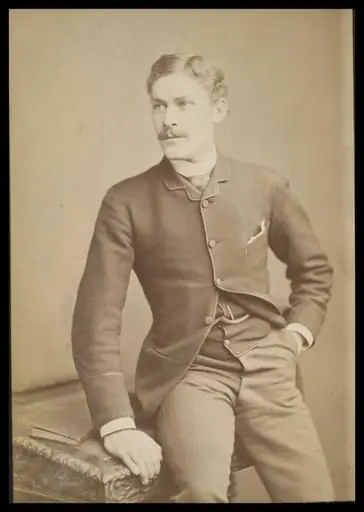
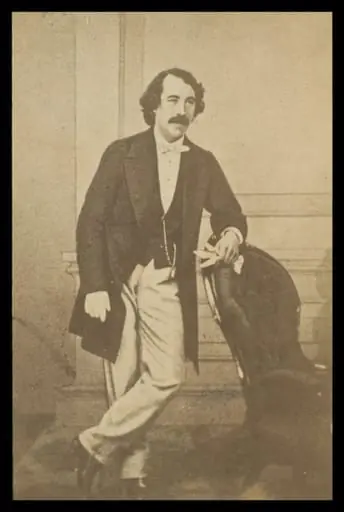
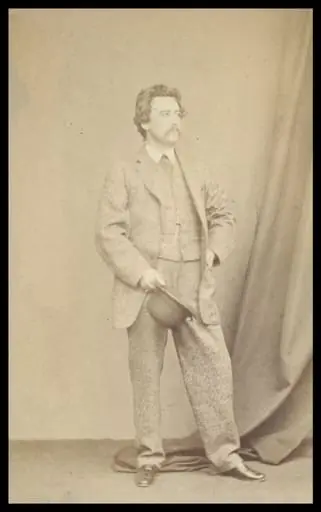
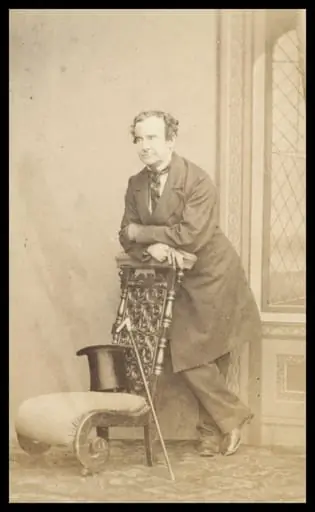
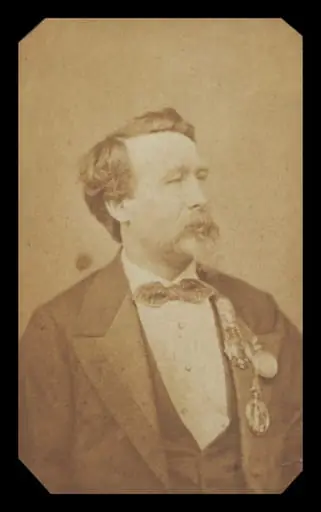
This photograph of actor William Henry Powell was taken by George Cooper in the Victorian era and belongs to a collection assembled by Guy Tristram Little, a legal professional and avid collector of ephemera. Originally produced as a carte de visite or cabinet card, it was mounted on cardstock bearing the photographer’s imprint. Little later removed such images from their original backings and mounted them systematically in albums, which he bequeathed to the Victoria and Albert Museum.
Subject & Meaning
William Henry Powell, a stage actor of the period, is depicted in a formal studio portrait, likely in costume or attire associated with a theatrical role. Such images served both as promotional tools and personal mementos, allowing the public to connect with performers beyond the stage. The portrait reflects the era’s fascination with celebrity and the blurring of private and public identity through mass-produced imagery.
Technique & Style
The image is an albumen print made from a glass negative, the standard photographic process of the mid-to-late 19th century. Its composition adheres to studio conventions of the time: controlled lighting, neutral backdrop, and a posed, frontal stance. The print’s small scale and crisp detail were designed for intimate handling and collection, aligning with the popularity of portable photographic formats like cartes de visite.
History & Provenance
The photograph was part of Guy Tristram Little’s personal archive of theatrical and popular imagery, collected between the 1870s and early 20th century. Little, a solicitor and executor of Gabrielle Enthoven’s estate, inherited her extensive theatrical holdings. His albums, including this image, were donated to the V&A, forming a foundational part of the museum’s Theatre Collections.
Context
During the mid-1800s, photographic portraiture became a widespread cultural practice, with cartes de visite circulating like modern-day social media images. Collecting them was a domestic pastime, and actors were among the most popular subjects. This photograph reflects a moment when photography transitioned from novelty to norm, intersecting with the rise of mass consumer culture and the commercialization of celebrity.
Legacy
Little’s meticulous preservation of these images ensured their survival beyond their original ephemeral function. The V&A’s holdings, including this portrait, now serve as critical resources for understanding Victorian performance culture and the early relationship between photography and public identity. The collection remains a key archive for scholars of theatre and visual history.
Artist & collection
Artist
George Cooper spent his life behind the scenes at London theaters, snapping candid shots of actors between takes.