Artwork
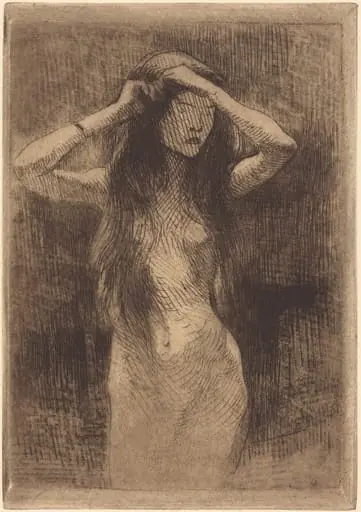
Nude with Her Arms Raised (Le modèle nue les bras levés)
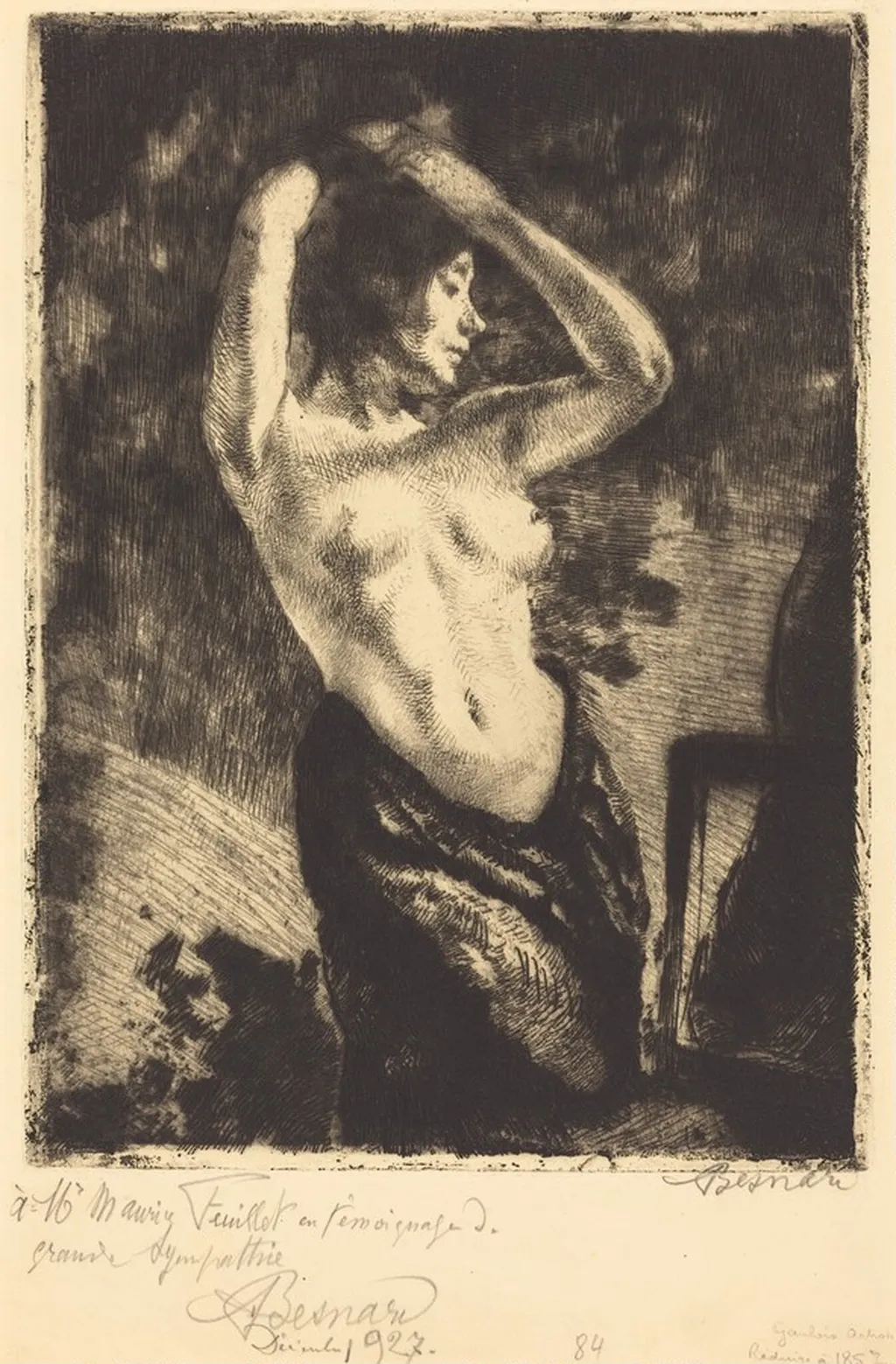
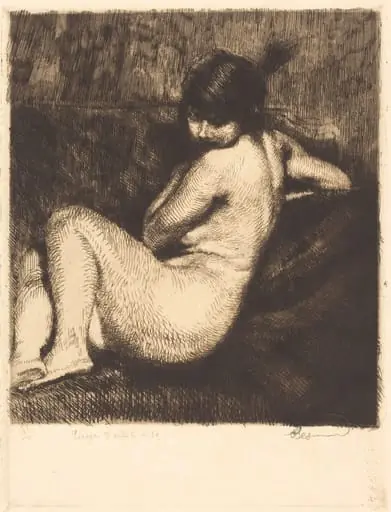
Nude with Her Arms Raised (Le modèle nue les bras levés) is an ink print by Paul-Albert Besnard. It dates from 1925 and is held in the collection of the National Gallery of Art. Created in 1925, this print by Albert Besnard is a black-and-white etching and drypoint on wove paper.
About this work
Overview
The composition isolates the body against a dark, indistinct background, directing focus to the posture and surface quality of the drawing.
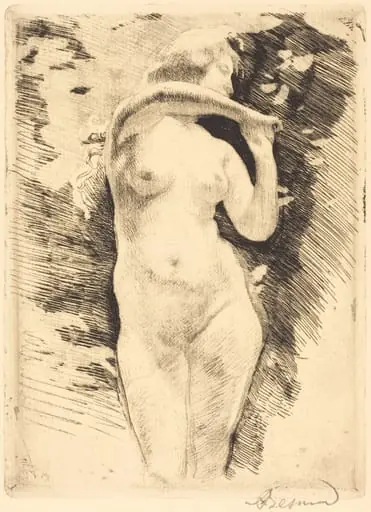
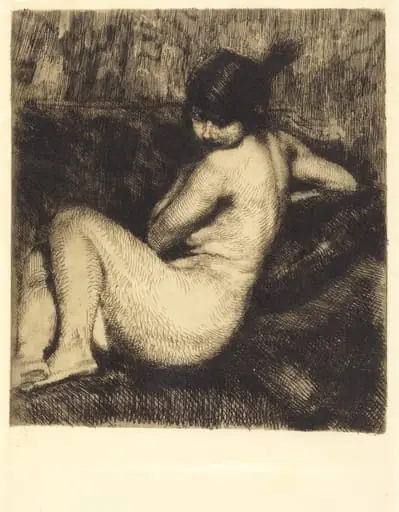
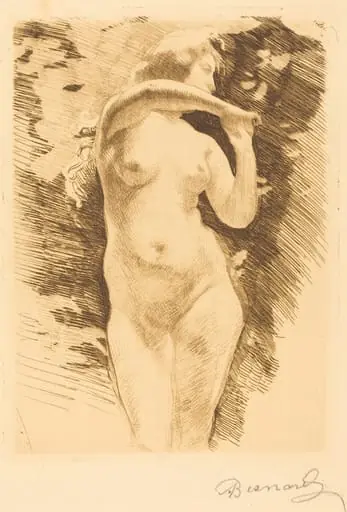
Created in 1925, this print by Albert Besnard is a black-and-white etching and drypoint on wove paper. It depicts a female figure with arms raised, rendered in a tactile, linear style that emphasizes texture over smoothness. The composition isolates the body against a dark, indistinct background, directing focus to the posture and surface quality of the drawing. The paper’s rough edges and the print’s intimate scale suggest a personal, studio-based process rather than a public commission.
Subject & Meaning
The figure is presented without narrative context, her pose neither idealized nor theatrical. Raised arms suggest a moment of transition—perhaps stretching, adjusting, or pausing—captured in unembellished realism. The absence of facial detail and the neutral setting remove symbolic or emotional cues, inviting attention to the physicality of the form. This approach aligns with early 20th-century interests in the body as a subject of formal study rather than allegory.
Technique & Style
Besnard combined etching and drypoint to achieve varied line quality: etched lines are crisp and controlled, while drypoint burrs create soft, fuzzy textures that catch ink unevenly. The dark background was likely built through aquatint, adding tonal depth without detail. The hand-drawn appearance results from direct tool work on the plate, with visible scratchiness and irregularities that emphasize the artist’s physical engagement with the medium.
History & Provenance
This print was made late in Besnard’s career, during a period when he increasingly focused on intimate figure studies. It was likely produced for private circulation among collectors and fellow artists rather than mass reproduction. No public exhibition history is widely documented, but its technical sophistication suggests it was held in esteem within artistic circles in France during the 1920s.
Context
In the 1920s, French printmakers revisited traditional techniques as a counterpoint to modernist abstraction. Besnard, trained in academic traditions, maintained a commitment to the human form while embracing the expressive potential of etching and drypoint. This work reflects a broader trend among contemporaries who valued the tactile, labor-intensive nature of printmaking as a means of direct artistic expression.
Legacy
Though not widely reproduced, this print exemplifies Besnard’s late engagement with the nude as a vehicle for technical exploration. Its emphasis on materiality and process influenced later printmakers interested in the physical trace of the artist’s hand. It remains a quiet but significant example of interwar French printmaking that prioritizes craft and observation over spectacle.
Artist & collection
Artist
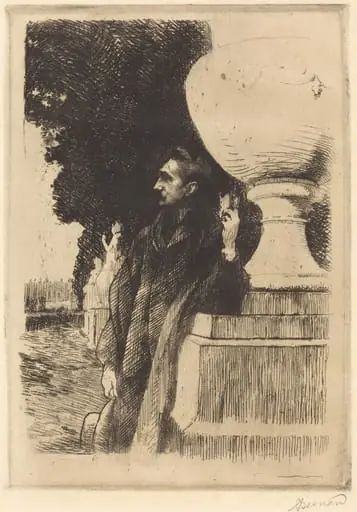
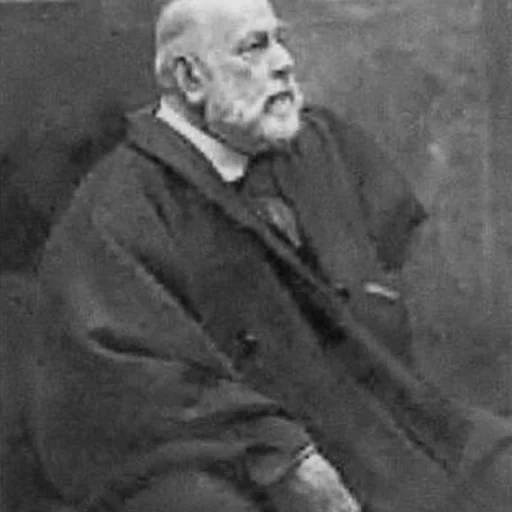
Paul-Albert Besnard (1849–1934) was a French artist, born in 7th arrondissement of Paris.