Artwork
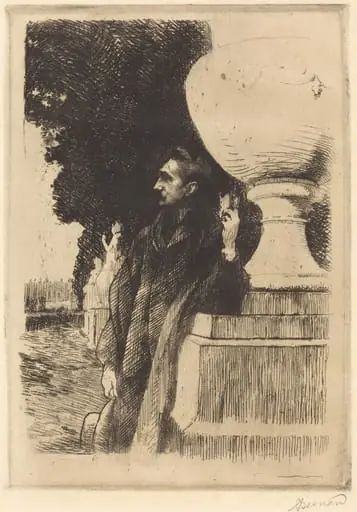
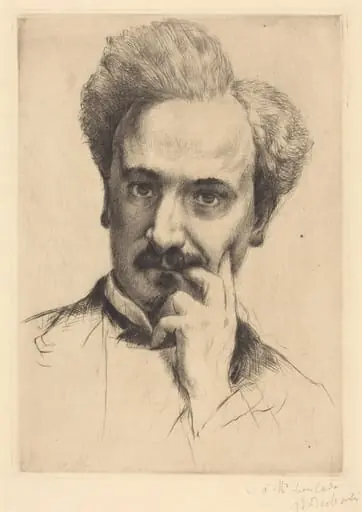
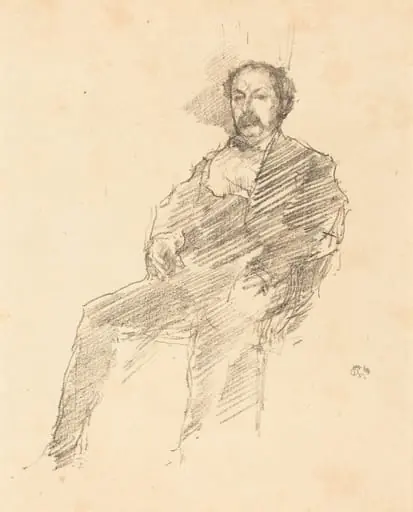
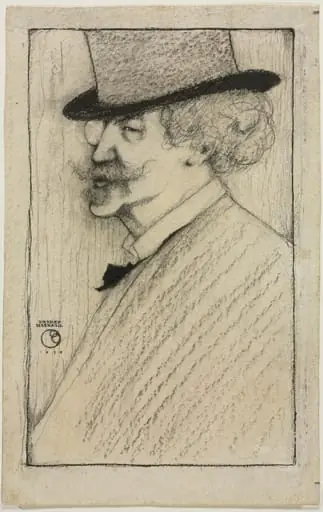
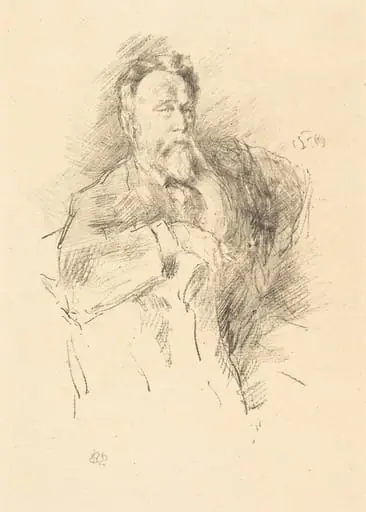
Portrait of a Man (Souvenir d'un Passage à Paris)
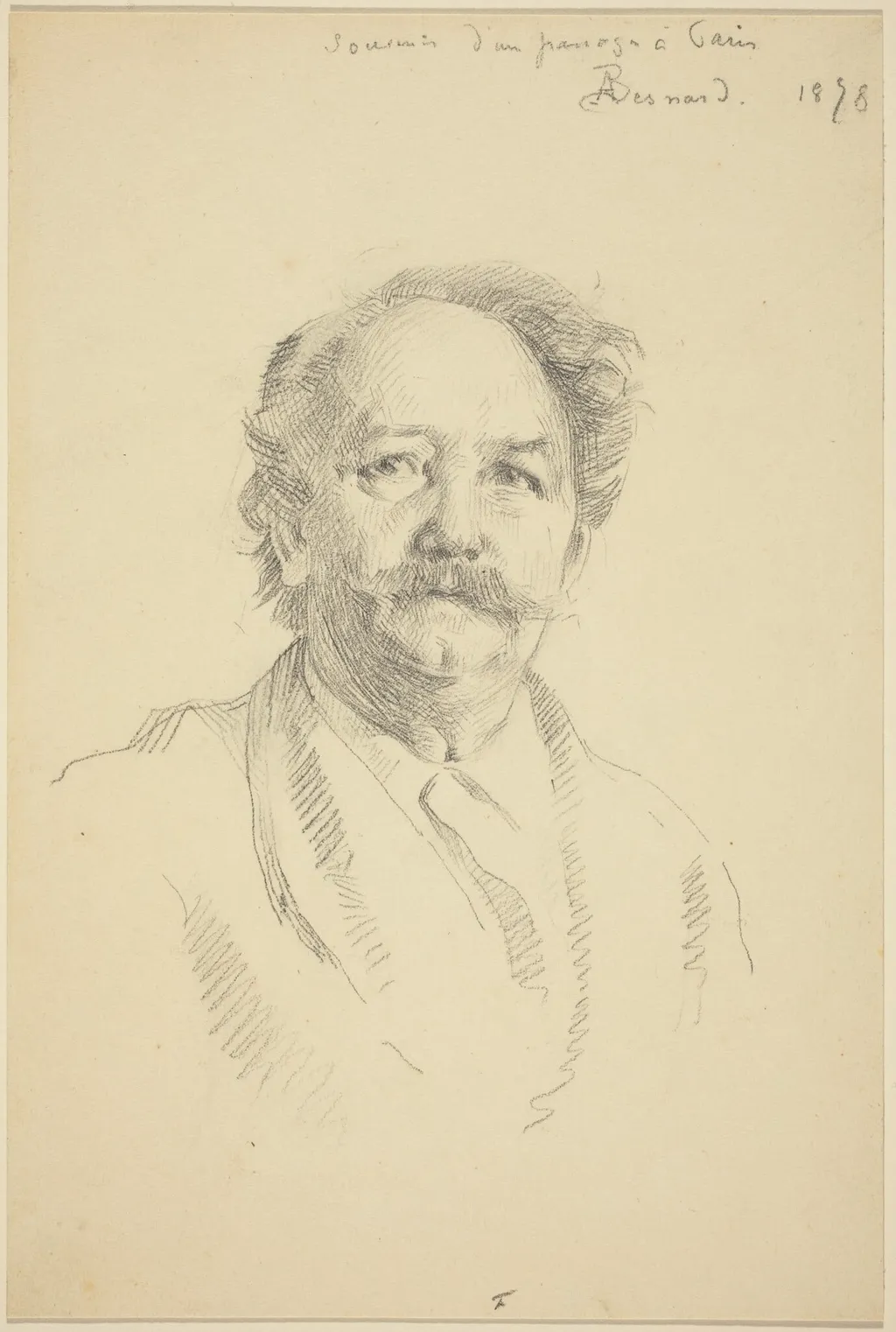
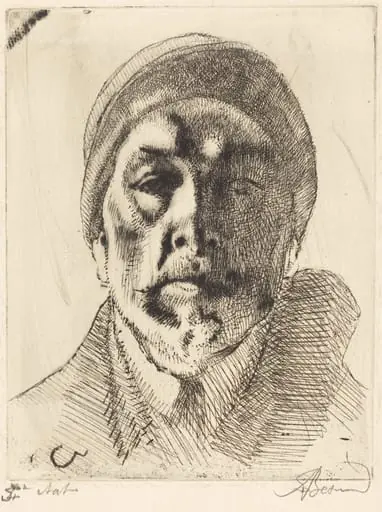
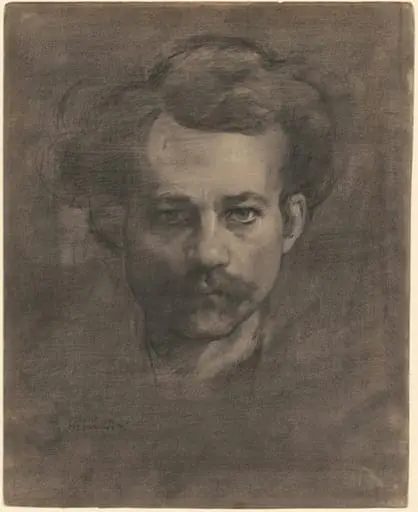
Portrait of a Man (Souvenir d'un Passage à Paris) is a graphite drawing by the Impressionist artist Paul-Albert Besnard. It dates from 1898 and is held in the collection of the National Gallery of Art.
About this work
Overview
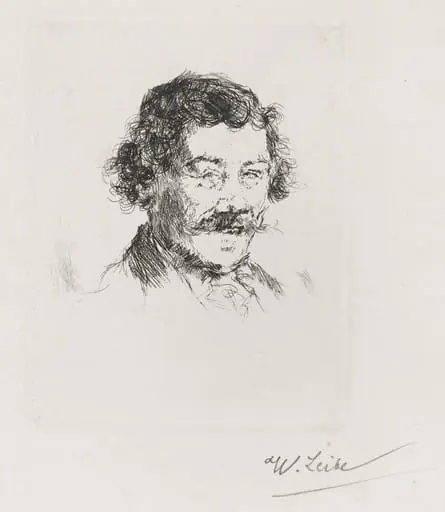
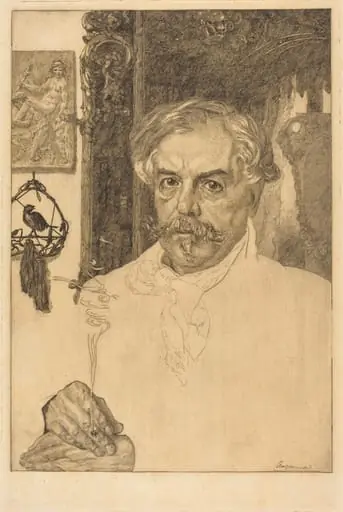
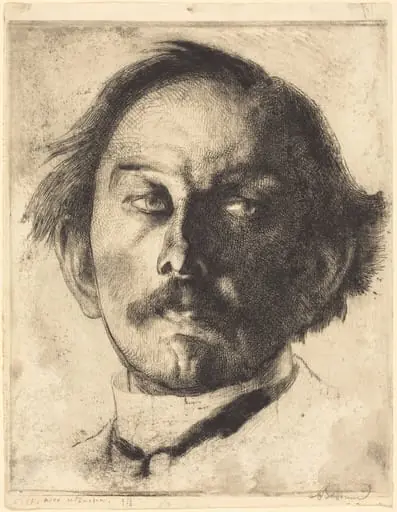
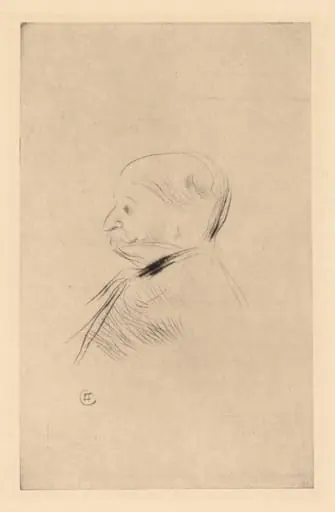
Portrait of a Man (Souvenir d'un Passage à Paris) is a graphite drawing on card created by Albert Besnard in 1898. It portrays a man from the chest up, with his head slightly turned to the left, featuring a mustache, collared shirt, and jacket.
Subject & Meaning
The subject appears lost in thought, conveying an atmosphere of quiet introspection. The depiction focuses on capturing the individual's contemplative state rather than detailing his surroundings.
Technique & Style
The drawing employs loose, expressive lines and visible cross-hatching, imparting a sense of texture and depth. While often associated with Impressionist techniques due to its expressive use of line and shadow, the work's primary emphasis is on the subject's emotional state.
History & Provenance
Created in 1898, specific details about the drawing's history and ownership prior to its current location are not provided.
Context
Though linked to Impressionist methods, the piece aligns more closely with the portrait traditions of the late 19th century, focusing on psychological depth.
Legacy
As a characteristic example of late 19th-century portrait drawing, it contributes to the understanding of transitional artistic practices between Impressionism and subsequent movements.
Artist & collection
Artist
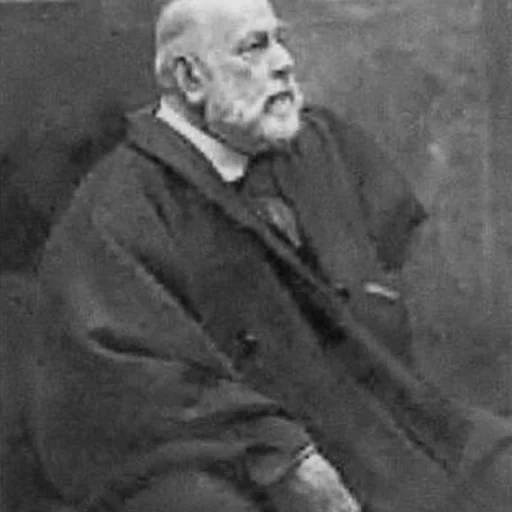
Paul-Albert Besnard (1849–1934) was a French artist, born in 7th arrondissement of Paris.