Artwork
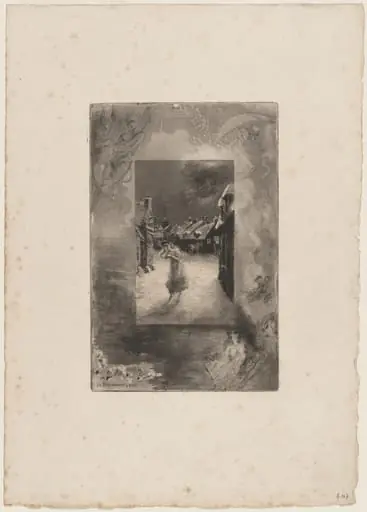
I Fratelli sono al campo [The Men are in the Field]
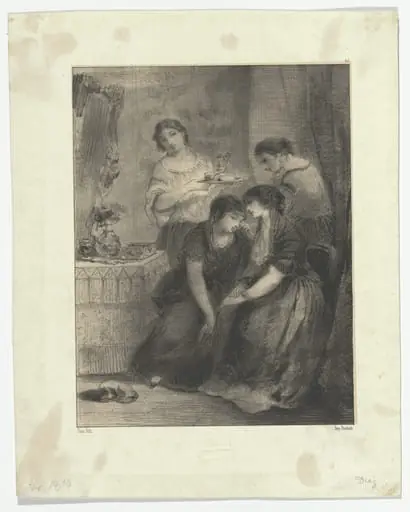
![I Fratelli sono al campo [The Men are in the Field], by Mosè Bianchi, ink, 1870](https://artifactworldgallery.com/img/mose-bianchi--i-fratelli-sono-al-campo-the-men-are-in-the-field--b5bf7974d41833c6-w1024.webp)
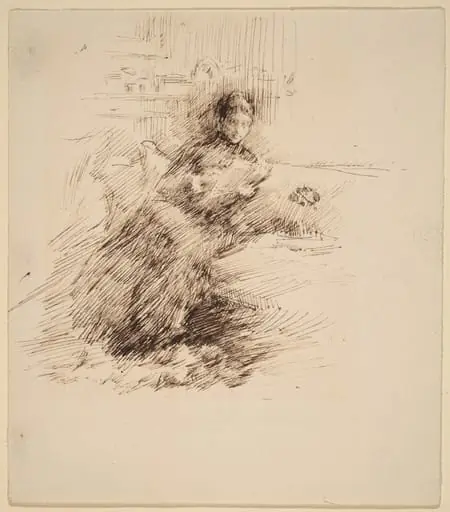
I Fratelli sono al campo [The Men are in the Field] is an ink print by the Impressionist artist Mosè Bianchi. It dates from 1870 and is held in the collection of the National Gallery of Art.
About this work
Overview
Mosè Bianchi’s 1870 print, titled I Fratelli sono al campo (The Men are in the Field), is an etching on chine collé executed as a proof. Rendered in monochrome, the work captures an intimate interior scene populated by three women, their gestures and expressions illuminated by a subdued light source.
Subject & Meaning
The composition presents a domestic space where one woman kneels beside a table, cradling a child whose hand reaches toward a second woman standing nearby. A third figure occupies the background, her face partially lit by daylight filtering through a window. The arrangement suggests themes of familial care and anticipation, possibly alluding to the absence of men working in the fields.
Technique & Style
Bianchi employs precise, incisive lines to delineate the textures of clothing, carved fireplace, and upholstered furnishings. The chiaroscuro effect is achieved through delicate gradations of tone, allowing the faces and hands to emerge from the surrounding darkness. The use of chine collé adds a thin paper layer, enhancing the print’s tonal richness and structural detail.
History & Provenance
Created as a proof in 1870, the etching reflects Bianchi’s interest in genre scenes during the late nineteenth century. While specific ownership records are limited, the work has been documented in catalogues of the artist’s print output and appears in collections focusing on Italian realist printmaking of the period.
Context
The image belongs to a broader tradition of Italian genre painting and printmaking that depicted everyday life with empathetic observation. Bianchi, active in Milan, often portrayed rural and domestic subjects, aligning his work with contemporary social concerns about labor, family structures, and the impact of agricultural cycles on household dynamics.
Artist & collection

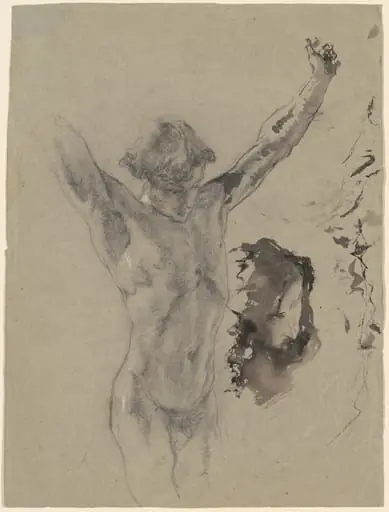 Study of the Figure and Head of Christ in "Christ on the Cross and Mary Magdalene"
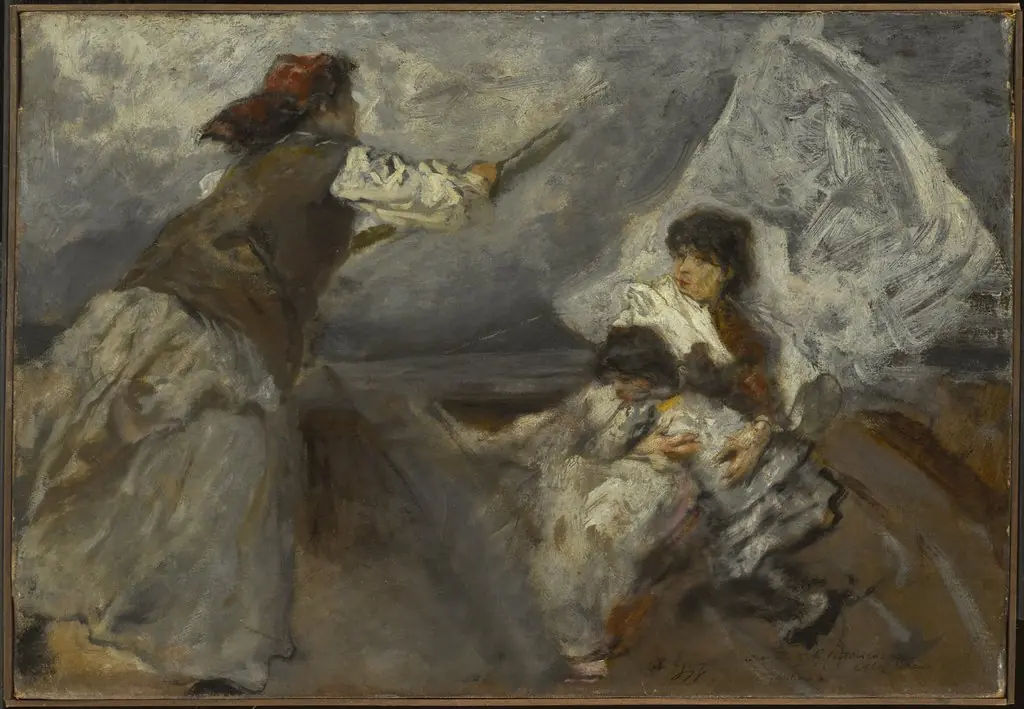 Study for Boating in the Lagoon
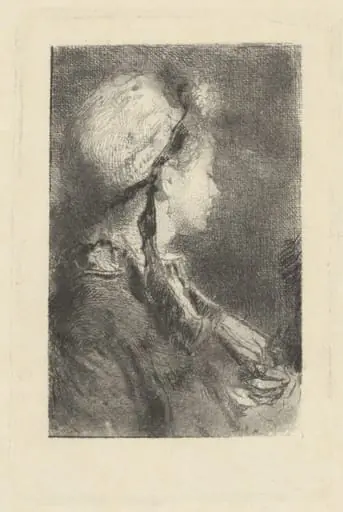 The Artist's Wife in Profile Facing Right
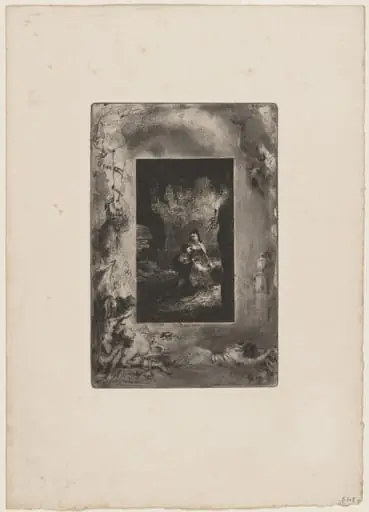
![Un Miracle [A Miracle], by Mosè Bianchi](https://artifactworldgallery.com/img/mose-bianchi--un-miracle-a-miracle--274238d7058a4087-w320.webp) Un Miracle [A Miracle]
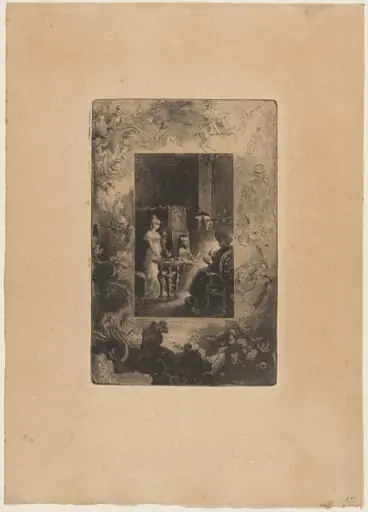
Un Miracle [A Miracle]![Un Miracle [A Miracle], by Mosè Bianchi](https://artifactworldgallery.com/img/mose-bianchi--un-miracle-a-miracle--333a12cf5ec140c5-w320.webp) Un Miracle [A Miracle]
Un Miracle [A Miracle]![La lezione di violincello [The Violin Lesson], by Mosè Bianchi](https://artifactworldgallery.com/img/mose-bianchi--la-lezione-di-violincello-the-violin-lesson--409ab16368cea0c8-w320.webp) La lezione di violincello [The Violin Lesson]
La lezione di violincello [The Violin Lesson]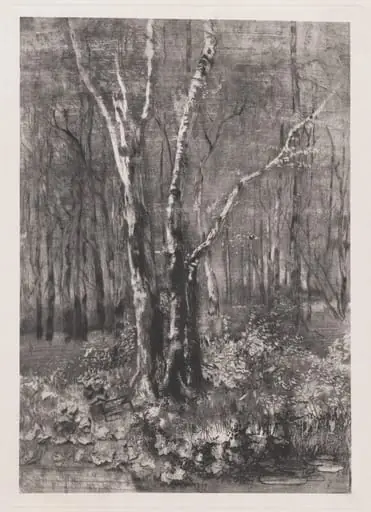 Woods in the Park near Monza
![Intérieur d'église à Milan [Interior of a Church in Milan], by Mosè Bianchi](https://artifactworldgallery.com/img/mose-bianchi--interieur-d-eglise-a-milan-interior-of-a-church-in-milan--6e5465a8fb58e0ea-w320.webp) Intérieur d'église à Milan [Interior of a Church in Milan]
Intérieur d'église à Milan [Interior of a Church in Milan]