Artwork
Intérieur d'église à Milan [Interior of a Church in Milan]
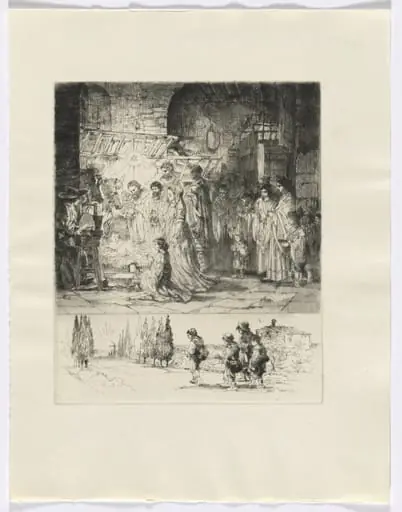
![Intérieur d'église à Milan [Interior of a Church in Milan], by Mosè Bianchi, ink, 1874](https://artifactworldgallery.com/img/mose-bianchi--interieur-d-eglise-a-milan-interior-of-a-church-in-milan--6e5465a8fb58e0ea-w1024.webp)
Intérieur d'église à Milan [Interior of a Church in Milan] is an ink print by the Impressionist artist Mosè Bianchi. It dates from 1874 and is held in the collection of the National Gallery of Art.
About this work
Overview
Mosè Bianchi’s print titled *Intérieur d’église à Milan* (c. 1874) depicts the interior of a Milanese church rendered in a combination of etching, drypoint, and aquatint on chine collé. The work presents a dimly lit nave populated by three solitary figures, emphasizing the quiet atmosphere of the sacred space.
Subject & Meaning
The composition centers on three individuals: a standing figure near the altar, a seated figure shrouded in shadow, and a kneeling worshipper. Their muted presence amid the austere architecture suggests contemplation and private devotion, while the limited illumination underscores a sense of reverence and solitude.
Technique & Style
Bianchi employed a layered printmaking process, beginning with traditional etching lines, adding drypoint’s soft, burr‑rich edges, and finishing with aquatint washes to achieve tonal depth. The chine collé support provides a smooth, fine surface that enhances the subtle gradations of light and shadow across the stone walls and cracked floor.
History & Provenance
Created around 1874, the print reflects Bianchi’s interest in urban and ecclesiastical subjects during the later phase of his career. It entered private collections shortly after its production, later appearing in several 19th‑century print exhibitions in Italy before being acquired by a European museum in the early 20th century.
Context
At the time Bianchi produced this work, Milan was undergoing rapid modernization, yet its historic churches remained focal points of cultural identity. The print aligns with contemporary trends in atmospheric realism, where artists used print techniques to capture fleeting light effects within architectural interiors.
Legacy
*Intérieur d’église à Milan* stands as a representative example of Bianchi’s mastery of mixed intaglio methods, illustrating how 19th‑century printmakers could convey mood and spatial depth without color. The piece continues to be cited in studies of Italian printmaking for its nuanced handling of light and texture.
Artist & collection

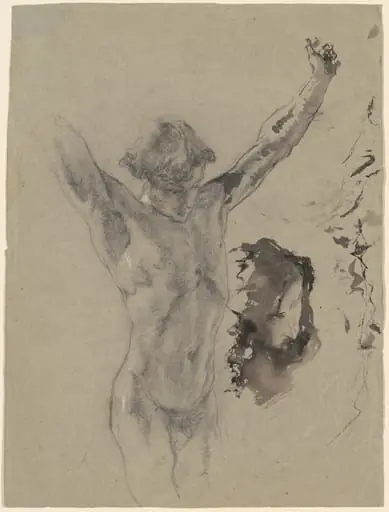 Study of the Figure and Head of Christ in "Christ on the Cross and Mary Magdalene"
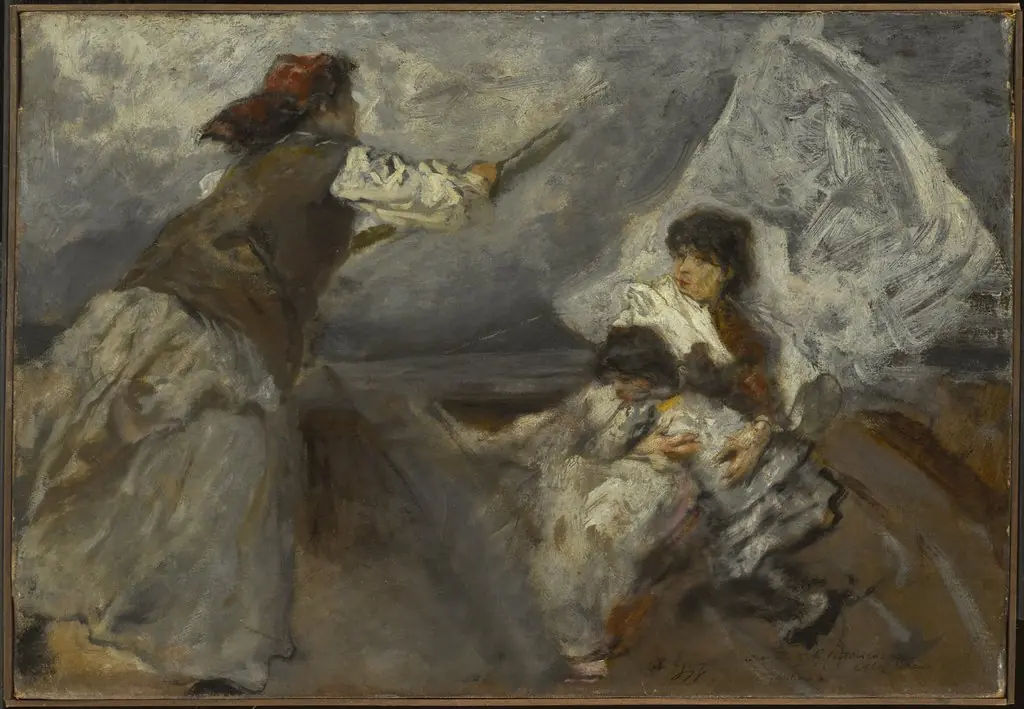 Study for Boating in the Lagoon
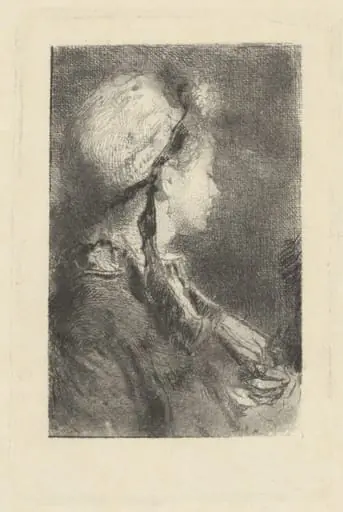 The Artist's Wife in Profile Facing Right
![Un Miracle [A Miracle], by Mosè Bianchi](https://artifactworldgallery.com/img/mose-bianchi--un-miracle-a-miracle--274238d7058a4087-w320.webp) Un Miracle [A Miracle]
Un Miracle [A Miracle]![Un Miracle [A Miracle], by Mosè Bianchi](https://artifactworldgallery.com/img/mose-bianchi--un-miracle-a-miracle--333a12cf5ec140c5-w320.webp) Un Miracle [A Miracle]
Un Miracle [A Miracle]![La lezione di violincello [The Violin Lesson], by Mosè Bianchi](https://artifactworldgallery.com/img/mose-bianchi--la-lezione-di-violincello-the-violin-lesson--409ab16368cea0c8-w320.webp) La lezione di violincello [The Violin Lesson]
La lezione di violincello [The Violin Lesson]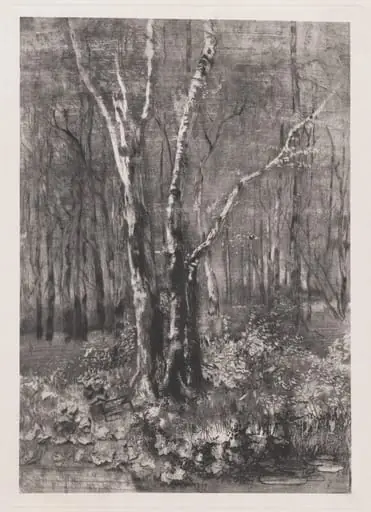 Woods in the Park near Monza
![Ciociara [Peasant Woman of the Campagna], by Mosè Bianchi](https://artifactworldgallery.com/img/mose-bianchi--ciociara-peasant-woman-of-the-campagna--739d810783788157-w320.webp) Ciociara [Peasant Woman of the Campagna]
Ciociara [Peasant Woman of the Campagna]
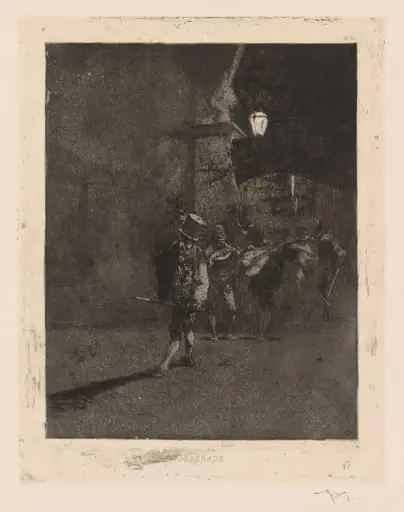 Serenade
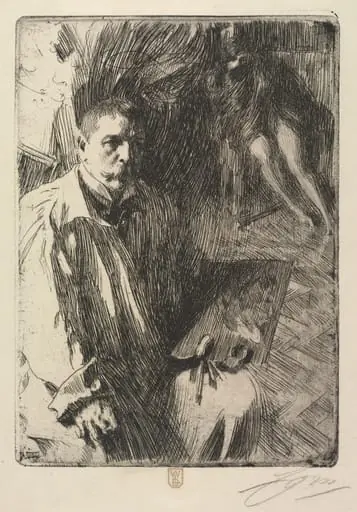 Portrait of the Artist and His Model
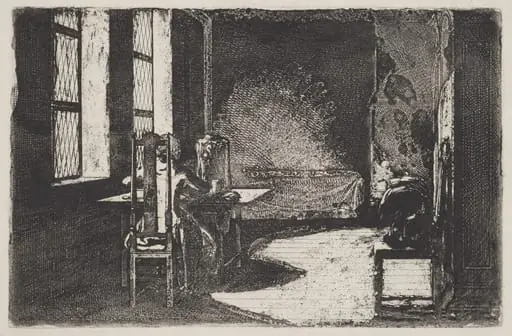 The Artist in His Mother's Room, Danzig
 The Music Room
 A Blacksmith (Un Forgeron)
 Mlle Bécat at the Café des Ambassadeurs
 Tánger (Seated Arabs)
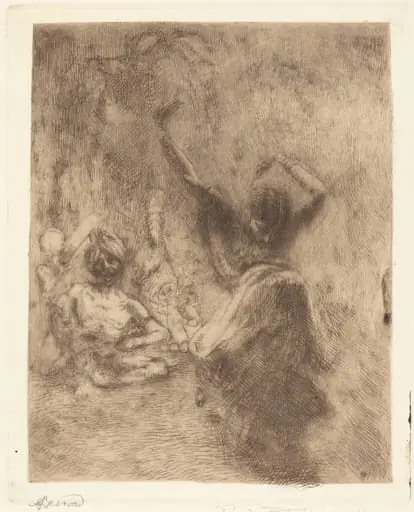 The Dancer of Tanjore (La bayadère de Tanjore)
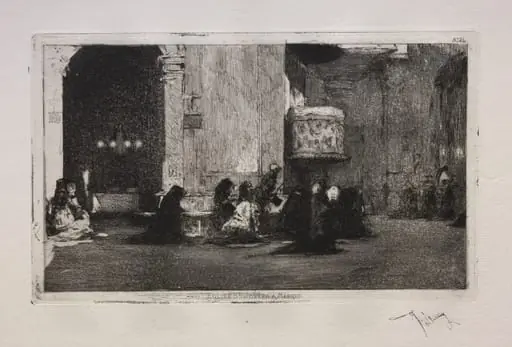 Saint Joseph Church, Madrid
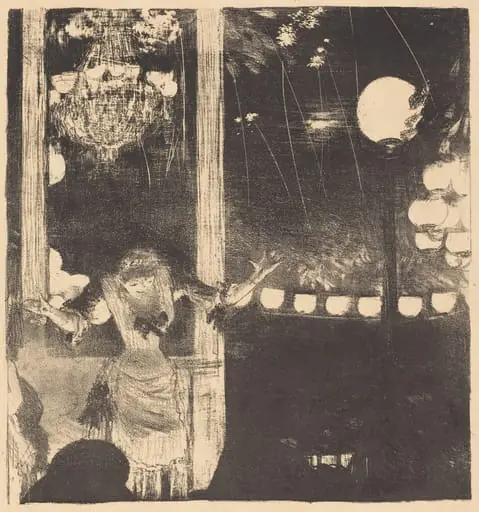 Mademoiselle Bécat at the Cafe des Ambassadeurs (Aux Ambassadeurs: Mlle Bécat)
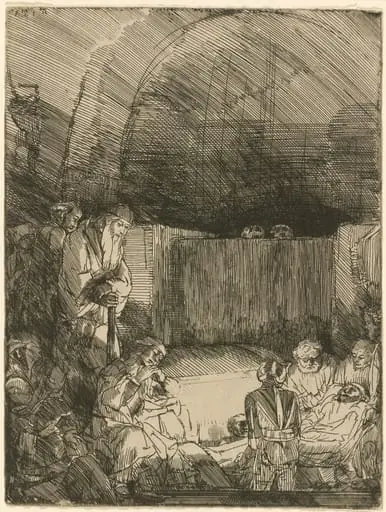 The Entombment
 Frédéric Mistral: Mémoires et Recits by Frédéric Mistral: nativity/ figures walking on a road (insert after p. 32)