Artwork
Stegeborgin linnan rauniot kuutamolla
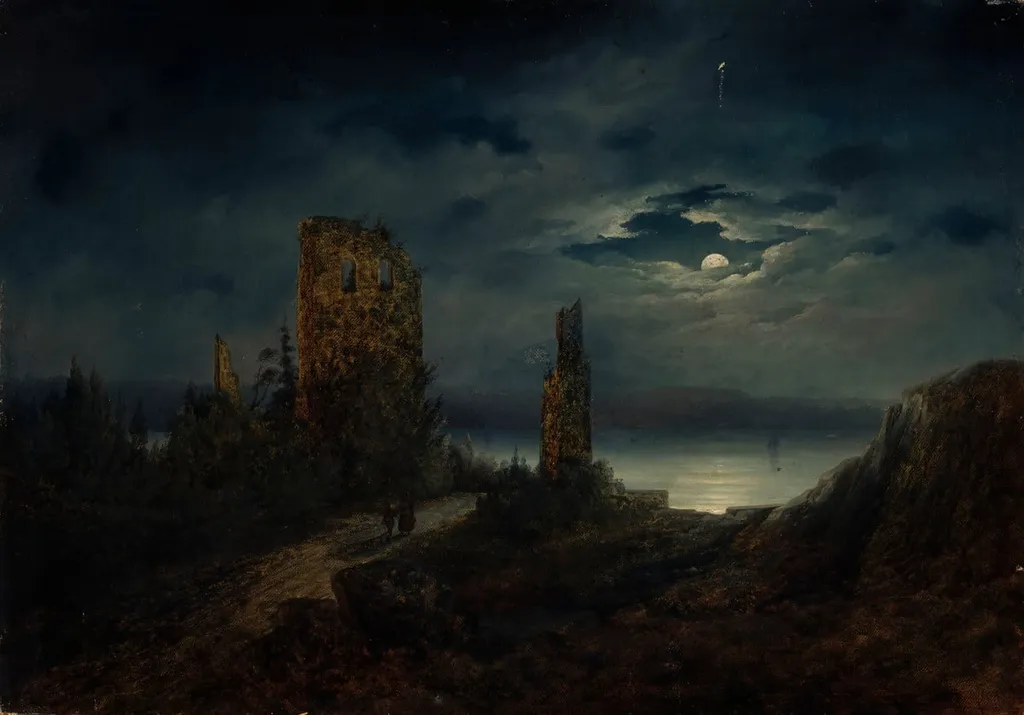
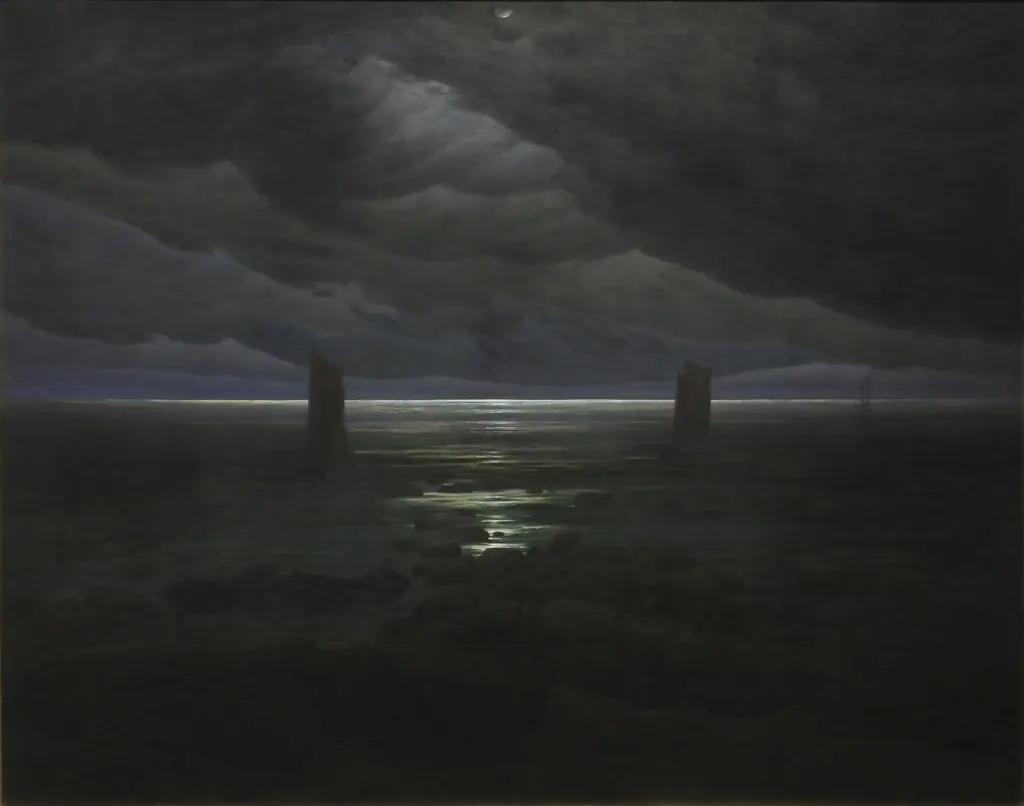
Stegeborgin linnan rauniot kuutamolla is an unspecified painting by Lars Theodor Billing. It is held in the collection of the Finnish National Gallery. Painted during a period when artists increasingly worked en plein air, this image captures the ruins of Stegeborg Castle under moonlight.
About this work
Overview
Painted during a period when artists increasingly worked en plein air, this image captures the ruins of Stegeborg Castle under moonlight. The scene is not merely a depiction of architecture but a study in nocturnal atmosphere, where natural light becomes the central subject. The quiet stillness of the composition suggests a pause in time, emphasizing the solitude of the decaying structure.
Subject & Meaning
The ruins of Stegeborg Castle, once a seat of power, now stand silent under the moon’s gaze. Their decay is not mourned but observed with calm detachment. The moonlight transforms stone into silver, suggesting nature’s quiet reclamation of human endeavor. The absence of figures or movement reinforces a sense of temporal stillness, inviting contemplation rather than narrative.
Technique & Style
The artist employs subtle tonal contrasts to render the moon’s glow across weathered stone, using soft gradations rather than sharp outlines. Shadows are deep but not black, allowing the silvered surfaces to emerge with quiet luminosity. This approach reflects an early engagement with chiaroscuro, adapted not for drama but for atmospheric realism, grounded in direct observation of nature.
History & Provenance
The painting originates from a time when Swedish artists were shifting from studio-based historicism to outdoor sketching. Stegeborg Castle, abandoned since the 17th century, was a known subject for Romantic-era painters drawn to its melancholic grandeur. This work likely stems from a series of nocturnal studies made on-site, reflecting a growing interest in capturing transient natural effects.
Context
In the early 19th century, European artists increasingly sought authenticity through direct engagement with landscape and light.
In the early 19th century, European artists increasingly sought authenticity through direct engagement with landscape and light. This painting aligns with broader trends of Romanticism and early realism, where ruins and moonlit scenes symbolized both the passage of time and the sublime power of nature. The choice to paint at night, rather than day, marked a departure from conventional historical subjects.
Legacy
The work contributes to a growing body of nocturnal landscape studies that prioritized mood over narrative. Its quiet treatment of light and ruin influenced later Scandinavian artists exploring atmosphere in natural settings. Though not widely exhibited, it remains a quiet example of how observation, not idealization, reshaped landscape painting in the 19th century.
Artist & collection
Artist
Lars Theodor Billing set up his easel in Sweden’s quiet countryside, where he painted moonlit ruins and steamboats on lazy rivers.

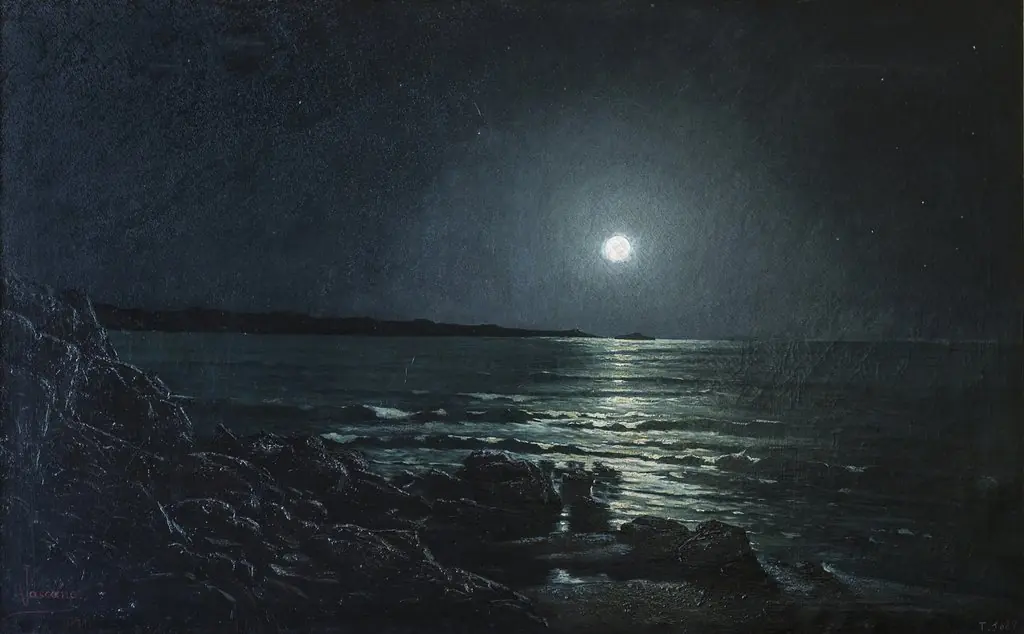 A Night at the Sea
 Point Judith, Rhode Island
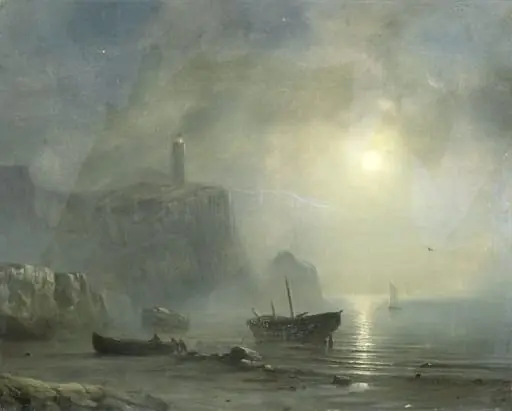 View of a Rocky Coast by Moonlight
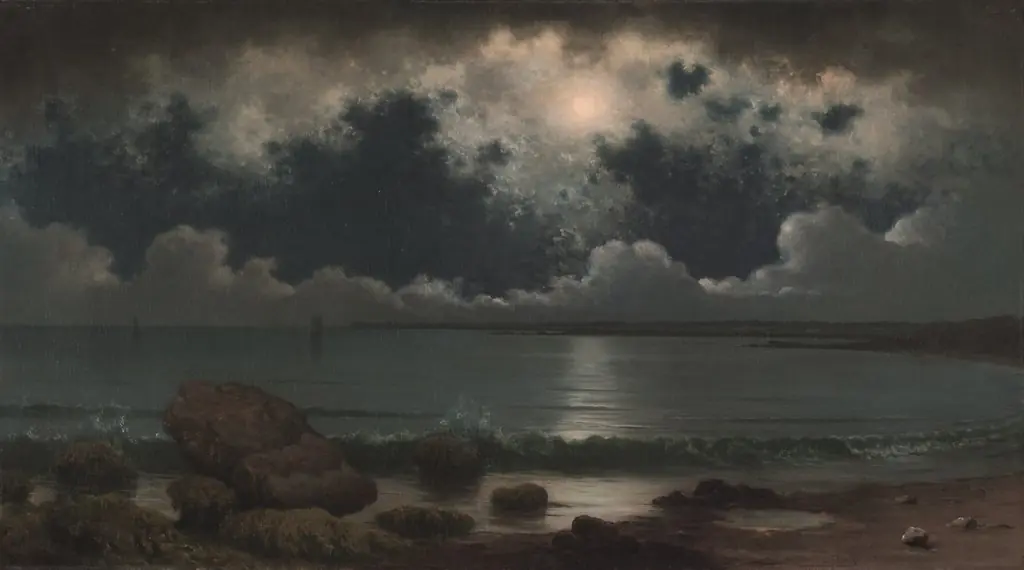 Point Judith, Rhode Island
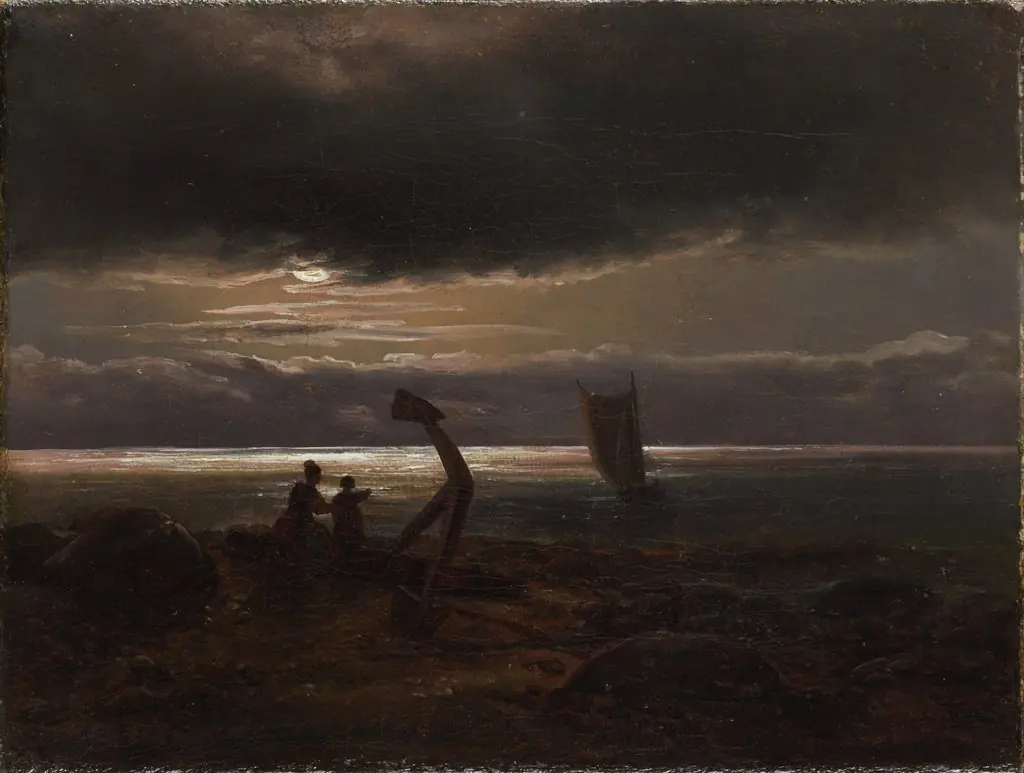 Mother and Child by the Sea
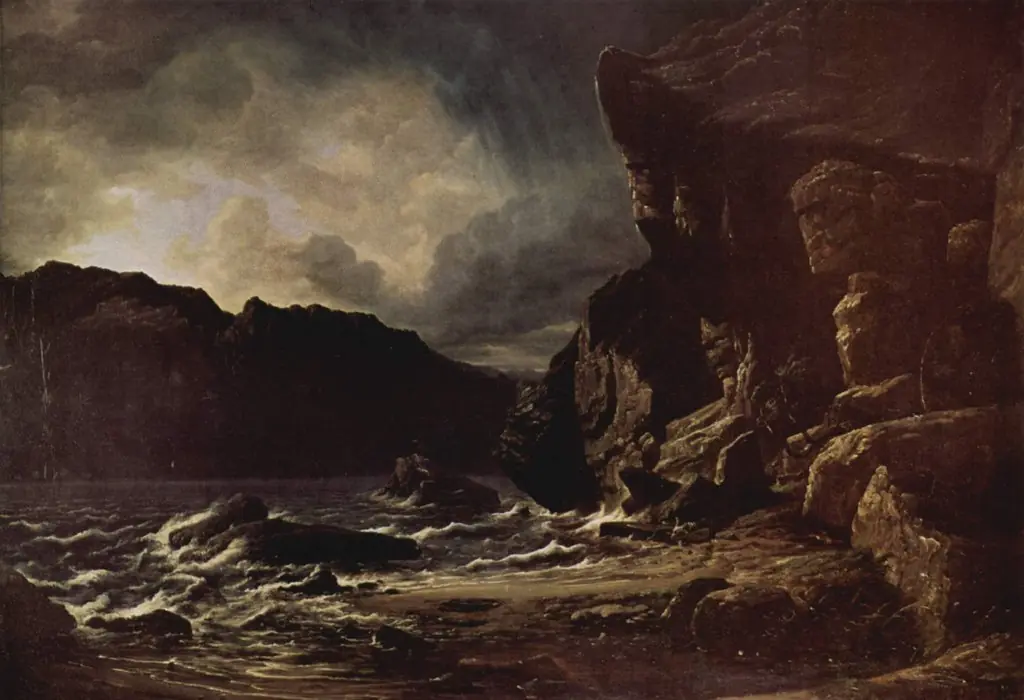 Norwegian Sea
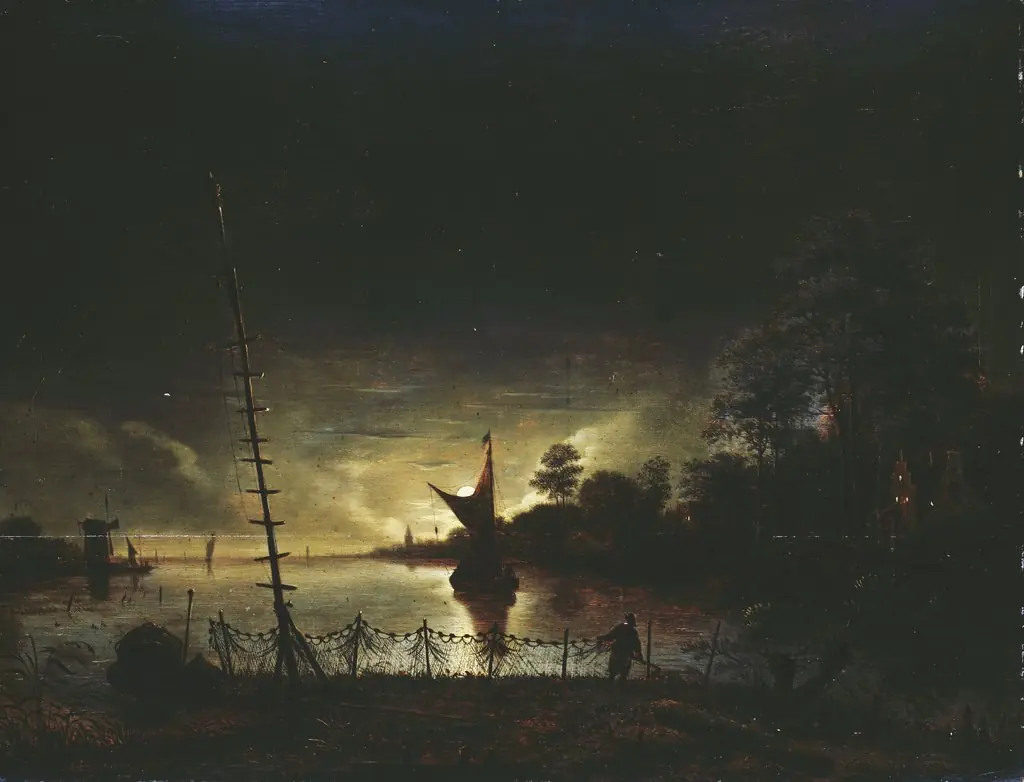 Moonlit landscape
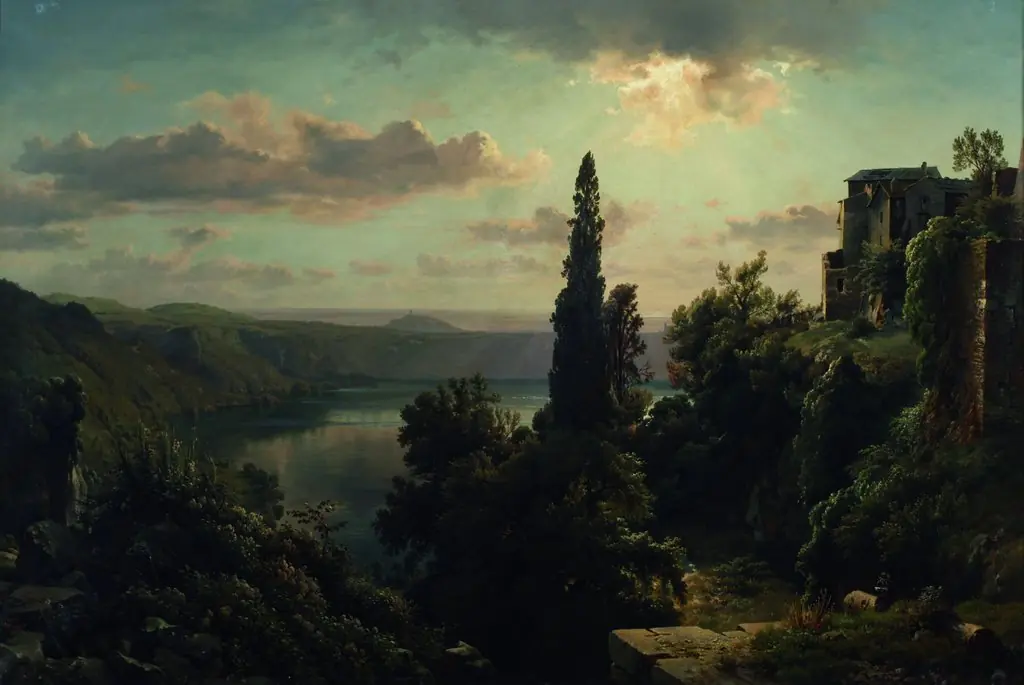 Ansicht des Nemisees im Albanergebirge bei Rom
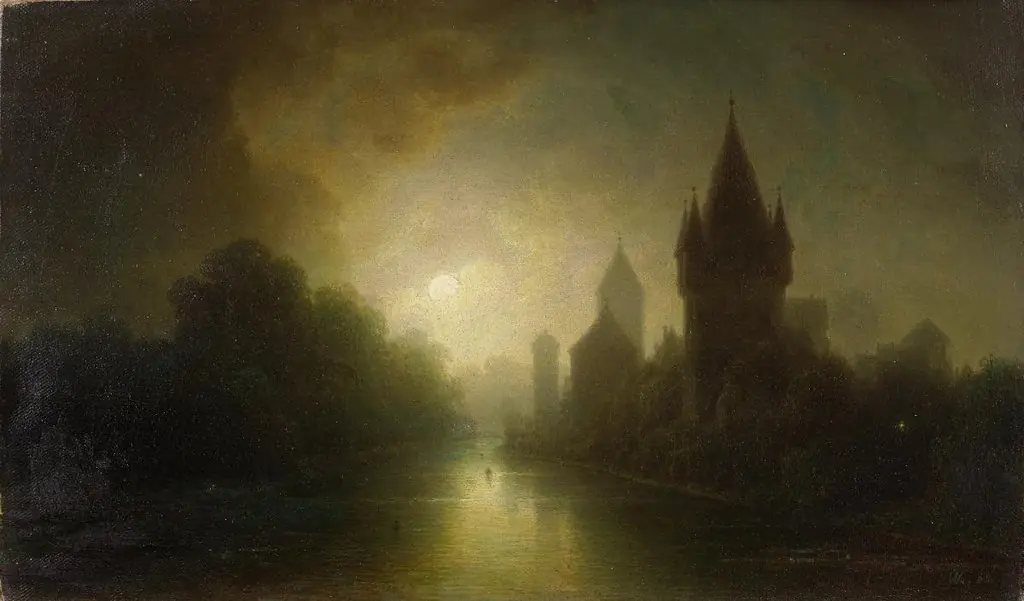 Mondscheinlandschaft
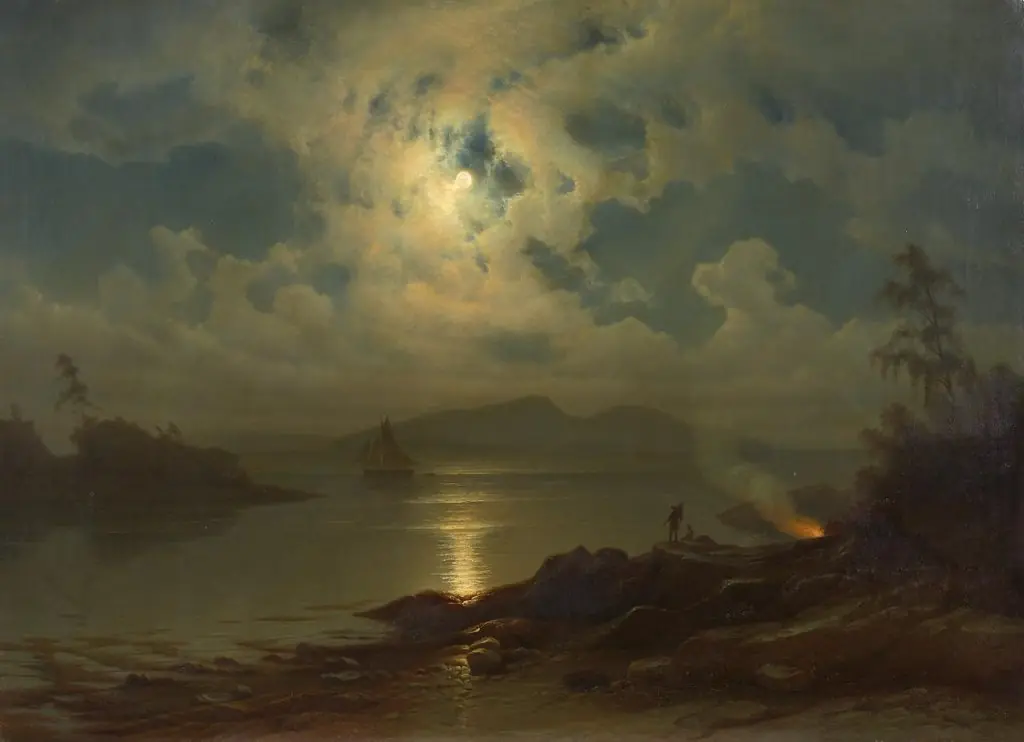 Küste der Insel Storö im Mondschein
 The Crossing over the Little Belt at Snoghøj. Moonrise
 Sea Shore in Moonlight