Artwork
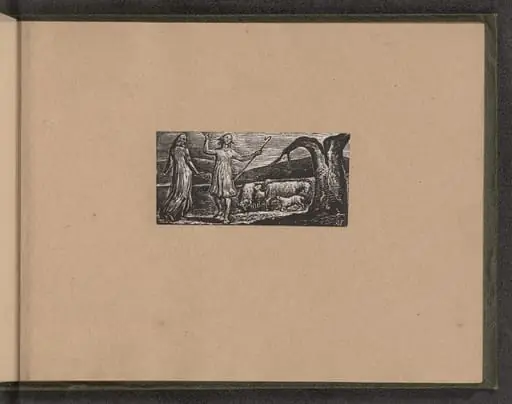
Shepherd Chases away Wolf
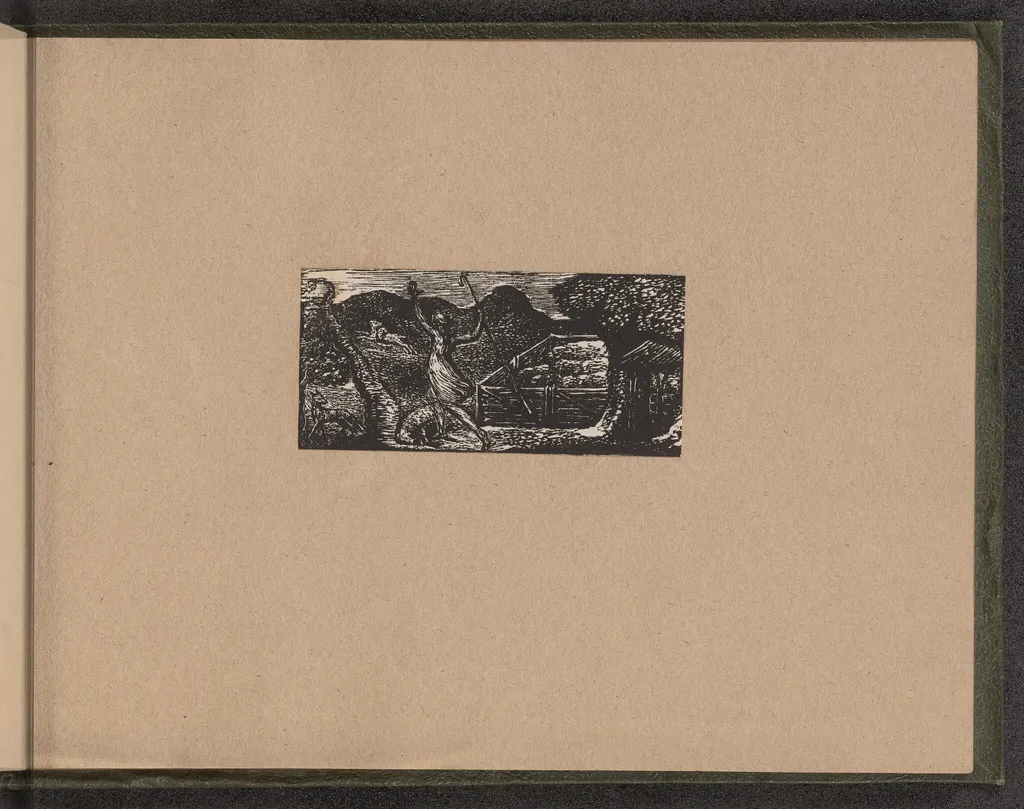
Shepherd Chases away Wolf is an ink print by the Romanticist artist William Blake. It dates from 1821 and is held in the collection of the National Gallery of Art.
About this work
Overview
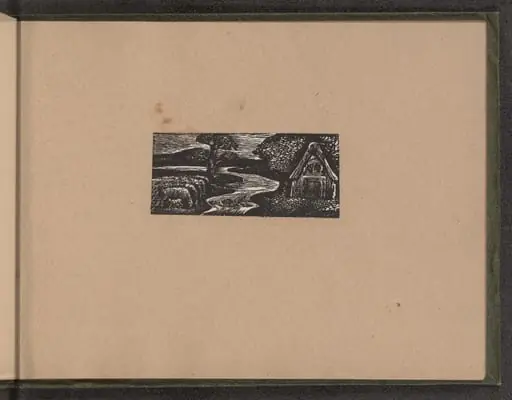
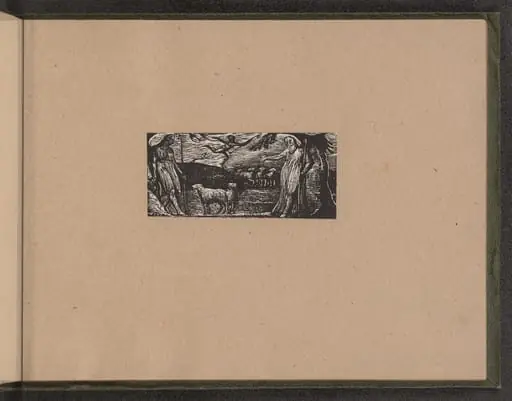
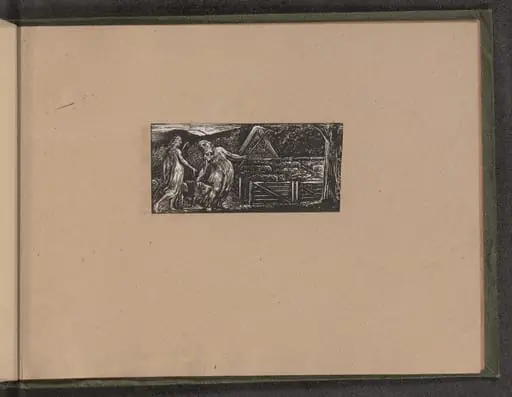
Created in 1821, *Shepherd Chases away Wolf* is a wood‑engraved print by William Blake. The image shows a solitary shepherd confronting a fleeing wolf, set against a landscape of trees, hills and a distant house. The work belongs to the later phase of Blake’s printmaking, when he was producing a series of narrative images with layered symbolism.
Subject & Meaning
The central figure, a shepherd armed with a staff and cloaked in a simple mantle, drives a wolf away, its tail tucked between its legs. The scene can be read as an allegory of protective vigilance, contrasting human order with wild danger, a theme that recurs in Blake’s visual and poetic oeuvre.
Technique & Style
Executed with the incising methods of wood engraving, the print displays fine line work that creates texture and depth across the foliage and terrain. Although Blake’s style is rooted in Romantic sensibilities, the composition relies on clear narrative lines rather than the bold brushstrokes and vivid pigments typical of painted works.
History & Provenance
Blake, an English poet, painter and printmaker active in London, produced the print during a period of limited contemporary recognition. After his death, the work entered private collections before being acquired by the National Gallery of Art in Washington, where it is currently on display.
Context
The engraving forms part of Blake’s broader engagement with mythic and pastoral subjects, reflecting the Romantic era’s fascination with nature, individual experience, and moral symbolism. It exemplifies his practice of merging literary themes with visual invention, a hallmark of his contribution to early nineteenth‑century art.
Artist & collection
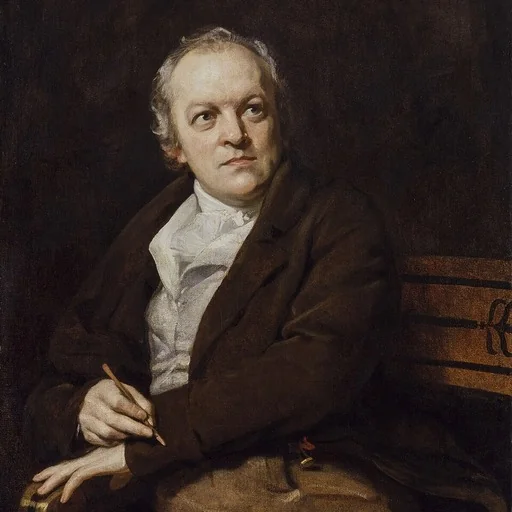
Artist
William Blake (28 November 1757 – 12 August 1827) was an English poet, painter and printmaker.