Artwork
H Beard Print Collection
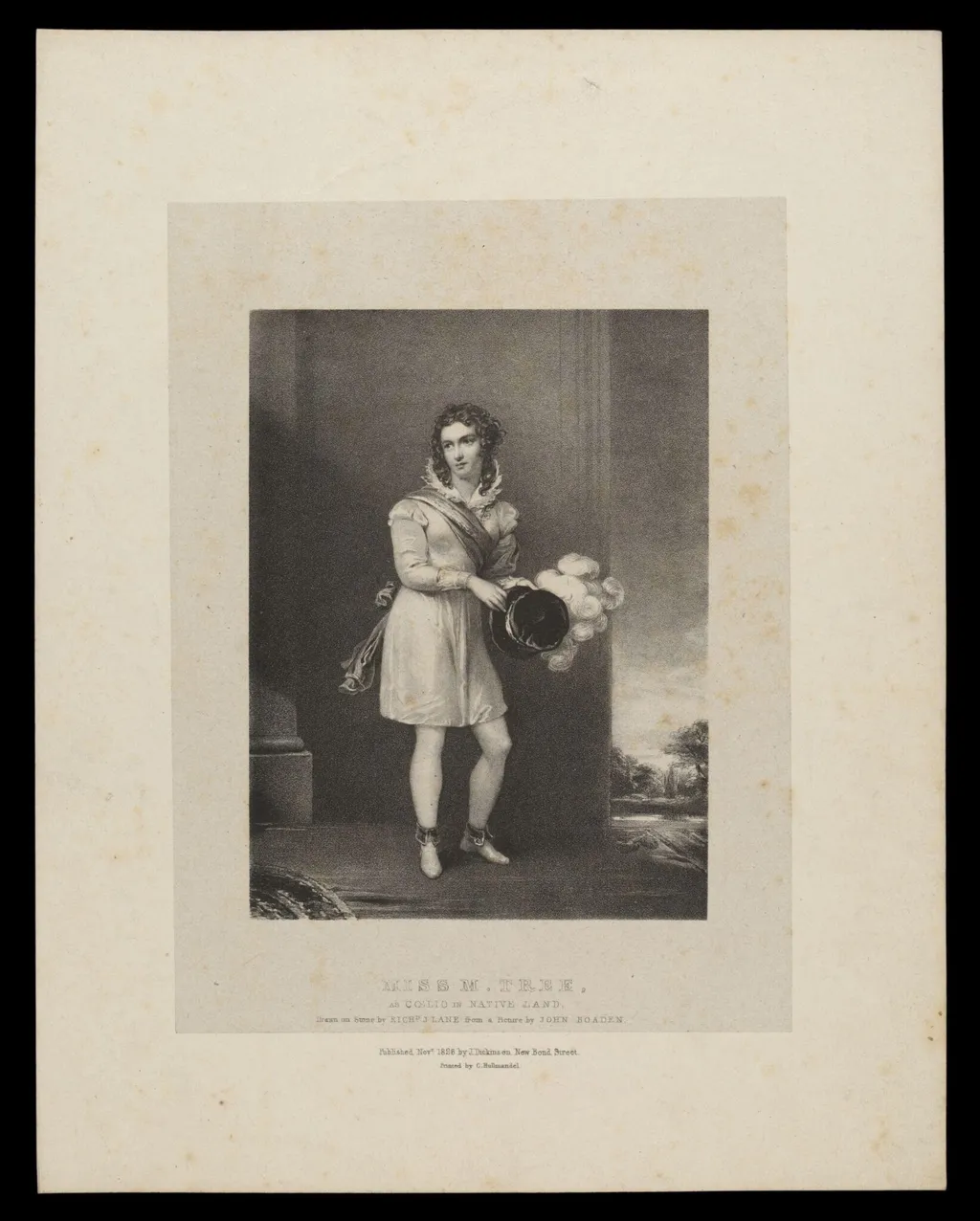
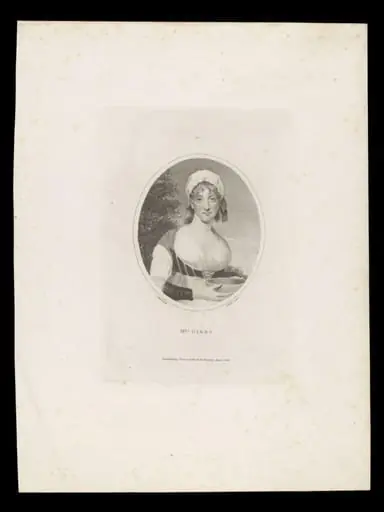
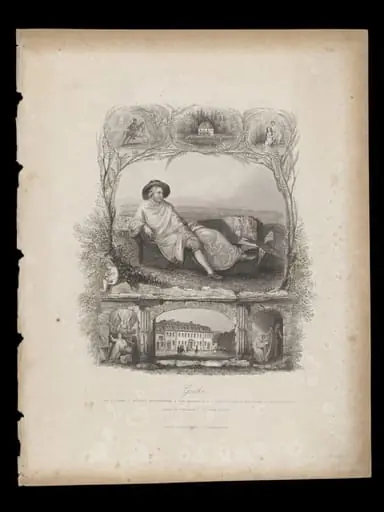
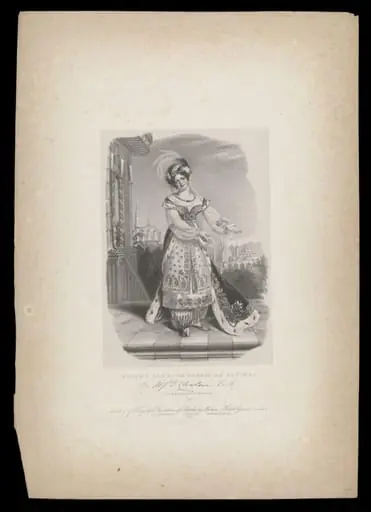
H Beard Print Collection is a print by the Romanticist artist John Boaden. It dates from 1826 and is held in the collection of the Victoria and Albert Museum.
About this work
The fact that it was published in London also implies that the print was part of a larger cultural scene.
The H Beard Print Collection is a print made by John Boaden in November 1826.
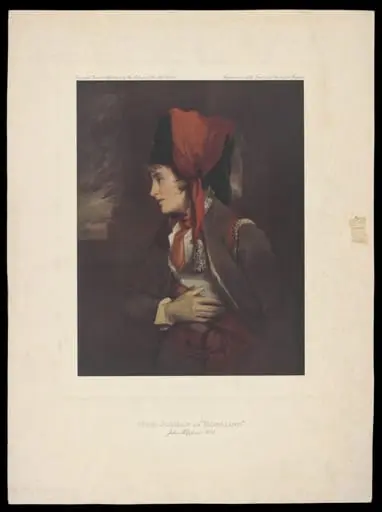
It's a portrait of Maud Tree as Coelio in Native Land.
The print was published in London by J. Dickinson, which suggests it was intended for a wide audience.
The fact that it was published in London also implies that the print was part of a larger cultural scene.
You can learn more about this style by looking into Romanticism.
Overview
Created in November 1826, this print by John Boaden depicts the actress Maud Tree in the role of Coelio, a character from the play *Native Land*. Produced as a single‑sheet image, it was issued by the London publisher J. Dickinson, indicating its circulation among the city’s theatrical and artistic audiences.
Subject & Meaning
The portrait presents Maud Tree assuming the guise of Coelio, a figure associated with themes of love and betrayal in the dramatic work. By foregrounding the actress in costume, the image highlights the 19th‑century fascination with theatrical personae and the blurring of performer and character.
Technique & Style
Executed as a print, Boaden employed line work and tonal shading typical of early 19th‑century graphic reproduction. The composition reflects Romantic sensibilities through its emphasis on emotive expression and dramatic lighting, aligning the work with contemporary visual trends that favored heightened feeling over strict realism.
History & Provenance
After its initial release by J. Dickinson in London, the print entered the broader market for theatrical memorabilia. Its survival in the H Beard Print Collection suggests it was collected as part of a series documenting notable stage figures of the period.
Context
The print emerged during a vibrant phase of Romanticism in Britain, when visual art, literature, and theatre intersected. Its production for a mass audience mirrors the era’s expanding print culture, which made images of popular performers accessible beyond the confines of the theatre.
Artist & collection

 H Beard Print Collection
 H Beard Print Collection
 H Beard Print Collection
 H Beard Print Collection
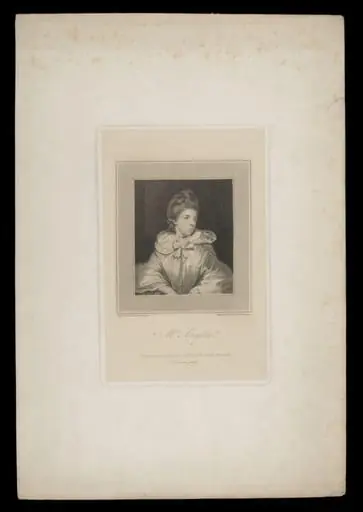 H Beard Print Collection
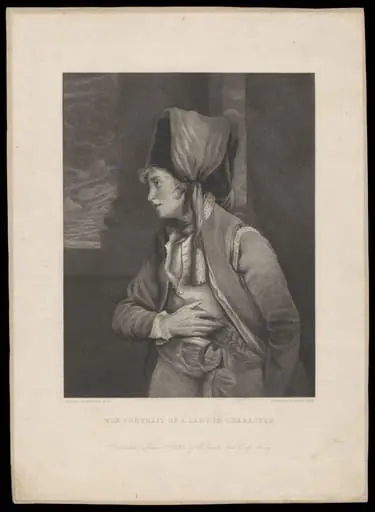 H Beard Print Collection
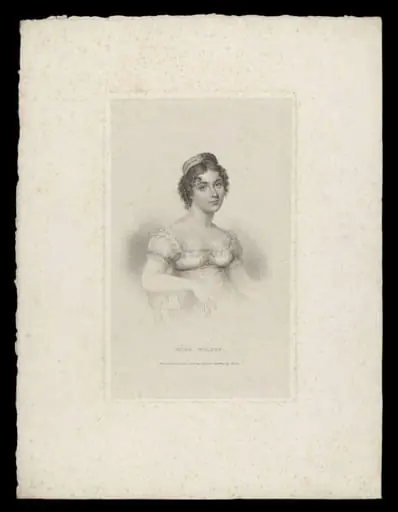 H Beard Print Collection
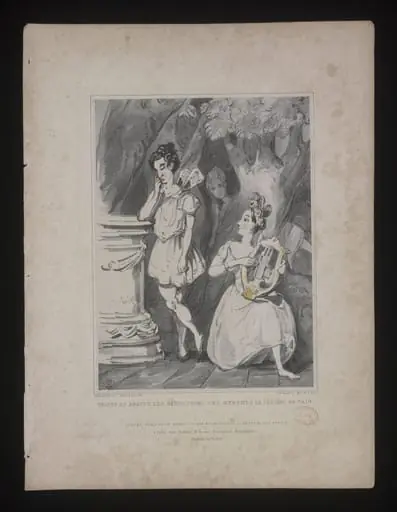 Triste et abattu les seductions des nymphes le tentent en vain
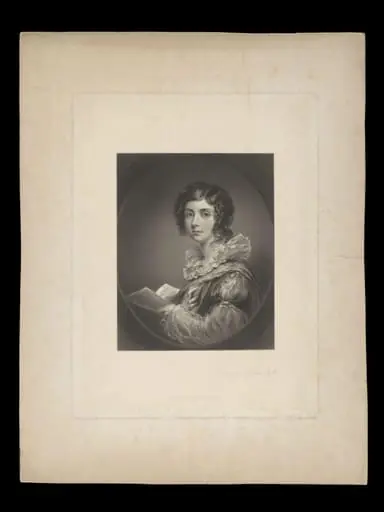 H Beard Print Collection
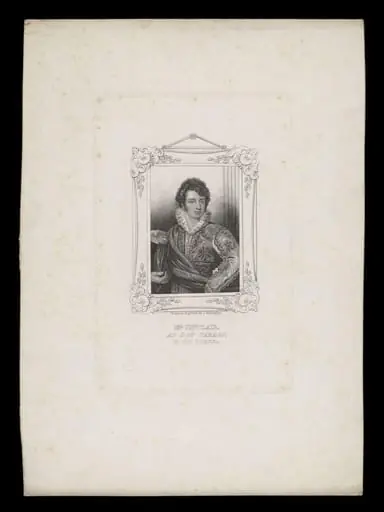 H Beard Print Collection
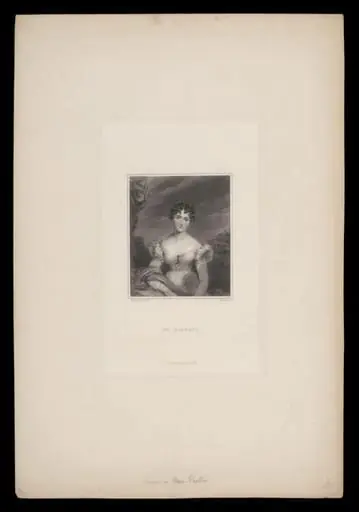 H Beard Print Collection
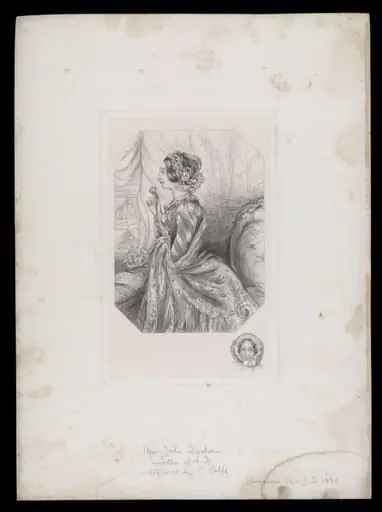 H Beard Print Collection